
Please note: a valid prescription is required for all prescription medication.
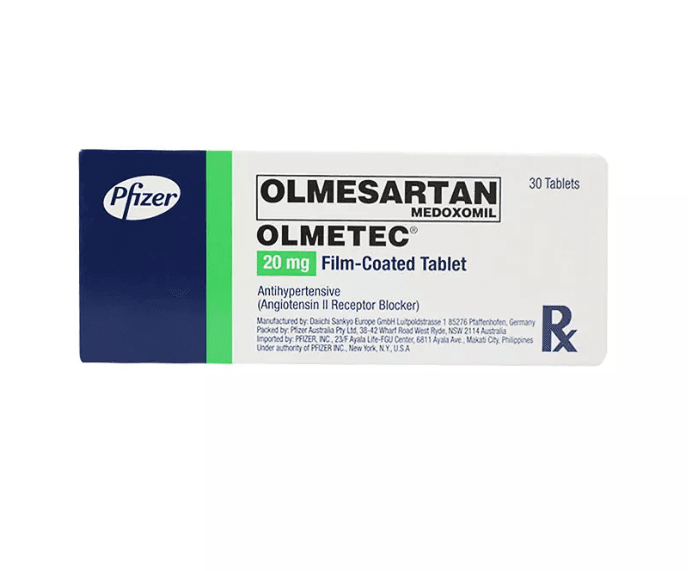
Olmetec
Buy Olmetec Online
Secure Encrypted Payments
Olmetec is an olmesartan medoxomil tablet used to treat high blood pressure. It can be bought online through licensed pharmacy channels, with the strength chosen during ordering matched to the directions from your clinician. Common single-ingredient strengths include 10 mg, 20 mg, and 40 mg tablets, while combination versions pair olmesartan with hydrochlorothiazide.
Olmetec belongs to a class called angiotensin II receptor blockers, often shortened to ARBs. These medicines help relax blood vessels so blood can flow with less resistance. For people managing long-term hypertension, the practical buying questions are usually the same: which strength is intended, whether the tablet contains one or two active ingredients, what the current price is, and what safety checks matter before use.
Price, Strength, and Ordering Decisions
The Olmetec price can vary by strength, quantity, and whether the medicine is the single-ingredient tablet or a combination tablet with hydrochlorothiazide. During ordering, choose the dose or strength shown for Olmetec and match it to the directions on your treatment plan. A 20 mg olmesartan tablet is not the same as a 20 mg/12.5 mg combination tablet, so the full strength matters.
Single-ingredient Olmetec is commonly known in 10 mg, 20 mg, and 40 mg tablet strengths. Combination tablets may be labeled with two numbers, such as 20 mg/12.5 mg, 40 mg/12.5 mg, or 40 mg/25 mg, because they contain olmesartan medoxomil plus hydrochlorothiazide. If you are looking for Olmetec 20 mg price or Olmetec 40 mg price information, make sure the strength and active ingredients match the medicine you were told to use.
We may review order details when needed to make sure the active ingredient, strength, and quantity are clear before pharmacy processing. For U.S. patients, US delivery from Canada may be part of the service context, and products are supplied through licensed pharmacies. Price and processing details should be considered together with suitability, monitoring needs, and the exact tablet strength.
People comparing blood pressure treatment choices may also find the hypertension condition information useful for understanding why long-term readings, kidney health, and other medicines influence treatment choice. For browsing related blood pressure products, the cardiovascular medication category groups medicines used across heart and circulation care.
What Olmetec Treats and How It Works
Olmetec is used for hypertension, which means ongoing high blood pressure. High blood pressure often has no obvious symptoms, but untreated hypertension can increase the risk of stroke, heart disease, kidney problems, and other complications over time. Medicines such as olmesartan are usually used alongside lifestyle measures when blood pressure remains above target.
Olmesartan medoxomil blocks the action of angiotensin II, a natural substance that can tighten blood vessels. By reducing that tightening effect, Olmetec helps blood vessels relax. The result is lower resistance inside the blood vessels, which can help reduce blood pressure when the medicine is taken consistently as directed.
Olmetec is not used for sudden emergency symptoms. Chest pain, stroke warning signs, fainting, severe shortness of breath, or a very high reading with acute illness needs urgent medical assessment. For stable outpatient treatment, home readings can help track trends, but they do not replace individualized dose selection or safety monitoring.
Some people use an ARB because another class of blood pressure medicine caused a troublesome effect such as cough. Others may need more than one medicine to reach a blood pressure goal. The best fit depends on your readings, kidney function, potassium level, other diagnoses, and the rest of your medicine list.
Single-Ingredient Tablets and Combination Products
Olmetec usually refers to olmesartan medoxomil alone. Names such as Olmetec Plus, Olmetec HCT, or co-olmesartan-style combinations may refer to olmesartan paired with hydrochlorothiazide, a diuretic that helps the body remove extra salt and water. These are related but not interchangeable products.
| Product type | Form | Common strengths | Active ingredients |
|---|---|---|---|
| Olmetec | Tablet | 10 mg, 20 mg, 40 mg | Olmesartan medoxomil |
| Olmetec Plus or HCT-type combination | Tablet | 20 mg/12.5 mg, 40 mg/12.5 mg, 40 mg/25 mg | Olmesartan medoxomil plus hydrochlorothiazide |
The two-number strengths can cause confusion. The first number is the olmesartan amount, and the second number is the hydrochlorothiazide amount. For example, a 40 mg single-ingredient tablet and a 40 mg/12.5 mg combination tablet are different medicines for practical use and monitoring.
Tablet appearance should not be used as the main way to identify Olmetec. Color, imprint, and packaging can vary between markets or manufacturers. The safest identifiers are the printed medicine name, full strength, and whether the label includes hydrochlorothiazide or another second ingredient.
How to Take Olmesartan Tablets
Many adults take olmesartan once daily. It can usually be taken with or without food, and taking it at the same time each day may help keep use consistent. Adult labeling commonly starts at 10 mg once daily, with later adjustment to 20 mg or 40 mg based on response and tolerability.
The best time to take Olmetec is usually the time you can take it reliably. Some people prefer morning dosing because it fits their routine, while others follow a different schedule. If the treatment plan includes a diuretic, daily timing may also be chosen to reduce inconvenience from increased urination.
Blood pressure treatment is judged over repeated readings, not one isolated number. Clinicians often consider home blood pressure logs, clinic readings, kidney function, and potassium levels when deciding whether a dose still fits. This is especially important after a dose increase, during illness with dehydration, or when another blood pressure medicine is added.
Do not double up after a missed dose unless a healthcare professional specifically tells you to. Follow the patient leaflet or pharmacist instructions for missed-dose handling. Stopping suddenly can leave blood pressure uncontrolled, so any planned change should be discussed in the context of your overall treatment plan.
Safety, Side Effects, and Monitoring
Olmetec can cause side effects, especially when treatment starts or after a dose increase. Commonly reported effects may include dizziness, headache, tiredness, stomach upset, diarrhea, indigestion, or nausea. Some people feel lightheaded when standing quickly because blood pressure is lower than usual.
These symptoms are not always dangerous, but persistent or worsening effects should be discussed. Dizziness may be more likely if you are dehydrated, taking another blood pressure medicine, using a diuretic, or have recently had vomiting or diarrhea. Alcohol can add to lightheadedness in some people.
More serious warning signs include fainting, marked weakness, swelling of the face or throat, trouble breathing, reduced urination, severe low blood pressure symptoms, or muscle weakness that could suggest a potassium problem. Kidney function and potassium may need monitoring in people with kidney disease, diabetes, narrowed kidney arteries, dehydration risk, or interacting medicines.
Pregnancy is a major safety concern with ARB medicines. Olmesartan-based products can harm a developing baby and are generally avoided during pregnancy. People who are pregnant, planning pregnancy, or may become pregnant should discuss safer blood pressure choices before continuing an ARB.
Rare intestinal problems have been reported with olmesartan. Severe, ongoing diarrhea with weight loss should not be dismissed as a routine stomach bug. It needs medical evaluation, especially if symptoms continue or cause dehydration.
Why it matters: New fainting, facial swelling, reduced urination, or severe diarrhea deserves prompt medical attention.
Interactions and Cautions Before Use
Olmetec should be considered alongside your full medicine list, including over-the-counter pain relievers, supplements, salt substitutes, and other blood pressure drugs. Interactions do not always mean a medicine cannot be used, but they may change monitoring needs or the safest dose plan.
- ACE inhibitors, aliskiren, or other ARBs: combined effects may increase the risk of low blood pressure, kidney problems, or high potassium.
- Diuretics: water pills can increase the chance of dizziness or dehydration, especially when treatment starts.
- Potassium products: supplements, salt substitutes, and potassium-sparing medicines may raise potassium too far.
- NSAID pain relievers: ibuprofen and naproxen can affect kidney function and may reduce blood pressure control in some people.
- Lithium: blood levels may be affected, so monitoring may be needed.
Kidney disease, diabetes, dehydration, vomiting, diarrhea, very low salt intake, and narrowed kidney arteries are important cautions. These conditions can make blood pressure changes, kidney effects, or potassium shifts more likely. If blood tests are part of your care plan, the results help determine whether olmesartan remains appropriate.
For additional patient-friendly reading on blood pressure medicine questions, the cardiovascular guides section can help you prepare practical topics for a clinician or pharmacist. Use those materials to support the conversation, not to change dose or combine medicines on your own.
Storage, Refills, and Travel
Store Olmetec tablets according to the package and pharmacist label, generally at room temperature and away from excess moisture and heat. Keep tablets in their original labeled packaging until use, and store them out of reach of children and pets.
Bathrooms, hot cars, and damp travel bags are poor storage locations for most tablets. Heat and moisture can affect stability over time. If you use a pill organizer, keep the labeled box or blister pack nearby so the name and strength can be checked during refills.
When travelling, keep medication with identifying information. Original packaging can reduce mix-ups if the strength needs to be verified. For cross-border orders, prompt, express shipping may be available, but ongoing treatment planning should allow time for order processing and pharmacy handling.
Quick tip: Before putting away each refill, compare the name, strength, and active ingredients with your intended medicine.
How Olmetec Compares With Related Options
Olmetec is one ARB choice among several medicines used for long-term blood pressure control. Some people use the same active ingredient under a generic name, while others use a different class depending on side effects, kidney status, potassium, and response. The key comparison is not which medicine is universally strongest, but which option fits your readings and safety profile.
Olmesartan contains the same active ingredient name used for single-ingredient Olmetec. A clinician may compare brand and generic choices based on availability, strength, cost, and the specific product being supplied. Country-specific brand and generic naming can differ, so rely on the active ingredient and strength rather than the brand name alone.
Other cardiovascular medicines may be chosen when an ARB is not the best fit or when additional blood pressure control is needed. Nebivolol is a beta blocker used in some blood pressure treatment plans. Propranolol-hydrochloride represents a different combination approach involving a beta blocker and diuretic. These alternatives have different side effect profiles and monitoring considerations.
- Active ingredient: olmesartan alone versus another blood pressure medicine.
- Combination need: one active ingredient versus olmesartan plus hydrochlorothiazide.
- Tolerability: dizziness, cough history, swelling, stomach effects, or fatigue.
- Monitoring: kidney tests, potassium checks, and home pressure readings.
- Convenience: once-daily tablet use versus multiple medicines.
Olmetec Plus-style products may reduce tablet burden for someone who needs both olmesartan and hydrochlorothiazide, but the added diuretic changes the safety discussion. Electrolytes, dehydration risk, urination patterns, and kidney monitoring may become more important. The combination should be chosen only when the two active ingredients and strength are intended.
Authoritative Sources
- Official prescribing information for olmesartan medoxomil
- Official prescribing information for olmesartan and hydrochlorothiazide combination tablets
- Mayo Clinic patient guidance on olmesartan
This content is for informational purposes only and is not a substitute for professional medical advice.
Blood Pressure Average Calculator
Average home blood pressure readings and show a simple screening range.
Average BP
-
entered readings only
Range
-
screening category
These calculations are for education only and do not replace clinical advice, diagnosis, or treatment. Always confirm medical decisions with a qualified healthcare professional.
Mean Arterial Pressure Calculator
Calculate estimated mean arterial pressure from systolic and diastolic blood pressure.
MAP
-
DBP + one-third pulse pressure
These calculations are for education only and do not replace clinical advice, diagnosis, or treatment. Always confirm medical decisions with a qualified healthcare professional.
Pulse Pressure Calculator
Calculate pulse pressure from systolic and diastolic blood pressure.
Pulse pressure
-
SBP - DBP
These calculations are for education only and do not replace clinical advice, diagnosis, or treatment. Always confirm medical decisions with a qualified healthcare professional.
eGFR Calculator
Estimate kidney filtration using the 2021 CKD-EPI creatinine equation.
eGFR
-
mL/min/1.73 m2
G category
-
requires clinical context
These calculations are for education only and do not replace clinical advice, diagnosis, or treatment. Always confirm medical decisions with a qualified healthcare professional.
Creatinine Clearance Calculator
Estimate creatinine clearance using the Cockcroft-Gault equation.
CrCl
-
mL/min estimate
These calculations are for education only and do not replace clinical advice, diagnosis, or treatment. Always confirm medical decisions with a qualified healthcare professional.
Express Shipping - from $29.99
Shipping with this method takes 3-5 days
Prices:
- Dry-Packed Products $29.99
- Cold-Packed Products $39.99
Shipping Countries:
- United States (all contiguous states**)
- Worldwide (excludes some countries***)
Standard Shipping - $19.99
Shipping with this method takes 5-10 days
Prices:
- Dry-Packed Products $19.99
- Not available for Cold-Packed products
Shipping Countries:
- United States (all contiguous states**)
- Worldwide (excludes some countries***)
What is Olmetec used for?
Olmetec is used to treat high blood pressure. Its active ingredient, olmesartan medoxomil, is an ARB that helps relax blood vessels so blood can flow with less resistance.
What is the difference between Olmetec and Olmetec Plus?
Olmetec usually contains olmesartan medoxomil alone. Olmetec Plus or HCT-type products contain olmesartan plus hydrochlorothiazide, so strengths with two numbers are not interchangeable with single-ingredient tablets.
What strengths does Olmetec come in?
Common single-ingredient Olmetec tablet strengths are 10 mg, 20 mg, and 40 mg. Combination products may be labeled 20 mg/12.5 mg, 40 mg/12.5 mg, or 40 mg/25 mg because they include hydrochlorothiazide.
What side effects can Olmetec cause?
Common side effects may include dizziness, headache, tiredness, nausea, indigestion, stomach upset, or diarrhea. Serious symptoms such as fainting, facial swelling, reduced urination, or severe ongoing diarrhea need medical attention.
Can Olmetec be taken during pregnancy?
Olmetec and other ARB medicines are generally avoided during pregnancy because they can harm a developing baby. People who are pregnant or planning pregnancy should discuss alternative blood pressure treatment.
Does Olmetec interact with other medicines?
Yes. Important interaction concerns include ACE inhibitors, aliskiren, other ARBs, diuretics, potassium supplements, salt substitutes, NSAID pain relievers, and lithium. Kidney function and potassium monitoring may be needed in some people.
Rewards Program
Earn points on birthdays, product orders, reviews, friend referrals, and more! Enjoy your medication at unparalleled discounts while reaping rewards for every step you take with us.
You can read more about rewards here.
POINT VALUE
How to earn points
- 1Create an account and start earning.
- 2Earn points every time you shop or perform certain actions.
- 3Redeem points for exclusive discounts.
You Might Also Like
Select options
This product has multiple variants. The options may be chosen on the product page
Select options
This product has multiple variants. The options may be chosen on the product page
Select options
This product has multiple variants. The options may be chosen on the product page
Select options
This product has multiple variants. The options may be chosen on the product page