
Please note: a valid prescription is required for all prescription medication.
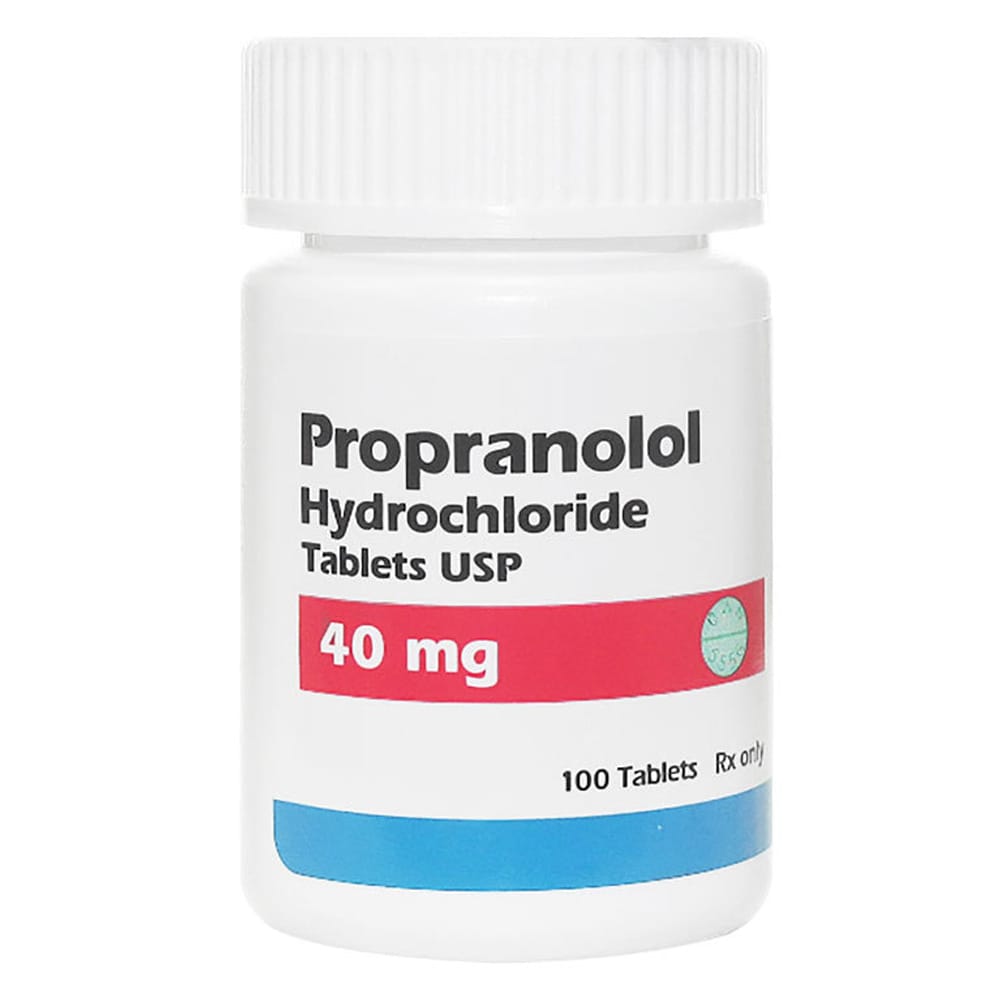
Propranolol Hydrochloride
Buy Propranolol Hydrochloride Online
Secure Encrypted Payments
Propranolol Hydrochloride is a beta-blocker used when a clinician wants to slow heart rate, lower blood pressure, reduce certain rhythm-related symptoms, or prevent specific recurring conditions. It can be bought online through licensed pharmacy channels, with current pricing shown during ordering and dose or strength choices matched to the directions from your clinician. The medicine is commonly discussed as propranolol HCl, hydrochloride propranolol, or by brand-related names such as Inderal and Inderal LA.
Because Propranolol Hydrochloride affects the heart, circulation, and sometimes breathing, the best purchase decision starts with the exact reason you take it. Immediate-release tablets and long-acting products can be used differently, and a 10 mg, 20 mg, 40 mg, 60 mg, or 80 mg strength is not interchangeable with another strength unless your clinician directs that change.
Propranolol Hydrochloride Price, Strength, and Ordering Basics
When you buy Propranolol Hydrochloride, review the strength, quantity, form, and current price before completing your order. Cost can vary by manufacturer, release type, and whether the medicine is supplied as a generic propranolol HCl product or a brand-labeled version. If you are comparing cash-pay choices, focus first on the exact form your clinician intended, because a short-acting tablet and a long-acting capsule may not produce the same day-to-day effect.
Common search terms include propranolol HCl 10mg, propranolol hydrochloride 20 mg tablet, propranolol HCl 40mg, propranolol 60 mg, and propranolol HCl 80 mg. Those terms reflect common strengths seen in practice, but your order should follow the strength available for the product and the directions given for your condition. If the label says extended-release, the capsule or tablet usually needs different handling than an immediate-release tablet.
Our process may include checking order information and medical details when they are needed for safe pharmacy supply. US delivery from Canada may be available as part of the service experience, and prompt, express shipping may be offered for approved, completed orders. Keep the active ingredient, form, and strength consistent with your clinician’s plan, especially after any recent change.
Quick tip: Match the product strength to your label directions before considering quantity or price.
What Propranolol Hydrochloride Is Used For
Propranolol Hydrochloride is a nonselective beta-blocker. Nonselective means it blocks beta receptors in the heart and in other parts of the body, not only the heart. This action can reduce heart rate and the force of contraction, which is why it may be used for high blood pressure, stable angina, certain irregular heart rhythms, and other clinician-directed cardiovascular needs.
People using medicines for hypertension may be asked to watch blood pressure trends, pulse, dizziness, or exercise tolerance after starting therapy. For angina, the goal is usually to reduce heart workload and prevent predictable chest discomfort, not to treat sudden emergency chest pain. Any new, severe, or worsening chest symptoms need urgent medical care.
Beyond cardiovascular use, propranolol may be used for essential tremor, migraine prevention, and some physical symptoms linked with situational anxiety. For anxiety-related symptoms, it mainly targets body signs such as trembling, sweating, and a racing heartbeat. It is not the same type of medicine as Xanax or other benzodiazepines, and it does not work as a general sedative.
Propranolol is also used in some pediatric settings for infantile hemangiomas under specific medical supervision. That use involves different products and specialist guidance; background reading on that topic is available in the article about Hemangiol medicine for infantile hemangiomas.
How This Beta-Blocker Works
Beta-blockers reduce the effect of adrenaline-like signals on beta receptors. With Propranolol Hydrochloride, that can slow the pulse, reduce the heart’s workload, and blunt some tremor or adrenaline-related physical sensations. The same mechanism explains why monitoring matters: too much beta-blockade for a given person may cause lightheadedness, unusual fatigue, low blood pressure, or a very slow heartbeat.
Because propranolol is nonselective, it can also affect beta receptors in the airways. That is why asthma, bronchospasm, and certain lung conditions deserve careful clinician discussion before use. People with diabetes also need extra caution because beta-blockers can make low blood sugar harder to recognize, especially when a fast heartbeat would normally be an early warning sign.
Some patients notice that exercise feels different because the heart may not speed up as much during activity. This effect can be expected, but faintness, wheezing, chest pain, or marked weakness should not be ignored. If symptoms change after a strength increase or formulation switch, the medication plan should be reassessed by a healthcare professional.
Forms, Strengths, and Release Types
Propranolol Hydrochloride is commonly supplied as immediate-release tablets and, in some markets, extended-release capsules. Immediate-release propranolol HCl tablets are often used when flexible timing is needed. Long-acting products such as Inderal LA or other propranolol LA versions are designed to release medicine over a longer period, so they are usually handled differently.
| Form or product type | Common strengths discussed | Practical note |
|---|---|---|
| Immediate-release tablet | 10 mg, 20 mg, 40 mg, 60 mg, 80 mg | May be taken more than once daily when directed. |
| Extended-release capsule | Long-acting strengths vary by product | Usually swallowed whole unless the label says otherwise. |
| Brand-labeled versions | Examples include Inderal and Inderal LA | Release type and directions can differ from generic tablets. |
Do not switch from a propranolol hydrochloride tablet to a propranolol hydrochloride capsule just because the milligram number looks similar. Release design changes how the medication enters the body. If your current medicine has a different imprint, color, or shape after a refill, use the label and pharmacist-provided information to confirm that the active ingredient, strength, and form match your intended treatment.
Related product choices may help when your clinician specifies a particular presentation. You can distinguish standard propranolol HCl from broader propranolol listings and long-acting products such as Lupin Propranolol LA. Injectable forms, including a propranolol HCl injection vial, are separate products with different clinical use and handling considerations.
How to Use It Safely Day to Day
Use Propranolol Hydrochloride exactly as directed on your medicine label. Timing depends on the form and the condition being treated. Immediate-release tablets are often scheduled differently from extended-release capsules, and food instructions can vary by product. A tablet should only be split when the label or pharmacist indicates that it is appropriate.
Never copy another person’s propranolol schedule. A dose used for migraine prevention may differ from one used for blood pressure, tremor, or rhythm control. Some people are asked to track home blood pressure, pulse, dizziness, or symptom patterns after starting the medicine or after changing strength. These notes can help your clinician judge whether the response is appropriate.
- Take doses at consistent times when your label directs it.
- Swallow extended-release products whole unless instructed otherwise.
- Follow the label instructions for missed doses.
- Do not stop suddenly unless a clinician tells you to.
Abrupt stopping can cause rebound effects, including fast heart rate, higher blood pressure, or worsening chest symptoms in some people. This concern is especially important for those taking propranolol for angina or certain heart rhythm problems. If you feel the medicine is not working or is causing side effects, ask for medical review rather than changing the schedule on your own.
Side Effects, Warnings, and Monitoring
Common Propranolol Hydrochloride side effects include tiredness, dizziness, cold hands or feet, nausea, stomach upset, sleep changes, vivid dreams, and reduced exercise tolerance. These effects may be more noticeable when treatment starts or after a strength change. Mild symptoms can still affect driving, work, or daily activity, especially if they occur with lightheadedness.
Some reactions need prompt medical attention. Wheezing, shortness of breath, fainting, confusion, a very slow pulse, swelling, or worsening chest pain can signal a serious problem. People with asthma, chronic obstructive lung disease, certain heart block conditions, symptomatic bradycardia, untreated heart failure, severe circulation problems, or hard-to-detect low blood sugar should discuss risks carefully with a clinician.
Medication interactions matter with beta-blockers. Other heart-rate-lowering medicines, including some calcium channel blockers, digoxin, and certain antiarrhythmics, can increase the risk of bradycardia or low blood pressure. Clonidine, some antidepressants, migraine medicines, alcohol, decongestants, and some pain relievers may also affect blood pressure control or side effects.
- Tell your clinician about asthma, COPD, diabetes, and circulation problems.
- Share all medicines, including supplements and over-the-counter products.
- Seek urgent help for wheezing, fainting, or severe chest symptoms.
- Ask before stopping propranolol or clonidine.
Why it matters: The same heart-slowing effect that helps some conditions can be unsafe for others.
Pregnancy, breastfeeding, thyroid disease, liver disease, depression, and planned surgery also deserve individualized review. An anesthesia team should know if you take a beta-blocker. If you monitor diabetes, ask how to recognize low blood sugar when a fast heartbeat may be masked.
Storage, Travel, and Handling
Store Propranolol Hydrochloride according to the package directions. Many propranolol products are kept at controlled room temperature and protected from excess heat, moisture, and light. Bathrooms, windowsills, and hot cars are poor places for tablets or capsules because temperature swings and humidity can damage medicine quality.
Keep the medication in its original labeled container. The label preserves the active ingredient, strength, directions, and expiry information. This is especially useful when tablets from different manufacturers look different or when you take more than one heart or blood pressure medicine.
For travel, carry enough labeled medication for the planned trip and protect it from heat and moisture. A pharmacy label can also help explain the medicine if you are asked about it while traveling. If a bottle, blister, or capsule appears damaged, ask a pharmacist whether the product is still usable.
Alternatives and Related Cardiovascular Choices
Alternative medicines depend on the condition being treated. Metoprolol is a beta-1 selective blocker, meaning it is more focused on heart beta receptors than propranolol, though it still has important cautions. Atenolol is another beta-blocker used in some cardiovascular situations, and kidney function may matter for dosing decisions. Nebivolol and other agents may also be considered for certain patients.
These medicines are not automatic substitutes. A beta-blocker chosen for tremor or migraine prevention may not be the same one preferred for rhythm control or long-term blood pressure treatment. Articles on blood pressure medications, long-term side effects of blood pressure medicine, and Bystolic versus metoprolol can help you prepare better questions for your clinician.
For broader browsing, the cardiovascular medication category groups related treatment classes, while the cardiovascular articles section provides practical background on heart and blood pressure topics. If your clinician has specified a long-acting propranolol product, a product such as Ciplar LA 40mg may be relevant only when the strength, form, and directions match your plan.
Authoritative Sources
For official labeling details, see the FDA Inderal prescribing information. For practical patient precautions, the Mayo Clinic propranolol monograph summarizes use and safety considerations. The NHS propranolol medicine guidance also provides patient-friendly information about effects, cautions, and common questions.
This content is for informational purposes only and is not a substitute for professional medical advice.
Blood Pressure Average Calculator
Average home blood pressure readings and show a simple screening range.
Average BP
-
entered readings only
Range
-
screening category
These calculations are for education only and do not replace clinical advice, diagnosis, or treatment. Always confirm medical decisions with a qualified healthcare professional.
Mean Arterial Pressure Calculator
Calculate estimated mean arterial pressure from systolic and diastolic blood pressure.
MAP
-
DBP + one-third pulse pressure
These calculations are for education only and do not replace clinical advice, diagnosis, or treatment. Always confirm medical decisions with a qualified healthcare professional.
Pulse Pressure Calculator
Calculate pulse pressure from systolic and diastolic blood pressure.
Pulse pressure
-
SBP - DBP
These calculations are for education only and do not replace clinical advice, diagnosis, or treatment. Always confirm medical decisions with a qualified healthcare professional.
Target Heart Rate Calculator
Estimate exercise heart-rate zones using age, resting heart rate, and the Karvonen method.
Max HR estimate
-
220 - age
Target zone
-
Karvonen method
These calculations are for education only and do not replace clinical advice, diagnosis, or treatment. Always confirm medical decisions with a qualified healthcare professional.
QTc Calculator
Calculate corrected QT interval from measured QT and heart rate.
QTc
-
milliseconds
RR interval
-
seconds
These calculations are for education only and do not replace clinical advice, diagnosis, or treatment. Always confirm medical decisions with a qualified healthcare professional.
Express Shipping - from $29.99
Shipping with this method takes 3-5 days
Prices:
- Dry-Packed Products $29.99
- Cold-Packed Products $39.99
Shipping Countries:
- United States (all contiguous states**)
- Worldwide (excludes some countries***)
Standard Shipping - $19.99
Shipping with this method takes 5-10 days
Prices:
- Dry-Packed Products $19.99
- Not available for Cold-Packed products
Shipping Countries:
- United States (all contiguous states**)
- Worldwide (excludes some countries***)
What is Propranolol Hydrochloride used for?
Propranolol Hydrochloride is a beta-blocker used for conditions such as high blood pressure, stable angina, certain irregular heart rhythms, essential tremor, and migraine prevention. It may also be used for physical symptoms of situational anxiety when a clinician considers it appropriate.
Is propranolol HCl the same as Propranolol Hydrochloride?
Yes. Propranolol HCl is a common abbreviation for Propranolol Hydrochloride, the salt form of the active ingredient. Product form still matters, because immediate-release tablets and extended-release capsules can have different directions.
What are common Propranolol Hydrochloride side effects?
Common side effects can include tiredness, dizziness, cold hands or feet, nausea, stomach upset, sleep changes, vivid dreams, and reduced exercise tolerance. Wheezing, fainting, very slow pulse, confusion, swelling, or worsening chest pain need prompt medical assessment.
Can Propranolol Hydrochloride be stopped suddenly?
Sudden stopping is generally avoided unless a clinician directs it. Abrupt withdrawal can cause rebound fast heart rate, higher blood pressure, or worsening chest symptoms in some people, especially those using it for angina or rhythm control.
How should Propranolol Hydrochloride be stored?
Follow the package directions. Many products are stored at controlled room temperature and protected from heat, moisture, and light. Keep the medicine in its original labeled container so the strength, directions, and expiry details remain clear.
Rewards Program
Earn points on birthdays, product orders, reviews, friend referrals, and more! Enjoy your medication at unparalleled discounts while reaping rewards for every step you take with us.
You can read more about rewards here.
POINT VALUE
How to earn points
- 1Create an account and start earning.
- 2Earn points every time you shop or perform certain actions.
- 3Redeem points for exclusive discounts.
You Might Also Like
Select options
This product has multiple variants. The options may be chosen on the product page
Select options
This product has multiple variants. The options may be chosen on the product page
Select options
This product has multiple variants. The options may be chosen on the product page
Select options
This product has multiple variants. The options may be chosen on the product page