
Please note: a valid prescription is required for all prescription medication.
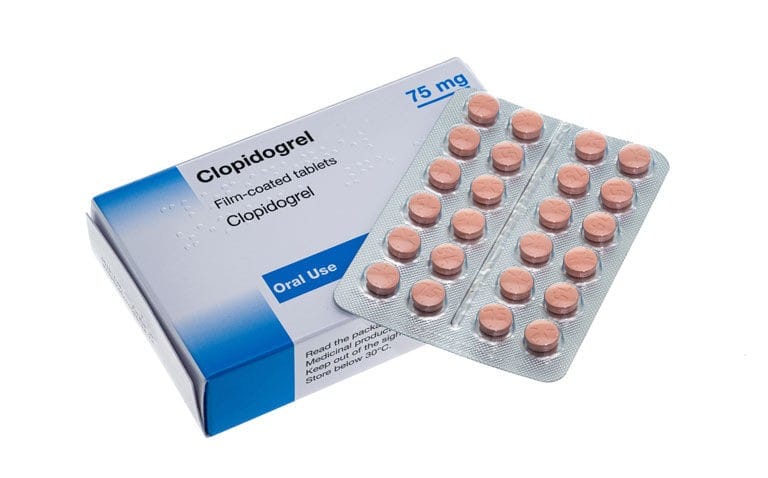
Clopidogrel
Buy Clopidogrel Online
Secure Encrypted Payments
Clopidogrel is an antiplatelet medicine used to help reduce the chance of harmful blood clots in people with certain heart and blood vessel conditions. It can be ordered through licensed pharmacy channels, with current price shown during checkout and available tablet strengths matched to the directions from your clinician. Clopidogrel tablets are commonly supplied as the generic for Plavix, including widely used 75 mg maintenance tablets when available.
Clopidogrel Price, Strengths, and Ordering
Many people take antiplatelet therapy for months or years, so the Clopidogrel price can matter as much as the medicine choice itself. During ordering, choose the strength and quantity shown for the product and make sure the label matches your clinician’s instructions. If your treatment plan specifies Clopidogrel 75 mg, Clopidogrel bisulfate 75 mg, or another tablet strength, follow that wording closely when placing the order.
Clopidogrel tablets are available in commonly published strengths, including 75 mg for routine maintenance use and 300 mg tablets used in some loading-dose situations under clinical direction. Do not select a loading strength unless your clinician has instructed it. The words “clopidogrel bisulfate tablet” refer to the salt form of the active ingredient; the strength on the label reflects the clopidogrel amount used for dosing.
BorderFreeHealth supports cash-pay ordering for U.S. patients using licensed pharmacy channels. Ships from Canada to US may apply to this medicine, with prompt, express shipping used as part of the handling process. For broader browsing within similar medicines, the Cardiovascular category can help you locate related heart and vascular treatments.
What Clopidogrel Treats
Clopidogrel is used to help prevent atherothrombotic events, meaning clot-related events caused by diseased arteries. Clinicians commonly use it after a recent heart attack, after an ischemic stroke, or in people with peripheral artery disease. It may also be used with low-dose aspirin after certain coronary procedures, such as stent placement, when a clinician decides dual antiplatelet therapy is appropriate.
This medicine is preventive, so you may not feel different after taking it. Its value comes from reducing platelet clumping over time when it is used consistently as directed. People with a history of heart attack, stroke, or peripheral artery disease often receive antiplatelet treatment as part of a broader vascular risk-reduction plan.
Clopidogrel is not used to treat an active heart attack or stroke at home without urgent medical care. Sudden chest pain, one-sided weakness, trouble speaking, severe headache, or sudden vision changes require emergency evaluation. Keep taking prevention medicines only as directed, and ask your clinician before stopping them for any reason.
How the Tablets Work
Clopidogrel helps stop platelets from sticking together. Platelets are small blood cells that help form clots after an injury, but in narrowed or damaged arteries they can contribute to dangerous blockages. Clopidogrel blocks the platelet P2Y12 ADP receptor, which lowers platelet activation and aggregation.
Because platelets remain affected for their lifespan, the antiplatelet effect continues beyond a single dose. That is why missed doses, sudden stopping, and timing around surgery matter. If you need dental work, surgery, injections, or another procedure, tell the treating clinician that you use an antiplatelet medicine.
Clopidogrel is often called a blood thinner in everyday language, but it is not an anticoagulant. Anticoagulants work on clotting proteins in the blood. Clopidogrel works on platelets, which makes it an antiplatelet medicine rather than a warfarin-like or direct oral anticoagulant.
Generic for Plavix and Brand Comparison
Clopidogrel is the active ingredient in Plavix. Generic clopidogrel and brand-name Plavix contain the same active drug, although inactive ingredients, appearance, manufacturer, and market labeling can differ. If your clinician or insurer requires a brand-specific product, Plavix may be considered instead.
For many patients, clopidogrel generic tablets provide a familiar long-term option in the P2Y12 inhibitor class. The practical choice usually depends on the diagnosis, bleeding risk, other medicines, tolerance, and whether a clinician wants clopidogrel, ticagrelor, prasugrel, aspirin, or another strategy. Country-specific labeling and brand availability may differ, but the product should be used according to the directions provided for you.
If you are comparing Plavix generic price, Plavix 75 mg price, and Clopidogrel 75 mg price, focus on the exact active ingredient, strength, quantity, and source pharmacy information shown at checkout. A lower out-of-pocket cost is only useful if it still matches the treatment plan and can be refilled consistently.
How to Take Clopidogrel Safely
Many adults are instructed to take clopidogrel once daily, with or without food. Some acute care settings use a loading dose before a maintenance dose, but that decision belongs to the treating clinician. Swallow tablets whole with water unless your clinician or pharmacist gives different instructions.
The best time to take clopidogrel is usually the time you can remember every day. It does not have to be taken at night unless your clinician recommends that schedule or it helps your routine. Taking it at the same time each day supports consistent platelet inhibition and reduces the chance of missed doses.
If you miss a dose, take it when you remember on the same day. If it is almost time for the next dose, skip the missed tablet and return to your usual schedule. Do not take two doses together to make up for one that was missed, because that can increase bleeding risk.
Quick tip: Keep a medication list that clearly says you take clopidogrel, especially before dental visits, procedures, or emergency care.
Side Effects, Warnings, and Monitoring
The main side effect of clopidogrel is bleeding. Mild bruising, nosebleeds, or bleeding gums can occur because the medicine reduces platelet activity. Some people also report stomach upset, diarrhea, abdominal pain, rash, or itching.
Serious bleeding can happen at any site in the body. Seek urgent care for black or bloody stools, vomiting blood, coughing blood, blood in the urine, fainting, severe headache, sudden weakness, confusion, or bleeding that does not stop. Rarely, clopidogrel has been associated with thrombotic thrombocytopenic purpura, a serious blood disorder that needs immediate medical attention.
People with active bleeding, such as gastrointestinal bleeding or bleeding in the brain, should not use clopidogrel unless a specialist specifically directs otherwise. Avoid it if you have had a serious allergic reaction to clopidogrel or any tablet component. Tell your clinician about liver disease, bleeding disorders, stomach ulcers, recent injury, planned surgery, or dental work.
Clopidogrel has an important pharmacogenetic consideration. Some people have reduced CYP2C19 enzyme function, which can make the body activate clopidogrel less effectively. A clinician may consider genetic testing or choose a different antiplatelet medicine when reduced response is a concern.
Drug Interactions and What to Avoid
Several medicines can raise bleeding risk when combined with clopidogrel. These include anticoagulants, other antiplatelet medicines, NSAIDs such as ibuprofen or naproxen, and some antidepressants in the SSRI or SNRI groups. Do not add over-the-counter pain relievers or supplements without asking a clinician or pharmacist whether they are suitable with antiplatelet therapy.
Some medicines can reduce clopidogrel activation. Omeprazole and esomeprazole are commonly discussed because they inhibit CYP2C19. If you need acid-reducing therapy, ask which option is appropriate with clopidogrel rather than switching on your own.
Herbal and nutrition products can also matter. Ginkgo, high-dose fish oil, and other products with possible bleeding effects may add risk. Alcohol can irritate the stomach and may worsen bleeding concerns in some people. Your safest approach is to keep one complete medication and supplement list and share it at every visit.
Storage, Travel, and Refills
Store Clopidogrel tablets at room temperature in a dry place, away from moisture and direct light. Keep them in the original, child-resistant container with the pharmacy label intact. Avoid bathroom storage because humidity can affect many tablets.
When traveling, carry clopidogrel in hand luggage along with your medication list. Pack enough tablets for the trip plus extra for delays, but keep labeling accessible. If you use a pill organizer, save the original container so clinicians can identify the medicine, strength, and directions if needed.
Long-term prevention therapy works best when refills do not lapse. Set reminders several days before you run out, especially if your supply comes through US delivery from Canada. If your clinician changes the dose, strength, or duration, update the next order so the new directions are reflected accurately.
Benefits and Everyday Expectations
Clopidogrel can lower the risk of new clot-related events in people for whom antiplatelet therapy is indicated. Once-daily dosing is simple for many routines, and generic availability may help people maintain therapy over time. The medicine may be used alone or together with low-dose aspirin, depending on the condition and the clinician’s plan.
Do not expect clopidogrel to relieve chest pain, leg pain, or stroke symptoms immediately. It is a prevention medicine, not a symptom reliever. The benefit is tied to steady use, risk-factor management, and follow-up for blood pressure, cholesterol, diabetes, smoking, exercise, and diet when those apply.
Some people worry when they see bruises after starting antiplatelet treatment. Small bruises can be expected, but unusual, severe, or unexplained bleeding should be assessed. Report new rashes, allergic symptoms, or any bleeding that disrupts daily life.
Related Heart and Vascular Options
Clopidogrel is one part of a larger cardiovascular treatment plan for many people. Cholesterol-lowering medicines, blood pressure treatment, smoking cessation, and diabetes care may all reduce vascular risk. The site’s cardiovascular articles provide additional patient education, while condition sections can help you understand why a clinician may choose antiplatelet therapy.
Brand-name Plavix contains clopidogrel and may be selected when a brand product is preferred. Anticoagulants such as Edoxaban treat different clotting conditions and are not interchangeable with clopidogrel without a clinician’s direction. For cholesterol management used alongside heart-risk reduction, medicines such as Rosuvastatin Calcium or Pravastatin Sodium may be relevant when prescribed.
Country-of-origin details may appear with a medicine’s attributes, including products associated with Canada. Use those details to understand sourcing, not to change how you take the medication. Strength, active ingredient, and clinical directions remain the key points for safe use.
Questions to Ask Your Clinician
- Is clopidogrel the right antiplatelet for my diagnosis?
- Should I take aspirin with it, and for how long?
- Which bleeding symptoms should prompt urgent care?
- Do my current medicines or supplements interact with clopidogrel?
- Should I avoid omeprazole, esomeprazole, NSAIDs, or alcohol?
- How should clopidogrel be managed before dental work or surgery?
- Would CYP2C19 genetic testing be useful for my situation?
- When should my antiplatelet plan be reassessed?
Authoritative Sources
| Source | Link |
|---|---|
| MedlinePlus Drug Information | Clopidogrel patient information |
| FDA Label Reference | Official clopidogrel label information |
Current Clopidogrel cost, tablet strength, and quantity details are shown during ordering. Match the strength to the directions from your clinician, plan refills early, and seek help promptly if bleeding or allergic symptoms occur.
This content is for informational purposes only and is not a substitute for professional medical advice.
Express Shipping - from $29.99
Shipping with this method takes 3-5 days
Prices:
- Dry-Packed Products $29.99
- Cold-Packed Products $39.99
Shipping Countries:
- United States (all contiguous states**)
- Worldwide (excludes some countries***)
Standard Shipping - $19.99
Shipping with this method takes 5-10 days
Prices:
- Dry-Packed Products $19.99
- Not available for Cold-Packed products
Shipping Countries:
- United States (all contiguous states**)
- Worldwide (excludes some countries***)
What is clopidogrel used for?
Clopidogrel is used to help prevent clot-related events in people with certain heart and blood vessel conditions, including prior heart attack, ischemic stroke, or peripheral artery disease. It may also be used with aspirin after some coronary procedures when a clinician recommends that plan.
What is the main side effect of clopidogrel?
The main side effect is bleeding. Mild bruising, nosebleeds, or bleeding gums can occur, but black stools, vomiting blood, severe headache, sudden weakness, or bleeding that will not stop need urgent medical attention.
Is clopidogrel a blood thinner or an anticoagulant?
Clopidogrel is often called a blood thinner, but it is technically an antiplatelet medicine. It reduces platelet clumping, while anticoagulants work on clotting proteins in the blood.
Why is clopidogrel sometimes taken at night?
Clopidogrel does not usually have to be taken at night. Many people take it at whatever time they can remember consistently each day, unless their clinician gives a specific schedule.
What should I avoid while taking clopidogrel?
Avoid adding NSAIDs, anticoagulants, other antiplatelet medicines, or supplements with bleeding effects unless a clinician says they are appropriate. Omeprazole and esomeprazole may reduce clopidogrel activation, so ask about safer acid-reducer choices if needed.
Rewards Program
Earn points on birthdays, product orders, reviews, friend referrals, and more! Enjoy your medication at unparalleled discounts while reaping rewards for every step you take with us.
You can read more about rewards here.
POINT VALUE
How to earn points
- 1Create an account and start earning.
- 2Earn points every time you shop or perform certain actions.
- 3Redeem points for exclusive discounts.
You Might Also Like
Select options
This product has multiple variants. The options may be chosen on the product page
Select options
This product has multiple variants. The options may be chosen on the product page
Select options
This product has multiple variants. The options may be chosen on the product page
Select options
This product has multiple variants. The options may be chosen on the product page