
Please note: a valid prescription is required for all prescription medication.
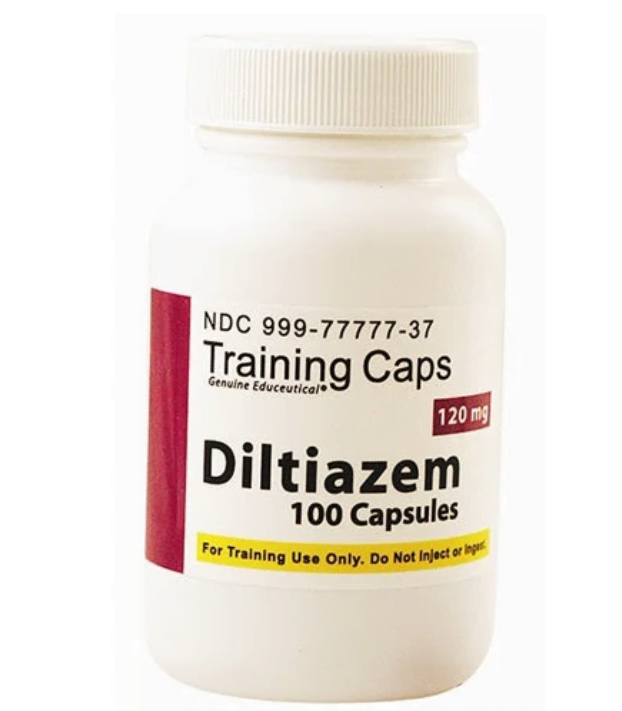
Diltiazem
Buy Diltiazem Online
Secure Encrypted Payments
Diltiazem is a calcium channel blocker used for high blood pressure, angina, and certain fast heart rhythms when a clinician decides it fits the treatment plan. It can be ordered with US delivery from Canada, and you can choose the dose or strength shown during ordering to match your clinician’s directions. Review the current Diltiazem price, form, and quantity before checkout so the order aligns with your ongoing therapy.
Diltiazem Price and Strength Selection
Diltiazem cost can vary by strength, supply size, formulation, and manufacturer. Immediate-release tablets and extended-release products are not interchangeable without clinical direction, even when the total daily milligrams look similar. During ordering, match the exact active ingredient, release type, strength, and dosing schedule to the instructions you already use.
Commonly discussed strengths include Diltiazem 30mg tablets, Diltiazem HCl 30mg, Cardizem 60 mg, Diltiazem 120 mg, Diltiazem ER 120 mg, Diltiazem CD 120 mg, Diltiazem 180 mg, Diltiazem ER 180 mg, Diltiazem CD 180 mg, Diltiazem CD 240 mg, Diltiazem 300 mg, and Diltiazem 360 mg. Names such as Cartia XT 120 mg, Dilt XR 180 mg, and Matzim LA 240 may refer to branded or release-specific products in some markets. The important step is to follow the exact release type and strength your clinician intended.
Canadian pricing may be helpful for people paying cash for long-term cardiovascular therapy. Compare supply sizes carefully, because a larger quantity can change the per-tablet or per-capsule math. Do not switch from an immediate-release schedule to an extended-release product, or from one long-acting form to another, unless your clinician confirms the change.
How to Order and Match Your Directions
Choose Diltiazem by the active ingredient, strength, and release type rather than by appearance. Tablets and capsules can look different between manufacturers, and brand names may vary by country. If your label includes letters such as CD, ER, XR, SR, LA, or XT, treat them as part of the product identity because they describe how the medicine releases over time.
Orders ship with prompt, express shipping. Keep the medicine name and strength consistent with your current directions, especially if you are refilling after a dose adjustment. If you are unsure whether your current medicine is immediate-release or extended-release, contact your healthcare professional before ordering.
Quick tip: Save a photo of your current pharmacy label so you can confirm the strength and release type before reordering.
What Diltiazem Treats
Diltiazem is used to treat high blood pressure and to help control chronic chest pain called angina. Clinicians also use it for rate control in certain supraventricular heart rhythms, including atrial fibrillation and supraventricular tachycardia, when it is appropriate for the patient’s heart history. For more background on related conditions, see hypertension, angina, atrial fibrillation, and supraventricular tachycardia.
High blood pressure usually has no obvious symptoms, so treatment goals often depend on home readings and office measurements. Angina may feel like chest pressure, tightness, or discomfort that appears with exertion or stress. Heart rhythm treatment is different: the goal may be to slow an overly fast rate so the heart can pump more efficiently.
Diltiazem does not treat every type of chest pain or every rhythm problem. New, severe, changing, or unexplained chest pain needs urgent medical attention. If your symptoms have changed since your last visit, ask your clinician whether your current heart medicine plan still fits.
How This Calcium Channel Blocker Works
Diltiazem is a non-dihydropyridine calcium channel blocker. In plain terms, it relaxes blood vessels and slows electrical conduction through part of the heart called the AV node. These effects can lower blood pressure, reduce the heart’s oxygen demand, and help control the speed of some abnormal rhythms.
Compared with dihydropyridine calcium channel blockers, diltiazem has more effect on heart rate and AV-node conduction. That difference matters when someone also takes beta-blockers, digoxin, or other medicines that can slow the pulse. Your clinician may monitor heart rate, blood pressure, symptoms, and sometimes electrocardiogram findings when therapy is started or changed.
The medicine works best when taken consistently. Blood pressure changes may develop gradually, while angina control depends on steady dosing and avoiding triggers when possible. Do not stop suddenly without clinical guidance, because symptoms may return or worsen in some people.
Immediate-Release and Extended-Release Forms
Immediate-release diltiazem is usually taken more than once daily. Extended-release products are designed to release medicine over a longer period and are often taken once daily, depending on the specific formulation. The same milligram number can behave differently when the release mechanism changes.
Swallow extended-release capsules or tablets whole unless your product instructions say otherwise. Do not crush, chew, or split a long-acting form without direction, because that can release too much medicine at once. Immediate-release tablets also should be taken exactly as directed, with consistent timing from day to day.
Some patients start with lower immediate-release strengths such as 30 mg, while others use extended-release strengths such as 120 mg, 180 mg, 240 mg, 300 mg, or 360 mg. These examples are not dose recommendations. The right choice depends on your condition, response, other heart medicines, liver function, age, and side-effect tolerance.
How to Take It Day to Day
Take diltiazem at the same time or times each day. You may be able to take it with or without food, depending on the formulation, but consistency helps reduce day-to-day variation. Swallow with water and follow the directions on your current medicine label.
If you miss a dose, follow the missed-dose instructions provided with your medicine or ask a healthcare professional. A common safety principle is not to double doses to make up for one that was missed. Doubling can raise the risk of dizziness, slow pulse, low blood pressure, or fainting.
A home blood pressure cuff and pulse log can help your clinician judge whether therapy is working and tolerated. Record readings at similar times and note symptoms such as dizziness, swelling, fatigue, palpitations, or chest discomfort. Bring the log to appointments rather than changing the dose yourself.
Storage, Travel, and Handling
Store diltiazem at room temperature in a dry place, away from bathroom moisture, heat, and direct sunlight. Keep it in the original container with the label intact. Protect all heart medicines from children and pets, even if the container has a child-resistant cap.
When traveling, carry diltiazem in hand luggage rather than a checked bag. Keep enough medicine with you for delays, and bring a copy of your current medication list. If your trip crosses time zones, ask your clinician how to maintain consistent dose spacing, especially with immediate-release schedules.
Do not store tablets or capsules in a car glovebox, near a window, or in a pill organizer for long periods if heat or humidity is likely. If capsules or tablets look damaged, wet, swollen, or discolored, ask a pharmacist or clinician what to do before taking them.
Side Effects, Warnings, and Monitoring
Common diltiazem side effects can include headache, dizziness, flushing, tiredness, nausea, constipation, and swelling of the ankles or feet. These effects may be more noticeable when treatment starts or after a dose change. Stand up slowly until you know how the medicine affects you.
More serious problems need prompt attention. Call a healthcare professional urgently if you develop fainting, a very slow pulse, severe dizziness, shortness of breath, worsening swelling, unusual fatigue, or signs of liver problems such as dark urine, yellowing skin, or persistent upper abdominal pain. Seek emergency help for chest pain that is new, severe, or different from your usual pattern.
Diltiazem may not be appropriate for people with certain conduction disorders, such as sick sinus syndrome or second- or third-degree AV block, unless they have a functioning pacemaker. It can also be unsafe in severe low blood pressure or some forms of heart failure. Tell your clinician about past fainting, heart block, low pulse, liver disease, and any recent hospital care for heart symptoms.
Important interactions include beta-blockers, digoxin, certain statins, cyclosporine, carbamazepine, some antifungals, macrolide antibiotics, HIV medicines, and other drugs affected by CYP3A4 metabolism. Grapefruit or grapefruit juice can raise diltiazem levels in some people and may increase side effects. Alcohol can add to blood-pressure lowering and dizziness.
People with diabetes may need extra monitoring if dizziness, weakness, or unusual symptoms occur, because heart medicines and diabetes medicines can make symptom interpretation harder. Diltiazem itself is not a diabetes treatment, but your overall medication plan may need coordinated monitoring. Report any new medicines, supplements, or herbal products before combining them with this therapy.
How Long People May Stay on Therapy
Many people use diltiazem long term when it controls blood pressure, angina, or heart rate without troublesome side effects. Length of treatment depends on the condition being treated, response, tolerability, and changes in other health issues. Regular follow-up helps confirm that the medicine still fits your goals.
Long-term use usually involves monitoring blood pressure, pulse, symptoms, and side effects. Some people also need periodic liver function checks or electrocardiograms, depending on their health history and other medicines. If swelling, constipation, fatigue, or low pulse becomes a problem, your clinician may adjust the plan.
Diltiazem is not usually described as a high-risk drug for everyone, but it can become risky in the wrong patient or in the wrong combination. The main concerns are low blood pressure, slow heart rate, heart block, worsening heart failure, and drug interactions. Safe use depends on matching the medicine to your heart condition and monitoring response over time.
Related Cardiovascular Choices
Other heart medicines may be considered when diltiazem is not the best fit. Some calcium channel blockers mainly relax blood vessels and have less direct effect on heart rate. Others, such as verapamil, share some rate-slowing properties and require similar caution with conduction problems and interacting medicines.
For people treated mainly for blood pressure, long-acting dihydropyridine calcium channel blockers may be discussed. For rhythm or rate-control needs, beta-blockers or other heart medicines may be considered based on pulse, blood pressure, heart function, and other diagnoses. Browse related therapies in the cardiovascular category if you and your clinician are reviewing medication names.
Condition education can also help you recognize why one medicine is chosen over another. The cardiovascular articles section covers broader heart-health topics, while the Canada-origin products section may help shoppers who want to understand sourcing attributes shown across the store.
Questions to Discuss With Your Clinician
- Is my diltiazem immediate-release or extended-release?
- What heart rate range should prompt a call?
- How often should I measure blood pressure at home?
- Should I avoid grapefruit completely with my formulation?
- Could any of my other medicines raise diltiazem levels?
- What side effects should I report right away?
- Is my current dose still appropriate after recent health changes?
Authoritative Sources
For detailed medical information, consult official labeling and established drug references:
- Official Cardizem tablet prescribing information
- MedlinePlus diltiazem drug information
- Mayo Clinic diltiazem oral route information
This content is for informational purposes only and is not a substitute for professional medical advice.
Blood Pressure Average Calculator
Average home blood pressure readings and show a simple screening range.
Average BP
-
entered readings only
Range
-
screening category
These calculations are for education only and do not replace clinical advice, diagnosis, or treatment. Always confirm medical decisions with a qualified healthcare professional.
Mean Arterial Pressure Calculator
Calculate estimated mean arterial pressure from systolic and diastolic blood pressure.
MAP
-
DBP + one-third pulse pressure
These calculations are for education only and do not replace clinical advice, diagnosis, or treatment. Always confirm medical decisions with a qualified healthcare professional.
Pulse Pressure Calculator
Calculate pulse pressure from systolic and diastolic blood pressure.
Pulse pressure
-
SBP - DBP
These calculations are for education only and do not replace clinical advice, diagnosis, or treatment. Always confirm medical decisions with a qualified healthcare professional.
Target Heart Rate Calculator
Estimate exercise heart-rate zones using age, resting heart rate, and the Karvonen method.
Max HR estimate
-
220 - age
Target zone
-
Karvonen method
These calculations are for education only and do not replace clinical advice, diagnosis, or treatment. Always confirm medical decisions with a qualified healthcare professional.
QTc Calculator
Calculate corrected QT interval from measured QT and heart rate.
QTc
-
milliseconds
RR interval
-
seconds
These calculations are for education only and do not replace clinical advice, diagnosis, or treatment. Always confirm medical decisions with a qualified healthcare professional.
Express Shipping - from $29.99
Shipping with this method takes 3-5 days
Prices:
- Dry-Packed Products $29.99
- Cold-Packed Products $39.99
Shipping Countries:
- United States (all contiguous states**)
- Worldwide (excludes some countries***)
Standard Shipping - $19.99
Shipping with this method takes 5-10 days
Prices:
- Dry-Packed Products $19.99
- Not available for Cold-Packed products
Shipping Countries:
- United States (all contiguous states**)
- Worldwide (excludes some countries***)
What is Diltiazem most commonly used for?
Diltiazem is commonly used for high blood pressure and chronic angina. Clinicians also use it for rate control in certain fast heart rhythms, including some supraventricular tachycardias and atrial fibrillation, when it is appropriate for the person’s heart history.
What are the bad side effects of Diltiazem?
Serious side effects can include very slow heart rate, fainting, severe low blood pressure, worsening heart failure, heart block, and liver-related symptoms such as dark urine or yellowing skin. Common side effects include dizziness, headache, flushing, constipation, fatigue, and ankle or foot swelling.
How long can you stay on Diltiazem?
Some people stay on diltiazem long term when it remains effective and well tolerated. The duration depends on the condition being treated, blood pressure or heart-rate response, side effects, and changes in other medicines or heart health.
Is Diltiazem a high-risk drug?
Diltiazem is not high risk for every patient, but it requires caution in people with low blood pressure, certain heart conduction problems, slow pulse, some forms of heart failure, or interacting medicines. Monitoring pulse, blood pressure, and symptoms helps reduce risk.
Can Diltiazem ER, CD, XR, LA, and immediate-release products be switched?
Do not switch between release types unless a clinician confirms the change. ER, CD, XR, LA, XT, and immediate-release products can release medicine differently, so the same milligram strength may not produce the same day-to-day effect.
Rewards Program
Earn points on birthdays, product orders, reviews, friend referrals, and more! Enjoy your medication at unparalleled discounts while reaping rewards for every step you take with us.
You can read more about rewards here.
POINT VALUE
How to earn points
- 1Create an account and start earning.
- 2Earn points every time you shop or perform certain actions.
- 3Redeem points for exclusive discounts.
You Might Also Like
Select options
This product has multiple variants. The options may be chosen on the product page
Select options
This product has multiple variants. The options may be chosen on the product page
Select options
This product has multiple variants. The options may be chosen on the product page
Select options
This product has multiple variants. The options may be chosen on the product page