
Please note: a valid prescription is required for all prescription medication.
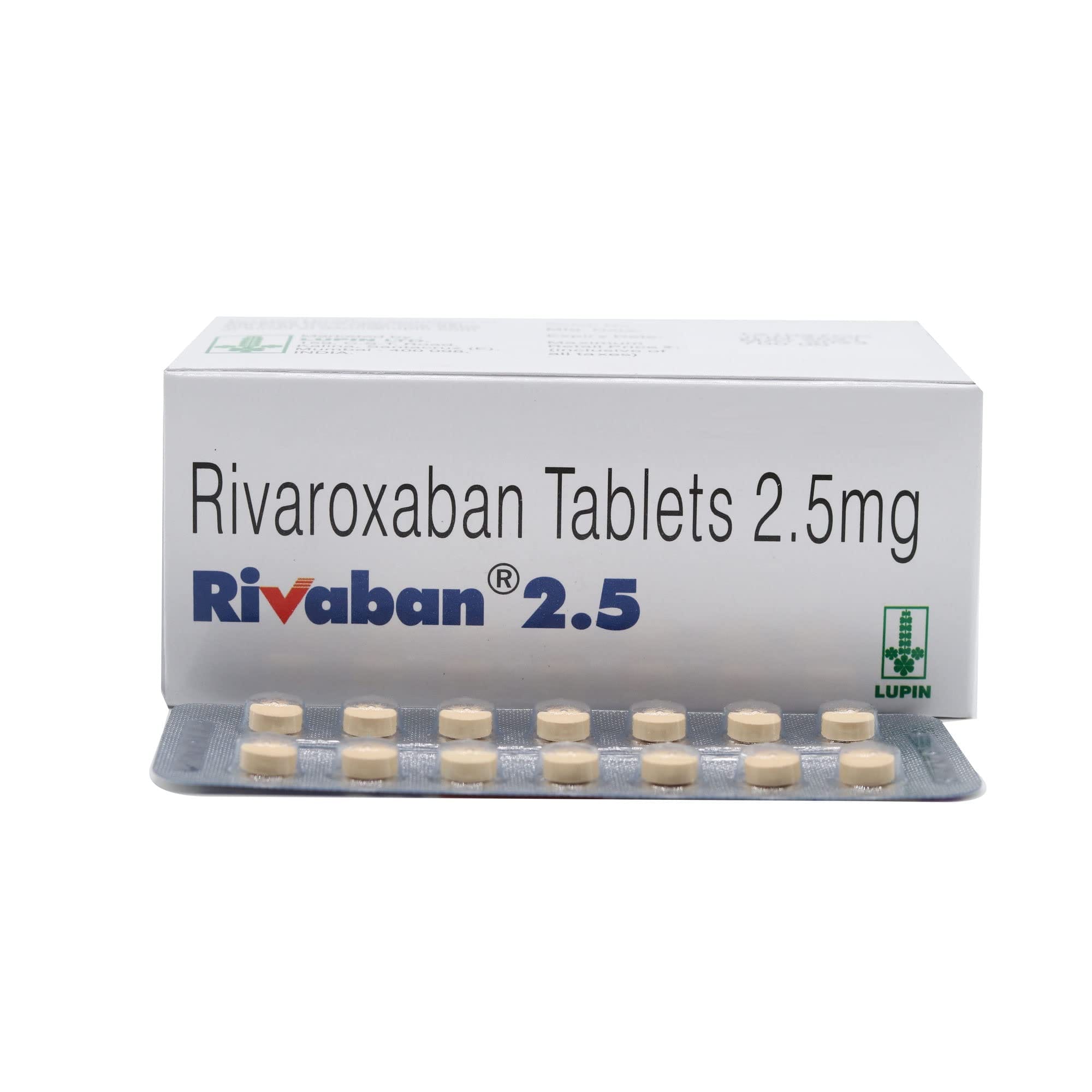
Rivaban
Buy Rivaban Online
Secure Encrypted Payments
Rivaban is an oral anticoagulant tablet containing rivaroxaban, a medicine used in care plans that prevent or treat harmful blood clots. Rivaban can be bought online, with current price, strength, and quantity choices shown during ordering. Choose the Rivaban dose or strength available for the product and match it carefully to the directions from your clinician.
Rivaroxaban is often called a blood thinner, although it does not actually make blood thin. It reduces clot formation by blocking factor Xa, a clotting protein involved in thrombin generation. That action can protect against dangerous clots, but it also means bleeding precautions matter every time the medicine is used.
Rivaban Price, Strength, and Quantity Choices
Rivaban price depends on the strength and quantity chosen during ordering. A Rivaban 10 mg price may not reflect the same supply length as a Rivaban 15 mg price or a different tablet count. Use the medication name, mg strength, form, and quantity together before judging the final amount.
Common Rivaban strength searches include Rivaban 2.5 mg, Rivaban 5 mg, Rivaban 10 mg, Rivaban 15 mg, and Rivaban 20 mg. These strengths should not be treated as interchangeable. Anticoagulant dosing is selected for a specific reason, and changing the mg amount can change both clot protection and bleeding risk.
A Rivaban 10 tablet search can also mean something different from Rivaban 10 mg. The first may refer to a tablet count in some markets, while the second describes the amount of active ingredient in each tablet. When choosing a supply, read the strength and quantity as separate details.
| Detail to match | How it helps |
|---|---|
| Product name | Confirms you are choosing Rivaban rather than a different anticoagulant. |
| Strength | Matches the mg amount to your clinician’s directions. |
| Form | Rivaban is supplied as an oral tablet. |
| Quantity | Shows how many tablets are included in the order. |
| Directions | Clarifies timing and whether food instructions apply. |
Quick tip: Match strength and quantity first, then evaluate the final price.
How to Buy Rivaban Online
To buy Rivaban online, choose the tablet strength and quantity that match your current directions. Keep the medication name and dose clear during checkout, especially if your regimen recently changed. We may review order details when clarification is needed, and products are supplied through licensed pharmacies.
BorderFreeHealth offers cash-pay, cross-border medication access for U.S. customers, including US delivery from Canada for qualifying orders. If prompt, express shipping is shown during checkout, choose the handling method that fits your timing needs. Keep the original package after arrival so the label, lot details, and tablet identification remain available.
- Choose the exact mg strength you were told to use.
- Confirm the total tablet count before checkout.
- Keep your current medication directions nearby.
- Do not substitute one strength for another without clinical direction.
What Rivaban Tablets Are Used For
Rivaban contains rivaroxaban, a direct oral anticoagulant. Rivaroxaban products are commonly used in clot-related care plans, including treatment or prevention of deep vein thrombosis and pulmonary embolism. They may also be used to reduce stroke risk in certain people with atrial fibrillation.
Some lower-dose rivaroxaban regimens are used with other cardiovascular medicines in selected heart or circulation conditions. The use depends on the diagnosis, kidney function, bleeding risk, other medicines, and the schedule chosen by the treating clinician. Rivaban tablet uses should therefore be understood through the exact strength and directions, not the product name alone.
Questions such as Rivaban 10 uses, Rivaban 15 mg uses, Rivaban 20 mg uses, or Rivaban 2.5 uses have different answers depending on the care plan. One strength may be used during a treatment phase, another during maintenance, and another as part of a cardiovascular regimen. If a heart event or clot-prevention plan has been discussed, the Acute Coronary Syndrome collection can help organize related cardiovascular topics.
For broader browsing across medicines used in heart and circulation care, the Cardiovascular category groups related therapies. Category browsing can be useful when a clinician has mentioned more than one medicine class, but anticoagulants should not be swapped with blood pressure, cholesterol, or antiplatelet medicines without professional direction.
Active Ingredient and How It Works
Rivaroxaban blocks factor Xa, a protein that helps the body generate thrombin and build clots. By reducing factor Xa activity, the medicine lowers the chance that harmful clots will form or grow. This mechanism is different from warfarin, which affects vitamin K-dependent clotting factors and requires INR monitoring for dose management.
Rivaban and Xarelto are both associated with rivaroxaban, but product names, manufacturers, market approvals, and available strengths can differ by country. Use the name and strength shown on your own medicine container when asking questions. Ingredient names help with understanding, but the actual tablet strength and directions guide safe use.
Rivaroxaban is not aspirin. Aspirin works mainly on platelets, while rivaroxaban works in the clotting cascade. Neither medicine should replace the other unless a clinician gives a clear plan, because the intended uses and bleeding risks are not the same.
Strengths, Tablet Details, and Food Instructions
Rivaban tablets may be searched as Rivaban 2.5, Rivaban 5, Rivaban 10, Rivaban 15, or Rivaban 20. Read the complete strength in mg on the order and medicine label. A small numerical difference can matter because anticoagulants are chosen according to a patient’s condition and risk profile.
Tablet appearance can vary by manufacturer, country, supplier, or lot. A refill that looks different is not automatically wrong, but it deserves attention. Compare the name, strength, imprint, and label directions before taking tablets from a new supply.
Food instructions are important with rivaroxaban. Some regimens are taken with food, while other schedules may have different instructions. Follow the directions on your medicine label and ask a pharmacist if timing or meal instructions are unclear.
Do not split, crush, or alter tablets unless your clinician or pharmacist confirms that doing so is appropriate for your specific medicine and plan. Leftover tablets from an older regimen should be separated from the current supply until you know whether they should be kept or discarded.
Dosing Basics and Missed Dose Questions
Rivaban dosing is individualized by condition. Some clot-treatment plans use a short initial phase before changing to a maintenance schedule. Other regimens use lower-dose rivaroxaban with additional cardiovascular treatment. The safest reference is the label that came with your medicine and the written directions from your clinician.
If you miss a dose, do not guess or double up without guidance. Rivaroxaban missed-dose instructions can differ by strength and schedule. A pharmacist can help interpret the patient leaflet for the exact tablet strength, timing, and indication.
Dental work, surgery, invasive procedures, vomiting, swallowing problems, or a recent fall can change the practical plan. Raise these questions early so your treating clinician can decide whether any hold-and-restart instructions are needed. Too much anticoagulant can increase bleeding, while too little can reduce clot protection.
- Take doses consistently at the instructed time.
- Follow any food directions on the label.
- Ask before correcting a missed dose.
- Tell medical and dental teams you take an anticoagulant.
Storage, Handling, and Travel
Store anticoagulant tablets at controlled room temperature unless your medicine label says otherwise. Keep tablets away from excess heat and moisture. Bathrooms, window ledges, and parked cars are poor storage spots because humidity and temperature swings can affect tablets.
Travel is safer when Rivaban stays in its original container. The label helps airport, border, pharmacy, or medical staff identify the medicine if questions arise. Carry doses in a personal bag instead of checked luggage so delays do not interrupt the schedule.
If you use a pill organizer, fill it carefully and keep the original package nearby. Anticoagulant tablets can look similar to other medicines, and mix-ups can be serious. A current medication list on your phone or in your wallet helps emergency clinicians recognize that you take a blood thinner.
Why it matters: Missed doses and accidental extra doses can both create avoidable risk.
Side Effects, Warnings, and Monitoring
The most important Rivaban safety issue is bleeding. Minor nosebleeds, easier bruising, bleeding gums, or heavier menstrual bleeding may occur. Some people may also notice stomach discomfort, especially if the regimen has food instructions that are not followed.
Serious bleeding needs urgent medical attention. Warning signs can include vomiting blood, coughing up blood, red or dark-brown urine, black or tar-like stools, severe headache, fainting, sudden weakness, unusual swelling, or unexplained pain. Falls and head injuries are especially important because internal bleeding may not be obvious right away.
Rivaroxaban may not be suitable for people with active major bleeding. Extra caution is commonly needed with severe kidney disease, significant liver disease, recent major bleeding, certain brain bleeds, pregnancy, breastfeeding, or mechanical heart valves. These factors should be weighed by a healthcare professional against the danger of clotting.
Routine INR testing is not used for rivaroxaban the same way it is for warfarin, but monitoring still matters. Kidney function, liver function, bleeding symptoms, procedure plans, and medication changes can affect safe use. Keep all treating clinicians aware that you take an anticoagulant.
Interactions and Everyday Precautions
Rivaban can interact with medicines that increase bleeding risk. Examples include other anticoagulants, antiplatelet drugs, aspirin-containing products, and nonsteroidal anti-inflammatory drugs such as ibuprofen or naproxen. Some antidepressants, including SSRIs and SNRIs, may also increase bleeding tendency.
Other interactions can change rivaroxaban levels in the body. Strong CYP3A4 or P-gp inhibitors may increase exposure, while strong inducers may reduce effect. Medicines and products that may need special review include certain azole antifungals, some HIV medicines, rifampin, carbamazepine, phenytoin, and St. John’s wort.
Alcohol, contact sports, sharp tools, and frequent falls deserve extra caution because they can worsen bleeding risk or injury consequences. Ask a healthcare professional before starting new supplements, herbal products, or over-the-counter pain relievers. Sudden bruising or bleeding changes after a new medicine should prompt a full medication review.
- Avoid unsupervised NSAID use.
- Report herbal supplements and vitamins.
- Tell clinicians about new prescriptions.
- Seek help for unusual or severe bleeding.
Food, Lifestyle, and Common Patient Questions
Rivaroxaban does not have the same vitamin K food restrictions as warfarin. Leafy greens are not automatically prohibited for that reason. Still, large diet changes, alcohol changes, crash dieting, or new supplement routines can affect overall safety and should be discussed with a healthcare professional.
People often ask whether a blood thinner makes them feel different. Many do not feel a direct effect from rivaroxaban, even when it is working. The absence of a noticeable feeling does not mean the medicine is unnecessary, and side effects should not be ignored when they occur.
Another common question is whether rivaroxaban causes weight change. Weight change is not the main expected effect of this anticoagulant. Unexplained swelling, shortness of breath, sudden pain, or signs of bleeding should be evaluated rather than assumed to be a normal medication effect.
Compare With Related Cardiovascular Options
The best anticoagulant depends on the medical condition, kidney function, bleeding risk, dosing preference, interacting medicines, and whether lab monitoring is acceptable. Warfarin has a long history of use and requires INR checks. Direct oral anticoagulants such as rivaroxaban and apixaban have different dosing schedules, kidney considerations, food instructions, and reversal planning.
If a clinician has discussed apixaban as a separate anticoagulant option, Cadiquis may be relevant to review by name and active-ingredient class. Dipyridamole products such as Persantine Ampoules are different cardiovascular medicines and should not be treated as substitutes for rivaroxaban.
For a plain-language discussion of several heart-related medicines, Heart Medications covers common therapy types that may appear in cardiovascular care plans. The Cardiovascular Guides collection can also help separate anticoagulants from cholesterol, blood pressure, and antiplatelet treatments.
Authoritative Sources
Medication-specific safety information should come from official labeling and trusted clinical drug references. These sources can clarify approved uses, contraindications, serious bleeding warnings, missed-dose instructions, and interaction concerns.
Patient-focused rivaroxaban information is available from MedlinePlus Rivaroxaban Drug Information.
Mayo Clinic provides a clinical overview at Rivaroxaban Oral Route Details.
This content is for informational purposes only and is not a substitute for professional medical advice.
Express Shipping - from $29.99
Shipping with this method takes 3-5 days
Prices:
- Dry-Packed Products $29.99
- Cold-Packed Products $39.99
Shipping Countries:
- United States (all contiguous states**)
- Worldwide (excludes some countries***)
Standard Shipping - $19.99
Shipping with this method takes 5-10 days
Prices:
- Dry-Packed Products $19.99
- Not available for Cold-Packed products
Shipping Countries:
- United States (all contiguous states**)
- Worldwide (excludes some countries***)
What is Rivaban used for?
Rivaban contains rivaroxaban, an anticoagulant used in care plans for preventing or treating harmful blood clots. Rivaroxaban products are commonly used for conditions such as deep vein thrombosis, pulmonary embolism, and stroke-risk reduction in certain people with atrial fibrillation.
Are Rivaban 10 mg, 15 mg, and 20 mg tablets interchangeable?
No. Rivaban strengths should not be swapped unless a clinician gives clear instructions. The correct strength depends on the diagnosis, treatment phase, kidney function, bleeding risk, and other medicines in the care plan.
Why does Rivaban price vary by strength or quantity?
Rivaban price can change with the tablet strength and total quantity chosen during ordering. Compare the product name, mg strength, form, and tablet count together before judging the final amount.
What are the main side effects of Rivaban?
Bleeding is the main safety concern. Easier bruising, nosebleeds, bleeding gums, or heavier menstrual bleeding may occur. Urgent help is needed for signs such as vomiting blood, black stools, severe headache, fainting, sudden weakness, or bleeding after a fall or head injury.
Does Rivaban require INR monitoring like warfarin?
Rivaroxaban is not monitored with routine INR testing in the same way as warfarin. Monitoring still matters, including kidney function, liver function, bleeding symptoms, procedure plans, and medication changes.
Can I take ibuprofen or aspirin with Rivaban?
Do not combine Rivaban with aspirin, ibuprofen, naproxen, other anticoagulants, or antiplatelet medicines unless a healthcare professional confirms it is appropriate. These products can increase bleeding risk.
How should Rivaban tablets be stored?
Keep Rivaban in its original container at controlled room temperature unless the label says otherwise. Protect tablets from excess heat and moisture, and carry them with you during travel rather than placing them in checked luggage.
Rewards Program
Earn points on birthdays, product orders, reviews, friend referrals, and more! Enjoy your medication at unparalleled discounts while reaping rewards for every step you take with us.
You can read more about rewards here.
POINT VALUE
How to earn points
- 1Create an account and start earning.
- 2Earn points every time you shop or perform certain actions.
- 3Redeem points for exclusive discounts.
You Might Also Like
Select options
This product has multiple variants. The options may be chosen on the product page
Select options
This product has multiple variants. The options may be chosen on the product page
Select options
This product has multiple variants. The options may be chosen on the product page
Select options
This product has multiple variants. The options may be chosen on the product page