
Please note: a valid prescription is required for all prescription medication.
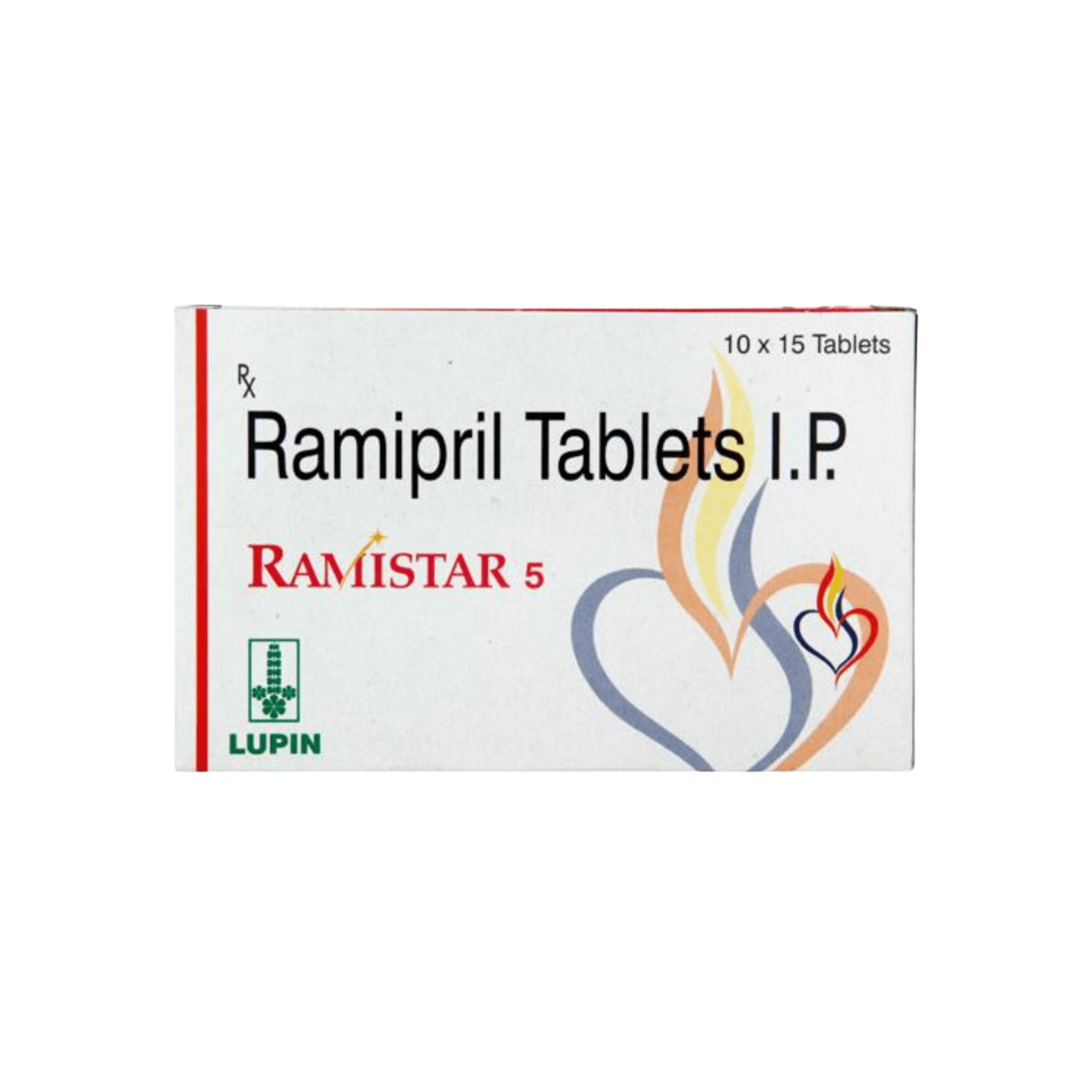
Ramistar
Buy Ramistar Online
Secure Encrypted Payments
Ramistar contains ramipril, an angiotensin-converting enzyme inhibitor used for blood pressure control and heart protection. It can be bought online with U.S. delivery from Canada, and you can choose the dose or strength shown during ordering to match your clinician’s directions. Current Ramistar price details and quantity choices appear during checkout so you can plan ongoing treatment costs.
Ramistar Price, Strengths, and Ordering Details
Ramistar price can vary by strength, quantity, manufacturer, and supply source. During ordering, match the strength on your medication instructions with the strength displayed for the product, then review the total before payment. This is especially useful if you are paying cash, comparing Ramipril price without insurance, or planning refills for a long-term cardiovascular medicine.
Commonly referenced ramipril strengths include 1.25 mg, 2.5 mg, 5 mg, and 10 mg tablets, although displayed choices can change with supply. Do not choose a higher or lower strength to reduce cost unless your clinician has told you exactly how to use it. ACE inhibitors are often adjusted gradually, so the strength that fits today may not be the same strength used after future blood pressure or lab review.
Quick tip: Keep the medication name, strength, and directions in front of you while ordering so the selected strength matches your treatment plan.
What Ramistar Is Used For
Ramistar is used to manage high blood pressure, also called hypertension. Lowering blood pressure helps reduce strain on blood vessels, the heart, kidneys, and brain over time. Many people use ramipril as part of a broader plan that may include diet changes, activity, weight management, reduced sodium intake, and other medicines.
Ramipril may also be used in selected patients for heart-related risk reduction, heart failure management, or care after a heart attack, depending on clinical history and local labeling. It is not a blood thinner. It lowers blood pressure by affecting hormones that tighten blood vessels; it does not directly prevent clotting like anticoagulant or antiplatelet medicines.
For condition background, see our information on hypertension and heart failure. People with diabetes or kidney concerns may also discuss kidney-protective treatment goals with a clinician; our diabetic kidney disease section explains that condition in broader terms.
How Ramipril Works in the Body
Ramipril belongs to the ACE inhibitor class. ACE stands for angiotensin-converting enzyme, a body enzyme involved in making angiotensin II, a substance that narrows blood vessels. By reducing angiotensin II production, ramipril helps blood vessels relax, which can lower blood pressure and reduce cardiac workload.
This mechanism also affects aldosterone, a hormone that influences salt, water, and potassium balance. That is why clinicians often monitor kidney function and potassium during treatment. The same pathway that helps blood pressure can also cause predictable cautions, including dizziness, high potassium, and kidney function changes in susceptible patients.
Ramipril is sometimes used alone and sometimes with medicines from other classes. Combination decisions depend on blood pressure readings, kidney function, potassium levels, fluid status, age, and other diagnoses. If your treatment plan includes several cardiovascular medicines, keep an updated list so each clinician can screen for overlapping effects.
Dosage and Daily Use Basics
Take Ramistar exactly as directed by your clinician. Many patients take ramipril once daily, while some may be instructed to take it twice daily based on response and tolerability. Taking it at the same time each day can make the routine easier and helps your healthcare team interpret blood pressure trends.
Swallow tablets with water. If dizziness occurs after starting therapy or after a dose increase, sit or lie down until it passes and contact your clinician if symptoms are severe, persistent, or associated with fainting. People also taking diuretics may need extra caution because fluid loss can increase the chance of low blood pressure.
If you miss a dose, take it when remembered unless it is close to the next scheduled dose. If the next dose is near, skip the missed dose and return to the regular schedule. Do not double doses to make up for one that was missed.
Is Ramistar 1.25 mg, 2.5 mg, 5 mg, or 10 mg Used Differently?
Different strengths support individualized dosing, not different active ingredients. Ramistar 1.25 mg tablets, Ramistar 2.5 mg tablets, Ramistar 5 mg tablets, and Ramistar 10 mg tablets all refer to ramipril at different amounts per tablet when those strengths are available. A lower strength may be used when starting, restarting, or adjusting therapy, while higher strengths may be used when the clinician decides they are appropriate.
Strength choice should reflect your written directions and monitoring plan. Blood pressure medicines are often adjusted after home readings, office readings, symptoms, kidney function results, and electrolyte results are reviewed. Cutting, combining, or alternating strengths without clear instructions can create dosing errors.
Some similarly named products may contain additional active ingredients or belong to combination regimens. Names such as Ramistar H5, Ramistar A, or Ramistar AM can indicate different formulations in some markets. Confirm the active ingredient list before assuming they are interchangeable with Ramistar ramipril tablets.
Benefits You May Notice Over Time
The main treatment goal is controlled blood pressure and reduced cardiovascular strain. Some people see blood pressure improve within days to weeks, but full evaluation often requires consistent use and follow-up readings. Benefits are usually judged by measurements and long-term risk reduction, not by feeling different day to day.
People with high blood pressure may feel no symptoms before treatment, which makes adherence important. Stopping suddenly or skipping doses can allow blood pressure to rise again. If cough, dizziness, or other side effects interfere with use, ask about alternatives rather than stopping on your own.
Why it matters: Blood pressure control works best when dosing, home readings, lab monitoring, and refill timing stay aligned.
Side Effects, Warnings, and Monitoring
Common side effects can include cough, dizziness, lightheadedness, headache, fatigue, nausea, or stomach discomfort. Dizziness is more likely when starting, after dose changes, during dehydration, or when combined with medicines that also lower blood pressure. A dry, persistent cough is a known ACE inhibitor effect and may require a treatment change if it becomes troublesome.
Serious but less common risks include angioedema, high potassium, kidney function changes, and severe low blood pressure. Angioedema means swelling under the skin, often affecting the face, lips, tongue, throat, or airway. Seek urgent care for swelling, trouble breathing, or trouble swallowing.
Ramipril should not be used during pregnancy because ACE inhibitors can harm the developing fetus. People with a history of ACE inhibitor-related angioedema should avoid ramipril unless a specialist has clearly addressed the risk. Extra caution is also important in bilateral renal artery stenosis, significant kidney disease, dehydration, or potassium problems.
Monitoring commonly includes blood pressure, kidney function tests, and electrolytes such as potassium. Your clinician may order labs after starting or changing the dose, then periodically during long-term use. Report fainting, severe weakness, swelling, reduced urination, symptoms of high potassium, or persistent vomiting or diarrhea.
Drug Interactions and Practical Cautions
Tell your healthcare team about all medicines, vitamins, minerals, and herbal products you use. Potassium supplements, salt substitutes containing potassium, potassium-sparing diuretics, ARBs, and aliskiren can raise potassium when combined with ACE inhibitors. Some combinations may be avoided or monitored closely, especially in people with diabetes or kidney disease.
NSAID pain relievers such as ibuprofen or naproxen may reduce the blood-pressure effect and can stress kidney function, particularly during dehydration or in older adults. Lithium levels may rise when used with ACE inhibitors, increasing toxicity risk. Combining ramipril with neprilysin inhibitors requires careful timing because of angioedema risk.
Alcohol can worsen dizziness or lightheadedness. Hot weather, heavy sweating, vomiting, diarrhea, or poor fluid intake can make low blood pressure more likely. Ask what to do during acute illness, especially if you have kidney disease or take diuretics.
Storage, Travel, and Refills
Store tablets at room temperature in a dry place, away from moisture, heat, and direct light. Keep the container tightly closed and out of reach of children and pets. Do not store tablets in a bathroom medicine cabinet if humidity is high.
For travel, keep Ramistar in its original container when possible. Carry enough supply for the trip plus extra in case plans change. If you use a pill organizer, fill it carefully from the labeled container so the strength remains easy to confirm.
Plan refills before your supply runs low. Blood pressure medicines are most effective when taken consistently, and refill gaps can interrupt control. Ramistar ships from Canada to US with prompt, express shipping; allow practical time for processing, pharmacy handling, and transit.
Comparing Ramistar With Related Heart Medicines
Ramistar is an ACE inhibitor, while other cardiovascular medicines may work through different pathways. Some patients need a diuretic, calcium channel blocker, beta blocker, ARB, or combination therapy to reach blood pressure goals. The right choice depends on other conditions, side effects, lab results, and response to prior medicines.
If your clinician recommends a ramipril and diuretic combination, Ramistar-H may be discussed as a related option in appropriate patients. Fluid overload or certain heart failure situations may involve a loop diuretic such as furosemide, sold as Lasix, under clinician direction. Combination products are not automatic substitutes; they change the active ingredients and monitoring needs.
To browse related therapies and condition categories, visit our cardiovascular medicines section or the cardiovascular articles category. Some packs may be sourced through licensed channels from countries such as India, and appearance or packaging can differ by manufacturer.
Questions to Discuss With Your Clinician
- What blood pressure goal should I use for home readings?
- Which Ramistar strength matches my current directions?
- When should kidney function and potassium be checked?
- What symptoms should prompt urgent care or a same-day call?
- Should I avoid potassium salt substitutes or specific supplements?
- How should I handle vomiting, diarrhea, heavy sweating, or dehydration?
- Could a combination medicine simplify my routine, or would it add risk?
Authoritative Safety References
For medical decisions, clinicians rely on official ramipril labeling, national drug databases, and patient-specific lab results. These references describe labeled uses, contraindications, pregnancy warnings, adverse reactions, interactions, and monitoring considerations. Ask your healthcare professional which source applies to the exact product and country of supply you receive.
| Reference type | How it helps |
|---|---|
| Official ramipril labeling | Explains approved uses, dosing principles, warnings, side effects, interactions, and pregnancy risk. |
| National drug product databases | Help confirm marketed product records, active ingredients, strengths, manufacturers, and country-specific naming. |
| Clinician monitoring plan | Connects general safety information to your blood pressure, kidney function, potassium level, and other medicines. |
Ramistar can be part of a long-term plan for blood pressure and cardiovascular risk management when it fits your clinical profile. Review the displayed strength and current cost before checkout, keep monitoring appointments, and contact your healthcare team if side effects or illness make regular use difficult.
This content is for informational purposes only and is not a substitute for professional medical advice.
Blood Pressure Average Calculator
Average home blood pressure readings and show a simple screening range.
Average BP
-
entered readings only
Range
-
screening category
These calculations are for education only and do not replace clinical advice, diagnosis, or treatment. Always confirm medical decisions with a qualified healthcare professional.
Mean Arterial Pressure Calculator
Calculate estimated mean arterial pressure from systolic and diastolic blood pressure.
MAP
-
DBP + one-third pulse pressure
These calculations are for education only and do not replace clinical advice, diagnosis, or treatment. Always confirm medical decisions with a qualified healthcare professional.
eGFR Calculator
Estimate kidney filtration using the 2021 CKD-EPI creatinine equation.
eGFR
-
mL/min/1.73 m2
G category
-
requires clinical context
These calculations are for education only and do not replace clinical advice, diagnosis, or treatment. Always confirm medical decisions with a qualified healthcare professional.
Urine Albumin-Creatinine Ratio Calculator
Calculate urine albumin-creatinine ratio from spot urine albumin and creatinine values.
uACR
-
mg/g
uACR
-
mg/mmol
Category
-
A1/A2/A3 albuminuria range
These calculations are for education only and do not replace clinical advice, diagnosis, or treatment. Always confirm medical decisions with a qualified healthcare professional.
Creatinine Clearance Calculator
Estimate creatinine clearance using the Cockcroft-Gault equation.
CrCl
-
mL/min estimate
These calculations are for education only and do not replace clinical advice, diagnosis, or treatment. Always confirm medical decisions with a qualified healthcare professional.
Express Shipping - from $29.99
Shipping with this method takes 3-5 days
Prices:
- Dry-Packed Products $29.99
- Cold-Packed Products $39.99
Shipping Countries:
- United States (all contiguous states**)
- Worldwide (excludes some countries***)
Standard Shipping - $19.99
Shipping with this method takes 5-10 days
Prices:
- Dry-Packed Products $19.99
- Not available for Cold-Packed products
Shipping Countries:
- United States (all contiguous states**)
- Worldwide (excludes some countries***)
What is Ramistar used for?
Ramistar contains ramipril, an ACE inhibitor used to treat high blood pressure. It may also be used in selected patients for heart failure, heart protection after a heart attack, or cardiovascular risk reduction when a clinician determines it is appropriate.
Is Ramistar 2.5 mg a blood thinner?
No. Ramistar 2.5 mg is not a blood thinner. It contains ramipril, which helps relax blood vessels and lower blood pressure by blocking the ACE pathway. It does not directly prevent blood clots like anticoagulant or antiplatelet medicines.
What is Ramistar 1.25 mg used for?
Ramistar 1.25 mg contains a lower amount of ramipril and may be used when a clinician wants a smaller dose, such as during initiation or adjustment. The reason for using that strength depends on blood pressure, kidney function, potassium level, symptoms, and the treatment plan.
Is Ramistar 5 mg safe to take?
Ramistar 5 mg can be appropriate for some patients, but safety depends on your medical history and monitoring. Important cautions include pregnancy, prior ACE inhibitor-related angioedema, kidney function changes, high potassium, severe dizziness, and interactions with potassium products, NSAIDs, lithium, ARBs, aliskiren, or neprilysin inhibitors.
How long does Ramistar take to lower blood pressure?
Blood pressure may begin to improve within days, but the full effect and the best dose are usually judged over time with consistent use and follow-up readings. Your clinician may review home blood pressure results, side effects, kidney function, and potassium before adjusting therapy.
Rewards Program
Earn points on birthdays, product orders, reviews, friend referrals, and more! Enjoy your medication at unparalleled discounts while reaping rewards for every step you take with us.
You can read more about rewards here.
POINT VALUE
How to earn points
- 1Create an account and start earning.
- 2Earn points every time you shop or perform certain actions.
- 3Redeem points for exclusive discounts.
You Might Also Like
Select options
This product has multiple variants. The options may be chosen on the product page
Select options
This product has multiple variants. The options may be chosen on the product page
Select options
This product has multiple variants. The options may be chosen on the product page
Select options
This product has multiple variants. The options may be chosen on the product page