Key Takeaways
- Know your stone type: Oxalate matters most for calcium oxalate stones.
- Focus on patterns: Portion size and frequency can matter as much as food choice.
- Use reliable lists: Oxalate numbers vary, so verify your source.
- Pair food with a plan: Ask about fluids, calcium with meals, and urine testing.
Overview
If you have recurrent stones, low oxalate foods for kidney stones can feel like a confusing assignment. You may get mixed advice online, and “healthy” foods can show up on avoid lists. This guide explains what oxalate is, why it matters for some stone types, and how to build a simpler grocery strategy you can review with your clinician or dietitian.
Why this matters: kidney stones can be painful, disruptive, and expensive. Many people want a plan that respects culture, budget, and other conditions. BorderFreeHealth supports U.S. patients by connecting them with licensed Canadian partner pharmacies, which can help some people manage ongoing prescription needs alongside lifestyle changes.
This article stays practical and administrative. It does not replace medical care. Your best next step is to confirm your stone type and risk factors, then use a food approach that matches your results.
Core Concepts
Oxalate Basics: What It Is and Where It Comes From
Oxalate is a natural compound found in many plants. In the body, it can bind to minerals, especially calcium. When oxalate and calcium meet in urine, they can form crystals. Over time, crystals may grow into stones in the kidneys or urinary tract.
Clinicians may call this nephrolithiasis (kidney stone disease). If tests show hyperoxaluria (high oxalate in urine), diet can become a bigger part of prevention planning. Still, oxalate is only one piece. Fluids, sodium, calcium intake, certain medicines, and genetics can also shape risk.
Stone Types: When a Low-Oxalate Approach Helps Most
Not every kidney stone is driven by oxalate. Calcium oxalate stones (the most common type of kidney stone) are the main reason people are asked to reduce oxalate. Other stones, like uric acid stones, can have different diet priorities. Some people also have mixed stones, or a stone type that is not obvious until testing.
If you have not had a stone analysis, ask whether it is available. Your care team may also use urine tests to measure factors like oxalate, citrate (a natural urine buffer), calcium, sodium, and urine volume. Those results help you avoid “one-size-fits-all” rules that are hard to follow and sometimes unnecessary.
High-Oxalate Foods: Common Culprits and “Healthy” Surprises
Many people search for a quick list of high oxalate foods after a painful stone. The challenge is that lists can disagree. Oxalate content of foods can vary by plant variety, serving size, preparation, and lab methods. That is why a single “most accurate” sheet is hard to promise.
That said, a consistent pattern appears across many references. Examples often flagged as high oxalate foods include spinach, beets, rhubarb, nuts (especially almonds), and certain grains or bran products. Some drinks, like strong black tea, can also be significant for certain people. When you see phrases like “what are the worst foods for oxalates” or “what are the top 10 high oxalate foods,” they usually point back to these repeat offenders.
Low-Oxalate Choices: Swaps That Preserve Variety
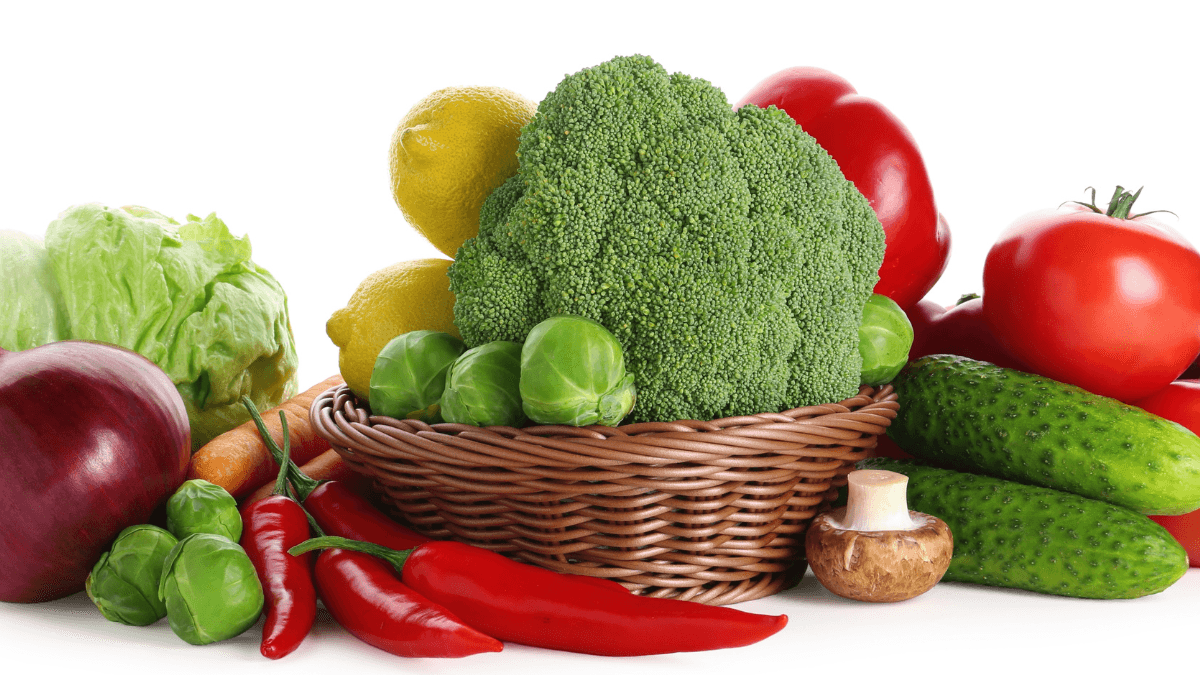
A lower-oxalate plan is not just about removal. It is about substitution, so meals stay satisfying. Many low oxalate vegetables include options like cauliflower, cucumbers, mushrooms, and some lettuces. Many low oxalate fruits include choices like apples, grapes, and melons. Your exact list can vary, but the goal is predictable variety you can repeat.
People often want clarity on specific foods. “Are carrots high in oxalates?” Carrots are not usually at the very top of lists, but portions still matter. “Is honey high in oxalates?” Honey is typically not a major oxalate source, but it can affect sugar intake. “Is coffee high in oxalates?” Coffee is usually moderate to low, yet what you add to it can change your overall plan. If you like printable tools, a low oxalate food list or oxalate food chart can help, as long as you trust the source and portion sizes.
Reducing Absorption: Calcium With Meals, Gut Issues, and Supplements
Many patients hear “avoid calcium” after a calcium oxalate stone, but that can be an oversimplification. In many cases, dietary calcium with meals can bind oxalate in the gut, so less reaches the urine. This is a conversation to have with your clinician, especially if you have a history of low bone density or restrictions for other reasons.
Digestive conditions can also raise risk. After bariatric surgery or with inflammatory bowel disease, some people develop enteric hyperoxaluria (higher oxalate absorption from the gut). For these cases, food planning and medication review may be more complex. You may also see searches like “supplements to reduce oxalates” or “what foods neutralize oxalates.” Some approaches may help certain people, but supplement choices can interact with health conditions and medicines. Bring the exact product and dose to your clinician before starting anything new.
When you put these ideas together, low oxalate foods for kidney stones work best as part of a broader plan. That plan should fit your stone type, lab results, and other diagnoses.
Practical Guidance: Low Oxalate Foods For Kidney Stones
Start with a simple goal: make your usual meals “lower oxalate” without making them joyless. A strict elimination plan can backfire if it feels punitive or confusing. Instead, choose two or three high-impact swaps, then reassess with your care team.
Tip: If you find a high oxalate foods pdf or low oxalate diet pdf online, check who published it and what serving sizes they used. Oxalate lists can differ, and outdated charts can create unnecessary restrictions.
Here is a practical way to build a shopping and meal routine:
- Confirm the target: Ask if your stone is calcium oxalate, uric acid, or another type.
- Pick your “often” foods: Identify foods you eat most days (salads, smoothies, nuts, tea).
- Swap the biggest drivers: Replace the most likely high sources with lower-oxalate options.
- Pair with meal structure: Ask if dietary calcium with meals is appropriate for you.
- Track what is realistic: Note what changes you can sustain at home and work.
This table is not a complete medical diet. It is a starting point for discussion, since the oxalate content of foods depends on portion and preparation.
| Meal Element | Often-Lower Oxalate Examples | Often-Higher Oxalate Examples |
|---|---|---|
| Greens and veggies | Romaine, cucumbers, cauliflower | Spinach, beet greens |
| Fruit | Apples, grapes, melon | Rhubarb (commonly very high) |
| Crunch and snacks | Pretzels, popcorn (watch sodium) | Almonds, mixed nuts |
| Drinks | Water, some coffee choices | Strong black tea, some powders |
If you want a “low oxalate fruits and vegetables” reference, ask your clinician or a renal dietitian which source they prefer. Some people look for a Harvard oxalate list pdf, a Mayo Clinic low oxalate diet list, or a Cleveland Clinic oxalate diet handout. The best list is usually the one your care team recognizes and can interpret with your labs.
Also consider your full health picture. For example, if you manage diabetes medications, meals may need to balance carbohydrates, fluids, and digestive tolerance. If that is your situation, keep your medication list and food changes in one place. The article Foods To Avoid With Trulicity can help you review medication-specific food issues, and Semaglutide Basics offers a plain-language overview to support informed conversations.
Finally, be cautious with detox-style claims. Many people search “how to flush oxalates from body,” but the safer framing is risk reduction over time. That typically means coordinated choices around fluids, sodium, meal composition, and follow-up testing, guided by a clinician.
Compare & Related Topics
Diet plans can overlap, which adds stress fast. Low oxalate foods for kidney stones are mainly about reducing oxalate load and managing absorption. A low-sodium plan focuses on salt, which can influence urinary calcium in some people. A low-purine plan is usually discussed for uric acid stones. You may need a blend, not a single rule set.
Potassium advice can be especially individualized. Some stone-prevention strategies involve citrate, and some people hear about potassium-based options. If you have kidney disease or a history of electrolyte problems, this becomes a medical decision. The page Low Potassium Hypokalemia can be a helpful orientation for discussing potassium safety with your care team.
Calcium discussions can also feel contradictory. If you are worried about bone health, it may help to review the basics of skeletal risk with Low Bone Mass as context for questions about dietary calcium. For broader reading on urinary conditions, Urology Resources and Nephrology Resources can help you find related patient education topics.
If weight or blood sugar changes are also part of your health plan, you may prefer coordinated food goals rather than competing restrictions. The article Treat Insulin Resistance can support that bigger-picture conversation, especially when you are adjusting meal timing and snacks.
Access Options Through BorderFreeHealth
Kidney stone prevention can include prescriptions for some patients, alongside diet and follow-up testing. If you are comparing pharmacy options, it helps to keep the process clear: medication names, current doses, prescriber details, and your latest stone or urine test results. That context supports safer decisions than relying on a single list or forum thread.
BorderFreeHealth helps U.S. patients access prescriptions through licensed Canadian partner pharmacies. When required, prescription details are confirmed with the prescriber before the pharmacy dispenses. Some people also explore cash-pay, cross-border prescription pathways when they are uninsured, depending on eligibility and jurisdiction.
If you use medications for other chronic conditions, keep them visible during stone discussions. For example, a product page like Sitagliptin Hcl Metformin can act as a reference point for documenting a current medication, so your clinician can check for interactions and diet implications. For browsing related health categories, Urology Product Category can also help you understand the types of therapies people may be prescribed.
Authoritative Sources
For evidence-based background reading, start with these organizations:
- NIDDK overview of kidney stones
- National Kidney Foundation kidney stone resources
- Cleveland Clinic kidney stones overview
If you are using low oxalate foods for kidney stones, try to anchor decisions in your stone type and lab data. That approach can reduce fear-based restrictions and keep meals workable. If you are considering cross-border access for prescriptions, remember that eligibility and rules can vary by location and medication.
This content is for informational purposes only and is not a substitute for professional medical advice.