
Please note: a valid prescription is required for all prescription medication.
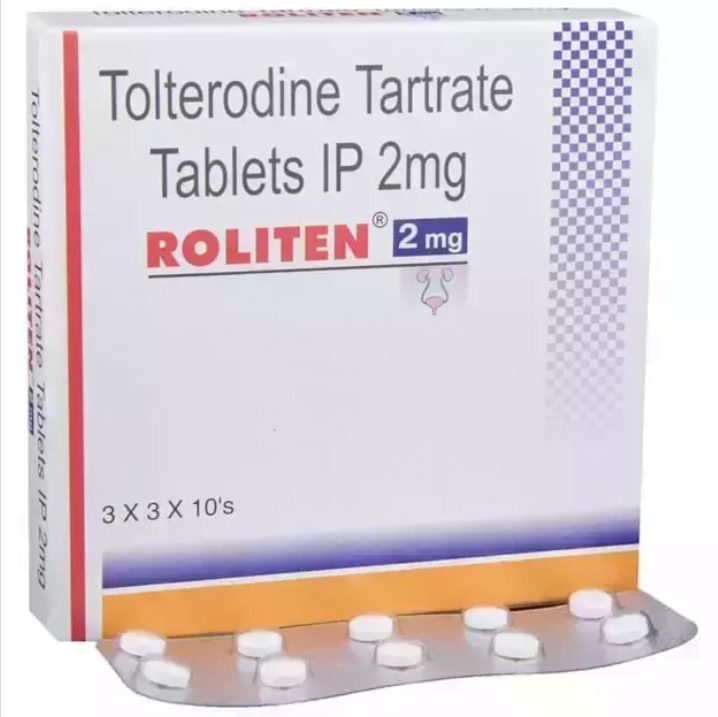
Tolterodine
Buy Tolterodine Online
Secure Encrypted Payments
Tolterodine is an antimuscarinic bladder medicine used for overactive bladder symptoms, including urinary urgency, frequent urination, and urge incontinence. It can be ordered online with US delivery from Canada, and you can choose the dose or strength shown during ordering to match the directions from your clinician. Tolterodine LA refers to the long-acting capsule form designed for once-daily use.
Tolterodine Price, Strengths, and Ordering
Tolterodine price can vary by strength, form, quantity, and pharmacy sourcing. Many people looking at tolterodine cost are comparing local cash-pay quotes with Canadian pricing, especially when managing an ongoing overactive bladder treatment. Current cost information is shown during ordering so you can decide whether the available strength and quantity fit your budget.
The extended-release capsule is commonly associated with tolterodine LA, including 2 mg and 4 mg strengths in many markets. Some markets also have immediate-release tolterodine tablets, which are usually taken on a different schedule. Choose the form and strength available for this medication only if it matches your medication label or clinician instructions.
BorderFreeHealth works with licensed pharmacies for medication supply and order handling. If your order requires clarification, we may help confirm order details before the medicine is released. Keep the medication name, strength, and directions consistent with the treatment plan you were given.
Quick tip: If you are comparing tolterodine 2 mg price with tolterodine 4 mg price, compare the same form and quantity whenever possible.
What Tolterodine Treats
Tolterodine is used in adults with overactive bladder, a condition that can cause sudden urges to urinate, frequent bathroom trips, and leakage before reaching the toilet. It may be considered when lifestyle measures such as timed voiding, fluid planning, and reducing bladder irritants do not provide enough control. It is not a cure for the underlying condition, but it can reduce involuntary bladder contractions for some people.
Overactive bladder symptoms can affect sleep, work, travel, and social routines. A long-acting capsule may be convenient for people who prefer once-daily dosing, while tablet schedules may differ by product. For broader condition background, see overactive bladder and urinary incontinence.
Discuss symptom patterns with a healthcare professional if urgency, leakage, pain, blood in the urine, fever, or new nighttime urination appears suddenly. Those symptoms may need evaluation for causes other than overactive bladder, such as infection, prostate-related obstruction, diabetes, or medication effects.
How This Bladder Medicine Works
Tolterodine belongs to the antimuscarinic class. Antimuscarinic medicines block muscarinic receptors involved in bladder muscle contraction. By calming involuntary detrusor muscle activity, tolterodine may help reduce urgency episodes and increase the time between bathroom trips.
Detrol and Detrol LA are brand names associated with tolterodine products. Tolterodine tartrate is the active ingredient used in these products and their generic versions. When people refer to a generic of Detrol or Detrol LA generic, they are usually referring to a tolterodine product with the same active ingredient, though form, release pattern, and market labeling should be matched carefully.
Extended-release capsules release medicine gradually over the day. Immediate-release tablets are not interchangeable with long-acting capsules on a one-for-one schedule unless a clinician gives clear directions. Always follow the directions that apply to the exact form you receive.
Dose Timing and How to Take It
Long-acting tolterodine capsules are commonly taken once daily. Many people take the dose at the same time each day to make the routine easier and keep medication levels steadier. The best time is usually the time you can remember consistently, unless your healthcare professional gives different instructions.
Swallow extended-release capsules whole. Do not crush, chew, or split them, because changing the capsule can affect how the medicine is released. Tolterodine tablets, when used, may have different directions, so do not apply capsule instructions to tablets without checking your medication label.
If you miss a dose, follow the directions that came with your medication. In general, do not double up doses to make up for a missed one unless a clinician specifically tells you to. A daily reminder, pill organizer, or linking the dose to breakfast can help support consistent use.
Some people notice gradual improvement after steady use, while others need a different strength or another bladder medicine. A bladder diary can help track urgency, frequency, leakage episodes, caffeine intake, and nighttime trips. Bring that record to follow-up visits so your treatment plan can be assessed using real daily patterns.
Side Effects, Warnings, and Monitoring
The most common side effect of tolterodine is often dry mouth. Other common effects can include constipation, headache, dry eyes, blurred vision, dizziness, drowsiness, and stomach discomfort. These effects happen because antimuscarinic medicines can reduce secretions and slow certain smooth-muscle activity outside the bladder.
Contact a healthcare professional promptly if you have trouble urinating, severe constipation, severe abdominal pain, confusion, swelling of the face or throat, trouble breathing, or vision changes that do not resolve. Tolterodine may not be suitable for people with urinary retention, gastric retention, or uncontrolled narrow-angle glaucoma. People with bladder outlet obstruction may need extra caution because the medicine can make urine retention worse.
Liver or kidney impairment can affect how the body handles tolterodine. Strong CYP3A4 inhibitors, including some azole antifungals and macrolide antibiotics, may increase tolterodine levels. Other anticholinergic medicines can add to dry mouth, constipation, blurred vision, drowsiness, and confusion. Tell your healthcare professional about all prescription medicines, non-prescription products, and supplements you use.
Use caution with alcohol or sedating medicines if tolterodine makes you dizzy or sleepy. Older adults may be more sensitive to anticholinergic effects, including constipation, blurred vision, and confusion. The best overactive bladder medicine for an older adult depends on medical history, cognitive risk, fall risk, other medications, kidney or liver function, and symptom severity.
Why it matters: Side effects that seem minor at first can affect driving, bowel habits, hydration, and daily comfort.
Who May Need Another Option
Tolterodine may not be the right match for everyone with bladder urgency. A healthcare professional may consider another therapy if antimuscarinic side effects are difficult, if constipation is already a major concern, or if cognitive side effects are a risk. People with glaucoma, stomach-emptying problems, or urinary retention history should be especially careful.
Other overactive bladder treatments include bladder training, pelvic floor therapy, other antimuscarinics, and beta-3 agonists. Some people do better with a different medicine in the same class, while others need a medicine that works through another pathway. Browse related medicines and condition categories in urology.
Clinical decisions should consider symptom burden and practical goals. For example, fewer urgent trips may matter most during work, while nighttime control may matter most for sleep. Bring these goals to your appointment so the plan is built around your daily life, not only the number of bathroom visits.
Storage, Travel, and Refills
Store tolterodine at room temperature in a dry place, away from excess moisture. Keep capsules or tablets in the original labelled container when possible, and keep the medicine out of reach of children and pets. Do not use capsules that appear damaged or medication that is past the expiration date on the package.
When traveling, carry tolterodine in its original container with the label visible. Keep a medication list with the active ingredient, strength, and dosing schedule in case a clinician or security agent asks for details. If you cross time zones, aim to keep the dose roughly consistent while avoiding extra doses.
Plan refills before you run out, especially if you rely on mail-order medication. BorderFreeHealth offers prompt, express shipping, but refill planning is still important for medicines taken every day. Some products may list sourcing information such as Canada, depending on current supply.
Cost-Saving Considerations Without Insurance
People paying out of pocket often look at tolterodine cash price, quantity, form, and strength before choosing where to fill. A multi-month quantity may reduce the need for frequent reordering when it is appropriate for your treatment plan. The best value comparison uses the same active ingredient, release type, and dose schedule.
Do not switch between tolterodine capsules and tolterodine tablets just because one appears less expensive. The release pattern affects how the medicine is taken, and changing forms can change daily exposure. If the preferred form is not the most affordable choice, ask a healthcare professional whether an alternative is clinically reasonable.
Patients without insurance may also compare tolterodine with other medicines for overactive bladder. Costs can differ substantially between generics, brands, extended-release forms, and newer agents. A practical discussion should include symptom goals, side effects, dosing convenience, and total monthly out-of-pocket cost.
How Tolterodine Compares With Nearby Choices
Oxybutynin is another antimuscarinic used for overactive bladder. It may be available in several forms, and some people respond differently to it than to tolterodine. Antimuscarinic side effects can overlap across the class, especially dry mouth, constipation, and blurred vision.
Myrbetriq is a beta-3 agonist rather than an antimuscarinic. It works through a different pathway by relaxing the bladder muscle during the storage phase. This difference may matter for people who cannot tolerate anticholinergic effects, though every medicine has its own cautions and monitoring needs.
If your symptoms are not controlled or side effects interfere with daily life, do not stop or switch medicines without guidance. A clinician can assess whether to adjust the strength, change the form, add non-drug measures, or consider another therapy. For article-style urology education, visit the urology articles section.
Questions to Ask Before Continuing Treatment
- How long should I use tolterodine before judging benefit?
- Should I track urgency, leakage, nighttime urination, or pad use?
- Could any of my medicines increase anticholinergic side effects?
- Does my kidney, liver, eye, stomach, or bladder history affect suitability?
- Would a once-daily capsule or a different bladder medicine better fit my routine?
- Which side effects should prompt a call rather than waiting for my next visit?
These questions can make follow-up more productive. Overactive bladder treatment often improves when medication, bladder training, fluid timing, and trigger management are considered together. Common triggers include caffeine, alcohol, carbonated drinks, and late-evening fluids, though individual patterns vary.
Authoritative Sources
Official Detrol LA prescribing information
MedlinePlus tolterodine drug information
This content is for informational purposes only and is not a substitute for professional medical advice.
Express Shipping - from $29.99
Shipping with this method takes 3-5 days
Prices:
- Dry-Packed Products $29.99
- Cold-Packed Products $39.99
Shipping Countries:
- United States (all contiguous states**)
- Worldwide (excludes some countries***)
Standard Shipping - $19.99
Shipping with this method takes 5-10 days
Prices:
- Dry-Packed Products $19.99
- Not available for Cold-Packed products
Shipping Countries:
- United States (all contiguous states**)
- Worldwide (excludes some countries***)
What is tolterodine used for?
Tolterodine is used for overactive bladder symptoms, including urinary urgency, frequent urination, and urge incontinence. It helps calm involuntary bladder muscle contractions, which may reduce sudden urges and bathroom trips.
What type of drug is tolterodine?
Tolterodine is an antimuscarinic medicine. It blocks muscarinic receptors involved in bladder muscle contraction, helping the bladder store urine with fewer urgency signals in some people.
What is the most common side effect of tolterodine?
Dry mouth is one of the most common side effects. Constipation, headache, dry eyes, blurred vision, dizziness, drowsiness, and stomach discomfort can also occur.
When is the best time to take tolterodine?
For once-daily extended-release tolterodine, the best time is usually a time you can take it consistently each day. Follow the directions on your medication label, and swallow extended-release capsules whole.
Is tolterodine the same as Detrol LA?
Tolterodine is the active ingredient in Detrol and Detrol LA products. Detrol LA refers to a long-acting capsule form, while other tolterodine products may have different forms or schedules.
Who should be cautious with tolterodine?
People with urinary retention, gastric retention, uncontrolled narrow-angle glaucoma, bladder outlet obstruction, or significant liver or kidney impairment may need to avoid tolterodine or use extra caution. A healthcare professional can assess suitability.
Can older adults use tolterodine for overactive bladder?
Some older adults use tolterodine, but the best choice depends on medical history, fall risk, cognitive risk, constipation, eye conditions, kidney or liver function, and other medicines. Anticholinergic side effects may be more concerning in older adults.
Rewards Program
Earn points on birthdays, product orders, reviews, friend referrals, and more! Enjoy your medication at unparalleled discounts while reaping rewards for every step you take with us.
You can read more about rewards here.
POINT VALUE
How to earn points
- 1Create an account and start earning.
- 2Earn points every time you shop or perform certain actions.
- 3Redeem points for exclusive discounts.
You Might Also Like
Select options
This product has multiple variants. The options may be chosen on the product page
Select options
This product has multiple variants. The options may be chosen on the product page
Select options
This product has multiple variants. The options may be chosen on the product page
Select options
This product has multiple variants. The options may be chosen on the product page