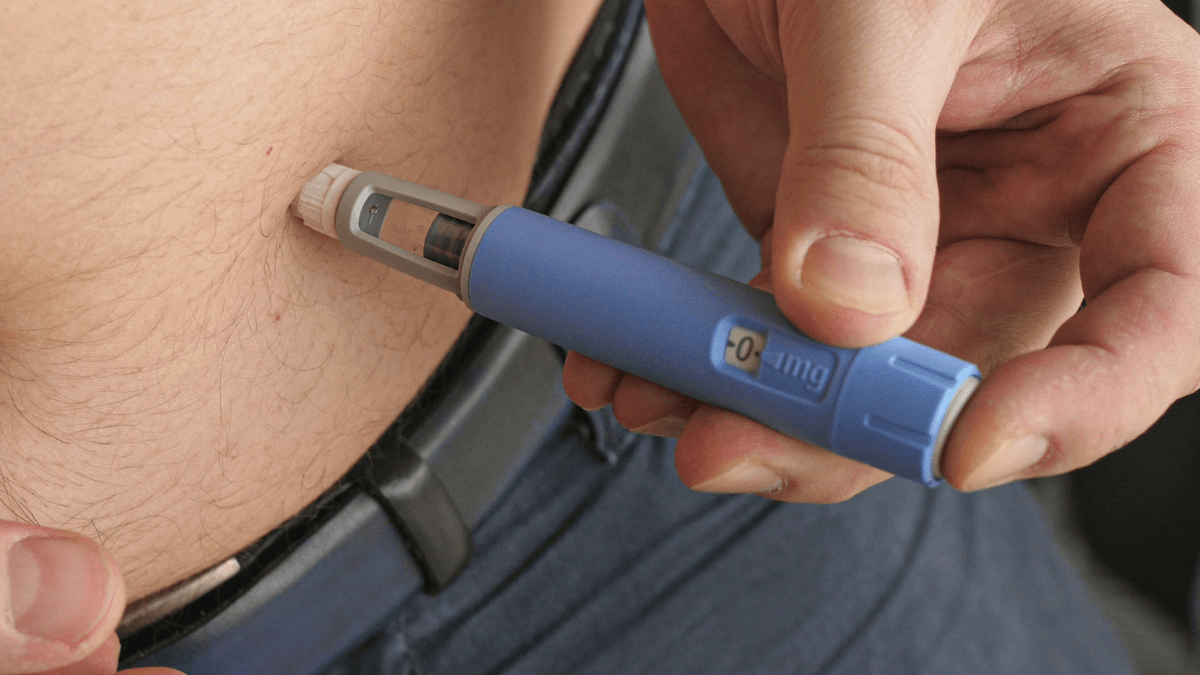
Semaglutide is a prescription GLP-1 receptor agonist used in specific products for type 2 diabetes or chronic weight management. It can affect appetite, blood sugar, and stomach emptying, so the details matter. The brand, form, reason for use, and your medical history all shape the plan. This article explains the basics in plain language, including injections, tablets, side effects, safety cautions, and practical questions to bring to your clinician.
Key Takeaways
- Product matters: uses and instructions differ by brand and form.
- Side effects are often digestive, especially during dose changes.
- Injection and tablet routines have different daily tradeoffs.
- Safety screening should cover thyroid, pancreas, gallbladder, kidney, and medication history.
- Cost and access planning can prevent rushed or unsafe decisions.
What Semaglutide Is and Why Product Details Matter
Semaglutide is the generic drug name, not one single treatment plan. Different products contain semaglutide but have different approved uses, forms, and instructions. For example, Ozempic is commonly discussed in type 2 diabetes care, Wegovy is used for chronic weight management in certain patients, and Rybelsus is an oral tablet option used for type 2 diabetes.
This is why it helps to say the exact product name during appointments. A phrase like “semaglutide for weight loss” may describe an interest, but it does not identify the right product, schedule, or monitoring needs. Your clinician also has to consider other medicines, pregnancy plans, digestive conditions, diabetes status, kidney function, and past reactions to similar drugs.
Why it matters: Mixing up brands, forms, and reasons for use can lead to unsafe assumptions.
Semaglutide belongs to the GLP-1 receptor agonist class. GLP-1 stands for glucagon-like peptide-1, a hormone signal involved in appetite and glucose regulation. In clinical terms, this medicine activates GLP-1 receptors. In plain language, it can help some people feel full sooner and can support blood sugar control when used for labeled indications.
How It Works in Appetite and Blood Sugar Care
Semaglutide works by imitating a natural gut hormone signal that helps regulate insulin, glucagon, appetite, and stomach emptying. Insulin helps move glucose from the blood into cells. Glucagon raises blood sugar when needed. Gastric emptying means how quickly food leaves the stomach.
Because the medicine can slow stomach emptying, some people notice smaller meals feel more filling. Others describe fewer strong hunger cues or changes in cravings. These effects are not identical for everyone. Sleep, stress, meal composition, activity level, and other medications can all change the experience.
For people with type 2 diabetes, semaglutide may be used as part of a broader plan that can include food choices, physical activity, glucose monitoring, and other medicines. If you want condition-specific browsing, the Type 2 Diabetes collection groups related educational posts. Product selection still belongs in a clinician-led discussion.
For weight management, semaglutide is usually discussed as one tool within long-term care. It is not a short-term challenge or a guarantee. Some people respond strongly, some respond modestly, and some stop because side effects or risks outweigh benefits. If weight tracking is part of your care plan, a general progress tool can help you organize numbers before a visit. It does not confirm eligibility or predict your results.
Weight-Loss Progress Calculator
Track percentage body-weight change and progress toward a target weight.
These calculations are for education only and do not replace clinical advice, diagnosis, or treatment. Always confirm medical decisions with a qualified healthcare professional.
For a deeper look at appetite effects, Ozempic For Weight Loss explains why eating patterns may feel different for some patients using GLP-1 therapy.
Injection, Tablet, and Routine Differences
The main practical difference is not only needle versus pill. The bigger issue is whether the routine fits your mornings, meals, travel, comfort level, and ability to follow product-specific instructions.
Injectable semaglutide products are commonly taken on a set schedule. Patients may be taught to use sites such as the abdomen, thigh, or upper arm, depending on the product instructions. Rotating injection sites can reduce repeated irritation in one spot. If self-injection feels stressful, ask for a demonstration and written steps. Anxiety around needles is common, and practice support can help.
Oral semaglutide has different practical demands. Tablets may require strict timing around food, drinks, and other medicines. That can be easy for some people and frustrating for others. If your mornings are unpredictable, tell your clinician or pharmacist before choosing a form. The “simpler” option is the one you can use correctly and consistently.
Some readers also see online references to semaglutide with B12, semaglutide cyanocobalamin, compounded products, or products described as generic. Be cautious with those terms. Officially approved products have labeling, manufacturing standards, and product-specific safety information. Unapproved or compounded versions may not carry the same review status. The FDA has also warned about concerns with unapproved GLP-1 products promoted for weight loss.
If injection technique is your main concern, Injection Sites For Ozempic offers practical, non-prescribing tips to discuss with your care team.
Side Effects, Warnings, and When to Seek Help
The most common downside of semaglutide is gastrointestinal discomfort. People often report nausea, vomiting, diarrhea, constipation, abdominal pain, reflux, reduced appetite, or bloating. These symptoms may be more noticeable when starting treatment or when the dose changes. Some people also report fatigue, headache, or dizziness.
Digestive side effects vary widely. One person may have mild nausea for a short period. Another may struggle to keep fluids down. Dehydration can worsen dizziness, constipation, and kidney strain. Severe or persistent symptoms should be discussed promptly with a clinician, especially if you cannot drink fluids, have severe abdominal pain, or notice symptoms that feel unusual for you.
Important safety discussions may include pancreatitis (inflammation of the pancreas), gallbladder problems, kidney issues related to dehydration, and heart rate changes. Labels for some GLP-1 medicines also include warnings about thyroid C-cell tumors seen in rodent studies. These products may not be appropriate for people with a personal or family history of medullary thyroid carcinoma or multiple endocrine neoplasia syndrome type 2. Your clinician can explain how that label language applies to your history.
Medication interactions deserve attention too. Slower stomach emptying may affect how some oral medicines are absorbed. People using insulin or sulfonylureas for diabetes should ask about low blood sugar risk, because combining glucose-lowering medicines can require careful monitoring. Do not stop, start, or change medication doses without professional guidance.
Quick tip: Keep a simple log of symptoms, meals, hydration, and dose-change dates.
For more focused side-effect preparation, Managing Side Effects Of Ozempic covers common patterns and appointment questions.
Weight Loss Expectations and Long-Term Planning
People often ask how fast they can lose a specific amount of weight on semaglutide. The safest answer is that timing varies. Weight change depends on the product, dose plan, starting weight, nutrition, activity, sleep, other medicines, and how well side effects are tolerated. Online “before and after” stories can be emotionally powerful, but they are not a reliable forecast for your body.
For weight management, clinicians often treat obesity as a chronic condition. That means the conversation may include long-term benefits, side effects, maintenance, cost, and what might happen if treatment stops. Some people regain weight after stopping appetite-focused therapy, while others maintain changes through broader lifestyle and medical support. Your follow-up plan should be individualized.
It also helps to separate weight loss from health monitoring. A lower number on the scale does not replace checks for blood pressure, blood sugar, cholesterol, nutrition quality, muscle preservation, and mental health. People with a history of eating disorders, pregnancy, severe gastrointestinal disease, kidney disease, or recurrent low blood sugar need especially careful review.
If you are comparing diabetes and weight-management uses, Wegovy Vs Ozempic explains key differences patients often ask about. For broader browsing, the Weight Management collection can help you find related topics without relying on social media threads.
Access, Cost, and Safer Decision-Making
Cost questions are reasonable, but they can become stressful fast. The exact out-of-pocket amount depends on the product, coverage rules, pharmacy channel, eligibility, and local regulations. Avoid stretching doses, sharing pens, or using unclear sources because of cost pressure. Those choices can create safety and dosing problems.
When comparing access options, ask neutral questions first. Which product is being prescribed? Is it approved for your reason for use? What documentation is needed? How are refills handled? What happens if your clinician changes the plan? If you are without insurance, cash-pay options may be part of the discussion, but they still require appropriate prescribing and safety checks.
BorderFreeHealth connects U.S. patients with licensed Canadian partner pharmacies for eligible prescription pathways. Where required, prescription details are verified with the prescriber before a partner pharmacy dispenses medication. That service context does not replace medical advice, but it can help you understand why documentation and product verification matter.
Be especially careful with claims about semaglutide over the counter, “generic” versions, or research-only products marketed for personal use. Semaglutide products are prescription medicines. If a source avoids prescription review or cannot clearly identify the product and prescriber process, treat that as a safety concern.
Questions to Bring to Your Clinician
A short question list can make the appointment calmer. It also helps your clinician understand what you value most: glucose control, weight management, tolerability, convenience, or cost predictability.
- Exact product: Which semaglutide product are we discussing?
- Main goal: Is the plan for diabetes, weight management, or both?
- Form choice: Why injection or tablet for my routine?
- Safety history: Which conditions make this riskier for me?
- Side effects: What symptoms should prompt a call?
- Other medicines: Could absorption or low blood sugar be an issue?
- Follow-up plan: What should we monitor over time?
- Access details: What documentation is needed for refills?
If oral therapy is part of the conversation, Rybelsus Uses Guide may help you frame practical questions about tablet routines. If you are browsing product categories, the Weight Management Products page is best viewed as a navigation list, not a substitute for clinical guidance.
Authoritative Sources
Official and regulator-backed sources are the best starting point for safety language. They describe approved uses, contraindications, warnings, and adverse reactions more consistently than social media posts.
For patient-level medication information, review MedlinePlus information on semaglutide injection. For regulatory concerns about unapproved products, see the FDA warning on unapproved GLP-1 drugs. For Canadian product information, Health Canada’s Drug Product Database can help locate official drug records and product monographs.
Semaglutide can be useful for some patients, but it is not a casual wellness product. The safer path is to confirm the exact medication, understand the form, plan for side effects, and keep follow-up with a qualified clinician.
This content is for informational purposes only and is not a substitute for professional medical advice.