
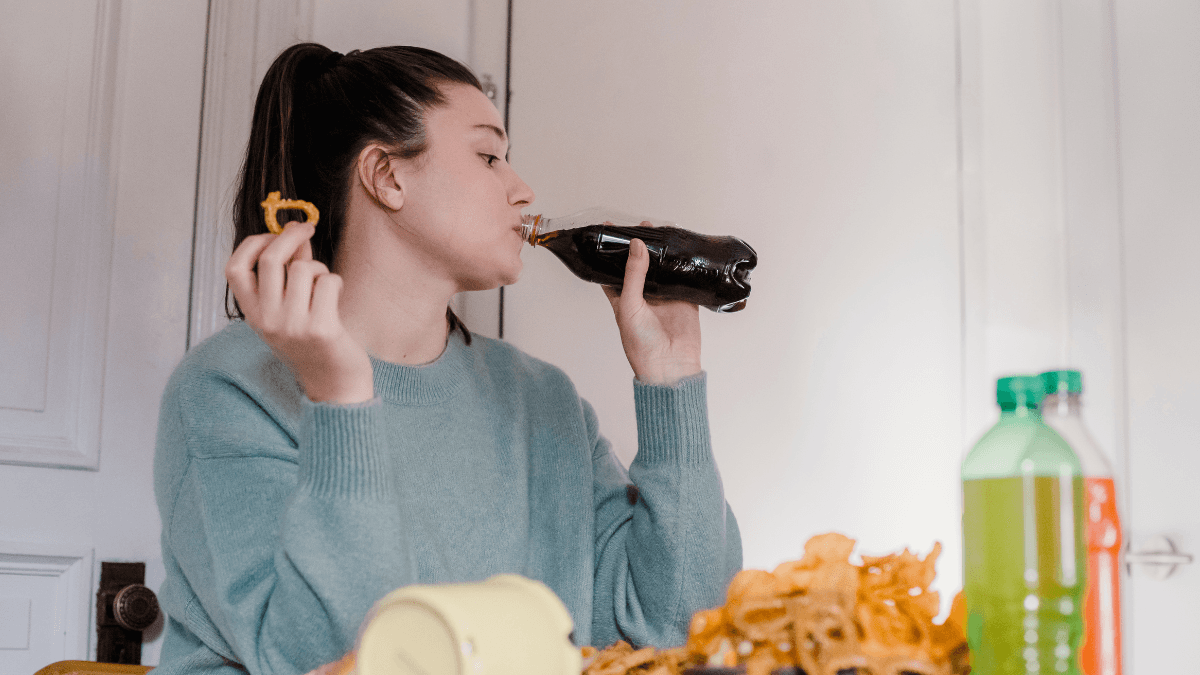
If you are looking for foods to avoid with Trulicity, start with the foods most likely to worsen nausea, fullness, reflux, or diarrhea: large portions, fried or greasy meals, very sweet foods, and heavy late-night meals. These foods are not always forbidden. They are common triggers because Trulicity can slow stomach emptying, which may make meals feel heavier than before.
Trulicity (dulaglutide) is a GLP-1 receptor agonist used for type 2 diabetes care. It can support glucose control, but it may also change appetite and digestion. The goal is not to eat perfectly. It is to build a pattern that feels steady, protects hydration, and helps you notice when symptoms need medical attention.
Key Takeaways
- Portion size matters: Large meals can worsen nausea and fullness.
- Fat and sugar count: Greasy foods and sweets often trigger symptoms.
- Drinks can irritate: Alcohol, carbonation, and sugary drinks may worsen upset stomach.
- Gentle foods help: Protein, cooked vegetables, and bland carbs may feel easier.
- Safety comes first: Severe pain, dehydration, or repeated vomiting needs prompt care.
Common Food Triggers and Gentler Swaps
The main foods to avoid with Trulicity are foods that overload digestion or cause fast glucose swings. Many people tolerate small amounts later, especially after the body adjusts. During the first weeks, or after a dose change, lighter meals are often easier.
High-fat meals are a frequent problem. Fat naturally slows digestion, and Trulicity may slow stomach emptying too. Together, they can increase bloating, burping, nausea, or reflux. Fried chicken, fries, creamy sauces, fast food, rich pastries, and large portions of fatty meats are common examples.
Very sweet foods can also feel rough. Candy, sugary desserts, sweetened drinks, and large servings of juice may worsen queasiness. They can also make glucose rise quickly, then drop later for some people, especially when other diabetes medicines are involved.
| Common trigger | Why it may bother you | Gentler option to try |
|---|---|---|
| Fried or greasy foods | Fat can slow digestion and worsen nausea | Baked, grilled, or air-fried foods in smaller portions |
| Large meals | More volume can increase fullness and reflux | Smaller meals with planned snacks |
| Very sweet foods | Concentrated sugar may cause queasiness or glucose swings | Fruit with yogurt or a smaller dessert after a meal |
| Heavy late dinners | Fullness can last into bedtime | Earlier dinner with a lighter evening snack if needed |
| Spicy or acidic meals | May irritate reflux or sensitive stomach lining | Milder seasoning, then add spice gradually |
Texture can matter too. Dry, dense foods may feel harder when appetite is low. Some people do better with oatmeal, eggs, soup, yogurt, cooked vegetables, rice, toast, or soft proteins while symptoms settle.
Quick tip: If a favorite food bothers you, test a smaller portion with a simple meal instead of removing it forever.
Why Trulicity Can Make Meals Feel Different
Trulicity can make meals feel different because it affects appetite, blood sugar signals, and stomach emptying. This is one reason a meal that used to feel normal may suddenly feel too large.
Dulaglutide helps the body release insulin when glucose is high and lowers glucagon, a hormone that raises blood sugar. It also slows gastric emptying, meaning food may leave the stomach more gradually. That slower movement can help with after-meal glucose changes, but it can also bring earlier fullness, nausea, gas, or reflux.
This effect is usually most noticeable when starting treatment or increasing a dose. For some people, symptoms ease as the body adapts. Others need longer-term meal changes, especially if they already have reflux, constipation, or suspected gastroparesis (delayed stomach emptying).
If you are comparing medication options or trying to understand how dulaglutide fits into type 2 diabetes care, the Trulicity page can provide product-specific context. For a broader condition-level view, the Type 2 Diabetes collection can help you browse related options.
What to Eat Most Days While Taking Trulicity
The best foods to eat while taking Trulicity are usually simple, balanced foods that you can tolerate consistently. Think smaller meals with protein, moderate fiber, and carbohydrates that match your diabetes plan.
Good starting choices often include eggs, fish, chicken, tofu, beans, lentils, cottage cheese, plain yogurt, oats, potatoes, rice, whole-grain toast, and cooked vegetables. Bananas are usually acceptable for many people, especially in modest portions. Eggs are also commonly tolerated, though preparation matters. Boiled, poached, or scrambled eggs may feel easier than eggs cooked in a lot of butter or served with greasy sides.
If raw salads worsen bloating, try cooked vegetables first. Carrots, zucchini, green beans, squash, and spinach may feel gentler than large raw salads. Add fiber gradually. A sudden increase in beans, bran, chia, or raw vegetables can worsen gas or cramping.
Protein helps when appetite drops. It can make small meals more satisfying without requiring a large plate. If meat feels heavy, try fish, tofu, eggs, Greek yogurt, or legumes in small portions. If you use meal replacements, ask a clinician or registered dietitian how they fit your glucose goals and kidney health.
Carbohydrate amounts can also matter for comfort and glucose patterns. This calculator can help estimate carb servings from a food label or meal total, but it does not replace individualized nutrition advice.
Carb Serving Calculator
Convert total carbohydrate grams into carb choices for meal planning and diabetes education.
These calculations are for education only and do not replace clinical advice, diagnosis, or treatment. Always confirm medical decisions with a qualified healthcare professional.
For more practical symptom strategies, see Manage Trulicity Side Effects. If weight changes are part of your treatment conversation, Trulicity Weight Loss explains key facts in a neutral way.
Drinks, Caffeine, and Alcohol
The drinks to avoid with Trulicity are mainly those that worsen nausea, reflux, diarrhea, or glucose swings. Sugary sodas, sweetened coffee drinks, energy drinks, large juices, and heavy alcohol intake are common triggers.
Carbonated drinks may increase burping and bloating. Very cold drinks bother some people, while others find them soothing. If your stomach feels unsettled, try small sips instead of large volumes. Water, low-sugar electrolyte drinks, diluted broth, or unsweetened tea may be easier during a rough day.
Trulicity and caffeine can be a problem for some people, but not everyone needs to stop coffee. Caffeine may increase stomach acid, worsen reflux, or make nausea feel sharper. It can also reduce appetite, which may lead to skipped meals and then overeating later. If coffee bothers you, try having it after breakfast, reducing the serving size, or avoiding afternoon caffeine if sleep is affected.
Alcohol deserves extra caution. It can irritate the stomach, worsen dehydration, and affect blood sugar. The side effects of Trulicity and alcohol may feel stronger together, especially nausea, loose stools, dizziness, or next-day fatigue. Alcohol can also raise the risk of low blood sugar for people who use insulin or sulfonylureas.
Why it matters: Low blood sugar can be harder to recognize if alcohol, nausea, or poor food intake overlap.
If you choose to drink, discuss safe limits with your clinician, especially if you take other glucose-lowering medicines. Avoid drinking on an empty stomach. If you notice repeated lows, vomiting, or unusual confusion after alcohol, seek medical guidance promptly.
When Side Effects Start, How Long They Last, and What Helps
Trulicity side effects often start soon after beginning treatment or after a dose increase. The most common issues are nausea, vomiting, diarrhea, constipation, decreased appetite, indigestion, and stomach pain. Many people find they improve with time, but symptoms should not be ignored if they are severe or persistent.
Food timing can reduce the digestive load. Try smaller meals, slower eating, and a pause before second portions. If nausea is worse in the morning, a few crackers, half a banana, or a small yogurt may be enough to start. Build up later as tolerated.
Overeating on Trulicity can feel especially uncomfortable because fullness signals may arrive earlier. A long gap without food can also backfire. You may feel fine all day, then eat a large dinner and develop reflux, nausea, or cramping. A planned afternoon snack can prevent that pattern.
For diarrhea, focus first on fluids and simple foods. Toast, rice, bananas, applesauce, broth-based soups, and plain potatoes may be easier for a short period. Greasy foods, alcohol, very sweet foods, and lactose can worsen diarrhea in some people. If diarrhea lasts more than a few days, or you feel weak or dizzy, contact a clinician.
For constipation, increase fluids and fiber gradually. Oats, prunes, cooked vegetables, chia, and beans may help, but adding too much at once can worsen gas. Movement, if safe for you, may also support bowel regularity. Ask before using laxatives if you have severe pain, vomiting, kidney disease, pregnancy, or other complex health needs.
Some people search for Trulicity dumping syndrome after episodes of cramping, sweating, racing feelings, or sudden fatigue after meals. True dumping syndrome is most often linked to stomach surgery and rapid movement of food into the small intestine. Trulicity usually slows stomach emptying rather than speeding it. Still, similar symptoms can happen with large sugary meals, medication timing, alcohol, or blood sugar swings. If this repeats, record the meal, timing, symptoms, and glucose reading if available.
Medication Timing, Missed Doses, and Interactions
Food does not need to be timed perfectly around every Trulicity injection, but your full medication plan matters. Trulicity is taken weekly, and missed-dose instructions depend on timing. Use your prescription label and official medication instructions rather than doubling up or guessing.
People often ask, “Can I skip a dose of Trulicity?” That is a prescriber question, especially if side effects are the reason. Skipping or delaying doses can affect glucose patterns. Your care team can help decide whether symptoms need supportive care, a schedule review, or a different plan.
Trulicity can slow stomach emptying, so it may affect how quickly some oral medicines are absorbed. This is not always clinically important, but it may matter for medicines that require precise timing or consistent absorption. Tell your prescriber and pharmacist about prescription medicines, over-the-counter drugs, supplements, and high-dose vitamins.
Low blood sugar is less common with Trulicity alone, but the risk can increase when it is used with insulin or sulfonylureas. If your food intake drops because of nausea, your usual glucose pattern may change. Ask your clinician how to monitor and respond, especially if you have repeated shakiness, sweating, confusion, or weakness.
If you are comparing GLP-1 medicines, Trulicity Vs Ozempic covers common decision points. Related nutrition pages, such as Ozempic Foods To Avoid and Mounjaro Diet Plan, may help you compare meal-tolerance themes across similar treatment conversations.
Warning Signs That Need Medical Attention
Most stomach symptoms are uncomfortable but manageable. Some symptoms need prompt medical review because they may signal dehydration, gallbladder problems, pancreatitis, severe allergic reaction, or another condition.
Seek urgent care if you have severe or persistent belly pain, especially pain that spreads to the back or comes with vomiting. Also seek help for fainting, confusion, signs of dehydration, blood in stool, repeated vomiting, or inability to keep fluids down.
Contact your clinician if diarrhea or constipation lasts several days, if you have frequent low blood sugar symptoms, or if you are eating so little that daily function suffers. Pregnancy, kidney disease, gastroparesis, eating disorder history, and complex diabetes regimens all deserve personalized guidance.
Some online discussions mention Trulicity complaints, nightmares, deaths, or severe long-term side effects. These topics can be frightening without context. Serious reactions are possible with any medication, but individual risk depends on your health history, other medicines, and symptoms. Use official prescribing information and your care team for interpretation instead of relying on isolated stories.
Authoritative Sources
For medication-specific warnings, side effects, and missed-dose instructions, review the FDA prescribing information for dulaglutide. This source is detailed, so it is best used alongside clinician guidance.
For plain-language medication information, the MedlinePlus dulaglutide summary explains common side effects and safety cautions. It can help you prepare questions before an appointment.
For diabetes nutrition principles, the American Diabetes Association food guidance provides broad education on balanced eating. Individual carbohydrate targets still need personalized review.
Recap
Eating with Trulicity usually gets easier when meals are smaller, less greasy, and more predictable. The most common foods to avoid with Trulicity are fried foods, very sweet foods, heavy sauces, large portions, and late meals that worsen reflux or nausea.
Choose gentle meals with protein, cooked vegetables, and steady carbohydrates. Sip fluids often. Limit alcohol and sugary drinks if they worsen symptoms. Track patterns for one to two weeks and share them with your clinician, especially if symptoms affect glucose control or daily life.
BorderFreeHealth provides educational resources alongside access to cash-pay, cross-border prescription options for eligible patients without insurance. When a prescription is required, details may be verified with the prescriber before a partner pharmacy dispenses medication.
This content is for informational purposes only and is not a substitute for professional medical advice.


