
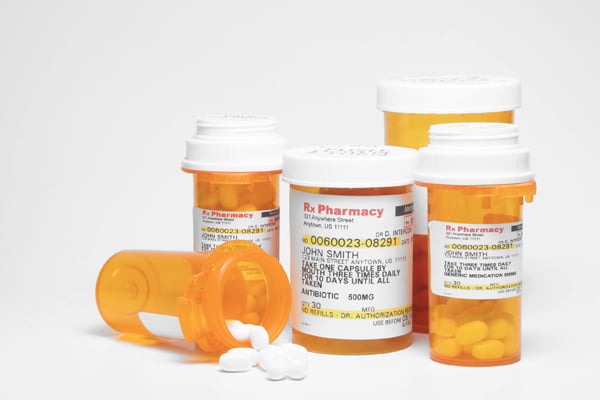
Canadian drug importation is a regulated policy pathway that may let states bring selected prescription medicines from Canada into the United States under federal oversight. It is not the same as browsing a Canada pharmacy online or choosing a private internet pharmacy. The goal is narrower: lower costs for eligible medicines while preserving testing, labeling, and traceability.
Why this matters is simple. Many people face unaffordable prescriptions, especially for long-term conditions. State programs, including Colorado’s work, try to create a controlled alternative that protects patients and public budgets.
Key Takeaways
- State programs need federal authorization before importing medicines.
- Only selected drugs and supply chains can qualify.
- Safety checks include testing, relabeling, and track-and-trace records.
- Colorado and other states continue to refine program plans.
- Online pharmacy research requires separate safety checks.
How Canadian Drug Importation Works
A state importation program works through a defined supply chain, not open retail shopping. A state or state agency proposes which medicines it wants to import, which Canadian suppliers may participate, and which U.S. entities will receive, test, relabel, and dispense the products.
Federal law requires these programs to show two things. First, imported medicines must not create added risk for the public. Second, the program must be expected to produce meaningful savings for patients, payers, or public programs. If those standards are not met, the pathway should not move forward.
These programs are often called Section 804 Importation Programs. They focus on prescription drugs that can meet specific equivalence, labeling, testing, and reporting requirements. Some drug categories are excluded by law or regulation, and states cannot simply import every medicine that costs less in Canada.
Why it matters: A regulated program should make each handoff visible, auditable, and accountable.
Colorado’s Progress and Why It Is Being Watched
Colorado has been one of the states exploring canadian drug importation as a cost-control tool. Its approach has focused on planning, supplier vetting, and identifying medicines where savings might be possible without weakening safety standards.
The state model is designed around phased implementation. That means officials can test program steps, review data, and adjust before expanding. For patients, this is important because safe importation depends on practical details: packaging, storage, lab testing, documentation, pharmacy dispensing, and recall procedures.
Colorado’s work also shows why importation is not a quick fix. A program must align state law, federal review, Canadian supply realities, wholesaler participation, and pharmacy operations. Any weak link can delay launch or limit scope.
For readers following access issues more broadly, biologic medicines and biosimilars raise related affordability questions. Our discussion of Humira Generic Access explains how competition and substitution can affect patient options in a different policy context.
What Other States Are Doing
Several states have passed laws or developed proposals for importation programs. Florida received federal authorization for a limited program serving certain state populations, subject to additional requirements. Other states have studied or submitted plans with different scopes and timelines.
These state efforts share the same basic challenge. They must prove that a specific importation model can maintain drug quality while lowering net costs. A headline price difference is not enough. Shipping, testing, relabeling, administration, contracts, and compliance all affect whether savings remain after implementation.
States also have to consider Canadian supply. Policymakers do not want importation efforts to create shortages for Canadian patients. This concern can influence which medicines are selected and how much volume a program can responsibly request.
How State Programs Differ From Online Pharmacy Searches
Many people searching for canadian drug options are really trying to answer a practical question: where can I safely access a needed medicine at a manageable cost? That search can lead to terms like best Canadian online pharmacy, list of Canadian online pharmacies, or pharmacies in Canada that ship to the U.S. Those searches are understandable, but they describe a different path from state importation.
A state program uses approved entities, documented supply chains, and U.S. dispensing processes. Private online pharmacy use depends on the patient’s situation, the pharmacy’s licensing, prescription verification, and applicable law. The safety questions overlap, but the regulatory structure is not the same.
When reviewing any cross-border option, look for basic safeguards. A legitimate service should require a valid prescription when one is required, provide access to pharmacist support, identify the dispensing pharmacy, and avoid unrealistic claims. BorderFreeHealth connects U.S. patients with licensed Canadian partner pharmacies, and prescription details may be verified with the prescriber before dispensing when required.
Some patients research specific medicines because access rules can vary by product and indication. For example, coverage and affordability questions can be complex for enzyme replacement products, as discussed in Creon Coverage. Others may face access questions around medicines with changing generic status, such as topics covered in Generic Myrbetriq.
Practical Safety Signals to Check
- Prescription requirement: Avoid sources that skip needed prescriptions.
- Licensing details: Look for verifiable pharmacy credentials.
- Physical location: Confirm a real business address.
- Pharmacist access: Check whether counseling is available.
- Clear sourcing: Review where dispensing occurs.
- Realistic claims: Be cautious with extreme promises.
Patient Protections Built Into Importation Plans
Patient protection is the central test for canadian drug importation. Programs must use controls that reduce the risk of counterfeit, diverted, degraded, or incorrectly labeled medicines entering the supply chain.
Common safeguards include product testing before distribution, relabeling to meet U.S. requirements, and documentation that follows the medicine through the supply chain. Storage and transport conditions also matter, especially for products sensitive to heat, cold, or handling.
Track-and-trace rules are especially important. They help regulators and supply-chain partners verify where a medicine has been and who handled it. If a recall or quality concern arises, documentation can help identify affected products more quickly.
Patients should still use normal medication safety habits. Confirm the medicine name at pickup, review directions with the pharmacist, and report unexpected packaging differences or side effects. If you experience symptoms that feel severe, unusual, or urgent after taking any medicine, seek medical care promptly.
Access, Costs, and Realistic Expectations
Importation may help with selected high-cost medicines, but it will not solve every affordability problem. Some medicines may not qualify. Others may not produce enough net savings after operational costs. Programs may also begin with public agencies before expanding to broader populations.
This is why patients often need several affordability conversations at once. A clinician may discuss therapeutic alternatives, generics, prior authorization, patient assistance, or pharmacy options. Insurers and public programs may apply different rules. People without insurance may also compare cash-pay, cross-border options when legally and clinically appropriate.
Access questions are also changing for newer therapies. Weight-management medicines, for example, have created complex coverage debates. Our overview of Medicare Weight Loss Drugs looks at one policy area where eligibility and coverage rules can strongly affect patients.
Quick tip: Keep a current medication list before comparing any access option.
Questions to Ask Before Relying on Any Cross-Border Option
Whether you are following a state program or evaluating a private pharmacy service, the same principle applies: do not separate affordability from safety. Lower cost only helps if the medicine is appropriate, authentic, and handled correctly.
Useful questions include:
- Who dispenses the medicine?
- Is a prescription required and verified?
- Which regulator oversees the pharmacy?
- How are storage conditions managed?
- What happens if there is a recall?
- Can a pharmacist answer medication questions?
Some readers may also encounter medicines with special regulatory or safety concerns. Domperidone is one example where access questions often require careful legal and clinical context. Our page on Domperidone Access explains why product-specific rules matter.
Authoritative Sources
For federal and Canadian regulatory context, review official sources rather than relying only on pharmacy marketing pages. The FDA importation final rule outlines the federal framework for state importation programs. Health Canada provides information on drugs and health products, including regulatory responsibilities. Its compliance and enforcement resources explain oversight tools used for regulated health products.
Recap
Canadian drug importation is best understood as a controlled public-policy pathway, not a general shortcut around U.S. pharmacy rules. Colorado and other states are testing whether specific medicines can be imported safely, transparently, and with real savings.
For patients, the practical takeaway is balanced. Follow state program updates, ask safety questions, and treat online pharmacy claims with care. Affordability matters deeply, but medication quality and clinical oversight matter just as much.
You can also browse broader access and policy updates in the News collection.
This content is for informational purposes only and is not a substitute for professional medical advice.


