

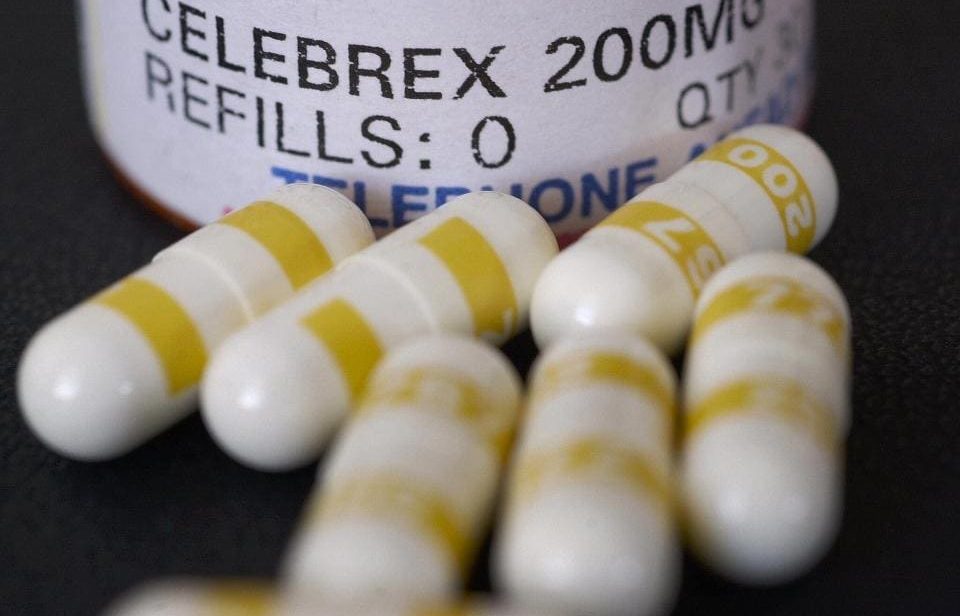
Celebrex side effects can range from mild stomach upset or headache to serious heart, stomach, kidney, liver, or allergic reactions. The goal is not to fear the medicine. It is to know what to watch, which risk factors matter, and when to seek medical help quickly.
Celebrex is the brand name for celecoxib, a COX-2 selective nonsteroidal anti-inflammatory drug, or NSAID. It may reduce pain and inflammation in certain arthritis and short-term pain conditions. Like all NSAIDs, it needs thoughtful use, especially if you have heart disease, high blood pressure, kidney disease, ulcers, or take medicines that raise bleeding risk.
Key Takeaways
- Common effects: Upset stomach, diarrhea, gas, headache, dizziness, and swelling can occur.
- Serious warnings: Chest pain, stroke symptoms, black stools, low urination, jaundice, or severe rash need urgent care.
- Risk factors matter: Age, dose, treatment length, alcohol, ulcers, heart disease, kidney disease, and other medicines can change safety.
- Dosing is individual: Do not adjust celecoxib or combine NSAIDs without clinical guidance.
- Monitoring helps: Blood pressure, swelling, stomach symptoms, and lab checks may catch problems earlier.
Celebrex Side Effects: Common Versus Serious Symptoms
The most common celecoxib side effects are usually digestive or general comfort issues. People may notice dyspepsia (indigestion), nausea, diarrhea, gas, abdominal discomfort, headache, dizziness, or mild fluid retention. These effects may be manageable, but they still deserve attention if they persist or affect daily life.
Some symptoms are more concerning because NSAIDs can affect blood vessels, the stomach lining, the kidneys, and fluid balance. Seek urgent medical help for chest pain, sudden shortness of breath, weakness on one side, slurred speech, fainting, black or bloody stools, vomiting blood, severe abdominal pain, severe skin blistering, or swelling of the face or throat.
Why it matters: Serious NSAID reactions can happen without much warning, including in people who previously tolerated the medicine.
Stomach symptoms deserve special caution. Celecoxib may have a lower ulcer risk than some nonselective NSAIDs for certain patients, but it can still cause bleeding, ulcers, or holes in the stomach or intestine. Risk may rise with older age, past ulcers, blood thinners, corticosteroids, heavy alcohol use, or longer treatment duration.
What Celecoxib Does and When It May Be Used
Celecoxib is both a pain reliever and an anti-inflammatory medicine. It blocks COX-2, an enzyme involved in making prostaglandins, which are chemical signals that contribute to pain and inflammation. This explains why it may help with pain, stiffness, and swelling in selected conditions.
People often ask what is Celebrex used for. It is used for conditions such as osteoarthritis, rheumatoid arthritis, ankylosing spondylitis, acute pain, and menstrual cramps, depending on the person and the prescriber’s assessment. The specific reason for use affects the dose, length of treatment, and monitoring plan.
If arthritis is the main reason for treatment, our overview of Celebrex and Arthritis explains how this medicine can fit into broader arthritis care. If you are comparing options, Celebrex vs Ibuprofen and Celebrex vs Meloxicam can help frame questions for a clinician.
Who Has a Higher Risk of Problems?
Some people need extra caution before using celecoxib. Higher-risk groups include older adults, people with heart disease or stroke history, people with high blood pressure, those with kidney or liver disease, and anyone with a history of stomach ulcers or gastrointestinal bleeding.
Side effects of Celebrex in the elderly can be harder to spot at first. Dizziness may raise fall risk. Fluid retention may worsen swelling or heart failure symptoms. Kidney strain may show up as less urination, sudden weight gain, confusion, or unusual fatigue rather than obvious pain.
Celebrex side effects in females are not completely separate from general NSAID risks, but life stage matters. Celecoxib may affect ovulation in some people, and NSAID use later in pregnancy can harm the fetus. People who are pregnant, trying to conceive, or breastfeeding should discuss risks and alternatives with a clinician before using it.
Medication combinations also matter. Blood thinners, aspirin, corticosteroids, selective serotonin reuptake inhibitors, ACE inhibitors, ARBs, diuretics, lithium, methotrexate, and other NSAIDs may raise the chance of bleeding, kidney strain, blood pressure changes, or toxicity. Always share prescription drugs, over-the-counter products, and supplements at each visit.
Dosage Questions, Missed Assumptions, and NSAID Comparisons
Celebrex dosage depends on the condition being treated, medical history, kidney and liver considerations, and other medicines. Many people search for specific strengths such as Celebrex 100 mg or Celebrex 200 mg, but dose decisions should come from the label and the prescriber’s plan, not from online comparisons.
Questions such as “can you take Celebrex 200 mg twice a day” or “what is the max dose in 24 hours” need individualized answers. The official label includes indication-specific dose ranges and warnings. A clinician may choose a lower effective dose or shorter duration when risks are higher.
Do not try to convert between NSAIDs by asking how many ibuprofen equal one Celebrex. These medicines differ in dosing, half-life, COX selectivity, interaction profile, and personal risk factors. Taking more than one NSAID at the same time can raise the chance of stomach bleeding, kidney injury, and blood pressure problems.
For a deeper dose-focused discussion, see Celebrex Dosage. If you are reviewing specific medication pages for context, Celecoxib and Celebrex provide product-level navigation without replacing clinical advice.
What to Avoid or Discuss Before Taking It
The safest plan starts before the first dose. Tell a clinician if you have a history of heart attack, stroke, heart failure, uncontrolled blood pressure, stomach bleeding, kidney disease, liver disease, asthma triggered by aspirin or NSAIDs, or allergy to sulfonamide medicines.
Alcohol deserves a separate conversation because it can irritate the stomach and may increase bleeding risk when combined with NSAIDs. If you drink, ask what level is considered safe for your situation. Our focused article on Celebrex and Alcohol covers the interaction in more detail.
- Other NSAIDs: Avoid stacking unless directed.
- Dehydration: Vomiting or diarrhea can raise kidney risk.
- Blood pressure changes: Check readings if advised.
- New swelling: Report ankles, hands, or rapid weight gain.
- Stomach bleeding signs: Treat black stools as urgent.
- Skin reactions: Get help for blistering or mouth sores.
Quick tip: Keep a simple symptom and blood pressure log if monitoring is part of your care plan.
If you monitor home blood pressure, averaging several readings can show trends more clearly than one isolated number. This calculator supports general tracking and does not provide medical advice.
Blood Pressure Average Calculator
Average home blood pressure readings and show a simple screening range.
These calculations are for education only and do not replace clinical advice, diagnosis, or treatment. Always confirm medical decisions with a qualified healthcare professional.
Stopping, Switching, and Long-Term Use
Stopping celecoxib usually does not cause withdrawal in the way some medicines can. The more common issue is a return of the underlying pain, stiffness, swelling, or menstrual cramps that the medicine was helping manage.
What are the side effects of stopping Celebrex? Some people notice rebound discomfort, reduced mobility, sleep disruption from pain, or headaches related to routine changes. These are not usually considered withdrawal effects, but they can still interfere with function.
Long-term use needs periodic review. A clinician may reassess blood pressure, kidney function, liver markers, anemia risk, stomach symptoms, and whether the medicine is still needed. If inflammation is driven by an autoimmune condition, disease-modifying therapy may reduce reliance on NSAIDs over time.
Alternatives depend on the diagnosis and risk profile. Some people may use acetaminophen, topical NSAIDs, physical therapy, injections, disease-modifying medicines, or non-drug strategies. Others may still be appropriate candidates for celecoxib with monitoring. For broader browsing, the Pain and Inflammation collection gathers related educational content.
Is Celecoxib Banned or Unsafe?
Celecoxib is not banned in the United States. It remains available with boxed warnings and precautions because NSAIDs can increase the risk of serious cardiovascular and gastrointestinal events in some people.
The confusion often comes from the history of another COX-2 inhibitor, rofecoxib, which was withdrawn from the market. Celecoxib was not handled the same way. Instead, regulators kept it available with warnings, dosing precautions, contraindications, and safety information that clinicians should consider.
So, is Celebrex safe? The better question is whether it is appropriate for a specific person at a specific dose and duration. Safety depends on age, diagnosis, cardiovascular risk, ulcer history, kidney function, pregnancy status, interacting medicines, and treatment goals.
BorderFreeHealth’s medication content is educational and should not replace prescriber review. When prescription access is relevant, prescription details may need verification with the prescriber before a partner pharmacy dispenses medication.
Authoritative Sources
For label-backed information on indications, warnings, dosing ranges, contraindications, and adverse reactions, review the official Celebrex prescribing information.
For patient-facing medication safety language, the MedlinePlus celecoxib drug information summarizes major warnings and precautions.
For a clinical overview of uses and side effects, see the Cleveland Clinic celecoxib capsule resource.
Recap
Celebrex side effects are best understood in two groups: common tolerability issues and serious warning signs. Stomach upset, headache, dizziness, and swelling may occur. Chest pain, stroke-like symptoms, black stools, severe abdominal pain, low urination, jaundice, facial swelling, or blistering rash need urgent evaluation.
If celecoxib is part of your care, use follow-up visits to ask about dose, duration, monitoring, interactions, alcohol, and what to do if pain returns after stopping. A clear plan can help balance pain relief with safety.
This content is for informational purposes only and is not a substitute for professional medical advice.


