

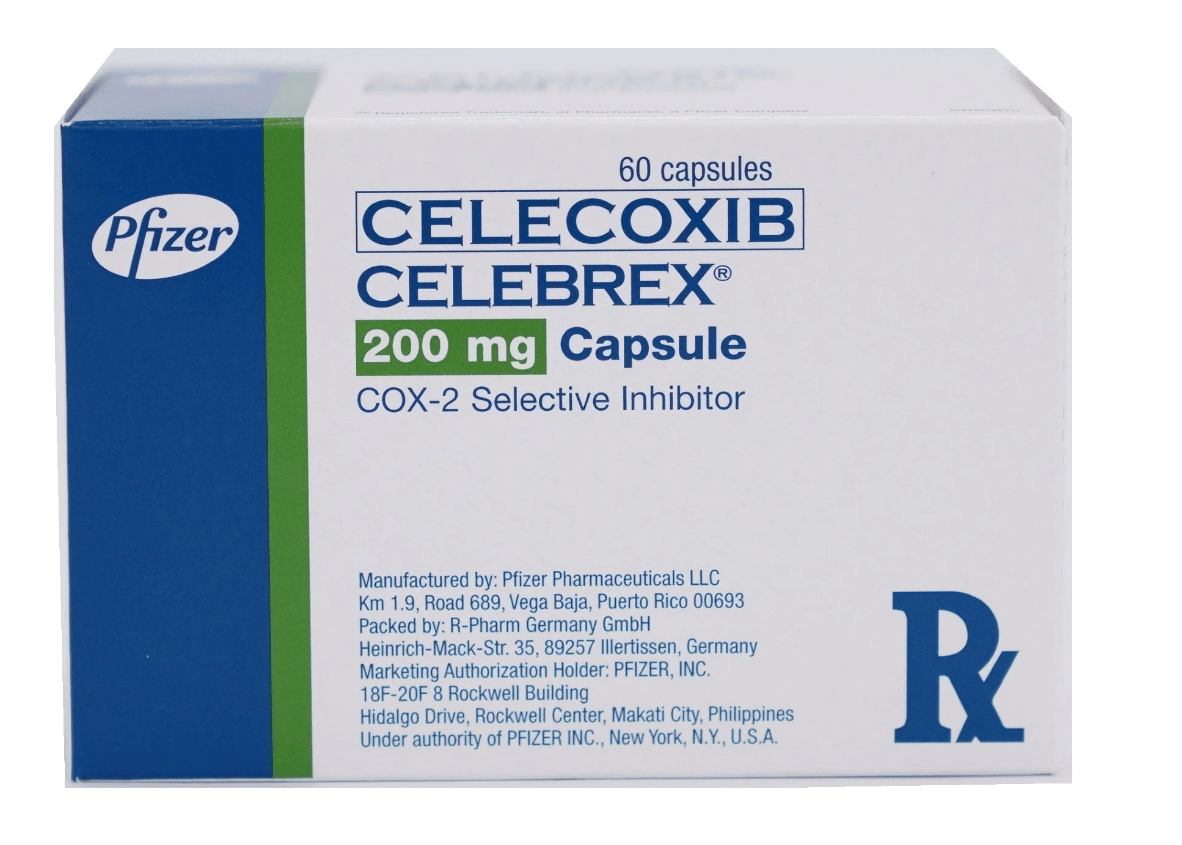
Celebrex vs Meloxicam is usually a safety trade-off, not a simple winner. Both are prescription nonsteroidal anti-inflammatory drugs, or NSAIDs, used to reduce pain and inflammation. Celebrex is the brand name for celecoxib, which is more COX-2 selective. Meloxicam is also COX-2 preferential, but less selective. That difference may affect stomach risk, while both medicines can still affect the heart, kidneys, blood pressure, and bleeding risk.
The safer choice depends on the person taking it. Ulcer history, heart disease, kidney function, age, blood pressure, aspirin use, blood thinners, and steroid medicines can all change the answer. If you are comparing arthritis and inflammation options more broadly, the Pain And Inflammation collection gives wider context.
Why it matters: Small NSAID differences can become meaningful when treatment is daily or long term.
Key Takeaways
- Both are prescription NSAIDs and neither is risk-free.
- Celecoxib may be easier on the upper stomach for some people.
- Both can raise concerns for heart, kidney, and blood pressure safety.
- Neither drug is universally stronger for every pain condition.
- They should not usually be combined with each other or other NSAIDs.
BorderFreeHealth connects U.S. patients with licensed Canadian partner pharmacies when eligible prescriptions are used through the service.
Celebrex vs Meloxicam at a Glance
The main difference is how selectively each drug blocks cyclooxygenase enzymes. These enzymes help form prostaglandins, chemical messengers involved in pain, inflammation, stomach protection, kidney blood flow, and platelet function. Celecoxib blocks COX-2 more selectively. Meloxicam has some COX-2 preference, but it can affect COX-1 more, especially as exposure increases.
That does not make one medicine automatically better. COX-2 selectivity can reduce some upper gastrointestinal risk, but it does not erase stomach, heart, kidney, or blood pressure concerns. The best comparison starts with your risk profile, not with the drug name alone.
| Comparison Point | Celecoxib | Meloxicam |
|---|---|---|
| Drug class | Prescription NSAID with stronger COX-2 selectivity | Prescription NSAID with partial COX-2 preference |
| Common use context | Often considered when upper-stomach risk is important | Often used as a familiar oral NSAID option |
| Stomach considerations | May cause fewer upper-GI problems in some people | Can still be tolerated, but GI risk remains |
| Heart and kidney issues | Can raise cardiovascular, kidney, and blood pressure concerns | Can raise cardiovascular, kidney, and blood pressure concerns |
| How to view strength | Response varies by condition and person | Response varies by condition and person |
People often search for a fixed dose match, such as comparing one common meloxicam dose with one common celecoxib dose. That framing can mislead. Equivalent relief depends on the condition, the dosing plan chosen by the prescriber, how the person responds, and what side effects appear. A medicine that works well for one person may be a poor fit for another.
If you want product-level context, the site lists Celebrex Details, Meloxicam Details, and Celecoxib Details. Product pages can help with names and general context, but they do not decide which NSAID is safer for an individual history.
Which Is Easier on the Stomach?
Celecoxib is often the more stomach-focused option in Celebrex vs Meloxicam discussions. Its stronger COX-2 selectivity may reduce upper gastrointestinal irritation, ulcers, or bleeding for some people compared with less selective NSAIDs. This is one reason clinicians may consider celecoxib when a person has prior indigestion or ulcer concerns.
Still, easier on the stomach does not mean safe for everyone. Both medicines can cause dyspepsia, which means indigestion or upper abdominal discomfort. Both can also contribute to ulcers, gastrointestinal bleeding, or perforation. These risks rise with older age, prior ulcer or bleeding history, heavy alcohol use, corticosteroids, blood thinners, and low-dose aspirin.
Symptoms do not always look dramatic at first. Burning pain, nausea, new reflux, loss of appetite, unexplained tiredness, or anemia may suggest poor NSAID tolerance. More urgent warning signs include black stools, vomiting blood, fainting, or sharp ongoing abdominal pain.
Meloxicam is not a fully COX-1-focused drug, so the comparison is not a cliff. It is more like a spectrum. Celecoxib sits further toward COX-2 selectivity, while meloxicam sits in the middle. That difference may matter most when stomach protection is a leading concern.
Heart, Kidney, and Blood Pressure Risks
Neither option is automatically safer for the heart or kidneys. Celebrex vs Meloxicam safety depends on the whole cardiovascular and kidney picture, including high blood pressure, heart disease, diabetes, smoking history, fluid retention, and chronic kidney disease.
All non-aspirin NSAIDs can increase the risk of heart attack and stroke. The risk may be higher in people who already have cardiovascular disease or risk factors. NSAIDs can also worsen blood pressure control or contribute to swelling. Celecoxib should not be viewed as heart-safe simply because it may be more stomach-sparing for some people.
Kidney effects deserve equal attention. NSAIDs can reduce blood flow through the kidneys, especially during dehydration, heart failure, chronic kidney disease, or use of certain blood pressure medicines and diuretics. New swelling, sudden weight gain, much less urination, or a notable rise in blood pressure should prompt medical review.
The phrase safest anti-inflammatory is often too broad. One person may need the lowest stomach risk. Another may need to avoid fluid retention, kidney strain, or blood pressure changes. The safer drug is the one that matches the person, the goal, and the shortest necessary duration.
Why Long-Term Use Needs Monitoring
Long-term NSAID use is usually about accumulating risk, not one predictable event. Clinicians may reassess whether the medicine is still needed, whether the lowest effective plan is being used, and whether blood pressure or kidney blood tests have changed. Follow-up needs vary by age, medical history, and medication burden.
When prescription details require confirmation, the dispensing pharmacy may verify them with the original prescriber before dispensing.
Effectiveness for Arthritis, Back Pain, and Inflammation
Neither drug is universally stronger for arthritis, back pain, or inflammation. Celebrex vs Meloxicam effectiveness depends on the pain source, the degree of inflammation, other treatments, and individual response. Some people notice better relief with one option. Others see little difference or stop because of side effects.
For osteoarthritis and rheumatoid arthritis, both medicines are common comparison points. They can reduce pain and inflammation, but they do not replace disease-modifying treatment when inflammatory arthritis requires it. If your comparison centers on joint disease, the Rheumatology collection can help frame the broader care picture.
Back pain needs a more careful lens. If pain is mainly inflammatory, an NSAID may help. If pain is mostly mechanical, muscular, or nerve-related, an NSAID may help only part of the problem. In that situation, asking which drug is stronger may miss the more important question: what is driving the pain?
For localized pain, an oral NSAID may not be the only path. Some people discuss topical options, such as Vimovo Details for stomach-protection context or other anti-inflammatory approaches, depending on the clinical situation. The right comparison should include risk exposure, symptom pattern, and treatment goals.
When One May Fit Better Than the Other
Celecoxib may fit better when upper-stomach risk is central, but that is not automatic. A history of ulcer bleeding, aspirin use, anticoagulants, steroid medicines, or severe reflux can all change the discussion. Some people may need stomach protection strategies, a different pain plan, or avoidance of oral NSAIDs altogether.
Meloxicam may fit better when a person has already used it successfully, tolerated it well, and has no clear reason to switch. Familiar response matters. So does the rest of the medication list. A drug that looks reasonable alone can become riskier when combined with diuretics, blood pressure medicines, blood thinners, corticosteroids, or certain antidepressants.
Some people wonder why doctors do not prescribe Celebrex more often. The answer is usually not that celecoxib does not work. Clinicians may avoid it because of cardiovascular history, allergy concerns, other medicines, prior response, formulary issues, or a preference for a different treatment strategy. Celecoxib contains a sulfonamide structure, so allergy history may be part of the conversation.
Others wonder why doctors do not prescribe meloxicam. Reasons may include kidney disease, uncontrolled blood pressure, swelling, ulcer history, aspirin or blood thinner use, or prior side effects. Sometimes the best answer is not a different NSAID, but a different pain strategy.
Quick tip: Bring a complete medication list, including over-the-counter pain relievers, to any NSAID review.
What to Avoid Before Starting or Switching
Do not take celecoxib and meloxicam together unless a clinician specifically tells you to. Combining NSAIDs usually stacks side effects more than benefits. The same caution applies to adding ibuprofen, naproxen, or other over-the-counter NSAIDs on top of either prescription medicine.
Low-dose aspirin needs separate review. It may be important for heart or stroke prevention in some people, but it can also increase bleeding risk when combined with NSAIDs. Blood thinners, corticosteroids, some antidepressants, ACE inhibitors, ARBs, and diuretics can also change the safety picture.
Before starting or switching, it helps to prepare a short decision list:
- Ulcer history: include bleeding, ulcers, or severe heartburn.
- Heart risk: note blood pressure, swelling, and cardiac history.
- Kidney concerns: mention kidney disease or dehydration episodes.
- Other medicines: list aspirin, blood thinners, steroids, and diuretics.
- Pain pattern: describe joint, back, injury, or nerve symptoms.
- Function goals: explain which daily activities matter most.
Seek urgent care for chest pain, sudden shortness of breath, one-sided weakness, black stools, vomiting blood, fainting, severe allergic symptoms, or major swelling with much less urine. These symptoms are not common, but NSAID complications can be serious when they occur.
Related Comparisons and Broader Options
If neither oral NSAID seems like an easy fit, the next step is often a broader comparison. Some people compare celecoxib with ibuprofen, while others compare meloxicam with ibuprofen. These are still NSAID conversations, so the same stomach, heart, kidney, and bleeding themes matter.
For related reading, see Celebrex vs Ibuprofen or Meloxicam vs Ibuprofen. If your main concern is side effects, Celebrex Side Effects and Meloxicam Side Effects In Elderly may help you prepare better questions.
The Pain And Inflammation Products category can also be used as a browseable list for related options. It is not a substitute for individualized medical review, especially when multiple risk factors are present. Some cash-pay cross-border prescription options may be available for eligible patients without insurance, depending on jurisdiction and prescription requirements.
Authoritative Sources
- For label-backed celecoxib details, review the MedlinePlus celecoxib information.
- For label-backed meloxicam details, review the MedlinePlus meloxicam information.
- For class-wide cardiovascular warnings, see the FDA NSAID safety communication.
In short, a good celecoxib vs meloxicam decision starts with the person, not the label alone. Celecoxib may be easier on the stomach for some people, while both medicines can affect cardiovascular, kidney, and blood pressure safety. The best next conversation focuses on your risk factors, your other medicines, and the specific pain problem being treated.
This content is for informational purposes only and is not a substitute for professional medical advice.


