

Please note: a valid prescription is required for all prescription medication.

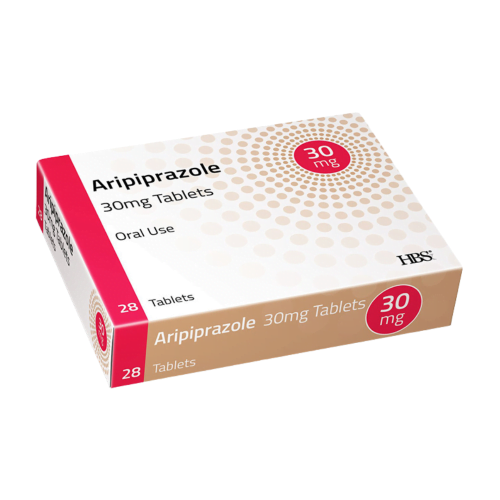


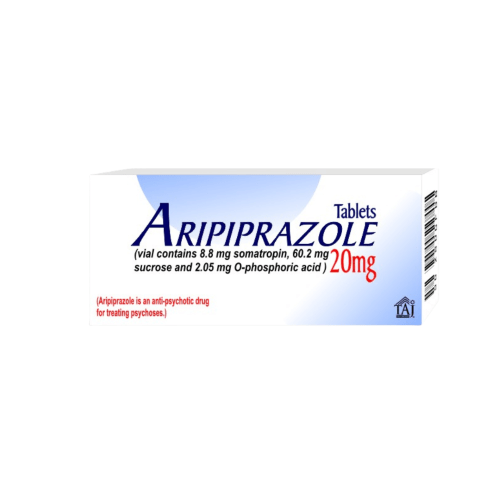
Aripiprazole
Buy Aripiprazole Online
Secure Encrypted Payments
Aripiprazole is an atypical antipsychotic medicine used to help manage schizophrenia, bipolar I disorder, and certain related mental health symptoms. It can be bought online through licensed pharmacy channels, with current aripiprazole price information shown during ordering. Choose the available dose or strength that matches your clinician’s directions, such as commonly used tablet strengths when offered.
Many people know aripiprazole by the brand name Abilify®, which contains the same active ingredient. Generic aripiprazole tablets and aripiprazole pills are often considered when a patient and clinician want the same active ingredient in a non-brand product. BorderFreeHealth provides U.S.-from-Canada service context for customers paying cash and reviewing Canadian supply choices.
Aripiprazole Price, Strengths, and Ordering Choices
Aripiprazole cost can vary by strength, quantity, manufacturer, and pharmacy supply. During ordering, select the available dose and quantity that match your current treatment plan. Commonly referenced oral tablet strengths include 2 mg, 5 mg, 10 mg, 15 mg, 20 mg, and 30 mg, although the exact choices shown may vary by manufacturer and inventory.
Customers often look for aripiprazole 5mg, aripiprazole 10 mg, aripiprazole 15 mg, or aripiprazole 2 mg because small dose differences can matter for tolerability and symptom control. Do not switch strengths, split tablets, or change timing unless your clinician has told you to do so. If your regimen is stable, matching refill quantity to follow-up visits may help reduce gaps and avoid unused medication.
People paying out of pocket may compare aripiprazole cash price, aripiprazole generic cost, and aripiprazole price without insurance. A lower price should still be weighed alongside continuity, the exact strength needed, and any monitoring plan your clinician recommends. Products are supplied through licensed pharmacies, and US shipping from Canada may be available as part of the order process.
What Aripiprazole Treats
Aripiprazole is used for several psychiatric conditions. It is approved for schizophrenia in adults and adolescents, acute manic or mixed episodes of bipolar I disorder, adjunctive treatment of major depressive disorder in adults, irritability associated with autistic disorder, and Tourette’s disorder in pediatric patients in specific age groups. Your clinician decides whether it fits your diagnosis, age, symptoms, and current medicines.
For schizophrenia, aripiprazole may help reduce hallucinations, delusions, disorganized thinking, and related symptoms. For bipolar disorder, it may be used for manic or mixed episodes, either alone or with other medicines depending on the clinical plan. In depression, it may be added when an antidepressant alone has not provided enough response.
Pediatric use is more specific. Aripiprazole may be used for irritability linked with autistic disorder and for Tourette’s disorder in age groups described by labeling. Families considering treatment for autism-related irritability should ask about expected goals, sleep effects, movement symptoms, appetite change, and how improvement will be measured over time.
Generic Aripiprazole and Abilify Relationship
Aripiprazole is the active ingredient in Abilify®. When people search for Abilify generic, they are usually referring to aripiprazole oral products that contain the same active ingredient as the brand product. Brand and generic naming can differ by market, so the important customer-facing details are the active ingredient, strength, dosage form, manufacturer, and clinician-directed regimen.
Generic aripiprazole tablets are not the same as long-acting injectable products that contain aripiprazole or aripiprazole-related ingredients. Searches for Abilify Maintena 400 mg, Abilify Maintena price, or other injectable brands involve different forms, administration schedules, and clinical requirements. If your treatment plan specifies tablets, do not substitute an injection or another formulation without direct clinical guidance.
Aripiprazole is also not the same as Xanax®. Xanax contains alprazolam, a benzodiazepine used for anxiety and panic-related conditions. Aripiprazole is an atypical antipsychotic with different effects, risks, and monitoring needs.
How This Medicine Works
Aripiprazole affects dopamine and serotonin signaling in the brain. It is often described as a dopamine D2 and serotonin 5-HT1A partial agonist, and a serotonin 5-HT2A antagonist. In plain language, it can increase or decrease activity at certain receptors depending on the brain pathway and existing chemical activity.
This receptor profile helps explain why aripiprazole can be used across psychosis, mood instability, irritability, and tic-related symptoms. It is sometimes called a mood-stabilizing antipsychotic in everyday conversation, but it is not the same as classic mood stabilizers such as lithium or valproate. Your clinician may use it alone or alongside other mental health medicines when appropriate.
Effects may build gradually. Some people notice changes in agitation, sleep, or restlessness earlier, while hallucinations, mood symptoms, or intrusive symptoms may take longer to improve. Keep appointments for dose assessment and safety monitoring, especially during the first weeks or after a change.
How to Take Aripiprazole Tablets
Aripiprazole tablets are usually taken once daily, with or without food. Taking the dose at the same time each day helps maintain consistent exposure. Some people take it in the morning if it feels activating, while others take it later if their clinician recommends that timing.
The starting dose and target dose depend on the condition being treated, age, other medicines, and side effects. For adjunctive depression treatment, clinicians commonly start lower and adjust cautiously. For schizophrenia or bipolar I disorder, dosing is selected from label-supported ranges and then individualized based on response and tolerability.
Swallow standard tablets with water unless your dispensed form has different directions. If orally disintegrating tablets or oral solution are used, follow the specific instructions for that form. Avoid alcohol or sedating substances unless your clinician has said they are safe with your treatment plan.
Quick tip: Keep a simple medication list with your aripiprazole strength, timing, and other medicines for visits and travel.
Missed Dose, Storage, and Travel
If you miss a dose, take it when remembered unless it is close to the next scheduled dose. If it is almost time for the next dose, skip the missed dose and return to your usual schedule. Do not take two doses at once to make up for a missed tablet.
Store tablets at room temperature in a dry place away from excess heat, moisture, and direct light. Keep the container closed and out of reach of children and pets. Do not store tablets in a bathroom cabinet if humidity is high.
When traveling, keep aripiprazole in the original labeled container and pack it in carry-on luggage. Bring a current medication list, especially if crossing borders or changing time zones. Prompt, express shipping may be used for eligible orders, but customers should still plan refills early enough to avoid running out.
Side Effects, Warnings, and Monitoring
Common aripiprazole side effects include nausea, vomiting, constipation, headache, dizziness, blurred vision, sleepiness, insomnia, anxiety, and restlessness. Akathisia is a specific type of restlessness that can feel like an inner need to keep moving. Report new or intense restlessness promptly because dose timing, dose adjustment, or additional management may be needed.
Weight change and appetite change can occur. Aripiprazole is sometimes perceived as less weight-promoting than certain other antipsychotics, but individuals vary. Monitoring may include weight, waist measurement, blood sugar, cholesterol, blood pressure, movement symptoms, sleep, mood, and symptom control. People with diabetes, high cholesterol, cardiovascular disease, seizures, or low white blood cell counts should discuss monitoring before and during treatment.
Serious risks can include neuroleptic malignant syndrome, tardive dyskinesia, severe allergic reactions, seizures, low white blood cell counts, high blood sugar, impulse-control problems, and orthostatic hypotension, which is a blood pressure drop when standing. Seek urgent care for high fever, severe muscle stiffness, confusion, fainting, uncontrolled movements, signs of stroke, severe rash, swelling of the face or throat, or trouble breathing.
Aripiprazole is not approved for dementia-related psychosis in older adults because antipsychotic medicines are associated with increased risk of death in this population. Stroke and transient ischemic attack have also been reported in elderly patients with dementia-related psychosis. Families should ask the treating clinician about risks, alternatives, and the reason for any proposed antipsychotic use in older adults.
Interactions and Cautions
Some medicines can raise aripiprazole levels, while others can lower them. Strong CYP3A4 inhibitors, such as ketoconazole or clarithromycin, and strong CYP2D6 inhibitors, such as fluoxetine or paroxetine, may increase exposure. Strong CYP3A4 inducers, such as carbamazepine or rifampin, may decrease exposure and reduce effect.
Alcohol, sedatives, sleep medicines, opioid pain medicines, and other central nervous system depressants can increase drowsiness, dizziness, or impaired coordination. Medicines that affect blood pressure may increase the risk of lightheadedness when standing. Tell your clinician and pharmacist about all prescription medicines, over-the-counter products, supplements, and herbal products you use.
Pregnancy and breastfeeding require individualized discussion. Untreated psychiatric illness can carry risks, and medication exposure can also carry risks. If pregnancy is possible, do not stop treatment suddenly without clinical guidance, because symptoms may return or worsen.
What to Expect Over Time
Aripiprazole treatment is usually assessed over weeks, not after a single dose. Early changes may involve sleep, energy, agitation, or restlessness. Core symptoms such as hallucinations, delusions, manic symptoms, intrusive irritability, or tic-related impairment may require longer evaluation.
Regular follow-up helps balance benefits and side effects. Your clinician may ask about mood changes, suicidal thoughts, impulse-control behaviors, abnormal movements, sleep disruption, appetite, and daily functioning. Lab monitoring may be used to watch blood sugar and lipids, particularly for people with metabolic risk factors.
Do not stop aripiprazole suddenly unless you are told to do so. Abrupt changes may lead to symptom return, withdrawal-like discomfort, or destabilization of the condition being treated. If side effects are troublesome, ask about timing, dose adjustment, alternatives, or supportive strategies rather than making changes on your own.
Related Mental Health Choices
Aripiprazole is one of several medicines used in mental health care. The right choice depends on diagnosis, symptom pattern, prior response, side effects, other medicines, and personal treatment goals. Some people stay with aripiprazole because once-daily tablets fit their routine, while others need a different antipsychotic or mood-focused therapy.
For schizophrenia, clinicians may compare aripiprazole with other atypical antipsychotics based on sedation, movement symptoms, metabolic effects, and symptom response. For depression add-on use, the decision may involve current antidepressant response, anxiety, sleep, restlessness, and weight concerns. For bipolar I disorder, aripiprazole may be part of a broader plan that includes mood stabilizers, psychotherapy, sleep routine, and relapse prevention.
If you are comparing Abilify price without insurance with aripiprazole Canadian pricing, focus on the active ingredient, strength, tablet form, quantity, and continuity of supply. Price matters, but the safest product choice is the one that matches the treatment plan and monitoring needs.
Questions to Ask Your Clinician
- Which symptoms should improve first, and how will progress be measured?
- What strength and timing should I use each day?
- Which side effects should prompt a call right away?
- Do my current medicines interact with aripiprazole?
- How often should weight, blood sugar, cholesterol, and movement symptoms be monitored?
- What should I do if I feel restless, unusually impulsive, very sleepy, or unable to sleep?
- How long should I continue treatment before reassessing the plan?
Authoritative Sources
- MedlinePlus aripiprazole drug information
- FDA prescribing information for aripiprazole
- Mayo Clinic aripiprazole oral route information
This content is for informational purposes only and is not a substitute for professional medical advice.
BMI Calculator
Estimate adult body mass index from height and weight, with metric and imperial units.
BMI
-
kg/m2 equivalent
Category
-
Adult screening range
These calculations are for education only and do not replace clinical advice, diagnosis, or treatment. Always confirm medical decisions with a qualified healthcare professional.
Weight-Loss Progress Calculator
Track percentage body-weight change and progress toward a target weight.
Weight change
-
current vs starting weight
Body weight change
-
percent of starting weight
Goal progress
-
change achieved toward goal
These calculations are for education only and do not replace clinical advice, diagnosis, or treatment. Always confirm medical decisions with a qualified healthcare professional.
Calorie & TDEE Calculator
Estimate resting energy needs and daily calorie range from age, sex, body size, and activity level.
Hold Ctrl or Cmd to select more than one calculator.
BMR
-
estimated calories/day at rest
Maintenance
-
BMR multiplied by activity
Weight loss guide
-
maintenance minus 500 kcal/day
These calculations are for education only and do not replace clinical advice, diagnosis, or treatment. Always confirm medical decisions with a qualified healthcare professional.
Waist-to-Height Ratio Calculator
Compare waist measurement with height as a simple metabolic-health screening estimate.
Ratio
-
waist divided by height
Range
-
below 0.5 is commonly used as a simple goal
Half-height marker
-
waist value at ratio 0.5
These calculations are for education only and do not replace clinical advice, diagnosis, or treatment. Always confirm medical decisions with a qualified healthcare professional.
Express Shipping - from $29.99
Shipping with this method takes 3-5 days
Prices:
- Dry-Packed Products $29.99
- Cold-Packed Products $39.99
Shipping Countries:
- United States (all contiguous states**)
- Worldwide (excludes some countries***)
Standard Shipping - $19.99
Shipping with this method takes 5-10 days
Prices:
- Dry-Packed Products $19.99
- Not available for Cold-Packed products
Shipping Countries:
- United States (all contiguous states**)
- Worldwide (excludes some countries***)
What is aripiprazole mainly used for?
Aripiprazole is mainly used for schizophrenia, bipolar I disorder manic or mixed episodes, adjunctive treatment of major depressive disorder in adults, irritability associated with autistic disorder, and Tourette’s disorder in specific pediatric age groups. The exact use depends on diagnosis, age, symptoms, and clinician judgment.
Is aripiprazole the same as Xanax?
No. Aripiprazole is an atypical antipsychotic used for conditions such as schizophrenia, bipolar I disorder, and certain add-on depression treatment. Xanax contains alprazolam, a benzodiazepine used for anxiety and panic-related conditions. They work differently and have different risks.
What are serious side effects of aripiprazole?
Serious risks can include neuroleptic malignant syndrome, tardive dyskinesia, severe allergic reaction, seizures, low white blood cell counts, high blood sugar, fainting from low blood pressure, and impulse-control problems. Urgent symptoms include high fever, severe stiffness, confusion, uncontrolled movements, swelling, breathing trouble, or signs of stroke.
Is aripiprazole a mood stabilizer?
Aripiprazole is an atypical antipsychotic, not a classic mood stabilizer like lithium or valproate. It may help treat manic or mixed episodes in bipolar I disorder and may be used in mood-related treatment plans, but its role should be individualized by a clinician.
Can aripiprazole cause weight gain?
Weight change can occur with aripiprazole. Some people gain weight, some have appetite changes, and others notice little change. Monitoring weight, blood sugar, and cholesterol is important, especially for people with diabetes, high cholesterol, or other metabolic risk factors.
How should aripiprazole tablets be stored?
Store aripiprazole tablets at room temperature in a dry place away from excess heat, moisture, and direct light. Keep the container closed and out of reach of children and pets. When traveling, carry it in the original labeled container.
What should I check before choosing an aripiprazole strength?
Match the strength and quantity to your clinician’s directions. Common tablet strengths include 2 mg, 5 mg, 10 mg, 15 mg, 20 mg, and 30 mg when available, but your daily dose should not be changed without clinical guidance.
Rewards Program
Earn points on birthdays, product orders, reviews, friend referrals, and more! Enjoy your medication at unparalleled discounts while reaping rewards for every step you take with us.
You can read more about rewards here.
POINT VALUE
How to earn points
- 1Create an account and start earning.
- 2Earn points every time you shop or perform certain actions.
- 3Redeem points for exclusive discounts.
You Might Also Like
Select options
This product has multiple variants. The options may be chosen on the product page
Select options
This product has multiple variants. The options may be chosen on the product page
Select options
This product has multiple variants. The options may be chosen on the product page
Select options
This product has multiple variants. The options may be chosen on the product page