

Key Takeaways
- Trulicity is approved for type 2 diabetes, not weight loss.
- Some people lose weight, but results vary widely.
- Side effects and dose changes often shape the experience.
- Comparisons with Ozempic depend on goals and tolerability.
If you are seeing changes on Trulicity weight loss may be on your mind. You may also be wondering what is normal. It helps to know what the medication can, and cannot, be expected to do.
This article shares realistic expectations, common dosing discussions, and safety basics. It also explains how to compare options without hype. Use it to support a calmer, more informed talk with your clinician.
How Trulicity Works in the Body
Trulicity (dulaglutide) is a GLP-1 receptor agonist. GLP-1 is a gut hormone that helps the body release insulin when needed. It also slows stomach emptying and can reduce appetite for some people.
Those effects are why people often ask, does Trulicity cause weight loss. For some, smaller portions feel easier, and snacking urges may soften. For others, appetite changes are mild, or they fade over time. Weight change can also reflect improved blood sugar, less glucose in the urine, and day-to-day eating patterns.
Note: Trulicity is FDA-approved for type 2 diabetes, not as a weight-loss medication. Indications and safety details are outlined in the Lilly prescribing information, including boxed warnings and who should avoid it.
Trulicity weight loss: Realistic Outcomes and Timelines
Weight changes with GLP-1 medicines tend to be gradual. Early weeks may bring small drops from eating less, but water shifts can also mask progress. Many people notice that the “feel” of hunger changes before the scale does.
It is common to search for what is the average weight loss with Trulicity, but averages hide important differences. Dose, side effects, baseline weight, and food habits all matter. So do sleep, stress, and other medications that affect appetite. A helpful mindset is “trend over time,” not day-to-day fluctuations.
Before-and-after stories can be motivating, but they are not a guarantee. Photos also miss context, like exercise routines or diet changes. If you want a clearer picture, track a few non-scale wins. Examples include waist fit, energy after meals, and fewer cravings at night.
Who Might Use Trulicity for Weight Changes (Including Off-Label Use)
Most people start Trulicity for blood sugar management in type 2 diabetes. Some also have heart or kidney risk factors, where glucose control can matter long term. If weight loss is a goal, it usually sits alongside these health priorities.
Some clinicians may prescribe GLP-1 medicines off-label for weight management. That includes situations where a person does not have diabetes. Off-label use can be appropriate in certain cases, but it needs careful screening. Your clinician may review pancreatitis history, gallbladder symptoms, and thyroid cancer history in the family.
If you are weighing different approaches, it can help to read through Weight Loss Treatments Options for a neutral overview of medication and lifestyle pathways. For broader browsing, Weight Management Options can be useful for comparing categories and formats.
Weekly Dosing Basics and a Trulicity dosage chart
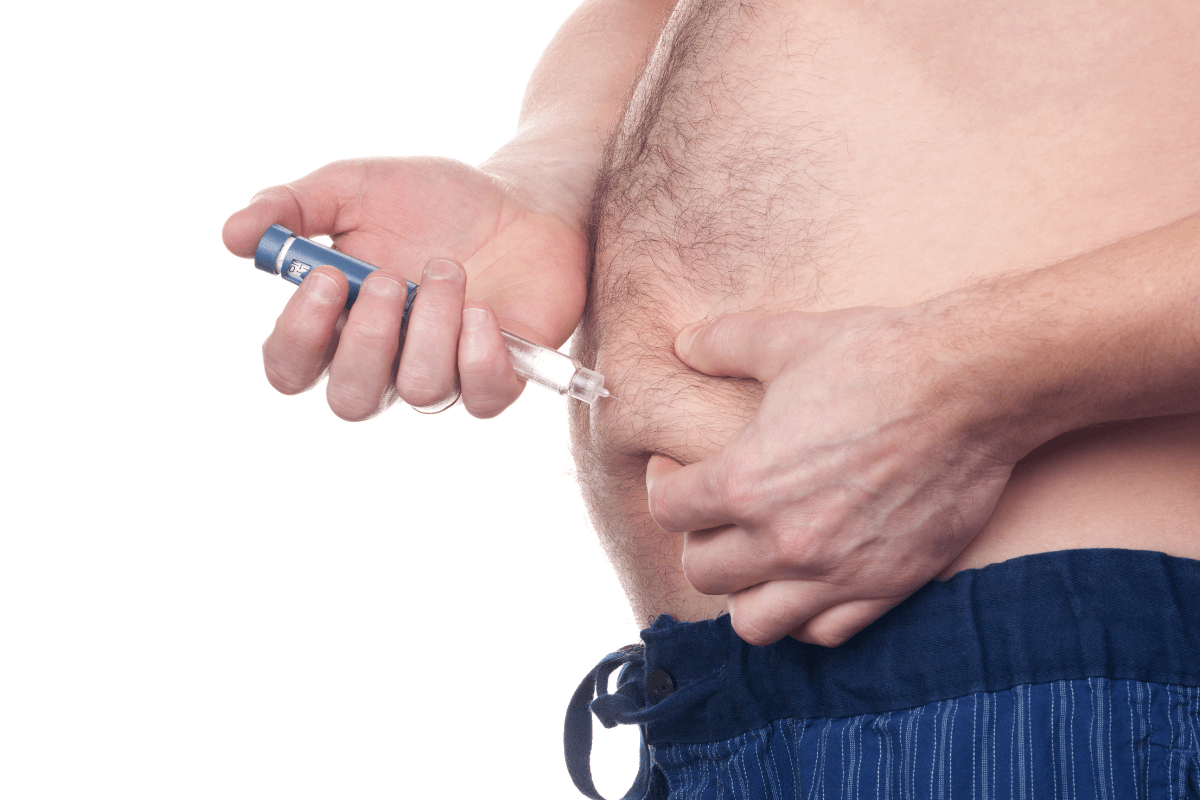
Trulicity is taken once weekly, on the same day each week. The pen is single-use, and the injection is typically into the abdomen or thigh. Many people find a repeating routine reduces missed doses and lowers stress.
Below is a simple Trulicity dosage chart that shows the strengths you may see. Dose selection and step-ups are individualized. Clinicians often consider blood sugar patterns, side effects, and treatment goals when they make changes.
| Pen Strength | General Notes |
|---|---|
| 0.75 mg weekly | Common starting strength for many adults |
| 1.5 mg weekly | Often used if additional glucose lowering is needed |
| 3 mg weekly | May be considered for further benefit if tolerated |
| 4.5 mg weekly | Higher-strength option for select patients |
For a deeper walk-through of typical schedules and missed-dose basics, Trulicity Dosage Guide can help you prepare for a clinician visit. If side effects are shaping your week, Manage Trulicity Side Effects offers practical comfort strategies to discuss.
Higher Strengths and the Trulicity 3 mg dose
Higher strengths are not “better” for everyone. They can improve blood sugar for some people, yet they may also bring more nausea, reflux, or constipation. Many clinicians aim for the lowest dose that meets goals and is still tolerable.
If you hear about the Trulicity 3 mg dose, it is usually in the context of step-up plans. A higher dose may be considered when blood sugar goals are not met on a lower dose. Tolerability matters just as much as lab numbers, especially if nausea is affecting meals and hydration.
What “Strongest Dose” Means in Practice
People often ask about the strongest dose of Trulicity, but “strongest” is not the same as “right for you.” Trulicity is available in multiple strengths, with 4.5 mg being the highest marketed dose in many regions. Higher doses can increase GLP-1 effects, which may improve glucose control for some. They can also intensify gastrointestinal side effects, especially during the first weeks after a change. That is why clinicians usually increase doses gradually and only when the current dose is well tolerated.
Decision Points: when to increase Trulicity dose
There is no single rule that fits everyone. In real care, the question of when to increase Trulicity dose often comes up after a few weeks of consistent injections. Clinicians may review fasting glucose, post-meal readings, and A1C trends. They may also check whether side effects are still settling or are disrupting daily life.
It also helps to review the basics of how you take it. Missed doses, injecting on different days, or stopping during travel can blur the picture. Food intake matters too, especially if nausea led to erratic eating for a while.
For official dosing language and safety cautions, the Drugs@FDA listing is a reliable place to confirm the latest label. Bring your logs to appointments so decisions are based on patterns, not guesswork.
Plateaus, Slow Progress, and Everyday Troubleshooting
A plateau can feel discouraging, especially after an encouraging start. Sometimes the body adapts to lower intake, or appetite effects fade. Other times, the routine is working, but stress, poor sleep, or less activity offsets it.
If progress feels slow, focus on a few checkable factors. Are meals more calorie-dense because smaller portions feel “earned”? Has nausea led to frequent grazing on crackers and snack foods? Are constipation and bloating adding temporary scale weight? A clinician or dietitian can help you choose changes that feel realistic.
It can also help to separate “scale weight” from metabolic goals. Better glucose control may still be a win, even if weight is steady. If your bigger goal is weight management, reading Best Weight Loss Injections can clarify how different injections are positioned and monitored.
Comparing Trulicity and Semaglutide: Trulicity vs Ozempic weight loss
Many people compare GLP-1 medications because they want clearer results or fewer side effects. The phrase Trulicity vs Ozempic weight loss comes up often for that reason. Ozempic contains semaglutide, which is also a GLP-1 receptor agonist. Even within the same drug class, response can differ from person to person.
When comparing options, it helps to think beyond the scale. Consider side effects, your comfort with dose changes, and how much flexibility you need for timing. Also factor in insurance rules and medication availability, which can change over time.
If you are comparing these two specifically, Trulicity Vs Ozempic can help you understand practical differences, including typical titration approaches. If you are looking at medication formats, Ozempic is one example of a semaglutide pen format to review with a clinician.
Combination Therapy Notes: metformin and Trulicity for weight loss
Metformin is a common first-line medication for type 2 diabetes. It can reduce liver glucose output and may modestly affect weight for some people. That is why people ask about metformin and Trulicity for weight loss, especially when they are used together.
In combination, the goal is usually better glucose control with complementary mechanisms. Weight change may happen, but it is not the only target. Side effects can overlap too, since metformin can also cause stomach upset. A clinician may adjust timing with meals, suggest slower titration, or consider an extended-release form.
If you are reviewing broader diabetes medication categories, Type 2 Diabetes Medications can help you see common options used alongside GLP-1 therapy. For another GLP-1 comparison that comes up in clinics, Mounjaro Vs Trulicity can help you frame questions about class differences and tolerability.
Side Effects, Red Flags, and Follow-Up Planning
Gastrointestinal side effects are common early on. Nausea, a “too full” feeling, reflux, constipation, or diarrhea may occur. Small, lower-fat meals and steady hydration can help, but persistent symptoms deserve medical attention.
Some symptoms should be discussed promptly. Severe or worsening belly pain, repeated vomiting, signs of dehydration, or yellowing of the skin can signal a problem that needs assessment. If you use insulin or a sulfonylurea with Trulicity, low blood sugar can also be a concern, especially when eating less.
Food choices can make side effects easier to manage. If you want gentle meal ideas and common triggers, Foods To Avoid With Trulicity is a practical starting point for planning. It also helps to schedule follow-ups around lab checks so decisions are based on data, not discomfort alone.
Recap
Trulicity is a diabetes medication that can also affect appetite and weight. Some people lose weight, while others stay steady. Dosing changes should be planned with a clinician, based on both benefits and side effects. If weight is a major goal, comparing GLP-1 options can help you set realistic expectations.
This content is for informational purposes only and is not a substitute for professional medical advice for your personal situation.


