Key Takeaways
Cosopt preservative free is a combination glaucoma eye drop that avoids added preservatives. That matters if you have sensitive eyes, dry eye, or long-term drop use.
- Two medicines, one drop: Dorzolamide + timolol work together to lower eye pressure.
- Preservative-free format: Often packaged in single-use containers instead of a multi-dose bottle.
- Safety is personal: Heart, lung, and allergy history can affect suitability.
- Administration details matter: Technique, spacing from other drops, and storage can change tolerability.
- Plan ahead: Refills and travel are easier with a simple routine.
Overview Of cosopt preservative free
This page explains what “preservative-free” means in everyday terms, plus the clinical basics behind this medication. You will also see how Cosopt PF (preservative-free dorzolamide/timolol) compares with preserved versions, possible side effects to watch for, and common practical questions. The goal is to support informed conversations with your eye-care clinician and pharmacist, not to replace their guidance.
Many people using glaucoma drops also manage dry eye, irritation, or contact lens routines. Those day-to-day factors can shape which bottle or formulation feels manageable. BorderFreeHealth also helps U.S. patients connect with licensed Canadian partner pharmacies for certain prescription needs, which can be relevant when you are comparing cash-pay options or navigating access gaps.
Core Concepts
What Cosopt PF Is (And Why It’s Prescribed)
Cosopt preservative free combines two medicines in one ophthalmic solution (eye drop). Dorzolamide is a carbonic anhydrase inhibitor (an eye-pressure reducer). Timolol is a beta-blocker (a medicine that can slow certain body responses). Together, they are used to help lower intraocular pressure (IOP), also called “eye pressure,” in conditions like glaucoma and ocular hypertension.
Lowering eye pressure is a long-term plan for many patients. The medication choice is usually based on eye findings, other health conditions, and how well you tolerate drops. If you want more condition-level background before comparing medicines, the Ophthalmology Articles hub can be a helpful place to browse related education.
What “Preservative-Free” Means In Real Life
Preservatives are additives that help prevent contamination in multi-dose bottles. One common preservative in eye drops is benzalkonium chloride (BAK), sometimes listed as BZK. Some people notice more stinging, dryness, or “gritty” sensations with preserved drops, especially with frequent use or existing ocular surface disease (a term that includes dry eye and surface irritation).
Preservative-free products are designed to avoid those additives. They often come in single-use containers to reduce contamination risk without a preservative. Ingredient lists can still vary by manufacturer, so it is smart to compare the carton, the insert, and the pharmacy label. For label-level details such as inactive ingredients and warnings, review the official product labeling with your clinician or pharmacist.
How Single-Use Containers Change Handling
Single-use packaging can be convenient, but it also changes routines. You may need to track how many containers you use each week. You may also need a clean place to open a container without touching the tip. Those small steps can reduce contamination risk, which matters for any eye drop.
Tip: If dexterity is an issue, ask about assistive devices. Some patients do better with drop guides or larger grips.
Safety Basics: Warnings, Contraindications, And Interactions
Even though these are eye drops, some of the medicine can be absorbed into the body. That is one reason your medical history matters. Timolol (a beta-blocker) may be a concern for people with certain breathing conditions or specific heart rhythm issues. Dorzolamide is related to sulfonamide medicines, so allergy history can be relevant too.
Interactions can also matter. For example, other beta-blockers (including some oral heart medications) may increase the chance of systemic side effects. This is not something to solve on your own. Instead, keep a current medication list and share it at every visit, including over-the-counter products and supplements.
Use In Pregnancy And Breastfeeding: What To Discuss
Pregnancy and breastfeeding decisions often involve balancing eye pressure control with medication exposure. Labels may include specific cautions, and your clinician may also factor in trimester, delivery plans, and other medicines you use. If you are trying to conceive, pregnant, or breastfeeding, bring it up early. That gives time to review options without rushing.
It can help to ask for the “why” behind any plan, including whether the concern is about the beta-blocker component, the carbonic anhydrase inhibitor component, or both. You can also ask what symptoms should prompt a call, especially if you notice breathing changes, unusual fatigue, or persistent eye irritation.
Practical Guidance
Cosopt preservative free tends to fit best when the routine is simple and consistent. The practical details below are meant to support safe use and better communication with your care team. They are not a substitute for the instructions on your prescription label.
BorderFreeHealth supports patients who need administrative help comparing prescription access pathways, including cash-pay routes that may be used by some people without insurance. When a prescription requires confirmation, the dispensing pharmacy may verify key details with your prescriber before it is filled.
Before You Start: A Quick Checklist For Your Next Visit
- Medication list: Include inhalers, heart meds, and allergy meds.
- Health history: Note asthma/COPD, slow heart rate, or fainting episodes.
- Eye history: Dry eye, surgeries, and past drop intolerance.
- Allergies: Include sulfa-related reactions and preservative sensitivities.
- Practical needs: Travel, dexterity limits, and refrigeration access.
Eye Drop Technique: Steps That Often Reduce Irritation
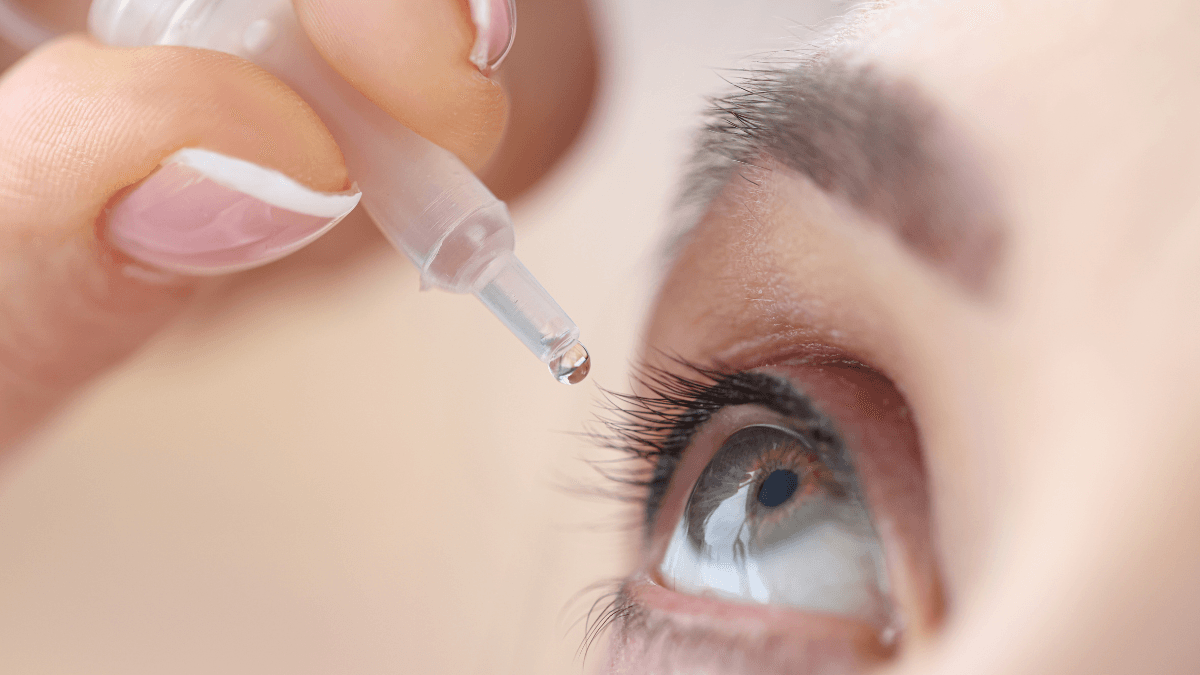
Technique can affect comfort and how much medication drains into the throat. Many clinicians recommend washing hands first, avoiding contact between the container tip and the eye, and gently closing the eyelid after instilling the drop. Some people are taught nasolacrimal occlusion (pressing lightly at the inner corner of the eye) to reduce drainage. If you were not shown, ask for a demonstration.
If you use more than one eye medication, spacing them out can help keep drops from washing each other out. Your prescriber or pharmacist can tell you what spacing is appropriate for your regimen. If you wear contact lenses, ask whether you should remove them before instilling drops and when it is safe to put them back in.
Storage, Shelf Life, And Travel Planning
Preservative-free containers can have different storage rules than multi-dose bottles. Keep the carton and read the storage section, since temperature and light guidance may vary. Also ask what to do if a container looks damaged, leaks, or was left open longer than intended. Those situations are common, and you should not have to guess.
For travel, carry enough supply for delays and keep medications in a temperature-stable bag. If you rely on multiple eye drops, consider a simple written schedule that matches your prescription labels. The Ophthalmology Products category can also help you identify related items you may be using, so you can double-check names during packing.
Compare & Related Topics
It is normal to compare options when your eyes feel irritated, your routine changes, or a product becomes harder to find. The “best” choice is individual. It depends on your diagnosis, IOP targets, side effect tolerance, and other health conditions. If you are deciding between a preserved product and a preservative-free one, focus on the ingredient list, container type, and your personal history of surface irritation.
For example, some people ask about a dorzolamide/timolol preservative-free generic. Availability can vary by country and supplier, and the packaging may differ. If someone tells you “Cosopt PF is discontinued,” treat that as a prompt to confirm with your pharmacy and prescriber rather than assuming it is permanent. BorderFreeHealth connects U.S. patients to Canadian dispensing partners in situations where cross-border access is appropriate and permitted, which can sometimes help when supply or coverage shifts.
| Topic | What To Look For | Why It Matters |
|---|---|---|
| Cosopt vs Cosopt PF | Preservative status, container type, inactive ingredients | May affect comfort for dry eye or sensitivity |
| Two-in-one vs separate drops | One bottle vs multiple, timing complexity | Fewer steps can improve consistency for some people |
| Other glaucoma classes | Different mechanisms and side effect profiles | Useful if you cannot tolerate one ingredient |
If your clinician discusses alternatives, you may hear brand names or ingredient names. Examples of related glaucoma medications include Trusopt (as a dorzolamide example for comparison) and Dorzolamide Timolol Solution (a combination product you may see listed differently). These links are best used as reference points so you can match names and ingredients during conversations.
Some patients also like to understand how clinicians think about eye monitoring and medication side effects. While it covers a different medicine, Plaquenil Eye Exam explains why eye checks matter for certain therapies. For broader context on how side effects can show up in the eyes, Plaquenil Side Effects On Eyes is another useful read.
Access Options Through BorderFreeHealth
If you are exploring cross-border pharmacy access, cosopt preservative free may come up as part of a larger “keep the regimen stable” plan. The safest starting point is still your prescriber. You will need a valid prescription, and the final dispensing decision depends on medication rules, patient eligibility, and jurisdiction.
BorderFreeHealth’s role is to help U.S. patients connect with licensed Canadian partner pharmacies for certain prescriptions. If the pharmacy needs clarification, it may confirm prescription details directly with the prescriber before dispensing. Some patients also look at cash-pay pathways, including situations where they are uninsured, but availability depends on the medication and legal requirements.
- Gather basics: Current prescription, prescriber contact, and medication history.
- Confirm the exact product: Preservative-free vs preserved, plus container format.
- Review eligibility: Location rules and prescription requirements may apply.
- Plan continuity: Avoid gaps by starting conversations early.
Authoritative Sources
Because labeling can change, the most reliable details come from official sources. This is especially important for warnings, contraindications, and ingredient lists. If you are comparing formulations, bring the label or a photo to your next appointment.
- DailyMed listing for COSOPT PF labeling (ingredients, warnings, and administration information)
- American Academy of Ophthalmology: Glaucoma overview (condition background and care concepts)
If you like to read medication explainers before appointments, What Plaquenil Does is a good example of how to break down indications, precautions, and monitoring. For organizing your routine discussions, Best Time Of Day can help you think about practical timing questions to bring to your prescriber. And if you track side effects across medications, Plaquenil And Teeth Issues shows how to document concerns clearly.
Recap: preservative-free glaucoma drops can be a meaningful quality-of-life choice, especially with dry eye or sensitivity. Keep the focus on the exact ingredients, the container type, and your personal risk factors. When access is complicated, ask for help early so you can avoid rushed switches.
This content is for informational purposes only and is not a substitute for professional medical advice.