

Please note: a valid prescription is required for all prescription medication.
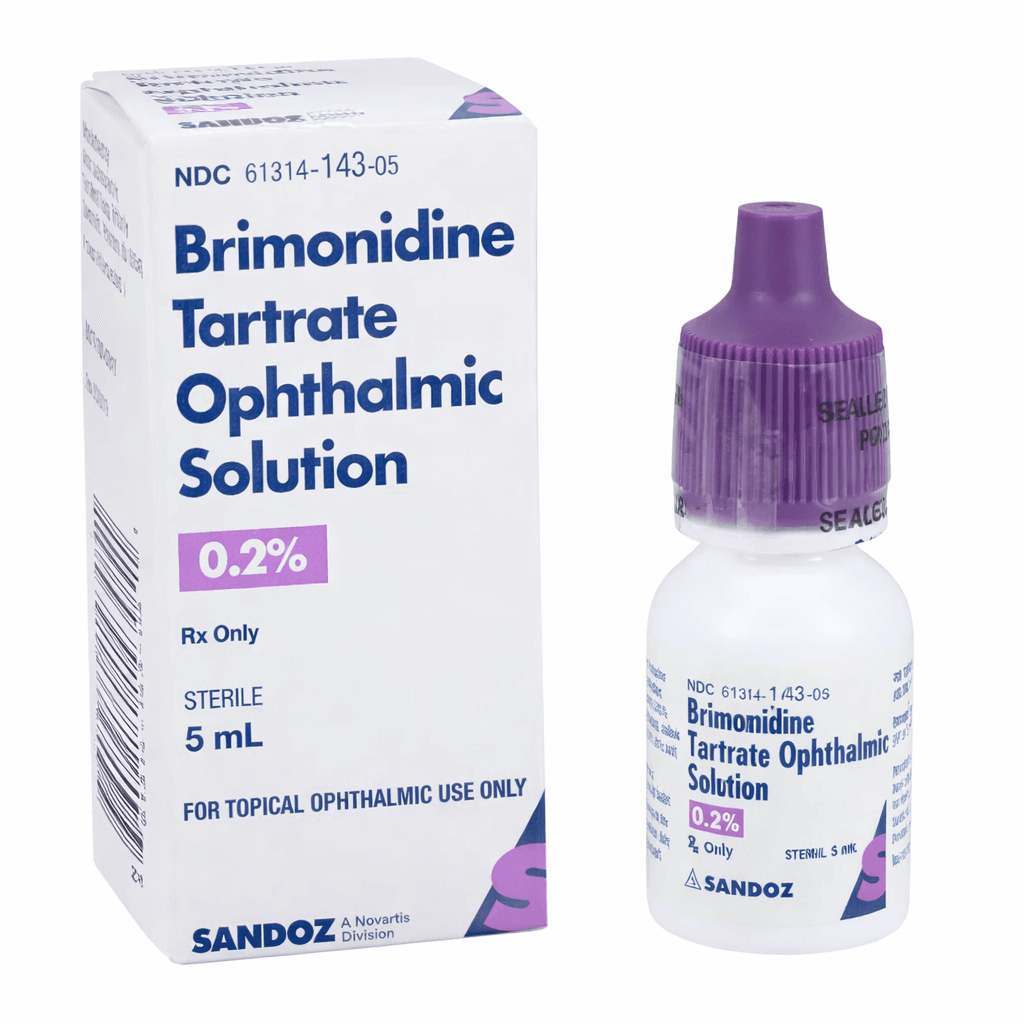
Brimonidine Tartrate Ophthalmic Solution
Buy Brimonidine Tartrate Ophthalmic Solution Online
Secure Encrypted Payments
Brimonidine Tartrate Ophthalmic Solution is an eye drop used to lower intraocular pressure, the pressure inside the eye, in people treated for open-angle glaucoma or ocular hypertension. It can be ordered online, with current pricing shown during checkout and the bottle strength selected to match clinician directions. Many people use this medicine as part of a long-term eye-pressure plan designed to help protect the optic nerve.
Brimonidine belongs to a class called alpha-2 adrenergic agonists. These medicines reduce pressure by lowering the amount of fluid made in the eye and helping fluid leave the eye more effectively. Consistent use, clean drop technique, and timely refills all matter because glaucoma care usually depends on steady pressure control rather than occasional treatment.
Price, Strength Selection, and Ordering
The Brimonidine Tartrate Ophthalmic Solution price can vary by concentration, bottle size, manufacturer, and pharmacy sourcing. During ordering, choose the strength and quantity shown for the product and match those details to the directions given by your eye-care clinician. If your regimen includes more than one eye drop, keep each bottle’s name and concentration clear to avoid accidental mix-ups.
Commonly referenced brimonidine ophthalmic concentrations include 0.2%, 0.15%, and 0.1%, though exact availability can vary. Some people recognize these strengths through branded brimonidine families, including Alphagan-related products, rather than by the percentage printed on the label. The final carton and bottle should clearly show the active ingredient, concentration, directions, expiration date, and storage instructions.
We may help review order details so the medicine selected matches the intended eye-care plan. For people paying out of pocket, comparing the displayed total against refill timing can help prevent gaps in therapy. If cross-border service applies, the order may include US shipping from Canada with prompt, express shipping.
| Label detail | Why it matters | What to do before use |
|---|---|---|
| Concentration | Different strengths are not interchangeable without clinician direction | Match the percentage to your treatment instructions |
| Bottle size | Size affects refill timing and how long a bottle may last | Plan refills before the bottle runs out |
| Inactive ingredients | Preservatives may affect comfort or contact lens use | Read the label and ask about irritation |
| Expiration date | Old drops may be less reliable or unsafe | Do not use an expired or contaminated bottle |
What This Eye Drop Treats
Brimonidine Tartrate Ophthalmic Solution is used in the treatment of elevated eye pressure associated with open-angle glaucoma and ocular hypertension. Open-angle glaucoma is a chronic eye condition in which pressure-related stress can damage the optic nerve over time. Ocular hypertension means eye pressure is higher than normal, even if optic nerve damage has not been diagnosed.
Lowering intraocular pressure is one of the main ways clinicians reduce the risk of glaucoma progression. Brimonidine may be used alone or with other pressure-lowering eye drops, depending on target pressure, tolerability, and eye exam results. For broader condition information, see the internal sections on glaucoma and ocular hypertension.
People often feel well even when eye pressure is too high. That is why routine eye-pressure checks, optic nerve exams, and visual field testing remain important during treatment. The medicine helps manage pressure, but monitoring helps determine whether the overall plan is working.
How Brimonidine Works in the Eye
Brimonidine is an alpha-2 adrenergic agonist, which means it acts on specific receptors involved in fluid dynamics inside the eye. The eye constantly makes and drains aqueous humor, a clear fluid that helps maintain eye shape and pressure. When fluid production and drainage are not balanced, pressure can rise.
This medicine helps lower pressure mainly by decreasing aqueous humor production and supporting fluid outflow. The effect is local to the eye, but small amounts can still be absorbed into the body. That is why symptoms such as tiredness, dizziness, dry mouth, or low blood pressure sensations should be taken seriously, especially if they begin after starting or restarting drops.
Why it matters: Eye pressure control depends on both the medicine’s effect and your ability to use it consistently.
How to Use the Drops Safely
Follow the directions provided by your clinician and the bottle label. Brimonidine directions are often written as one drop in the affected eye or eyes several times daily, with spacing intended to keep pressure control steady. Do not change the schedule, add extra drops, or stop treatment because your eyes feel normal unless your clinician tells you to do so.
Good technique can improve comfort and reduce contamination risk. Wash your hands, tilt your head back, pull down the lower eyelid, and place one drop into the pocket without touching the bottle tip to your eye, lashes, fingers, or skin. Close the bottle right away after dosing. If a drop misses the eye, follow the instructions you were given rather than guessing or repeatedly squeezing drops.
If you use more than one ophthalmic medicine, separate drops by several minutes so the second drop does not wash out the first. Ointments, if used, are usually applied after liquid drops because they can block absorption. For more practical context on branded brimonidine dosing discussions, the Alphagan eye drops dosage and side effects article may help you prepare questions for an eye-care visit.
- Wash hands before every dose.
- Do not touch the dropper tip.
- Keep the cap tightly closed.
- Separate different eye drops by several minutes.
- Track doses if your schedule is easy to forget.
Strengths, Forms, and Brand Relationships
Brimonidine Tartrate Ophthalmic Solution is a sterile ophthalmic solution supplied in multi-dose dropper bottles. Brimonidine is the active ingredient, while inactive ingredients and preservatives can differ by manufacturer or formulation. Those differences can affect comfort, contact lens instructions, and tolerability, so the label should be read each time a bottle is dispensed.
Some brimonidine products are sold under brand names, including Alphagan, Alphagan P, and related regional formulations. Generic and brand names can also vary by market. A product supplied through licensed pharmacies should still be matched by active ingredient, concentration, and label directions rather than by name alone.
Related brimonidine choices include Alphagan Ophthalmic Solution, Alphagan P Ophthalmic Solution, and Alphagan Z Ophthalmic Solution 0.1%. These references can help when a clinician discusses brand-specific formulations, but any substitution should be based on the exact concentration and formulation intended for your eyes.
Storage, Handling, and Travel
Most brimonidine eye drops are stored at controlled room temperature, away from freezing and excessive heat. Keep the bottle tightly closed when it is not in use. Do not use the solution if the seal is broken, the liquid changes color, particles appear, or the bottle tip becomes visibly contaminated.
Eye drops can become contaminated if the tip touches the eye, hand, counter, or any unclean surface. Contaminated drops may cause irritation or infection, which can complicate glaucoma care. If redness, discharge, pain, or unusual swelling appears, stop guessing about the cause and contact a healthcare professional promptly.
When traveling, keep the bottle in a clean pouch with the pharmacy label or written medication list. Carrying eye drops with you can reduce exposure to temperature extremes in checked luggage. If you keep separate home and travel bottles, rotate them by expiration date and avoid using an old bottle simply because it is convenient.
Side Effects, Warnings, and Monitoring
Brimonidine eye drops can cause local eye symptoms and whole-body effects. Common local effects include burning, stinging, redness, itching, watery eyes, dry eyes, blurred vision, or a foreign-body feeling. Dry mouth, headache, fatigue, drowsiness, dizziness, and an unusual taste may also occur in some people.
Allergic-type eye reactions are an important reason people stop brimonidine. These reactions may develop after weeks or months, not only after the first dose. Watch for increasing redness, itching, eyelid swelling, discharge, or worsening irritation. The Combigan side effects article discusses patterns seen with a brimonidine-containing combination product and may help frame symptom questions.
Serious reactions need urgent attention. Seek immediate help for severe eye pain, sudden vision changes, swelling of the face or throat, trouble breathing, fainting, or extreme sleepiness. Very young children are particularly vulnerable to serious drowsiness and breathing problems from brimonidine exposure, so these drops must be stored securely and used only as directed by a qualified professional.
Extra caution may be needed for people with low blood pressure, circulation problems, cardiovascular disease, depression, fainting history, or conditions that increase sensitivity to sedating medicines. Monitoring may include eye-pressure measurements, optic nerve checks, visual field testing, and discussion of side effects. Pressure numbers alone do not tell the whole story; tolerability and day-to-day use also affect treatment success.
Interactions and Medicines to Discuss
Brimonidine may interact with medicines that affect the central nervous system, mood, or blood pressure. Important categories include monoamine oxidase inhibitors, tricyclic antidepressants, sedatives, alcohol, sleep aids, antihistamines that cause drowsiness, and blood pressure medicines. Combining effects can increase dizziness, sleepiness, or low blood pressure symptoms.
Using multiple glaucoma drops together is common, but the schedule should be clear. A beta-blocker drop, prostaglandin analog, carbonic anhydrase inhibitor, alpha agonist, or combination drop may each have different timing and safety considerations. Bringing all eye drops and oral medicines to eye appointments can help the clinician identify interactions and simplify the plan.
Do not assume an eye drop cannot affect the rest of the body. Pressing gently at the inner corner of the eye after a drop, if your clinician has shown you how, may reduce drainage into the nose and throat. This technique may lower systemic exposure for some eye medicines, but it should not replace professional guidance.
Related Glaucoma Treatment Choices
Glaucoma medicines are chosen based on target eye pressure, dosing frequency, side-effect history, other medical conditions, and test results. Brimonidine is one option among several pressure-lowering classes. Some people need one medicine, while others need combination therapy to reach pressure goals.
Combination products can reduce the number of bottles but may add cautions from each active ingredient. Combigan combines brimonidine with timolol, a beta-blocker. For readers weighing class differences, the article on Combigan uses and safety tips explains practical issues that may come up with combination therapy.
Other related choices may include prostaglandin analogs, beta-blockers, carbonic anhydrase inhibitors, and medicines used in specific circumstances. For a broader discussion of regimen changes, see alternatives to Combigan. To browse eye-care medicines and education by category, visit ophthalmology products or ophthalmology articles.
When to Contact a Clinician
Contact a healthcare professional if eye redness, itching, swelling, discharge, blurred vision, or pain worsens after starting Brimonidine Tartrate Ophthalmic Solution. Also ask for guidance if fatigue, dizziness, faintness, dry mouth, or mood changes become troublesome. These symptoms may reflect tolerability problems, interactions, or the need for a different eye-pressure plan.
Ask before using the drops with contact lenses, especially if the bottle contains a preservative. Some labels instruct users to remove lenses before dosing and wait before reinserting them. If you have eye surgery, an eye infection, a new eye injury, or a major change in other medicines, the eye-care plan may need reassessment.
Quick tip: Keep a small medication list with drop names, strengths, and dosing times.
Authoritative Sources
For official labeling language and detailed prescribing information, consult DailyMed drug labeling from the U.S. National Library of Medicine. For patient-friendly medication guidance, see MedlinePlus brimonidine ophthalmic information.
This content is for informational purposes only and is not a substitute for professional medical advice.
Express Shipping - from $29.99
Shipping with this method takes 3-5 days
Prices:
- Dry-Packed Products $29.99
- Cold-Packed Products $39.99
Shipping Countries:
- United States (all contiguous states**)
- Worldwide (excludes some countries***)
Standard Shipping - $19.99
Shipping with this method takes 5-10 days
Prices:
- Dry-Packed Products $19.99
- Not available for Cold-Packed products
Shipping Countries:
- United States (all contiguous states**)
- Worldwide (excludes some countries***)
What is Brimonidine Tartrate Ophthalmic Solution used for?
Brimonidine Tartrate Ophthalmic Solution is used to lower elevated intraocular pressure in people treated for open-angle glaucoma or ocular hypertension. Lowering eye pressure can help reduce the risk of ongoing optic nerve damage when it is part of a monitored eye-care plan.
How does brimonidine lower eye pressure?
Brimonidine is an alpha-2 adrenergic agonist. It helps lower pressure by reducing fluid production inside the eye and supporting fluid outflow. Regular eye-pressure checks help determine whether the treatment plan is meeting the intended target.
What side effects can brimonidine eye drops cause?
Common effects include burning, stinging, redness, itching, watery eyes, dry mouth, headache, blurred vision, fatigue, or drowsiness. Seek urgent help for severe eye pain, sudden vision changes, facial or throat swelling, trouble breathing, fainting, or extreme sleepiness.
Can I use Brimonidine Tartrate Ophthalmic Solution with other eye drops?
Brimonidine is often used with other glaucoma medicines, but the timing should be clear. Separate different eye drops by several minutes unless your clinician gives different instructions, and keep a current list of all eye and oral medicines.
How should I store brimonidine eye drops?
Store the bottle according to its label, usually at controlled room temperature and away from freezing or excessive heat. Keep it tightly closed, avoid touching the dropper tip, and do not use drops that look discolored, cloudy, contaminated, or expired.
Rewards Program
Earn points on birthdays, product orders, reviews, friend referrals, and more! Enjoy your medication at unparalleled discounts while reaping rewards for every step you take with us.
You can read more about rewards here.
POINT VALUE
How to earn points
- 1Create an account and start earning.
- 2Earn points every time you shop or perform certain actions.
- 3Redeem points for exclusive discounts.
You Might Also Like
Select options
This product has multiple variants. The options may be chosen on the product page
Select options
This product has multiple variants. The options may be chosen on the product page
Select options
This product has multiple variants. The options may be chosen on the product page
Select options
This product has multiple variants. The options may be chosen on the product page