
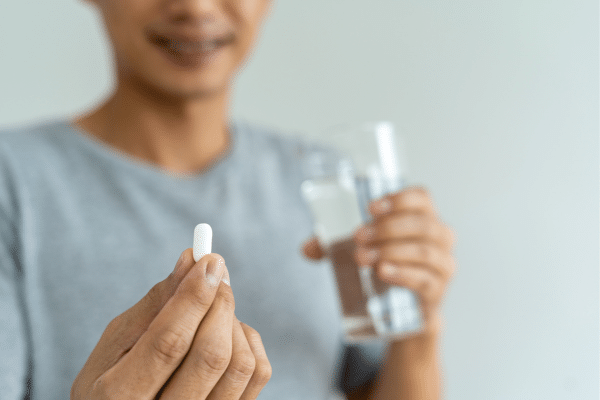
Colchicine dosage is safest when it follows the exact schedule on the label or from your prescriber, not a self-adjusted plan. That matters because colchicine has a narrow therapeutic index, meaning the gap between a helpful amount and a harmful amount can be small. In adult gout care, the schedule often differs for an active flare versus flare prevention. Food is optional, grapefruit is usually not, and kidney or liver problems can make the same amount less safe. This page explains timing, maximum limits, food warnings, and the practical checks that help prevent avoidable toxicity.
Colchicine works by calming the inflammatory response triggered by needle-like uric acid crystals. It is used for more than one condition, but the questions below focus on common adult gout-related use. For broader reading, the Rheumatology and Pain And Inflammation hubs offer related context.
Many people search for one safe amount, but colchicine is a good example of why context matters. The reason for use, the spacing between doses, and the interaction list all matter as much as the tablet strength itself.
Key Takeaways
- Flare treatment and prevention use different schedules.
- The labeled flare limit should never be exceeded.
- Food may help nausea, but grapefruit should be avoided.
- Kidney, liver, and drug interactions can raise toxicity risk.
- Missed doses should not be doubled.
How Colchicine Dosage Is Usually Planned
A colchicine plan is based first on why the medicine is being used. A short course for a gout flare is not the same as a lower, ongoing schedule used to help prevent future flares. The timing also changes if a person has reduced kidney or liver function, takes other interacting medicines, or has had side effects before.
That is why colchicine dosage cannot be borrowed from a friend, reused from an old flare, or guessed from general pain medicine habits. Unlike many over-the-counter drugs, colchicine has a narrow safety margin. Small changes in dose spacing, repeated redosing, or strong interactions can push drug levels too high.
Searches about adult dosing or daily amounts sound simple, but the answer is rarely one number. A healthy adult treating a new flare may get a very different plan from an adult taking colchicine to help prevent flares while another gout medicine is being started. That is also why instructions about how long to use it can vary so much.
It also works differently from NSAIDs and steroids. Colchicine targets the inflammatory cascade around urate crystals instead of acting like a standard pain reliever. This article stays at the educational level: it can help you understand why a plan looks the way it does, but it should not be used to set a personal dose.
Why it matters: A schedule that seems only slightly higher can carry a much larger safety risk with colchicine.
BorderFreeHealth works with licensed Canadian partner pharmacies.
Safe Timing Between Doses
Timing matters because colchicine toxicity is more likely when doses are taken too close together or repeated sooner than directed. If the medicine is being used daily for prevention, taking it at the same time each day can help with consistency. If it is being used for a flare, follow the specific interval on the label or from the prescriber rather than creating a custom schedule.
For daily use, consistency is more useful than choosing a perfect morning or night time. Pick a routine you can remember and that fits meals or other medicines if that reduces missed doses. What matters most is not moving doses closer together just because a dose was forgotten earlier or symptoms feel intense.
If you use a pillbox or phone reminder, set it around the exact interval rather than a rough part of the day. During a painful flare, people sometimes reach for another dose too soon because the first dose has not fully helped yet. That is an easy way to cross a safety line.
People often ask how long to take colchicine for gout. The answer depends on the goal. Flare treatment is usually short-term, while prevention can continue longer as part of a broader gout plan. The safest rule is simple: do not keep using flare instructions once the flare plan ends, and do not turn a prevention schedule into flare dosing on your own.
If a dose is missed, most product labeling advises taking it when remembered unless it is nearly time for the next scheduled dose. The next step is not to double up. If a dose causes vomiting or severe stomach upset, do not automatically repeat it unless your instructions clearly address that situation. When a schedule is complicated or the purpose of the prescription is unclear, a pharmacist or prescriber should clarify which directions apply.
Timing questions come up with other anti-inflammatory medicines too. If you are comparing schedules across drugs, pages such as When To Take Celebrex and Celebrex Dosage can help show why one drug’s routine should not be copied to another.
Maximum Limits and Why More Is Not Better
The labeled maximum for treating a gout flare is there to prevent toxicity, not to limit relief unnecessarily. U.S. prescribing information for oral colchicine sets a maximum total dose of 1.8 mg over 1 hour for a flare treatment course. Going above that does not reliably add benefit, but it can sharply increase harm.
This shift toward lower-dose treatment reflects what clinicians learned from older, higher-dose approaches. The main result of too much colchicine was often more nausea, vomiting, diarrhea, and abdominal pain, not better control. Severe overdose or drug accumulation can be much more serious and may affect muscles, nerves, blood counts, or multiple organs.
Another reason limits confuse people is that instructions may be written differently across products and countries. Some directions describe the cap for an acute flare, while ongoing prevention schedules have their own separate rules. The safest reference is the label or pharmacist instructions attached to the product you actually received, not a number copied from a generic internet summary.
A colchicine dosage that causes intense stomach symptoms should not be brushed off as routine. Diarrhea and vomiting are common early warning signs that the medicine may be too much for the body, especially when kidney function is reduced or another interacting drug is on board. Seek urgent medical help for severe or rapidly worsening symptoms, major weakness, numbness, trouble breathing, or signs of infection.
All dose ceilings serve the same basic purpose: keep benefit and safety in balance. If you are comparing how different anti-inflammatory drugs handle dose limits, related reading on Meloxicam Dose Basics, Celebrex Side Effects, and Meloxicam Vs Ibuprofen shows how safety rules vary by medicine.
Food, Grapefruit, and Alcohol Warnings
Colchicine can usually be taken with or without food. Food does not make the drug work better, but it may reduce nausea or stomach upset in some people. If colchicine bothers your stomach on an empty stomach, taking it with a light meal may feel easier, as long as that matches the labeling or pharmacist instructions.
Should it be taken on an empty stomach? Usually that is not required. The better question is whether taking it with food makes the schedule easier to tolerate. If nausea appears only on an empty stomach, that detail is worth raising before someone decides the medicine is not working or stops it abruptly.
Grapefruit is the clearest food warning. Grapefruit and grapefruit juice can interfere with CYP3A4, a liver enzyme that helps break down colchicine. They may also affect P-glycoprotein, a transport protein that helps move the drug through the body. When that happens, colchicine levels can rise and the risk of toxicity may increase.
Alcohol is different. It is not the classic food interaction that grapefruit is, but it can still complicate gout care. Alcohol may trigger or worsen flares in some people, increase dehydration, and add to stomach irritation. If alcohol seems to make symptoms or stomach side effects worse, that pattern is worth discussing during a medication review.
Quick tip: Keep grapefruit on your medication warning list, not just your grocery list.
For broader inflammation-related reading, you can also browse the Pain And Inflammation Products category as a list, not as a substitute for individualized dosing advice.
When Dosing Needs Extra Caution
Kidney disease, liver disease, and drug interactions are the biggest reasons a usual colchicine dosage may no longer be a safe one. The medicine is cleared through pathways that can be affected by organ impairment and by drugs that block CYP3A4 or P-glycoprotein. That is why the same tablet strength can behave very differently from one person to another.
Particular caution is needed with some macrolide antibiotics, azole antifungals, certain antivirals, and a few heart medicines. Some cholesterol-lowering medicines may also increase the risk of muscle injury when used with colchicine. Older adults may be more vulnerable to accumulation and side effects, especially if several interacting drugs are involved at once.
A medication review should include prescription drugs, over-the-counter products, and supplements. Interaction problems are easy to miss when the new medicine was started for an unrelated reason, such as an infection or a heart issue. If anything changed since the last gout flare, the old colchicine instructions may no longer fit.
| Situation | Why it matters | What to review |
|---|---|---|
| Kidney disease | Colchicine can accumulate more easily. | Ask whether dose reduction or avoidance is needed. |
| Liver disease | Drug metabolism may be less predictable. | Review the full medication list before starting. |
| Strong interacting drugs | Blood levels may rise quickly. | Check for antibiotic, antifungal, antiviral, and heart-drug interactions. |
| Daily prevention use | Repeated dosing adds exposure over time. | Confirm the schedule and when it should be reassessed. |
| Past severe GI side effects | Tolerance may already be limited. | Report previous nausea, vomiting, or diarrhea early. |
This is also the moment to separate colchicine from other pain medicines in your head. NSAIDs, topical anti-inflammatory products, and corticosteroids each have their own risks and timing rules. Reading a comparison like Celebrex Vs Ibuprofen or an overview such as Celebrex And Arthritis can help frame better questions, but it should not replace a colchicine-specific interaction check.
When required, the pharmacy confirms prescription details with the prescriber before dispensing.
Questions to Review Before Following a Colchicine Schedule
A colchicine dosage checklist can prevent many avoidable problems. Before starting or reusing the medicine, make sure these basics are clear:
- Reason for use – flare treatment or flare prevention.
- Exact timing – what interval belongs between doses.
- Maximum limit – what total amount should never be exceeded.
- Missed dose plan – what to do and what not to do.
- Food issues – whether taking it with food helps your stomach.
- Interaction list – prescriptions, supplements, alcohol, and grapefruit use.
- Red flags – which symptoms mean urgent medical review.
It also helps to keep the container or a photo of the label. Colchicine directions often pack important timing rules into a small space, and those details are easy to misremember during a painful flare.
If any of those points are vague, the safest next step is clarification before the first dose or before another flare is treated. That is especially important if the prescription is old, if another medicine was added recently, or if kidney or liver health has changed since the last time colchicine was used.
How Colchicine Fits With Other Pain and Inflammation Medicines
Colchicine is not a general painkiller, and it is not interchangeable with NSAIDs, topical anti-inflammatory gels, or corticosteroids. In gout care, these options may sometimes be discussed together because each can reduce inflammation in a different way. The right choice depends on the flare pattern, kidney and stomach issues, other medicines, and the broader gout plan.
This distinction matters because gout care often overlaps with arthritis and general pain care. A person may already have an NSAID at home, a topical gel in the cabinet, or an old steroid prescription from another episode. Those products may sound interchangeable in a rush, but colchicine decisions still need their own interaction and timing review.
NSAIDs such as meloxicam or celecoxib bring their own stomach, kidney, and cardiovascular questions. Steroids bring another set of considerations. Topical products may help some pain problems, but they do not replace gout-specific treatment. That is why people with kidney disease or many interacting drugs often need individualized discussion rather than simple substitution.
Reading broadly can still help. The goal is not to swap one drug’s instructions onto another, but to see whether you are really comparing inflammation control, pain relief, or dosing convenience. Once that is clear, it is easier to ask focused questions about timing, side effects, and what changed since the last prescription.
Some cash-pay prescription options may be available for eligible patients without insurance.
Authoritative Sources
- FDA prescribing information summarizes the labeled maximum and key interaction warnings in the official colchicine prescribing information.
- A plain-language drug monograph from Mayo Clinic’s colchicine overview reviews timing, food considerations, and common side effects.
- For a detailed clinical summary, the NIH Bookshelf StatPearls chapter on colchicine covers mechanism, interactions, and toxicity.
Colchicine is safest when the schedule, the labeled maximum, and the interaction check all match the same treatment goal. If timing, food tolerance, or another medicine has changed since the prescription was written, a quick review before the next dose can prevent serious problems. Further reading across related rheumatology and pain topics can help you prepare better questions for a pharmacist or prescriber.
This content is for informational purposes only and is not a substitute for professional medical advice.


