
For most adults, the best answer to when to take Celebrex morning or night is the time that matches your worst pain window and your prescribed schedule. Morning may fit if stiffness is hardest after waking. Evening may fit if pain builds after activity or interrupts sleep. What matters most is consistency, avoiding extra doses, and checking any timing change with your prescriber when your instructions are unclear.
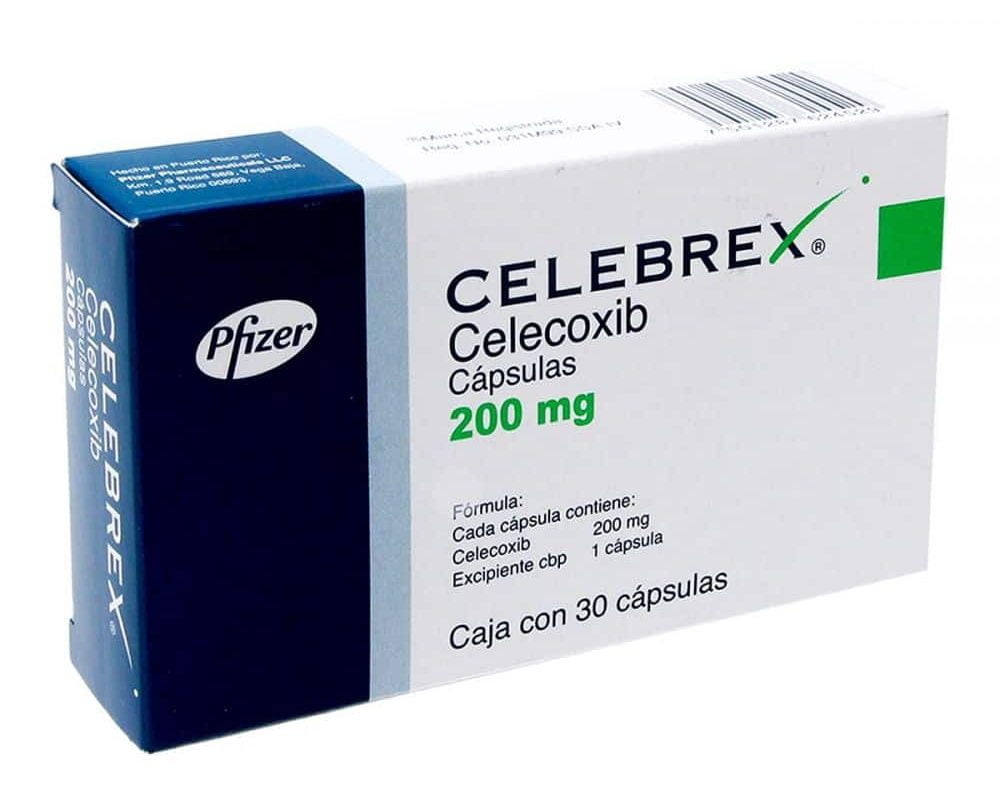
Celebrex is the brand name for celecoxib, a COX-2 selective nonsteroidal anti-inflammatory drug (NSAID). It can be prescribed once or twice daily, depending on the condition and treatment plan. That flexibility helps, but it also creates practical questions about food, sleep, missed doses, and how long relief may last.
Key Takeaways
- Match timing to symptoms, not the clock alone.
- Morning dosing may suit waking stiffness.
- Evening dosing may suit late-day pain.
- Food can help if your stomach feels upset.
- Safety limits matter more than perfect timing.
How to Choose Morning or Evening Timing
The best time to take celecoxib is usually the time you can repeat reliably and that covers the part of the day when symptoms interfere most. If your joints feel locked up in the first few hours after waking, morning timing may make more sense. If your pain rises after work, errands, exercise, or standing, an evening dose may fit better.
Think of timing as a coverage decision, not a stronger-or-weaker decision. Taking it at night does not automatically make the medicine more powerful. Taking it in the morning does not automatically make it safer. The goal is to align the dose with your daily pattern while staying inside the directions on your label.
Routine matters because missed and uneven doses can blur the picture. If breakfast happens every day, a morning routine may be easier. If evenings are more predictable, nighttime dosing may reduce missed doses. If your schedule changes often, use one anchor habit, such as brushing your teeth or eating a regular meal.
Why it matters: A steady routine makes pain relief and side effects easier to judge.
A short symptom log can help. Track the time you take each dose, when pain peaks, whether food was involved, and whether sleep changes. After several days, patterns often become clearer than memory alone.
Once-Daily and Twice-Daily Schedules
If you take celecoxib once daily, choose a consistent time that supports your main symptom period. For many people with morning stiffness, that may be earlier in the day. For people with nighttime pain, evening may be easier to match to symptoms. Do not move a prescribed dose repeatedly from day to day without discussing the pattern with your clinician.
If you take it once daily
A once-daily plan works best when it is tied to one dependable habit. Morning dosing can be useful when you need steadier function during work, caregiving, walking, or other daytime tasks. Evening dosing may be more practical if symptoms flare after use and make rest difficult.
The question is not only when celecoxib is in your system. It is also when you remember it, tolerate it, and notice benefit. If your pain still breaks through despite a consistent schedule, the issue may be dose timing, diagnosis, disease activity, or another part of your treatment plan.
If you take it twice daily
If your prescription says twice daily, follow the spacing your prescriber or label gives you. A common pattern is morning and evening, because it keeps doses more evenly separated. Avoid bunching doses together to chase pain that returns early. That can raise side effect risk without giving reliable added benefit.
People often ask whether twice-daily timing should be exact. In real life, consistency matters more than perfection, unless your prescriber gave specific instructions. If your routine makes even spacing difficult, ask your clinician or pharmacist how much flexibility is acceptable for your situation.
For more detail on labeled dose ranges and common prescribing patterns, see the related Celebrex Dosage resource. It can help you prepare better questions, but it should not replace the instructions on your own prescription.
Food, Stomach Comfort, and Sleep
Celecoxib can often be taken with or without food, but your stomach may decide what works best. Some people tolerate it well on an empty stomach. Others notice nausea, heartburn, or dyspepsia (indigestion) and do better with a small meal or snack.
Food may slightly change how fast some people feel an effect, but comfort and consistency are usually more important. If taking it with breakfast prevents stomach upset, that can be a reasonable pattern to discuss with your care team. If you take it without food and feel well, that may also be acceptable when it matches your label.
Sleep is another common concern. Celecoxib is not a sleep medicine and is not intended to sedate you. Some people sleep better when pain is controlled. Others notice headache, dizziness, drowsiness, or a restless feeling that makes nighttime dosing less appealing. Pain itself, caffeine, alcohol, steroids, reflux, and stress can also change sleep quality.
If you suspect a sleep effect, avoid making several changes at once. Keep the dose time, caffeine intake, bedtime, and other routines as stable as possible for a few nights. Then bring the pattern to your clinician, especially if insomnia, daytime drowsiness, or dizziness affects driving or work.
Readers comparing timing with expected onset may also find How Long Celebrex Takes to Work helpful. That context can make it easier to separate timing problems from unrealistic expectations.
How Long Relief May Last
How long celecoxib lasts can vary by person, condition, dose, and whether it is taken once or twice daily. Some people notice benefit within hours, while inflammatory pain control may feel steadier only after a consistent routine. Your prescriber’s schedule is designed around the condition being treated and your risk profile.
Do not assume that pain returning means you should add another NSAID. Ibuprofen, naproxen, ketorolac, and similar medicines can overlap with celecoxib’s risk profile. Combining NSAIDs may increase the chance of stomach bleeding, kidney strain, fluid retention, or blood pressure changes.
Timing also cannot fix every kind of pain. Celecoxib may help inflammatory pain and some activity-related flares, but burning, electric, tingling, or numb pain may point to a nerve-related problem. If symptoms do not behave like inflammation, ask whether the diagnosis or plan needs review.
For condition-specific context, the Celebrex and Arthritis page discusses how celecoxib may fit into arthritis care. For broader navigation, the Pain Inflammation Hub collects related educational posts.
Missed Doses and Schedule Changes
If you miss a dose, follow the directions on your medication label or patient leaflet. In general, many NSAID instructions say to take a missed dose when remembered unless it is close to the next scheduled dose. If the next dose is near, skipping the missed dose is often safer than doubling up.
Doubling doses can be risky because side effects relate to total exposure. This is especially important for older adults and for people with heart disease, kidney disease, stomach ulcer history, high blood pressure, or swelling. A missed dose is frustrating, but taking extra can create a bigger problem.
Before changing when to take Celebrex morning or night, prepare a few details for your prescriber or pharmacist:
- Worst symptom time: note morning, afternoon, or night.
- Current routine: record dose time and meals.
- Sleep changes: track insomnia or drowsiness.
- Stomach symptoms: include heartburn or nausea.
- Other medicines: list aspirin, steroids, and blood thinners.
Quick tip: Bring the bottle and a one-week symptom log to visits.
If a prescription is required, the dispensing pharmacy may need to verify prescription details with the prescriber before dispensing. BorderFreeHealth connects eligible U.S. patients with licensed Canadian partner pharmacies for cash-pay cross-border prescription options, subject to rules that apply to the patient and medication.
Safety Limits and Warning Signs
Safety matters more than finding the perfect clock time. Like other NSAIDs, celecoxib can raise the risk of heart attack, stroke, stomach bleeding, ulcers, kidney injury, fluid retention, and higher blood pressure. These risks may increase with higher exposure, longer use, older age, and certain medical conditions.
People who take aspirin, anticoagulants (blood thinners), corticosteroids, selective serotonin reuptake inhibitors, or medicines that affect kidney function may need closer review. Alcohol can also irritate the stomach and may add to bleeding risk in some situations. If you drink alcohol, ask how it fits with your own risk factors and prescription plan.
Seek urgent medical attention for chest pain, sudden shortness of breath, weakness on one side, black stools, vomiting blood, severe rash, facial swelling, fainting, or a major drop in urination. New ankle swelling, rapid weight gain, or a sudden rise in blood pressure should also be discussed promptly.
For a deeper side effect discussion, see Celebrex Side Effects. If alcohol is part of your routine, Celebrex and Alcohol offers related safety context.
How It Compares With Other Pain Options
Celecoxib is one NSAID option, not the automatic best fit for every person. Other pain relievers may differ in duration, stomach tolerability, kidney considerations, cardiovascular cautions, and interactions. Switching between NSAIDs should not be casual, because products are not dose-equivalent and risks can overlap.
Some people use celecoxib for inflammatory joint pain, while others need a different approach. Physical therapy, exercise modification, topical therapies, injections, or condition-specific medicines may be part of a plan. The right mix depends on diagnosis, function, risk factors, and treatment goals.
If you want product-level background, the site includes pages for Celebrex and Celecoxib Capsules. Use these pages for neutral product context, not as a substitute for medical advice. You can also browse the Pain Inflammation Products collection for related options.
When to Revisit the Plan
Revisit the plan if you take celecoxib consistently and still do not get dependable relief. The problem may be timing, but it may also be the condition, the dose instructions, another medication, or side effects. Do not keep shifting the dose later and later to chase pain without guidance.
It is also worth checking in if your pain pattern changes. New swelling, fever, injury, weakness, numbness, or pain that feels different from usual may need evaluation. Timing advice only helps when the underlying problem is already understood.
The practical next step is simple. Write down when symptoms peak, when you take each dose, what you eat with it, and what side effects appear. That record can help your clinician decide whether morning dosing, evening dosing, divided dosing, or another treatment direction deserves discussion.
Authoritative Sources
- Official Canadian labeling: Celebrex product monograph and patient information
- Mayo Clinic drug reference: celecoxib dosing and side effect overview
- FDA medication safety resource: NSAID class safety information
Recap
Most people do not need a special clock time. The better answer to when to take Celebrex morning or night is the schedule that fits your symptom pattern, stays consistent, and respects your prescribed limits. Morning may fit waking stiffness. Evening may fit nighttime pain. Food may help stomach comfort, and even spacing matters if you take it twice daily.
If pain still breaks through, sleep worsens, or side effects appear, pause before experimenting on your own. A short symptom log and complete medication list can make the next conversation more useful.
This content is for informational purposes only and is not a substitute for professional medical advice.


