
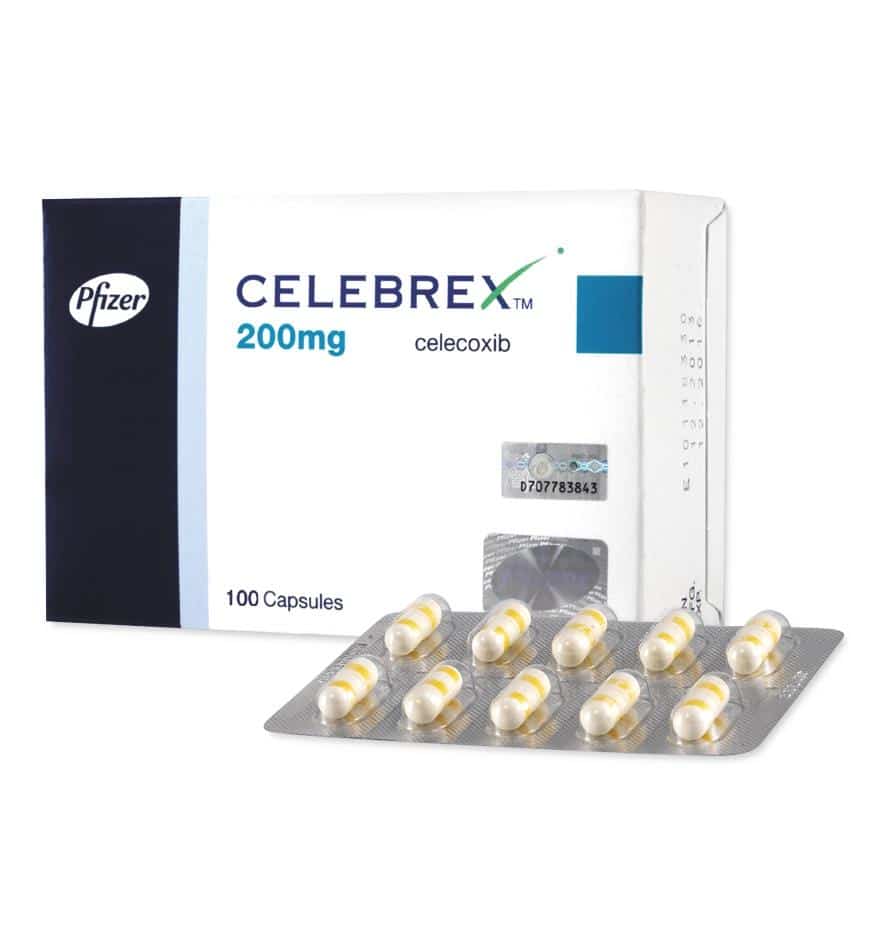
Celebrex is not a weight-loss medicine. If you are searching for Celebrex and Weight Loss: Evidence, Safety, Practical Guidance, the short answer is that celecoxib is meant to treat pain and inflammation, not reduce body fat. Weight loss is not a typical intended effect. That matters because rapid weight change during NSAID (nonsteroidal anti-inflammatory drug) use can sometimes point to fluid retention or another safety issue. Some people may notice a change on the scale while taking it, but that can reflect swelling from extra fluid, stomach side effects, pain relief changing activity, other medicines, or another health issue rather than a direct weight-loss effect from the drug itself.
Key Takeaways
- Celebrex is not designed or approved for weight loss.
- Weight loss is not a usual expected effect of celecoxib.
- Rapid weight gain with swelling matters more than small day-to-day shifts.
- Celecoxib carries boxed NSAID warnings for heart and serious stomach risks.
- If weight control is the goal, compare treatments made for that purpose.
Celecoxib and Weight Changes: What the Evidence Shows
No strong evidence shows celecoxib helps people lose weight. In practice, most discussion around Celebrex and weight loss comes from timing and confusion: a pain medicine may change how you feel, eat, or move, but that is not the same as a proven fat-loss effect. Label-backed safety information focuses much more on swelling, blood pressure, kidney effects, stomach problems, and cardiovascular risk than on intentional weight reduction.
That distinction matters. When joint pain improves, some people become more active and may slowly lose weight over time. Others eat less because of nausea or stomach upset. A few gain weight because fluid is building up or because they are less active during a painful flare. None of those patterns means celecoxib works as a weight-loss therapy. If your main question is whether a medicine can support obesity treatment, it is more useful to start with an overview of Weight Loss Treatments than to assume an anti-inflammatory drug plays that role.
Why the scale may move anyway
People often search this topic because the scale changed after they started the drug. Timing can make a medicine look responsible even when several factors are moving at once. Pain may limit walking, sleep may worsen appetite, and other medicines such as steroids can affect fluid balance or body weight. Celecoxib can sit in the middle of that picture without being the true cause.
Celecoxib also does not work like weight-loss medicines that change appetite, fullness, or calorie absorption. It is not in the same treatment class, and it is not prescribed as a metabolic therapy. That is why even real weight loss during treatment should be treated as an observation to explain, not as proof that the drug helps with obesity.
BorderFreeHealth works with licensed Canadian partner pharmacies for eligible U.S. patients.
Why Some People Notice Weight Gain Instead
Weight gain is a more useful safety question than weight loss with celecoxib. That is because some people develop edema, meaning swelling caused by extra fluid. Fluid retention can show up as puffier ankles, tighter shoes, rings that suddenly feel snug, or a rapid jump on the scale over a few days. That kind of change is different from slow body-fat gain and deserves more attention.
Not every increase means danger. A gradual shift can still come from lower activity, improved appetite once pain is controlled, menopause, stress, or another medicine. Still, when readers ask about Celebrex weight gain or celecoxib weight gain, the first step is to separate water weight, true fat gain, and unrelated illness rather than assuming one simple explanation.
| Pattern | What it may suggest | Why it matters |
|---|---|---|
| Small day-to-day fluctuation | Normal hydration changes | Often not drug-specific on its own |
| Gradual gain over weeks | Activity, appetite, or another medicine | May be indirect rather than a celecoxib effect |
| Rapid gain with ankle swelling | Fluid retention | Needs prompt review, especially with breathing symptoms |
| Unexpected weight loss | Less intake, stomach upset, or another illness | Not a standard weight-loss effect of Celebrex |
Why it matters: Rapid weight gain with swelling can reflect fluid retention, not true fat gain.
Swelling can also overlap with heart or kidney problems. That is why sudden weight change, new shortness of breath, or less urine output should not be brushed off as a cosmetic issue. The number on the scale is only useful when you connect it to the rest of the picture.
Safety Issues That Matter More Than the Scale
The biggest celecoxib safety concerns are not about losing or gaining weight. They are the same major NSAID concerns clinicians weigh every day: cardiovascular events, serious gastrointestinal problems, kidney injury, fluid retention, and blood pressure effects. Celecoxib is a COX-2 selective NSAID, meaning it targets one inflammation enzyme more than some older NSAIDs, but that does not make it risk-free.
Cardiovascular and fluid concerns
Celebrex has a boxed warning, sometimes called a black box warning, about increased risk of serious cardiovascular events such as heart attack and stroke. Risk is not identical in every person. Age, prior heart disease, stroke history, smoking, high blood pressure, kidney disease, and total NSAID exposure can all matter. This is one reason a sudden change in weight plus swelling or shortness of breath is more important than the question of whether the drug causes fat loss.
Fluid retention can also raise blood pressure or worsen underlying heart failure. Even if symptoms seem mild at first, edema should be viewed as a safety signal rather than a normal part of treatment. This is especially true if the change is fast or paired with fatigue, breathlessness, or tightness in the lower legs.
Stomach and kidney concerns
Celecoxib may be easier on the stomach than some older NSAIDs for certain patients, but it can still contribute to ulcers, bleeding, or perforation in the stomach or intestines. The risk can rise with older age, previous ulcer disease, heavy alcohol use, corticosteroids, blood thinners, or using more than one NSAID at the same time. Dark stools, vomiting blood, severe stomach pain, or fainting are red flags.
Kidney effects also matter. NSAIDs can reduce blood flow to the kidneys in some situations, especially in people who are dehydrated or who already have kidney or heart disease. When celecoxib side effects include swelling, reduced urination, or sudden fatigue, weight change becomes a clue to look at safety first.
Compared with some nonselective NSAIDs, celecoxib may offer a gastrointestinal advantage for some people, but the tradeoff is never simple. A lower chance of some stomach problems does not erase cardiovascular, kidney, or fluid concerns.
With celecoxib long-term use, the same core questions stay in view: whether the medicine is still needed, whether swelling or blood pressure has changed, and whether stomach or kidney symptoms have appeared.
When required, prescription details are confirmed with the prescriber before dispensing.
What Is the Controversy With Celebrex?
The controversy around Celebrex is mostly about safety history, not weight loss. Years ago, concern grew around COX-2 inhibitors as a class after cardiovascular risks became a major issue and some related drugs were withdrawn. Celecoxib remained available, but the scrutiny changed how clinicians think about who should use it, for how long, and with what monitoring.
That also helps answer why some doctors do not prescribe Celebrex for everyone. It can be a reasonable option for some people, especially when stomach risk is a concern, yet it may be a poor fit for others with heart disease, prior stroke, uncontrolled hypertension, kidney problems, a history of ulcers, or medicines that raise bleeding risk. The question is usually not whether celecoxib is a good or bad drug in the abstract. It is whether it fits a person’s total risk profile.
A clinician may also choose something else when pain is occasional, when non-drug measures are enough, or when another NSAID strategy appears safer or simpler. So the reason some doctors do not prescribe Celebrex is usually clinical fit, not because the drug is mysterious or uniquely controversial in every case.
- Heart history matters because NSAID risk is not evenly shared.
- Kidney status matters because fluid balance can change quickly.
- Bleeding history matters even with a more selective NSAID.
- Other medicines matter because interactions can raise harm.
- Reason for use matters because not every pain problem needs an NSAID.
So if you are asking what is the controversy with Celebrex, the short version is this: the debate is about balancing benefits in pain relief against known cardiovascular, gastrointestinal, and kidney risks, not about any reliable weight-loss benefit.
If Your Goal Is Weight Loss, Look at Treatments Designed for That Job
Celecoxib does not belong in the same category as chronic weight-management therapy. If the real question behind Celebrex and weight loss is whether there are medicines intended to support obesity care, browse the Weight Management Hub or compare listings in Weight Management Products. Those resources focus on therapies that are actually used in weight-management care rather than pain control.
For orientation, you can review Semaglutide Basics, compare newer GLP-1 Drugs, or scan a broader summary of Weight Loss Injections. Those pages help separate anti-obesity treatment from unrelated medicines that may only seem connected because of scale changes.
Side effects are different too. For example, resources on Ozempic Safety Checklist, Wegovy Side Effects, and Saxenda Side Effects discuss gastrointestinal effects, appetite changes, and treatment-specific concerns that belong to weight-loss drugs, not celecoxib. Keeping those categories separate can prevent a lot of confusion.
Real weight-management care also goes beyond medication alone. Nutrition, sleep, mobility, Insulin Resistance Treatment, and the emotional side of eating all influence progress. A pain reliever does not replace that broader plan, even if feeling better briefly changes the scale.
Cash-pay cross-border options may exist for some patients without insurance, depending on eligibility.
What to Track if You Notice a Weight Change
If the scale moves after starting celecoxib, context is what makes that information useful. A single number matters much less than the pattern, the timing, and the symptoms around it. Writing down what changed can make the next conversation with a clinician clearer and more accurate.
- Start date and timeline of the weight change.
- Swelling in ankles, feet, hands, or around the eyes.
- Breathing changes, chest discomfort, or unusual fatigue.
- Stomach pain, black stools, nausea, or poor appetite.
- Reduced urination or signs of dehydration.
- Other new medicines or recent illness.
Prompt review matters when weight gain is fast or when it appears with swelling, shortness of breath, chest pain, very little urine, black stools, fainting, or severe stomach pain. Unexplained weight loss matters too, especially if it keeps going or comes with low appetite and fatigue.
Quick tip: Note whether the change feels like swelling, appetite loss, or a true body-weight trend.
Unexpected weight loss deserves attention too. It is not a standard benefit of celecoxib, and it may reflect stomach irritation, poor intake, depression, another illness, or a change in daily function. If weight changes are causing distress, the emotional side of the issue can matter as much as the medical side. Broader context from Emotional Dimensions Of Obesity may help frame why numbers on the scale can carry so much anxiety and confusion.
In short, celecoxib can affect how you feel, but it is not a shortcut to fat loss. The more important questions are whether a weight change might actually be fluid retention, whether other side effects are appearing, and whether the medicine still fits the reason it was chosen.
Authoritative Sources
- For the official boxed warnings and label details, see the FDA prescribing information for Celebrex.
- For plain-language patient safety information, review MedlinePlus information on celecoxib.
- For a recent evidence summary on celecoxib safety, read this peer-reviewed review in PubMed Central.
Further reading should focus on the reason the medicine was prescribed, the side effects you notice, and whether weight change may point to a separate issue rather than a treatment benefit.
This content is for informational purposes only and is not a substitute for professional medical advice.


