

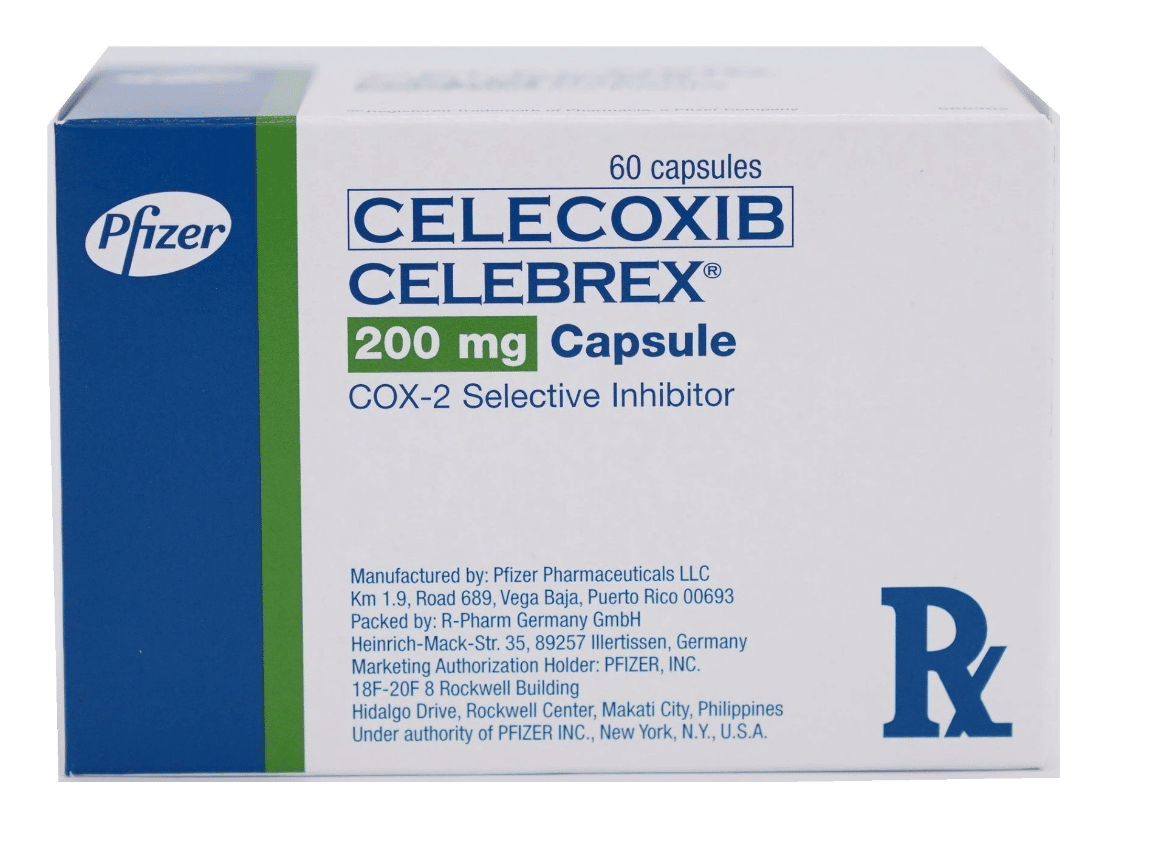
Celebrex and Alcohol Interaction: Safer Timing is not about finding one magic number of hours. Alcohol can raise the chance of stomach irritation, ulcers, and gastrointestinal bleeding while you take celecoxib, the generic name for Celebrex. A short gap may reduce direct overlap for some people, but it does not make the combination safe for everyone. Your risk depends on your ulcer history, drinking pattern, age, kidney or liver health, and other medicines that affect bleeding.
Celebrex is a prescription nonsteroidal anti-inflammatory drug, or NSAID, used for pain and inflammation. If you are reviewing a Celecoxib prescription or comparing pain treatment options, the safer question is not only when you can drink. It is whether alcohol fits your overall risk profile while this medicine is active in your body.
Key Takeaways
- Alcohol may increase stomach irritation and bleeding risk with celecoxib.
- No proven four-hour rule makes the combination safe for everyone.
- Risk is higher with ulcers, older age, heavy drinking, or blood thinners.
- Black stools, vomiting blood, fainting, or severe belly pain need urgent care.
- Food may ease nausea, but it does not cancel ulcer or bleeding risk.
Why Alcohol Can Raise Celecoxib Risk
The main Celebrex and alcohol interaction is not usually a sudden chemical reaction. The concern is additive stress on the gastrointestinal tract, which includes the stomach and intestines. Alcohol can irritate the stomach lining. Celecoxib, like other NSAIDs, can also contribute to irritation, ulcers, and bleeding in some people.
That overlap matters because early symptoms can look ordinary. Heartburn, nausea, burning pain, or indigestion may seem minor at first. Some people blame alcohol, a heavy meal, or stress. Yet repeated irritation can sometimes progress before warning signs feel dramatic.
Celecoxib is more COX-2 selective than some older NSAIDs. In plain language, it targets one inflammation pathway more strongly than another. That difference may affect stomach tolerability for some patients, but it does not remove the boxed warnings and precautions linked with NSAIDs. Serious stomach bleeding, kidney problems, and cardiovascular risks can still occur.
Alcohol can also complicate judgment. Dizziness, nausea, stomach pain, or fatigue may be dismissed as a hangover. Heavy or frequent drinking may add dehydration and liver stress, which can make side effects harder to interpret. This does not mean one drink will harm every person. It means the safety margin can narrow when alcohol enters the picture.
Why it matters: Mild stomach symptoms can be the first clue of a more serious problem.
Is There a Safer Wait Time After Celebrex?
There is no reliable universal wait time for drinking alcohol after celecoxib. A four-hour gap, evening gap, or overnight gap cannot account for every person’s health history or medication list. Celecoxib remains active beyond the moment you swallow it, and alcohol’s stomach effects do not follow a simple timer.
Timing questions work in both directions. Drinking after a dose can still overlap with the medicine’s effects. Taking Celebrex after drinking alcohol can also matter because alcohol may already be irritating the stomach before the capsule is taken. For many readers, “alcohol after celecoxib” and “celecoxib after alcohol” are the same safety issue from opposite sides.
It also helps to separate feeling normal from being risk-free. You may no longer feel alcohol’s effects, or your pain medicine may seem to be working. That does not prove the stomach lining, kidneys, or bleeding risk have returned to baseline. This is especially important if you take celecoxib most days, drink regularly, or already have reflux, ulcers, or stomach sensitivity.
Food may reduce simple nausea or burning for some people. It does not erase the underlying bleeding concern. Online timing rules can sound practical, but they often ignore the biggest risk factors: past ulcers, older age, heavy drinking, kidney disease, liver disease, and other medicines.
Quick tip: Treat timing rules as incomplete, not as permission to mix alcohol and NSAIDs.
If alcohol is a routine part of your week, ask a pharmacist or prescriber for individualized guidance. They can review your full medication list and explain whether avoiding alcohol is the safer choice while you use celecoxib.
When Drinking Is More Concerning
Alcohol is more concerning when celecoxib is only one part of a larger bleeding-risk picture. The risk can rise when someone has a history of ulcers, prior gastrointestinal bleeding, regular or heavy alcohol use, older age, kidney problems, liver disease, or several medicines with bleeding warnings.
Other medications deserve special attention. Aspirin, anticoagulants, antiplatelet medicines, corticosteroids, and other NSAIDs can all affect the overall risk picture. Taking more than one NSAID does not spread risk out. It can add to stomach and bleeding concerns.
Current symptoms matter too. If you already have stomach burning, new nausea, black stools, or unexplained weakness, alcohol should not be treated as a casual add-on. Those symptoms may indicate irritation or bleeding that needs prompt medical review.
| Situation | Why It Matters |
|---|---|
| Past ulcer or GI bleed | Previous injury may return more easily when stomach irritants overlap. |
| Regular or heavy alcohol use | Repeated exposure may worsen irritation and increase bleeding concerns. |
| Aspirin or blood thinners | These medicines can add to bleeding risk with NSAIDs. |
| Steroids or other NSAIDs | Stacking stomach-irritating medicines may increase complications. |
| Older age or chronic illness | The body may tolerate bleeding, dehydration, or kidney stress less well. |
| Current stomach symptoms | Ongoing pain, burning, or dark stools should not be ignored. |
Even occasional alcohol deserves extra caution if any of these factors apply. The issue is not only how much you drink once. It is the total pattern of risk your body is carrying before alcohol is added.
Side Effects and Warning Signs to Watch
Celebrex and alcohol side effects can range from mild stomach upset to urgent warning signs. Alcohol may blur the picture because nausea, dizziness, and abdominal discomfort can look like a hangover or reflux.
More Common Symptoms
- Heartburn or burning stomach pain.
- Nausea or reduced appetite.
- Indigestion, bloating, or burping.
- Stomach tenderness after drinking.
- Dizziness or feeling unsteady.
These symptoms do not always mean a serious complication. Still, they deserve attention if they are new, stronger than usual, or repeat whenever alcohol and celecoxib overlap.
Urgent Warning Signs
- Black or tarry stools.
- Vomiting blood or coffee-ground material.
- Severe or worsening abdominal pain.
- Fainting, confusion, or unusual weakness.
- Yellow skin or eyes, or very dark urine.
- Trouble breathing, swelling, or severe rash.
Black stools and vomiting blood are classic signs of bleeding higher in the digestive tract. Yellowing of the skin or eyes may point to a liver problem. Trouble breathing, swelling, or a severe rash may suggest a serious allergic reaction. If symptoms feel worse than ordinary indigestion or a typical hangover, seek urgent medical help.
Bleeding can also begin quietly. Feeling drained, lightheaded, or short of breath after stomach symptoms should not be brushed off, especially when alcohol and an NSAID were both involved.
How Celecoxib Compares With Other Pain Medicines
Alcohol-related stomach risk is not unique to Celebrex. Other NSAIDs can carry similar warnings, and switching products does not create an alcohol-safe window. The key issue is the drug class, the person’s risk factors, and whether alcohol adds more irritation or bleeding risk.
For comparison, Naproxen and Meloxicam are also NSAIDs used for pain and inflammation. They have their own precautions and should not be combined with celecoxib unless a clinician specifically directs it. Over-the-counter pain relievers also matter, because people may accidentally double up on NSAIDs without realizing it.
If you are comparing medicine classes, this deeper look at Celebrex vs Ibuprofen can help frame why two anti-inflammatory options may share some cautions. For broader browsing, the Pain and Inflammation collection groups related educational content, while the Pain and Inflammation Products category lists relevant medication pages.
Some people also need practical medication details that are separate from alcohol questions. For example, timing a dose for symptom control is different from timing alcohol around a dose. If that is your concern, see When to Take Celebrex or How Long Celebrex Takes for focused background.
BorderFreeHealth connects U.S. patients with licensed Canadian partner pharmacies for eligible prescription needs. Where required, prescription details may be verified with the prescriber before the pharmacy dispenses medication.
Practical Questions to Ask Before Drinking
Before drinking alcohol while taking celecoxib, review the whole situation rather than only the last dose time. A short self-check can reveal risks that a simple clock rule misses.
- Medicine check: confirm whether your pain medicine is celecoxib or another NSAID.
- Bleeding-risk medicines: list aspirin, blood thinners, antiplatelets, and steroids.
- Health history: consider ulcers, prior bleeding, kidney disease, and liver problems.
- Symptom review: note heartburn, stomach pain, nausea, or dark stools.
- Alcohol pattern: separate rare use from regular or heavy drinking.
- Drink type: remember beer, wine, and liquor all contain alcohol.
- Food limits: know that meals do not remove bleeding risk.
If you manage chronic pain, keep a current list of prescriptions, over-the-counter products, and supplements. That list helps a pharmacist or prescriber spot hidden overlaps before a social event or pain flare leads to a rushed decision.
The same logic applies if pain flares after alcohol. Taking Celebrex after drinking alcohol may still place two stomach stressors close together. If you are unsure, it is safer to ask a healthcare professional than to experiment with timing.
Authoritative Sources
- For official consumer drug information, see MedlinePlus on celecoxib.
- For alcohol and medicine safety basics, review NIAAA harmful interactions.
- For label-based prescribing warnings, read the FDA celecoxib label.
In practice, Celebrex and Alcohol Interaction: Safer Timing means looking beyond a fixed hour count. Alcohol may be more risky if you have ulcer history, use other bleeding-risk medicines, drink regularly, or already have stomach symptoms. Personalized guidance is especially important when your risk factors overlap.
This content is for informational purposes only and is not a substitute for professional medical advice.


