
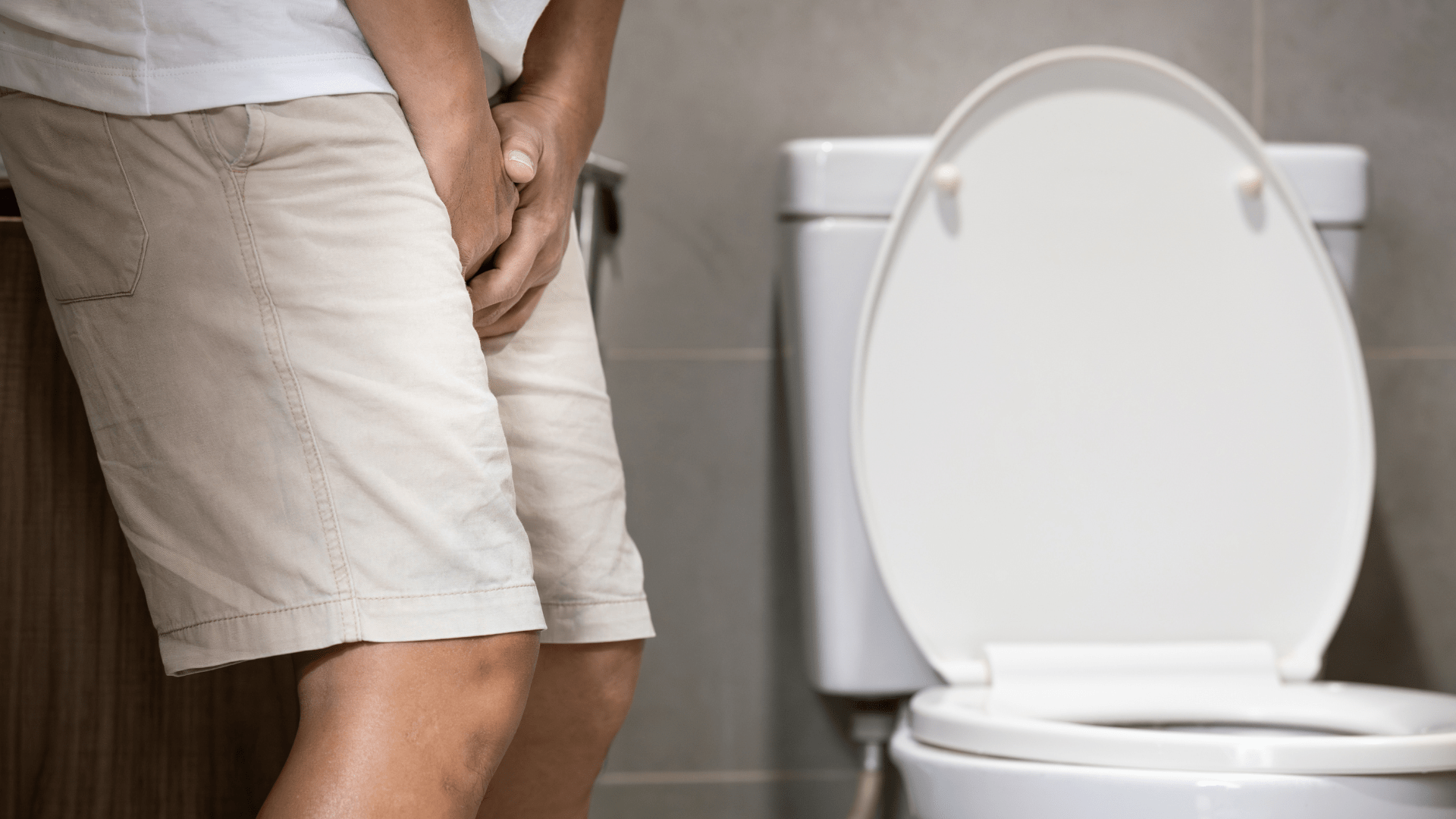
Bladder health often changes with age, but leaks, urgency, and nighttime trips are not something you simply have to accept. Many people improve control by adjusting fluids, training the pelvic floor, reducing bladder irritants, treating constipation, and seeking care when symptoms point to infection, prostate changes, overactive bladder, or another medical issue.
Why this matters: bladder symptoms can affect sleep, confidence, mobility, and social life. A practical plan helps you act early, rather than organizing your day around the nearest bathroom.
Key Takeaways
- Start with patterns: Track fluids, urgency, leaks, and nighttime urination.
- Train the right muscles: Pelvic floor exercises work best with correct technique.
- Adjust irritants: Caffeine, alcohol, acidic drinks, and spicy foods can worsen symptoms.
- Watch red flags: Blood, fever, pain, or sudden changes need medical review.
- Use care options: Lifestyle steps, therapy, and medicines can be combined safely.
What Changes in Bladder Health After 60?
Age can affect bladder health through muscle strength, nerve signaling, hormones, medicines, and other health conditions. The bladder muscle may become more sensitive. The pelvic floor can lose strength or coordination. Some people also develop incomplete emptying, constipation, or mobility limits that make urgency harder to manage.
Overactive bladder, often called OAB, describes urgency that may come with frequent urination and leakage. It is not the same as a urinary tract infection, although infections can trigger similar symptoms. If sudden urges are becoming a pattern, this plain-language overview of What Is Overactive Bladder can help you match everyday symptoms to clinical terms.
Men may notice bladder symptoms alongside prostate enlargement. Women may notice changes after childbirth, menopause, pelvic surgery, or pelvic organ prolapse. Older female bladder problems can include urgency, stress leakage, recurrent infections, and vaginal tissue changes related to lower estrogen. These concerns deserve careful assessment, not embarrassment.
Quick tip: Keep a three-day bladder diary before an appointment. Include drinks, bathroom trips, leaks, urgency, pain, and nighttime waking.
Daily Habits That Support Better Bladder Control
The most useful bladder health habits are simple, repeated, and adjusted to your body. Drink enough fluid to avoid dark, concentrated urine, but spread it across the day. Large amounts at once can overload the bladder and increase urgency. Many people do better when they drink more in the morning and afternoon, then taper in the evening.
Do not rush urination. Sit or stand in a relaxed position, breathe normally, and allow the bladder to empty without straining. Straining can tighten the pelvic floor and make emptying less efficient. If you often feel you still need to go after urinating, mention this to a clinician, especially if it is new.
Constipation is a common hidden driver. A full rectum can press on the bladder and worsen urgency or leakage. Regular walking, enough fluids, and fiber from vegetables, fruit, beans, and whole grains may help. If constipation is persistent or severe, ask a clinician before using repeated laxatives.
A Simple Bladder Reset Routine
- Morning fluids: Start earlier, not all at night.
- Timed voiding: Try bathroom breaks every two to three hours.
- Unhurried emptying: Relax the belly and pelvic floor.
- Constipation prevention: Add fiber gradually and move daily.
- Evening taper: Reduce fluids two to three hours before bed.
- Safe bathroom path: Use lighting to lower fall risk.
Timed voiding can help if you go “just in case” very often. Choose a comfortable interval, then slowly extend it by 5 to 10 minutes when safe. Do not hold urine to the point of pain. The goal is calmer signaling, not endurance testing.
Pelvic Floor Exercises for Men and Women
Pelvic floor training can improve bladder health when the correct muscles are used. These muscles form a supportive sling under the bladder, urethra, bowel, and sexual organs. They help close the urethra during coughing, lifting, laughing, or sudden urges.
To find the muscles, imagine gently stopping gas. You should feel a lift inside the pelvis, not a hard squeeze of the buttocks, thighs, or abdomen. Keep breathing. A correct contraction feels controlled and small. More force is not always better.
Kegel Exercises for Men
Kegel exercises for men can help with leakage after prostate treatment, urgency control, and pelvic support. Some people also ask whether Kegels increase size. They do not enlarge the penis. They may support sexual function in some men by improving pelvic muscle control, but they should not be framed as a size-changing exercise.
Start with short holds. Lift gently for about three to five seconds, then fully relax for the same amount of time. Try 8 to 10 repetitions, once or twice daily at first. Add quick contractions before coughing, standing, or lifting. If symptoms worsen, stop and ask about pelvic floor physiotherapy, especially if pelvic pain is present.
Kegel Exercises for Women
Kegel exercises for women may reduce stress leakage and improve urgency control. The movement should feel like a gentle lift around the vaginal and anal openings. Avoid bearing down. If you feel pressure, heaviness, or bulging, ask about prolapse evaluation before increasing exercise intensity.
Many women need both strengthening and relaxation. A pelvic floor that is always clenched can become painful and poorly coordinated. Supervised pelvic floor therapy can help you learn whether your muscles are weak, overactive, or both. Biofeedback may be useful when it is hard to sense the movement.
People often search for kegel exercise pictures for man or a kegel exercises for men PDF because technique is confusing. Pictures can help with anatomy, but they cannot confirm whether you are contracting correctly. If you cannot feel the lift, leak despite practice, or develop pain, hands-on coaching is often more useful than doing more repetitions.
Foods, Drinks, and Nighttime Urination
Diet does not “clean” the bladder, but it can reduce irritation and support steadier urination. Water is usually the best drink for bladder health. It dilutes urine without adding caffeine, alcohol, carbonation, or acidity. That said, fluid needs vary with body size, activity, climate, heart conditions, kidney disease, and medicines.
Common bladder foods to avoid, or at least test carefully, include coffee, black tea, alcohol, citrus drinks, tomato-heavy foods, carbonated drinks, artificial sweeteners, and very spicy meals. Not everyone reacts to these. A short food-and-symptom diary is more useful than cutting out many foods permanently.
Foods for healthy bladder and kidneys usually overlap with heart-healthy eating: vegetables, fruit, whole grains, legumes, nuts, and adequate protein. These choices support bowel regularity and general metabolic health. If you have kidney disease, diabetes, heart failure, or fluid restrictions, ask your care team before making major diet changes.
Foods that make you pee more at night often work indirectly. Salty dinners can increase thirst and fluid shifts. Alcohol can increase urine production and disturb sleep. Late caffeine can stimulate the bladder and keep you awake. Large evening soups or watery fruits may also add more fluid than expected.
Herbal tea can feel soothing, but it does not treat infection. When people ask what tea is good for bladder infection, the safest answer is that non-caffeinated fluids may support comfort, while suspected infection needs testing when symptoms are significant. Burning, fever, flank pain, or blood should not be managed with tea alone.
Supplements and “Natural Cleansing” Claims
Bladder health supplements vary in quality, ingredients, and evidence. Cranberry products may help some people with recurrent urinary tract infections, but they do not treat an active infection. D-mannose, pumpkin seed extract, probiotics, magnesium, and herbal blends are marketed for bladder support, yet results differ across studies and products.
Be cautious with claims about how to clean your bladder naturally or how to clean urinary tract naturally. Your urinary system already filters and removes waste through the kidneys and urine. No drink or supplement can sterilize the bladder, cure infection, or replace evaluation for persistent symptoms.
Supplements can also interact with medicines. Cranberry may not be suitable for everyone taking blood thinners. Diuretic herbs can affect fluid balance. Products marketed as the best urinary tract supplement for women or bladder health supplements for men may include multiple active ingredients, making side effects harder to trace.
If you are considering supplements for bladder inflammation or bladder control, bring the label to your clinician or pharmacist. This is especially important if you take blood pressure medicines, anticoagulants, diabetes medicines, or treatments for kidney or heart disease.
When Symptoms Need Medical Attention
Some bladder changes need prompt care because they may signal infection, stones, retention, cancer, or kidney involvement. Seek medical advice for blood in the urine, fever, chills, back or side pain, vomiting, new confusion, severe pelvic pain, or inability to urinate. Sudden new leakage or urgency also deserves review, especially after a fall, surgery, or medicine change.
Urinary tract infections can cause burning, urgency, frequent small voids, cloudy urine, pelvic discomfort, or a strong urine odor. In older adults, symptoms can be less typical. Testing helps avoid missed infections and unnecessary antibiotics. For people with recurrent UTIs, prevention strategies may include behavior changes, evaluation for incomplete emptying, and selected medical options. This resource on Hiprex Uses explains one prevention-focused medication in context.
Blood in the urine always needs proper assessment, even if it happens once and then disappears. Female bladder cancer can be diagnosed later when bleeding is mistaken for urinary infection or vaginal bleeding. That does not mean most urinary symptoms are cancer. It does mean visible blood, persistent pain, or repeated unexplained symptoms should not be ignored.
Clinical Options When Lifestyle Steps Are Not Enough
Lifestyle changes and pelvic floor training help many people, but some symptoms need added treatment. A clinician may review your medicines, check urine tests, assess emptying, screen for prostate or pelvic floor issues, and discuss bladder training. The next step depends on whether the main problem is urgency, stress leakage, infection, pain, obstruction, or incomplete emptying.
For urgency and overactive bladder, medicines may be considered when non-drug strategies are not enough. Anticholinergic medicines reduce involuntary bladder contractions, while beta-3 agonists relax bladder muscle through a different pathway. Each option has possible side effects and may not fit every person. A neutral comparison of Myrbetriq vs Oxybutynin can help you understand class differences before a clinical discussion.
Some readers want product-level context after a diagnosis. BorderFreeHealth connects U.S. patients with licensed Canadian partner pharmacies, and prescription details are verified with the prescriber when required before dispensing. For medication education, you can review pages on Myrbetriq, Oxybutynin, or Vesicare. These pages should support, not replace, a prescriber’s guidance.
People with persistent symptoms may also benefit from pelvic floor physical therapy, bladder training, topical vaginal estrogen when appropriate, prostate evaluation, or specialist care. If urgency is the dominant issue, this broader page on How Myrbetriq Treats OAB explains one treatment mechanism in plain language. For more urology topics, the Urology collection can help you keep related reading organized.
Authoritative Sources
For practical aging-focused bladder habits, see the National Institute on Aging resource on tips to keep your bladder healthy.
For urinary incontinence definitions and treatment context, review the NIDDK page on bladder control problems.
For infection symptoms and antibiotic stewardship, consult the CDC overview of urinary tract infection care.
Recap
Bladder health in later life is shaped by fluid timing, pelvic floor coordination, bowel regularity, sleep habits, medicines, and underlying conditions. Start with a bladder diary and a few steady changes. Then seek care when symptoms persist, disrupt life, or include warning signs such as blood, fever, pain, or inability to urinate.
This content is for informational purposes only and is not a substitute for professional medical advice.


