
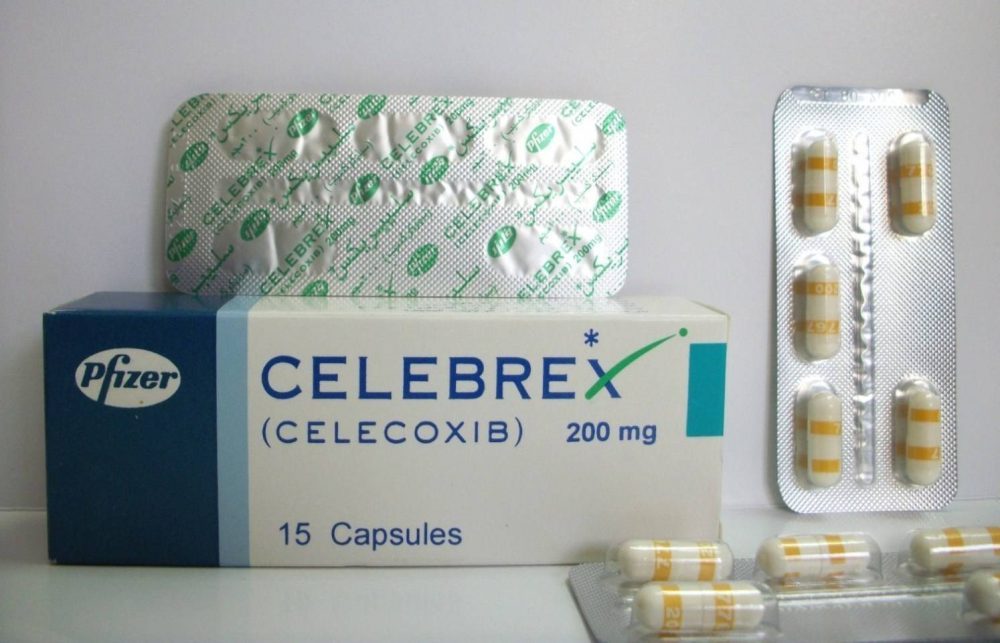
Getting celebrex dosage right matters for pain relief and safety. This guide explains how celecoxib (a COX-2 inhibitor that eases inflammation) is commonly prescribed, what affects dose choices, and how to reduce risks. We also highlight when alternatives may serve you better, and what questions to ask your clinician next.
Key Takeaways
- Start low, go slow: aim for the lowest effective dose and shortest duration.
- Medical history matters: heart, kidney, stomach, and liver risks shape dosing.
- Capsules vary by strength: do not substitute or split without advice.
- Watch for red flags: chest pain, severe stomach pain, or black stools.
Celebrex Dosage: How It’s Typically Prescribed
Celecoxib is a COX-2 selective nonsteroidal anti-inflammatory drug (NSAID). Clinicians use it for osteoarthritis, rheumatoid arthritis, ankylosing spondylitis, primary dysmenorrhea, and certain acute pain states. Capsules come in multiple strengths, including 50 mg, 100 mg, 200 mg, and 400 mg. Plans may differ by condition, symptom severity, and individual risk factors like cardiovascular history or prior gastrointestinal bleeding.
Typical approaches balance benefits with safety. Many adults start at modest doses, then adjust only if pain control proves inadequate. Taking with food may reduce stomach upset for some people, though celecoxib can be taken with or without meals. For detailed labeling on strengths, contraindications, and boxed warnings, see the FDA drug label (opens in new tab) for official prescribing information.
What Celecoxib Treats and When It’s Appropriate
Celecoxib may help reduce joint stiffness, swelling, and pain in osteoarthritis and rheumatoid arthritis. Many people also receive it for ankylosing spondylitis or painful menstrual cramps. Beyond chronic conditions, prescribers sometimes use it for acute pain episodes after minor procedures. Decisions weigh symptom patterns, comorbidities, age, and prior response to other NSAIDs.
Some readers ask, what is celebrex used for. In practice, clinicians aim to match the medicine to your specific pain source and risk profile. If joint injections are under consideration for knee osteoarthritis, you can review Orthovisc for hyaluronic acid support by visiting Orthovisc, which we mention here to compare non-oral options. In autoimmune conditions, disease-modifying agents like Arava may address the underlying process, which helps explain why NSAIDs alone are sometimes not enough.
Adult Dosing Ranges, Maximums, and Adjustments
Adult dosing varies by condition and clinical judgment. Osteoarthritis commonly uses a once-daily or divided schedule, while rheumatoid arthritis and acute pain regimens may differ. The dose selected should reflect the least amount needed to control symptoms. When pain recedes, tapering back toward the minimal effective level is a standard safety move.
Labeling also sets clear ceilings. The max dose of celebrex in 24 hours is generally 400 mg for adults, based on current U.S. labeling. People with moderate hepatic impairment often need a lower dose, while those with severe hepatic disease may need to avoid celecoxib. Renal concerns, hypertension, and anticoagulation therapy add further complexity. For comprehensive safety parameters in clinical language, consult the MedlinePlus drug overview, which explains risks and interactions in plain terms.
Timing, Duration, and Missed Doses
Your daily routine can shape how you schedule doses. Some people take it with breakfast to build a habit; others choose evening dosing to match symptom flares. A steady schedule may help keep inflammation under control. If a dose is missed, many clinicians suggest taking it when remembered unless it is close to the next scheduled time; doubling up should be avoided unless a clinician advises otherwise.
Many patients wonder when to take celebrex morning or night. In reality, the best time is the one you can reliably follow and that aligns with symptom peaks. Duration should be as short as possible to achieve goals, with periodic attempts to step down or pause. For autoimmune disease control, your prescriber may combine celecoxib with a disease-modifying drug; for context, see Plaquenil In‑Depth Look for how hydroxychloroquine supports long-term management, providing a contrast to NSAID roles.
Tip: Keep a pain and function log for two weeks. Simple 0–10 pain scores and activity notes help your clinician tailor dosing and timing.
Special Populations: Older Adults, Heart, Kidney, and Liver
Risk increases with age, prior ulcers or bleeding, heart disease, hypertension, kidney impairment, and liver disease. Non-aspirin NSAIDs, including celecoxib, carry a boxed warning for cardiovascular thrombotic events and gastrointestinal bleeding. People with heart failure or recent cardiovascular events often need added caution, or an alternative therapy. For a deeper look at managing heart risks alongside medications, the overview at Jardiance for Heart Failure shows how cardiometabolic care intersects with pain control strategies.
Clinicians pay particular attention to side effects of celebrex in the elderly. Falls, fluid retention, blood pressure changes, and kidney strain can quietly accumulate. Monitoring may include blood pressure checks and periodic kidney and liver labs, especially during dose changes. If you have complex rheumatic disease, background therapies such as Arava may allow lower NSAID exposure; this link is included to illustrate how disease-modifying strategies reduce reliance on pain relievers.
Side Effects, Risks, and Interactions
Common reactions include dyspepsia, nausea, diarrhea, headache, dizziness, and edema (fluid buildup). Serious reactions can involve chest pain, shortness of breath, sudden weakness, black or bloody stools, or severe stomach pain. Allergic reactions are possible; because celecoxib includes a sulfonamide group, people with prior serious sulfa reactions should discuss risks in detail. Interactions may occur with blood thinners, antiplatelet agents, SSRIs/SNRIs, ACE inhibitors, ARBs, diuretics, and lithium.
Understanding celebrex side effects helps you act early if warning signs appear. Combined use with low-dose aspirin may increase GI risk; clinicians often consider gastroprotection in higher-risk patients. For dosing guidance and safety constraints, the FDA medication guide provides practical counsel; see the patient medication guide for the latest consumer-focused safety language. For broader thinking on adverse effect vigilance, see our overview on Lamictal Side Effects, which illustrates principles for monitoring any long-term therapy.
Condition-Specific Dosing: Arthritis and Back Pain
For osteoarthritis and rheumatoid arthritis, clinicians typically individualize a plan, monitor function, and titrate cautiously. Aiming for the lowest effective exposure reduces risks over time. When symptoms are seasonal or activity-related, some people use intermittent courses under medical guidance. If knees are the main problem and oral NSAIDs are poorly tolerated, hyaluronic acid injections may be discussed; Durolane and Orthovisc are examples we reference here to compare non-oral approaches.
Questions often focus on celebrex dosage for arthritis, since pain and stiffness vary day to day. In back pain, short-term use may help during flares, while core exercises and physical therapy address the root mechanics. If an alternative NSAID is considered, reviewing Meloxicam 15 Mg Uses can clarify similarities and differences in dosing and safety, giving useful contrast for shared decision-making.
Comparisons and Alternatives
Different NSAIDs have distinct cardiovascular and gastrointestinal profiles. Some people respond better to nonselective NSAIDs, while others prefer a COX-2 selective option due to stomach history. It is reasonable to switch within the class if one agent is ineffective or poorly tolerated, provided your clinician agrees. Non-NSAID pathways—including injections, physical therapy, and disease-modifying antirheumatics—can reduce reliance on pain pills.
If you and your clinician are weighing another NSAID, visit Naprosyn to compare a traditional option’s role and cautions. For non-oral knee osteoarthritis alternatives, our notes on Orthovisc and Durolane provide context on viscosupplementation. Pet owners should know human-directed celecoxib is not for animals; veterinary NSAIDs such as Previcox exist for canine use, which we mention to underscore species-specific safety.
Practical Scenarios and Case Examples
Imagine a 62-year-old with knee osteoarthritis, high blood pressure, and chronic reflux. A clinician might prioritize gastroprotection, careful blood pressure monitoring, and short courses around activity spikes. If oral NSAIDs are poorly tolerated, conversations may turn to injections or disease-modifying strategies to curb inflammation at its source. Shared decision-making—anchored in your goals—keeps the plan patient-centered.
Many people ask, can you take celebrex 200 mg twice a day. The answer depends on diagnosis, overall risk, other medicines, and your clinician’s direction. A history of ulcers, heart disease, or kidney problems may push plans toward lower exposures or non-NSAID options. To compare NSAIDs and DMARDs conceptually in rheumatoid conditions, see the earlier reference to Plaquenil In‑Depth Look, which we include to illustrate complementary roles.
Note: Equivalency charts between different NSAIDs can be misleading. Potency, half-life, and risk profiles differ, so dose swaps require clinical oversight.
Recap
Celecoxib can help many adults function better with less pain. Successful plans use the lowest effective dose for the shortest realistic time, tailored to your health history. Watch for red flags, keep track of symptoms, and revisit goals regularly. If you do not reach comfort targets, consider alternatives—non-oral injections, physical therapy, or disease-modifying agents—with your clinician.
For cross-medicine context beyond NSAIDs, our overview of Jardiance for Heart Failure shows how cardiovascular care choices can intersect with arthritis management, offered here to broaden your research path.
This content is for informational purposes only and is not a substitute for professional medical advice.


