

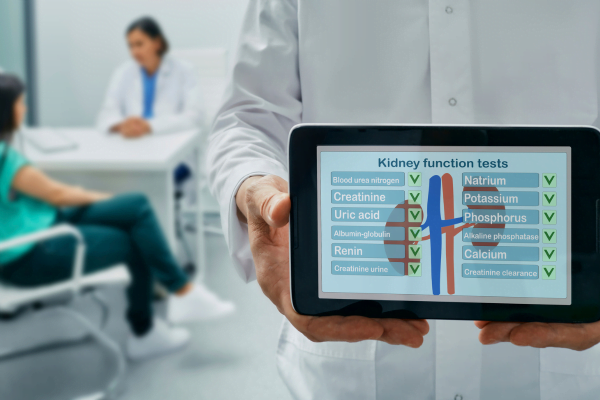
Chronic kidney disease is long-term kidney damage or reduced filtering ability that persists for at least three months. Chronic kidney disease treatment options range from monitoring and risk-factor management to dialysis, transplant, and conservative kidney care when kidney failure develops. The right path depends on CKD stage, urine albumin, symptoms, other conditions, and your goals.
This matters because early CKD often has few signs. Planning before a crisis may protect more choices and give you time to discuss dialysis access, transplant evaluation, or supportive care with a kidney specialist.
Key Takeaways
- CKD staging uses kidney filtration, urine albumin, and health context.
- Earlier treatment focuses on slowing damage and reducing complications.
- Dialysis replaces part of kidney filtering when kidney failure develops.
- Transplant may be considered for eligible people after formal evaluation.
- Conservative kidney management is an active, symptom-focused option for some people.
What CKD Means Before Kidney Failure
CKD means the kidneys are not filtering blood, balancing fluid, controlling electrolytes, or supporting hormone-related functions as well as they should. It is usually identified through blood and urine tests, not symptoms alone. A person can have CKD with a low estimated glomerular filtration rate, called eGFR, or with markers of kidney damage such as persistent albumin in the urine.
CKD is not one disease. Diabetes, hypertension, inherited conditions, autoimmune disease, repeated kidney infections, and some medication exposures can all contribute. If diabetes is involved, the Diabetic Kidney Disease resource explains how blood sugar, blood pressure, and albuminuria can overlap.
Stages and Albuminuria
Clinicians often describe CKD with a G stage based on eGFR and an A category based on albuminuria, meaning extra albumin in the urine. G1 and G2 may still have normal or mildly reduced eGFR, but kidney damage markers must be present. G3, G4, and G5 reflect progressively lower filtration. For diabetes-specific staging context, see 5 Stages of Diabetic Kidney Disease.
Symptoms can be quiet until later stages. Possible signs include:
- Fatigue or weakness, especially with anemia.
- Swelling in legs, feet, hands, or around the eyes.
- Foamy urine or changes in urination patterns.
- Nausea, poor appetite, metallic taste, or weight loss.
- Itching, cramps, sleep changes, or restless legs.
Diagnosis usually combines repeat blood tests, urine albumin-to-creatinine ratio, blood pressure review, medication review, and sometimes imaging. A single abnormal lab result may need confirmation because dehydration, infection, or medication changes can affect kidney tests.
An eGFR calculator can help you understand a creatinine-based filtration estimate on a lab report. It cannot diagnose CKD, judge transplant eligibility, or replace clinician interpretation.
eGFR Calculator
Estimate kidney filtration using the 2021 CKD-EPI creatinine equation.
These calculations are for education only and do not replace clinical advice, diagnosis, or treatment. Always confirm medical decisions with a qualified healthcare professional.
Why it matters: CKD stage shapes monitoring, referrals, medication choices, and kidney failure planning.
How Chronic Kidney Disease Treatment Options Are Chosen
Choices are guided by stage, cause, albuminuria, trend over time, and the health issues that travel with CKD. Good chronic kidney disease treatment options start with the question: what is driving kidney damage, and what can still be modified safely?
Blood pressure is one of the most important modifiable factors. People who want a plain-language refresher can start with Hypertension, then discuss individual targets with their clinician. Targets can vary when someone is older, frail, pregnant, or prone to dizziness.
Kidney doctors also look at cardiovascular risk, diabetes status, potassium, acid-base balance, anemia, bone-mineral labs, infections, and medication safety. The plan may change as results trend, even if the CKD stage name stays the same.
Your preferences matter too. Some people value home-based treatment. Others worry about surgery, travel, work schedules, caregiving, or preserving energy. Shared decision-making helps translate medical options into a plan someone can realistically follow.
Medical Management Before Dialysis Is Needed
Early and moderate CKD care usually aims to slow progression, lower complication risk, and protect quality of life. This does not mean one standard prescription for everyone. It means matching the cause of CKD with safe, evidence-informed steps.
Common discussion points include blood pressure treatment, diabetes management, avoiding dehydration during acute illness, smoking cessation, and reviewing medicines that may strain the kidneys. If medication choices are part of your plan, Blood Pressure Medications gives a broad overview of major classes.
For some people with albuminuria, ACE inhibitors or angiotensin receptor blockers may be considered, with lab monitoring for kidney function and potassium. The ACE Inhibitors overview explains how this class fits into blood pressure and kidney-related care discussions.
SGLT2 inhibitors are also discussed for certain people with CKD, diabetes, or heart failure profiles. They are not right for everyone, and eligibility depends on kidney function, diagnosis, infection risk, and other factors. For a focused medicine discussion, see Forxiga and CKD.
Nutrition guidance should be individualized. A registered dietitian can help adjust sodium, protein, potassium, phosphorus, and fluid advice without making eating feel impossible. This is especially important with diabetes, pregnancy, eating disorders, or repeated high or low potassium.
When Dialysis Enters the Conversation
Dialysis is considered when the kidneys can no longer keep fluid, waste products, potassium, acid levels, or symptoms under safe control. It is one form of renal replacement therapy, meaning treatment that replaces part of the work kidneys normally do.
As kidney function declines, chronic kidney disease treatment options shift from prevention alone to preparation. A planned dialysis start usually gives more time to choose a modality, create access, and learn warning signs. An unplanned start can still be lifesaving, but it often limits choices at first.
Dialysis does not cure CKD. It filters waste and removes extra fluid, but it does not fully replace every kidney function. People may still need medicines, diet changes, anemia care, bone-mineral management, and close follow-up.
The table below places dialysis beside other kidney failure paths. It is an orientation tool, not a ranking.
| Path | How It Works | Practical Considerations |
|---|---|---|
| Hemodialysis | Blood moves through a machine filter and returns to the body. | May occur in a center or at home, and it usually requires vascular access planning. |
| Peritoneal dialysis | The abdominal lining helps filter fluid through a catheter. | Often home-based, with training, infection precautions, and storage needs. |
| Kidney transplant | A donor kidney takes over many filtering functions. | Requires eligibility review, surgery, immunosuppressive medicines, and long-term monitoring. |
| Conservative kidney management | Care focuses on symptoms, comfort, and goals without dialysis or transplant. | Best discussed early, especially when treatment burden may outweigh expected benefit. |
Access planning matters. Hemodialysis may involve creating a fistula or graft before it is needed. Peritoneal dialysis requires a catheter and home training. These steps can take time, so nephrology teams often start education before symptoms become severe.
Kidney Transplant for CKD: Eligibility and Tradeoffs
A kidney transplant places a donor kidney into the body so it can perform many kidney functions. It may be discussed when advanced CKD is expected to progress to kidney failure, but it is not suitable for every person.
Transplant evaluation is detailed. A transplant team may review heart health, infection history, cancer screening, weight and nutrition status, mental health, medication use, support systems, and the ability to attend follow-up. Criteria can vary between transplant programs.
Donor options may include a living donor or a deceased donor waitlist. Some eligible people may be evaluated for transplant before dialysis begins. Others may need dialysis while waiting. After transplant, immunosuppressive medicines are usually needed long term to reduce rejection risk, and these medicines require monitoring because they can raise infection and other risks.
For many people, the hardest part is not understanding the surgery. It is weighing uncertainty, family conversations, donor questions, travel, recovery support, and long-term medicine routines. These are legitimate parts of the decision, not side issues.
Dialysis, Transplant, or Conservative Care: Making Sense of Fit
Dialysis vs kidney transplant is not a simple better-or-worse choice. Transplant may be a strong option for eligible people, while dialysis can be lifesaving and flexible for others. Conservative care may fit people who prioritize comfort, have major competing illnesses, or would face high treatment burden.
Conservative kidney management is an active treatment path. It can include symptom relief, fluid management, nausea and itching treatment, anemia care, emotional support, and advance care planning. It should not be framed as doing nothing.
Example: A fictional person with advanced CKD, severe heart disease, and limited support may choose conservative care after learning that dialysis would bring high treatment burden. Another fictional person with a living donor and strong support may prepare for transplant before dialysis is needed. Both decisions require a care team, clear goals, and honest discussion.
Good planning also includes what could change the decision. A new cancer diagnosis, worsening frailty, improved blood pressure control, a potential donor, or changing family support may shift the balance. Revisit the plan as health and priorities evolve.
Living With CKD While Planning Next Steps
Living with chronic kidney disease works better when you know your numbers and the reason behind each appointment. Ask which stage you are in, whether albumin is present, how fast results are changing, and what next decision point is expected.
Quick tip: Bring your latest eGFR, urine albumin result, potassium, and medication list to kidney visits.
Useful questions for a nephrology visit include:
- What is driving my CKD?
- Which results need close monitoring?
- When should dialysis education begin?
- Should transplant evaluation be discussed?
- Which symptoms should prompt urgent care?
Seek urgent care for chest pain, severe shortness of breath, fainting, confusion, rapid swelling, severe weakness, or a major drop in urine during illness. Also seek urgent help if your care team has warned you about high potassium symptoms or other high-risk lab changes.
CKD can be emotionally heavy. Asking for dietitian support, social work, transportation planning, and caregiver education is not a failure. It is part of making treatment sustainable.
Authoritative Sources
- For a public health summary, see the CDC Chronic Kidney Disease Basics.
- For patient-focused treatment choices, review the NIDDK Kidney Failure Treatment Options.
- For clinical guideline context, see the KDIGO CKD Evaluation and Management Guideline.
Thoughtful chronic kidney disease treatment options are built over time. Ask for your stage, trend, and next decision point, then revisit the plan as health, labs, and priorities change.
For more kidney-health topics, the Nephrology hub collects related condition and treatment resources. BorderFreeHealth connects U.S. patients with licensed Canadian partner pharmacies for prescription access questions.
This content is for informational purposes only and is not a substitute for professional medical advice.


