
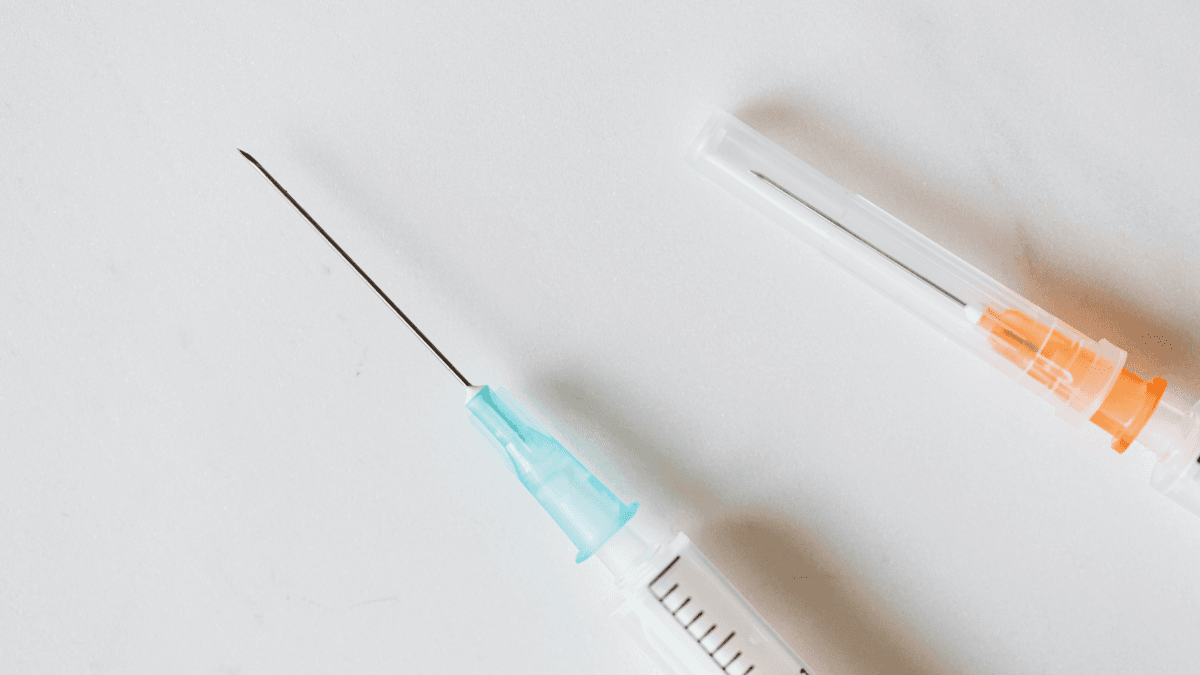
The Aranesp prefilled syringe is a prescription injection form of darbepoetin alfa, an erythropoiesis-stimulating agent (ESA) used in specific anemia settings. It helps the bone marrow make more red blood cells when anemia is linked to chronic kidney disease or certain chemotherapy treatments. It is not a general energy shot, an iron supplement, or a quick fix for sudden severe anemia. Why this matters: the same medicine that may reduce transfusion needs can also raise clot, stroke, blood pressure, and cancer-related risks in some people.
Key Takeaways
- Aranesp is darbepoetin alfa, a prescription ESA for certain anemia causes.
- Approved uses include anemia from chronic kidney disease and some chemotherapy-related anemia.
- The prefilled syringe is single-use and requires training before home injection.
- Monitoring usually includes hemoglobin, blood pressure, iron status, and symptoms.
- Serious risks include blood clots, stroke, heart problems, allergic reactions, and cancer-related warnings.
Aranesp prefilled syringe Basics: What It Treats
Aranesp is the brand name for darbepoetin alfa, a lab-made protein that acts like erythropoietin. Erythropoietin is a hormone that tells bone marrow to produce red blood cells. Red blood cells carry oxygen through hemoglobin, the oxygen-carrying protein measured on many anemia blood tests.
Clinicians prescribe Aranesp for specific types of anemia, not for every low red blood cell count. One major use is anemia due to chronic kidney disease (CKD), including people on dialysis and some people not on dialysis. In CKD, damaged kidneys may not make enough erythropoietin, so the bone marrow receives a weaker signal to produce red blood cells.
Another use is anemia caused by certain cancer chemotherapy. This usually means chemotherapy that suppresses blood-cell production, sometimes called myelosuppressive chemotherapy. In that setting, the oncology team weighs the need to reduce transfusions against ESA-related risks. Official labeling also lists cancer settings where ESAs are not indicated, including some situations where treatment is expected to cure the cancer.
An Aranesp injection does not treat anemia caused by every condition. Low iron, vitamin B12 deficiency, folate deficiency, bleeding, inflammation, bone marrow disease, or other causes may need different care. That is why prescribers usually confirm the likely cause before deciding whether darbepoetin alfa fits.
If your questions are kidney-focused, the Nephrology Category may help you browse related kidney-care topics. For cancer-treatment context, the Cancer Category can help you explore supportive-care reading.
When Clinicians Consider It, and When They Pause
Clinicians usually consider Aranesp only after confirming that anemia fits an approved or guideline-supported setting. They also look at whether symptoms, transfusion risk, hemoglobin trends, and the underlying disease support ESA treatment.
In chronic kidney disease, the decision often depends on more than one lab value. The care team may review kidney function, iron stores, blood pressure, dialysis status, cardiovascular history, and prior response to anemia therapy. Some people need iron replacement before an ESA can work well. Others may need different evaluation if hemoglobin falls quickly or bleeding is suspected.
In chemotherapy-related anemia, the decision is more restricted. The oncology team considers cancer type, treatment intent, expected chemotherapy duration, transfusion needs, clotting risk, and patient preferences. ESA use in cancer care carries special warnings because studies have linked ESAs with tumor progression or shorter survival in certain cancer settings.
Several situations call for extra caution. The official label lists uncontrolled high blood pressure as a contraindication. It also flags prior pure red cell aplasia (a rare failure to make red blood cells) after ESA treatment and serious allergic reactions to Aranesp or similar products. A history of stroke, heart attack, blood clots, seizures, or poorly controlled blood pressure also deserves careful review.
Why it matters: The safest plan is usually built around the cause of anemia, not just the hemoglobin number.
How the Syringe Is Given and Handled
The Aranesp prefilled syringe is designed to make a single prescribed injection easier to prepare, not to remove the need for training. Depending on the clinical setting, darbepoetin alfa may be given under the skin or through an intravenous line. The route, schedule, and dose are individualized by the prescriber.
People who inject at home should receive clear training from a healthcare professional. Training usually covers how to check the medication, choose an appropriate injection site, clean the skin, insert the needle safely, and dispose of the syringe. This article is not a substitute for the official Instructions for Use or hands-on instruction.
Before an injection
Before using any injectable prescription, confirm that the product, dose, patient name, and date match the plan. The solution should be checked as instructed in the medication guide. Do not use a syringe that looks damaged, has been frozen, appears cloudy or discolored, or contains unexpected particles unless the official instructions or prescriber say otherwise.
Injection-site choices can vary by medicine and patient factors. For Aranesp, follow the patient instructions provided with the prescription and any training from the clinic. Do not rotate techniques from another injectable medication into Aranesp unless your care team confirms the same approach is appropriate.
Storage and disposal
Store the medicine exactly as directed on the label and patient instructions. Aranesp is generally protected from light and kept refrigerated, and frozen syringes should not be used. Do not shake the syringe, because proteins in injectable medicines can be damaged by rough handling.
Used syringes should go into an approved sharps container, not household trash or recycling. Local rules differ, so ask the clinic, pharmacy, or local health department about disposal options. Never reuse a prefilled syringe, even if liquid remains after the prescribed injection.
What Monitoring Can Tell You
Monitoring tells the care team whether the medicine is helping and whether risk is increasing. Aranesp works by supporting red blood cell production, so changes are usually assessed through blood tests rather than by immediate symptoms.
People often ask how long it takes an Aranesp shot to work. The honest answer is that it is not instant. Red blood cell production takes time, and the response varies by anemia cause, iron status, inflammation, kidney disease, chemotherapy schedule, and other medical factors. Your clinician may track hemoglobin over repeated labs before judging response.
People also ask how often Aranesp is given. Frequency varies by indication, lab results, body weight in some settings, route, and clinical response. Some plans are adjusted over time. Do not change the schedule, skip monitoring, or double up after a missed dose unless the prescriber gives that instruction.
Blood pressure monitoring matters because ESAs can worsen hypertension. Hemoglobin monitoring matters because raising hemoglobin too high, too fast, or beyond the needed range can increase the risk of serious cardiovascular events. Iron studies may also matter because the marrow needs enough iron to build new red blood cells.
Quick tip: Keep a simple list of injection dates, lab dates, and new symptoms.
Side Effects and Warning Signs Worth Taking Seriously
Aranesp can cause side effects, and some require urgent medical attention. Mild injection-site discomfort, headache, nausea, cough, or swelling can happen with many prescription injections, but symptom patterns vary. Report new, persistent, or worrying symptoms to the prescribing team.
The more serious warnings are the ones people should understand before treatment. ESAs can increase the risk of blood clots, heart attack, stroke, heart failure complications, and death in some patients. In people with cancer, ESA treatment has been associated with tumor progression or shorter survival in certain studies and treatment contexts.
Seek urgent medical help for chest pain, sudden shortness of breath, coughing blood, one-sided weakness, facial drooping, sudden confusion, severe headache, vision changes, fainting, seizure, or symptoms of a blood clot such as painful swelling in one leg. Also seek urgent help for signs of a severe allergic reaction, including trouble breathing, swelling of the face or throat, widespread rash, or severe dizziness.
High blood pressure symptoms can include severe headache, blurred vision, chest discomfort, or shortness of breath. Some people have very high blood pressure without obvious symptoms, which is why checking blood pressure as directed is important. Do not stop or restart Aranesp on your own; contact the prescriber for individualized instructions.
Questions to Sort Out Before Starting or Refilling
The most useful preparation is not memorizing every warning. It is making sure the care plan matches the reason for anemia, your risk factors, and the monitoring schedule. Bring a written list if appointments feel rushed.
- Reason for anemia: Ask what evidence links the anemia to CKD or chemotherapy.
- Expected goal: Clarify whether the goal is reducing transfusions, symptoms, or another clinical endpoint.
- Monitoring plan: Ask which labs and blood pressure checks are needed.
- Iron status: Ask whether iron, B12, folate, or bleeding has been evaluated.
- Cancer context: Ask whether treatment intent affects ESA suitability.
- Missed dose plan: Ask who to call before changing the schedule.
- Injection training: Ask for a demonstration before home use.
- Storage backup: Ask what to do if refrigeration is interrupted.
If an Aranesp prefilled syringe is part of a prescription access discussion, keep the clinical decision separate from the sourcing question. BorderFreeHealth works with licensed Canadian partner pharmacies for eligible prescriptions. When required, prescription details may be verified with the prescriber before pharmacy dispensing. Cash-pay cross-border options may be available for eligible patients without insurance, subject to jurisdiction.
For site navigation, the Cancer Product Category is a browseable list, not a substitute for oncology guidance. Always use the medication name, active ingredient, strength, and instructions from the prescription when comparing any listing or pharmacy document.
How Aranesp Relates to Other Anemia Treatments
Aranesp is one tool in anemia care, not the whole plan. Other treatments may include iron replacement, vitamin replacement, treating bleeding, adjusting chemotherapy timing, dialysis-related management, or red blood cell transfusion. The right option depends on urgency, anemia cause, symptoms, and the risks of each approach.
Iron therapy is different from an ESA. Iron provides building material for red blood cells, while darbepoetin alfa provides a hormone-like signal for production. If iron stores are low, an ESA may not produce the expected response until iron status is addressed. That does not mean everyone needs iron; it means testing helps guide the decision.
Blood transfusion is also different. Transfusions can raise red blood cell levels more directly, which may matter when anemia is severe or urgent. ESAs are generally not substitutes when immediate correction is needed. Transfusions have their own risks, so clinicians weigh them against ESA risks and the person’s overall condition.
Epoetin alfa and darbepoetin alfa are both ESAs, but they are not automatically interchangeable. They can have different prescribing schedules, labels, and instructions. A change between anemia medicines should be handled by the prescriber, especially when kidney disease, cancer therapy, or clotting risk is part of the picture.
Authoritative Sources
- For official prescribing details, see the DailyMed Aranesp label, which lists indications, boxed warnings, contraindications, and patient information.
- For kidney-related anemia background, review the NIDDK anemia in CKD resource, which explains causes, testing, and treatment context.
- For cancer treatment side-effect context, read the National Cancer Institute anemia resource, which discusses anemia during cancer care.
Use this information as a conversation aid for your prescriber, pharmacist, nephrology team, or oncology team. The key questions are why anemia is happening, whether an ESA fits that cause, and how monitoring will reduce avoidable risk.
This content is for informational purposes only and is not a substitute for professional medical advice.


