
Please note: a valid prescription is required for all prescription medication.
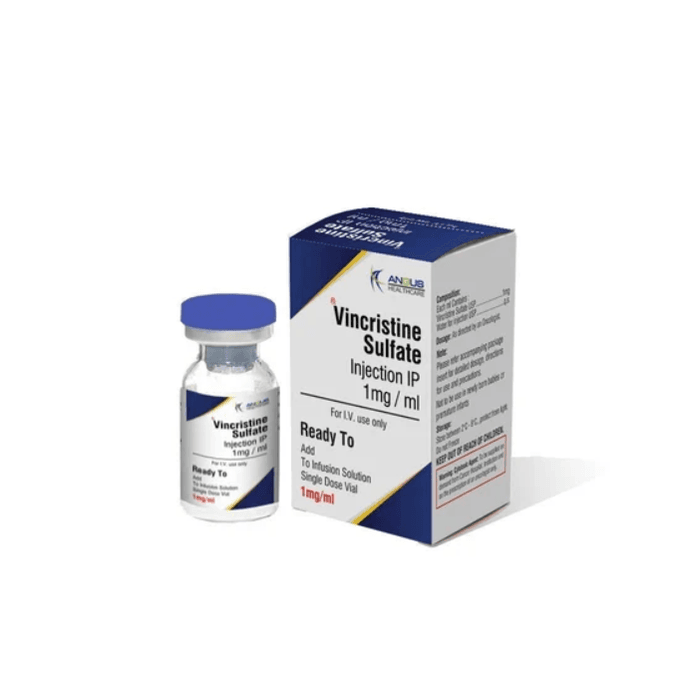
Vincristine
Buy Vincristine Online
Secure Encrypted Payments
Vincristine is a clinic-administered chemotherapy medicine that can be ordered for use under an oncology team’s direction. Choose the dose or strength available during ordering, then match the form, concentration, quantity, and manufacturer information to the clinic’s written instructions. Buy vincristine online when your treatment center has confirmed it can receive or administer the exact vincristine sulfate product arranged for the appointment.
Vincristine sulfate is used in cancer treatment protocols and must be given intravenously by trained professionals. It is not a medicine to prepare, transfer, or self-administer at home. For U.S. customers coordinating care and cash-pay logistics, US delivery from Canada may help align the medicine order with an infusion schedule when clinic handling requirements are met.
Vincristine Price and Dose or Strength Selection
The vincristine price depends on the exact injectable product, concentration, manufacturer, package size, and quantity arranged for treatment. A vial concentration such as 1 mg/mL describes how much medicine is in each milliliter; it does not tell you the dose your clinic will administer. The oncology team calculates the dose using its protocol, patient-specific factors, and cycle timing.
When reviewing vincristine cost, focus on the attributes your clinic needs to accept the medicine safely. Product names can look similar, yet package size, total volume, manufacturer, and formulation may differ. A lower total cost is not useful if the clinic cannot use the item, if the quantity does not match the cycle plan, or if the formulation differs from the requested chemotherapy.
Some oncology protocols or clinic notes may use names such as Oncovin, Vincasar, Vincasar PFS, vincristine Pfizer, Unicristin, Cytocristin, or Alcavixin. These names can help identify a conventional vincristine sulfate product in a specific market, but they are not dosing instructions. Liposomal vincristine is a separate formulation and should not be substituted for conventional vincristine sulfate unless the oncology team specifically directs that formulation.
Quick tip: Match the form, concentration, manufacturer, and quantity to clinic directions before arranging payment.
How to Order Vincristine from Canada
To order vincristine from Canada, start with the conventional vincristine sulfate injection requested by the treatment center. Keep the clinic’s directions nearby so the active ingredient, formulation, concentration, and quantity can be aligned before the order is finalized. Because this medicine is administered in a hospital or infusion clinic, ask whether patient-supplied oncology medicines are accepted and how the clinic wants sealed packages handled.
Order details may need careful review before the pharmacy supplies the medication. This helps reduce mismatches between the medicine arranged for shipment and the chemotherapy protocol scheduled by the clinic. The process can be especially important for vincristine cash pay planning, vincristine without insurance, or multi-cycle treatment coordination.
Do not open a vial, transfer medicine into another container, or try to prepare the injection. Vincristine injection is for intravenous use only and requires cytotoxic-drug precautions. If the package arrives damaged, leaking, warm, frozen, or different from the expected product, contact the supplying pharmacy and your clinic before taking it to the appointment.
What Vincristine Is Used For
Vincristine sulfate belongs to the vinca alkaloid class of antineoplastic medicines. Antineoplastic means a cancer-treatment medicine used to slow or stop cancer cell growth. Vincristine interferes with microtubules, structures that cells need to divide, which is why it is included in combination chemotherapy regimens for certain fast-growing cancers.
Label-supported vincristine uses include acute leukemia and selected combination regimens for Hodgkin lymphoma and non-Hodgkin lymphoma. Clinicians may also use vinca alkaloids in other oncology protocols when the full regimen calls for this class. The exact role depends on the diagnosis, prior therapy, lab results, nerve symptoms, liver function, and the clinic’s treatment plan.
For condition-based browsing, the Leukemia collection and Lymphoma collection can help organize related discussions with an oncology team. These collections do not replace clinic instructions, but they can make it easier to keep treatment categories and medicine names straight during planning.
Pet owners sometimes search for vincristine for cats because veterinary oncologists may use vinca alkaloid chemotherapy in animal cancer care. Human vincristine products and human dosing information should not be used for pets. A veterinarian must decide whether a chemotherapy protocol is appropriate for an animal and how it should be obtained, prepared, and administered.
Forms, Brand Names, and Product Matching
Conventional vincristine sulfate injection is supplied as a sterile solution for intravenous administration. Published product information commonly describes a 1 mg/mL concentration, although total vial volume, packaging, and manufacturer can vary. Your clinic may care about each of these attributes because dose calculation, preparation workflow, and waste planning depend on the supplied product.
Brand and manufacturer names can create confusion. Oncovin is a long-standing brand reference for conventional vincristine, while Vincasar and Vincasar PFS have also been associated with vincristine sulfate products in some markets. Older protocol sheets may mention Oncovin 2mg or another product name even when a clinic can accept an equivalent conventional vincristine sulfate presentation from a recognized manufacturer.
Liposomal vincristine is not the same as conventional vincristine sulfate injection. Liposomal products package the drug differently and may have different labeling, preparation, dosing, indications, and storage requirements. If a clinic order says liposomal vincristine, do not assume a conventional vincristine vial is acceptable; if it says conventional vincristine sulfate, do not substitute a liposomal formulation.
| Attribute | Why the clinic may ask for it |
|---|---|
| Active ingredient | Confirms the medicine is vincristine sulfate, not another chemotherapy. |
| Formulation | Distinguishes conventional vincristine from liposomal vincristine. |
| Concentration | Helps staff calculate the volume needed for the prescribed dose. |
| Package size | Affects total contents, cycle planning, and potential waste. |
| Manufacturer | Supports product identification when a clinic has acceptance rules. |
| Quantity | Should align with appointment timing and the clinic’s handling process. |
Dosage and Clinic Administration
Vincristine dosage is determined by the oncology team, often using body surface area and the regimen selected for the cancer being treated. Many treatment protocols include defined cycle schedules, and some include maximum single-dose limits to reduce nerve toxicity risk. Do not calculate, round, delay, or change a chemotherapy dose using online information.
The medicine must be administered through a secure intravenous line. Clinic staff monitor the infusion site because extravasation, which means leakage outside the vein, can damage surrounding tissue. If pain, swelling, redness, or burning occurs around the line, the care team needs to know immediately so local procedures can be followed.
Intrathecal administration means injection into the spinal canal, and vincristine given by that route can be fatal. This is one of the most important safety warnings for the medicine. Oncology clinics use route-specific labels, separate storage practices, and trained staff to reduce the chance of a route error. If package labeling or clinic paperwork does not match, pause and contact the oncology team before the appointment.
Storage, Handling, and Transport
Injectable chemotherapy products require careful storage and handling. Pharmacies and clinics generally protect vincristine sulfate injection from light and follow the manufacturer’s labeled storage conditions. If you are asked to bring a sealed carton to an infusion appointment, keep the original packaging intact and avoid heat, freezing, moisture, or direct sunlight.
Cytotoxic medicines can harm people who are not trained to handle them. Keep the package away from children, pets, food surfaces, and household trash. Do not clean up spills or broken vials without professional instructions; contact the supplying pharmacy and the treatment center if the container is damaged or the medicine looks unusual.
Travel planning matters because clinic appointment windows, lab results, and medicine handling rules may all affect whether the product can be used. Carry clinic contact information, order paperwork, and any temperature-control materials supplied with the shipment. If prompt, express shipping is discussed, coordinate it around the infusion center’s receiving rules rather than only the calendar date.
Side Effects, Warnings, and Monitoring
Nerve-related toxicity is one of the most important vincristine safety concerns. Patients may notice tingling, numbness, burning pain, weakness, jaw pain, trouble walking, or changes in reflexes. Constipation is also common and can become serious, especially if bowel changes are not reported early during a treatment cycle.
- Nerve effects such as tingling, numbness, pain, weakness, or reduced reflexes.
- Digestive effects such as constipation, cramping, nausea, bloating, or abdominal pain.
- Hair changes, including temporary thinning or hair loss.
- Injection-site symptoms such as redness, irritation, pain, or swelling.
- General effects such as fatigue during chemotherapy cycles.
Serious adverse effects can occur. These may include severe neuropathy, bowel obstruction, autonomic dysfunction, seizures, syndrome of inappropriate antidiuretic hormone secretion, blood count changes, infection risk, or tissue injury from extravasation. Contact the oncology team urgently for fever, chills, severe abdominal pain, inability to pass stool, new trouble walking, worsening weakness, breathing difficulty, unusual confusion, or severe injection-site pain.
Drug interactions can increase toxicity risk or reduce treatment reliability. Strong CYP3A inhibitors, including some azole antifungals, macrolide antibiotics, and HIV therapies, may raise vincristine exposure. Grapefruit products may also be restricted by the oncology team. Enzyme-inducing medicines may lower exposure, and phenytoin levels can change during therapy. Live vaccines are usually avoided during immunosuppressive cancer treatment unless the oncology team gives specific direction.
Monitoring commonly includes blood counts, liver tests, bowel function, and nerve-symptom checks. Liver impairment may require extra caution because vincristine is cleared partly through hepatic pathways. Treatment can be delayed, adjusted, or held when lab results or toxicity symptoms make that safer.
Why it matters: Early symptom reporting can help the clinic adjust supportive care before complications escalate.
Who May Need Extra Caution
Vincristine may not be appropriate for people with known hypersensitivity to a product component. Clinicians also use caution in people with significant preexisting neuropathy, severe constipation, bowel obstruction risk, liver impairment, or certain neuromuscular conditions. Pregnancy, plans for pregnancy, and breastfeeding require careful discussion with the oncology team because chemotherapy can pose serious risks.
Before arranging vincristine sulfate injection, tell the clinic about all medicines, supplements, and herbal products being used. This includes antibiotics, antifungals, seizure medicines, antivirals, HIV therapies, laxatives, bowel medicines, and recent or planned vaccines. A complete medicine list helps the team anticipate interactions and supportive-care needs.
Do not use another person’s chemotherapy medicine, share unused vials, or keep leftover product for a later cycle unless the clinic specifically instructs safe handling and storage. Oncology drugs are matched to a treatment plan, appointment date, patient condition, and monitoring results. Uncoordinated use can create serious safety risks.
Related Cancer Treatment Choices
Vincristine is usually one medicine within a multi-drug cancer regimen, not a simple substitute for another cancer therapy. Related oncology medicines may differ by diagnosis, route, schedule, monitoring needs, and toxicity profile. For browsing broader oncology therapies, the Cancer category and Cancer articles section can help keep treatment discussions organized.
Other injectable or oncology products should only be compared in the context of a clinician-directed regimen. Doxorubicin is another chemotherapy medicine used in certain cancer protocols, while Myleran contains busulfan and has different uses, dosing, and monitoring concerns. These medicines do not replace vincristine unless the oncology team changes the regimen.
Veterinary-related searches can also lead to confusion. Palladia is a veterinary oncology medicine with a different active ingredient and use context. Human vincristine, veterinary cancer treatments, and oral chemotherapy medicines should not be interchanged without the appropriate clinician or veterinarian.
Chlorambucil is another cancer medicine used in some lymphoid conditions, but it has a different route, schedule, and risk profile. The Leukeran Medication Guide explains how clinicians may think about an oral chemotherapy medicine in relation to disease type, side effects, and monitoring. Final regimen choices remain protocol-specific.
Questions to Prepare Before Checkout
Before arranging a vincristine sulfate price quote or payment, gather the practical details that determine whether the medicine can be used. Ask the clinic for the exact formulation, acceptable manufacturer, concentration, package size, and quantity for the next cycle. Confirm whether the clinic will receive the shipment directly or expects you to bring the sealed carton.
- Is the requested medicine conventional vincristine sulfate or liposomal vincristine?
- What concentration, vial size, manufacturer, and quantity are acceptable?
- Does the infusion center accept patient-supplied chemotherapy?
- How should the sealed package be stored before the appointment?
- What symptoms should be reported before the next cycle?
- Are any current medicines, supplements, foods, or vaccines restricted?
If the exact formulation is not available, do not choose a substitute on your own. Ask the oncology team whether another manufacturer, package size, or quantity can be used safely. Chemotherapy substitutions require clinical agreement because formulation, route, preparation, and dose calculations can differ.
Authoritative Sources
Official labeling provides detailed route, dosing, preparation, contraindication, and safety information for this chemotherapy. Review the Pfizer prescribing information for vincristine sulfate injection for label-specific details.
Patient-facing cancer education can also help patients recognize symptoms that should be reported during treatment. The Cancer Research UK vincristine treatment resource summarizes common side effects and treatment expectations.
Use these sources alongside the clinic’s instructions, because treatment protocols vary by cancer type, regimen, lab results, and patient-specific risks. Product arrangement should always align with the formulation and handling process required by the treating oncology team.
This content is for informational purposes only and is not a substitute for professional medical advice.
Body Surface Area Calculator
Calculate body surface area from height and weight using the Mosteller equation.
BSA
-
m2, Mosteller equation
These calculations are for education only and do not replace clinical advice, diagnosis, or treatment. Always confirm medical decisions with a qualified healthcare professional.
Absolute Neutrophil Count Calculator
Calculate ANC from white blood cell count, neutrophil percentage, and optional band percentage.
ANC-cells/uL
ANC-10^9/L
These calculations are for education only and do not replace clinical advice, diagnosis, or treatment. Always confirm medical decisions with a qualified healthcare professional.
Ideal & Adjusted Body Weight Calculator
Estimate ideal body weight with the Devine equation and adjusted body weight when actual weight is above the estimate.
Ideal body weight
-
Devine equation
Adjusted body weight
-
IBW + 0.4 x excess weight
Difference from IBW
-
actual minus ideal
These calculations are for education only and do not replace clinical advice, diagnosis, or treatment. Always confirm medical decisions with a qualified healthcare professional.
Express Shipping - from $29.99
Shipping with this method takes 3-5 days
Prices:
- Dry-Packed Products $29.99
- Cold-Packed Products $39.99
Shipping Countries:
- United States (all contiguous states**)
- Worldwide (excludes some countries***)
Standard Shipping - $19.99
Shipping with this method takes 5-10 days
Prices:
- Dry-Packed Products $19.99
- Not available for Cold-Packed products
Shipping Countries:
- United States (all contiguous states**)
- Worldwide (excludes some countries***)
What is vincristine used to treat?
Vincristine sulfate is used in oncology protocols, including treatment for acute leukemia and selected combination regimens for Hodgkin lymphoma and non-Hodgkin lymphoma. The exact role depends on the cancer type, regimen, lab results, and the oncology team’s treatment plan.
Is vincristine the same as Oncovin or Vincasar?
Oncovin, Vincasar, and Vincasar PFS are brand or product references associated with vincristine sulfate in some markets. They can help identify the requested product, but the clinic still needs the correct formulation, concentration, manufacturer, package size, and quantity.
Can vincristine be self-administered at home?
No. Vincristine is an intravenous chemotherapy medicine that must be prepared and administered by trained healthcare professionals. It should not be opened, transferred, injected, or disposed of at home without professional instructions.
What is the most important vincristine safety warning?
Vincristine must never be given intrathecally, meaning into the spinal canal, because that route can be fatal. It is for intravenous administration only. Clinics use special labeling and handling processes to reduce route-error risk.
What side effects should be reported during vincristine treatment?
Report tingling, numbness, weakness, jaw pain, trouble walking, severe constipation, abdominal pain, fever, chills, confusion, breathing difficulty, or injection-site pain. Early reporting helps the oncology team assess nerve effects, bowel problems, infection risk, and infusion-site concerns.
Is liposomal vincristine interchangeable with conventional vincristine sulfate?
No. Liposomal vincristine is a different formulation with separate labeling, preparation, dosing, and handling considerations. Do not substitute it for conventional vincristine sulfate unless the oncology team specifically directs that formulation.
Rewards Program
Earn points on birthdays, product orders, reviews, friend referrals, and more! Enjoy your medication at unparalleled discounts while reaping rewards for every step you take with us.
You can read more about rewards here.
POINT VALUE
How to earn points
- 1Create an account and start earning.
- 2Earn points every time you shop or perform certain actions.
- 3Redeem points for exclusive discounts.
You Might Also Like
Select options
This product has multiple variants. The options may be chosen on the product page
Select options
This product has multiple variants. The options may be chosen on the product page
Select options
This product has multiple variants. The options may be chosen on the product page
Select options
This product has multiple variants. The options may be chosen on the product page