
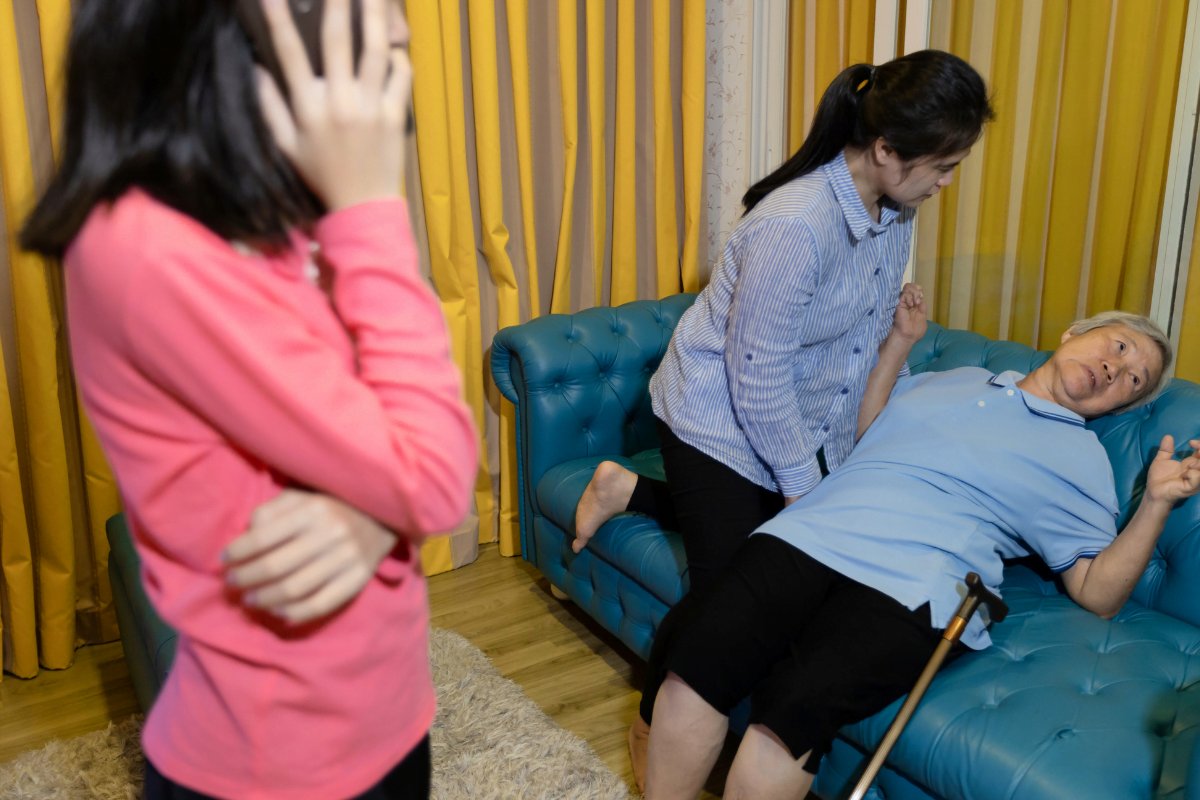
Epileptic episodes are seizures caused by sudden, abnormal electrical activity in the brain. They can happen for many reasons, and they do not always look like shaking or collapse. Some people stare, lose awareness briefly, feel strange sensations, or seem confused afterward. Why this matters: recognizing the pattern helps families act calmly, describe events clearly, and know when urgent help is needed.
A seizure is the event itself. Epilepsy is a medical diagnosis, usually involving recurrent unprovoked seizures or a high risk of future seizures. A single provoked seizure from fever, low blood sugar, alcohol withdrawal, infection, injury, or another short-term medical problem may need a different plan.
Key Takeaways
- A seizure is an event; epilepsy is a diagnosis.
- Triggers may lower the seizure threshold in vulnerable people.
- Sleep loss, missed medicines, illness, alcohol changes, stress, and flashing lights can matter.
- Focal and generalized seizures can look very different.
- A written care plan should include first aid and emergency criteria.
Epileptic Episodes in Plain Language
Epileptic episodes happen when brain cells send disorganized electrical signals that briefly disrupt normal function. The symptoms depend on where the activity starts, how far it spreads, and which brain networks are involved.
Some seizures affect movement. Others affect awareness, emotions, memory, senses, speech, or behavior. A person may remain awake and able to talk, or they may not respond at all. Afterward, they may feel tired, sore, embarrassed, frightened, or foggy. This recovery period is called the postictal phase, meaning the time after a seizure.
The difference between epilepsy seizures and seizure-like events matters. Fainting, migraine symptoms, panic attacks, sleep disorders, movement disorders, and some heart rhythm problems can resemble seizures. Clinicians use the story, witness details, exam findings, and tests to sort out the cause.
For a broader condition primer, see What Is Epilepsy. You can also browse the Neurology Resources collection for related nervous system topics.
What Triggers Epileptic Episodes?
Triggers are factors that make seizures more likely for a particular person. They usually do not cause epilepsy by themselves. Instead, they may lower the seizure threshold, which means the brain becomes more likely to have a seizure.
There is no single number one trigger for everyone. In everyday care, poor sleep and missed anti-seizure medicine are common patterns worth discussing. Stress is also often reported, though stress can overlap with sleep disruption, missed routines, alcohol use, and illness.
People often ask what triggers epilepsy. A more useful question is: what makes seizures more likely for this person? That shift prevents overgeneralizing. One person may notice episodes after shift work. Another may have no clear trigger, even with careful tracking.
- Sleep disruption: Short or irregular sleep can affect seizure control.
- Missed medicine: Skipped or delayed doses can raise risk for some people.
- Illness or fever: Body stress can make seizures more likely.
- Alcohol changes: Heavy use or withdrawal may increase risk.
- High stress: Stress can disrupt sleep, meals, and routines.
- Flashing lights: Photosensitive epilepsy affects a smaller group.
- Hormonal shifts: Some people notice patterns around menstrual changes.
Quick tip: Track patterns before making broad lifestyle changes.
A seizure trigger diary can help. Record the date, time, sleep quality, medicine timing, illness, alcohol use, stress level, menstrual cycle changes, screen exposure, and anything unusual. Bring the pattern to a clinician instead of changing treatment on your own.
Seizure Types and Warning Signs to Recognize
Seizure type describes where abnormal electrical activity begins and how it spreads. The main categories are focal, generalized, and unknown onset seizures.
Focal seizures start in one area or network of the brain. Generalized seizures involve both sides of the brain from the beginning. Unknown onset means the start was not witnessed or could not be classified clearly.
| Seizure type | Plain-language meaning | Possible signs |
|---|---|---|
| Focal aware seizure | The person stays aware while symptoms begin in one brain area. | Odd smell, rising stomach feeling, déjà vu, tingling, or sudden fear. |
| Focal impaired awareness seizure | Awareness changes during a focal seizure. | Staring, lip smacking, hand movements, confusion, or poor recall. |
| Absence seizure | A brief generalized seizure with a pause in awareness. | Staring, blinking, brief interruption, and quick return to activity. |
| Tonic clonic seizure | A generalized seizure with stiffening and rhythmic jerking. | Fall, stiff body, shaking, noisy breathing, and confusion afterward. |
Many people picture tonic clonic seizures when they hear about epileptic episodes. Yet seizure symptoms can be subtle. A person may stop mid-sentence, repeat small movements, seem distant, report a strange taste, or suddenly feel fear without an obvious reason.
An aura is a warning-like symptom that can come before another seizure type. Clinically, an aura is often a focal aware seizure. Some people have no warning, so care plans should not depend on a warning sign being present.
New symptoms, a first seizure, or a change in pattern deserves medical review. A short phone video can help a clinician if it is safe and respectful to record. Do not delay first aid to film an event.
What To Do During a Seizure
Seizure first aid focuses on safety, timing, and calm observation. Most brief seizures stop on their own, but the person still needs protection from injury and a clear plan for escalation.
- Stay nearby: Remain until awareness returns.
- Start timing: Note when the seizure begins and ends.
- Clear hazards: Move sharp, hot, or hard objects away.
- Cushion the head: Use a folded jacket or soft item.
- Support breathing: Turn the person on their side when safe.
- Avoid restraint: Do not hold them down.
- Keep mouth clear: Do not place objects between the teeth.
The so-called 3 C’s of epilepsy first aid are often described as Calm, Cushion, and Call. Treat that phrase as a memory aid, not a complete plan. Other programs use different wording, such as stay, safe, side.
There is also no universal rule of 3 for seizures. Some families use three-step action plans. Emergency teaching often focuses on the five-minute rule for convulsive seizures. Call emergency services if a convulsive seizure lasts longer than five minutes, another seizure starts before recovery, breathing remains difficult, serious injury occurs, the seizure happens in water, the person is pregnant or has diabetes, or it is the first known seizure.
Why it matters: Clear emergency criteria reduce hesitation during a stressful moment.
Diagnosis, Treatment, and Medication Questions
Diagnosis connects the event story with exam findings and test results. A clinician may ask what happened before, during, and after the episode. Witness descriptions matter because the person may not remember parts of the seizure.
Common tests can include an EEG, which records brain electrical activity, brain imaging such as MRI, and blood tests when a temporary medical cause is possible. Testing does not always give a simple answer after one event, so follow-up may be needed.
Treatment depends on seizure type, epilepsy type, age, pregnancy plans, other health conditions, and personal goals. Anti-seizure medication is common, but it is not the only part of care. Some people may be evaluated for surgery, nerve stimulation devices, dietary therapy, or other specialist-led options when seizures remain difficult to control.
Medication questions should be specific. Ask what seizure type the medicine is intended to treat, what side effects need urgent attention, and what to do if a dose is missed. Do not stop or change anti-seizure medication without prescriber guidance.
For general reading on treatment categories, see Seizure Medicines for Epilepsy. If your clinician has discussed lamotrigine, Lamictal Uses, Lamictal Dosage, and Lamictal Withdrawal may help you prepare safer questions.
Side effects can affect daily life. Fatigue, dizziness, mood changes, balance problems, rash, or thinking changes may occur with some medicines, though risks vary by medication and person. Report concerning symptoms promptly, especially rash, severe mood changes, or signs of allergic reaction.
For eligible prescription needs, BorderFreeHealth connects U.S. patients with licensed Canadian partner pharmacies. Where required, prescription details are verified with the prescriber before the pharmacy dispenses medication. The Neurology Products category is a browseable list, not a substitute for clinical advice.
Questions to Bring to an Appointment
- What seizure type best fits the symptoms?
- What tests are needed, and why?
- Which side effects need urgent reporting?
- What should the written care plan include?
- When should someone call emergency services?
- Are driving, swimming, work, or school limits needed?
Living With Epilepsy Without Letting Fear Lead
Living with epilepsy is not only about avoiding triggers. It is also about building routines that protect sleep, support medication consistency, and reduce preventable injury.
A care plan can include bedtime habits, medicine reminders, emergency contacts, rescue-medicine instructions if prescribed, and steps for school, work, travel, and physical activity. Share it only with people who need it and can use it respectfully.
Sleep deserves special attention. Irregular sleep can make seizures more likely for some people, and seizures can also disrupt sleep. Track sleep timing, awakenings, shift work, screen use, and morning symptoms. If snoring, daytime sleepiness, or unusual nighttime events appear, tell a clinician.
Safety planning should be specific, not fear-based. A person who has seizures may need precautions around bathing, swimming, cooking, heights, tools, and driving. Local driving laws vary, and clinicians can explain reporting rules and safety restrictions. A medical ID can help bystanders respond faster in public.
Emotional health also belongs in the conversation. Epileptic episodes can affect confidence, independence, relationships, and work or school routines. Anxiety and low mood can also occur. If sadness, withdrawal, hopelessness, or loss of interest persists, bring it up with a healthcare professional.
A practical care plan is a living document. Update it after medication changes, new seizure patterns, pregnancy planning, major illness, or a change in school or work needs.
Authoritative Sources
- The NINDS epilepsy and seizures overview explains causes, diagnosis, and treatment concepts.
- The CDC seizure types resource summarizes focal and generalized seizure categories.
- The Epilepsy Foundation first aid page outlines practical safety steps during seizures.
Recap: The Most Useful Next Step
Epileptic episodes are easier to manage when you understand three things: possible triggers, likely seizure type, and the care steps everyone should follow. Triggers are personal. Seizures can be subtle. First aid works best when it is written down before an emergency happens.
The most useful next move is often documentation. Write down what happened, how long it lasted, what recovery looked like, and what was different that day. Bring that record to a clinician, especially after a first seizure, new symptoms, injury, or a change in pattern.
Cash-pay, cross-border prescription options may be available for eligible patients without insurance, subject to eligibility and local requirements.
This content is for informational purposes only and is not a substitute for professional medical advice.


