
Please note: a valid prescription is required for all prescription medication.
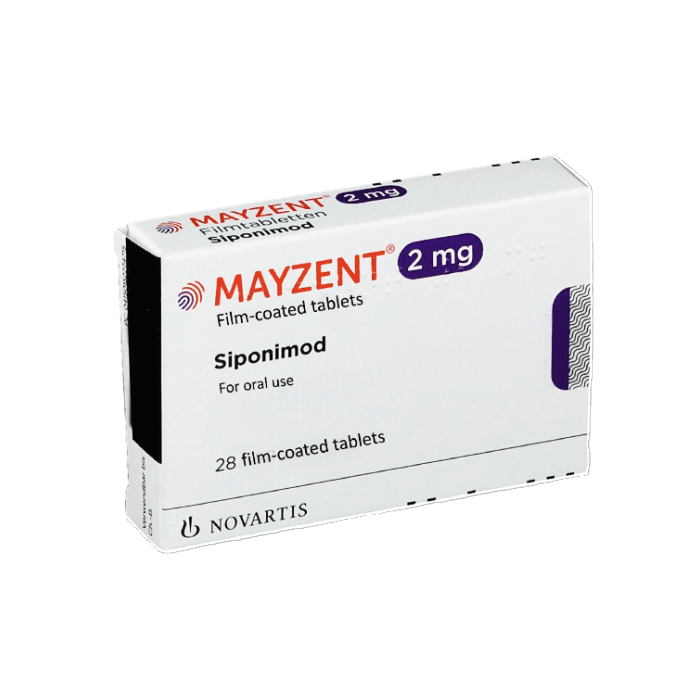
Mayzent
Buy Mayzent Online
Secure Encrypted Payments
Mayzent is the brand name for siponimod, an oral medication used in adults with relapsing forms of multiple sclerosis. It can be bought online through regulated pharmacy channels, with the dose or strength matched to the clinician’s directions and the product shown during ordering. Because Mayzent dosing depends on CYP2C9 genotype testing, the correct strength and start schedule matter before the first tablets are taken.
Mayzent tablets are used as an ongoing disease-modifying treatment, not as a short-term medicine for sudden MS symptoms. People who have already discussed siponimod with a neurologist often want clear information on Mayzent price, Mayzent dosing, safety monitoring, storage, and how the tablet strengths fit the treatment plan.
Price, Strength Selection, and Ordering Mayzent
Mayzent price can vary by tablet strength, quantity, start packaging, maintenance needs, and the pharmacy supply route. During ordering, choose the Mayzent tablets and strength that match the directions from your clinician rather than selecting a strength based only on cost or convenience. The start phase and long-term phase may involve different tablet amounts, so matching the exact plan helps avoid delays and dosing errors.
Some customers explore US delivery from Canada for Mayzent when they are paying cash or looking beyond a local pharmacy quote. We may review order details for consistency with the treatment directions before the medicine is supplied through licensed pharmacies. If you are comparing neurology medicines for MS, the broader neurology product category can help place Mayzent alongside other treatments used for nervous-system conditions.
Quick tip: Keep the clinician’s written dosing plan available when choosing Mayzent tablets online.
| Ordering point | Why it matters for Mayzent |
|---|---|
| Current directions | Siponimod has a titration phase and a maintenance phase, so the tablet amount must match the treatment stage. |
| CYP2C9 result | This genotype result affects whether siponimod can be used and which maintenance dose is appropriate. |
| Tablet strength | Mayzent 0.25 mg tablets are commonly used for titration, while maintenance plans may use 1 mg daily or 2 mg daily depending on CYP2C9 status. |
| Cost review | Mayzent cost may differ between starter needs and ongoing maintenance quantities. |
| Medication list | Heart-rate medicines, immune therapies, and CYP2C9 or CYP3A4 drugs can affect safety planning. |
What Mayzent Treats
Mayzent is used in adults with relapsing forms of multiple sclerosis, including clinically isolated syndrome, relapsing-remitting disease, and active secondary progressive disease. Multiple sclerosis is an immune-mediated condition that affects the central nervous system, including the brain and spinal cord. Relapsing forms can involve attacks of new or worsening symptoms followed by partial or complete recovery.
Siponimod belongs to a class called sphingosine 1-phosphate receptor modulators. In plain terms, it helps keep certain lymphocytes, a type of white blood cell, in lymph tissues so fewer of them circulate into the central nervous system. This immune effect is one reason Mayzent may help reduce relapsing disease activity, and it is also why infection monitoring matters during treatment.
For broader condition background, the multiple sclerosis condition section covers MS topics beyond this specific medicine. Treatment decisions still depend on disease activity, MRI findings, previous MS medicines, other health conditions, and tolerance for monitoring.
Dosing Basics and CYP2C9 Testing
Mayzent dosing is genotype-dependent. CYP2C9 is a liver enzyme that helps the body process siponimod, and certain CYP2C9 results can change both the allowed use and the maintenance amount. The labeled start uses a gradual titration schedule instead of a full maintenance amount on day one, which helps reduce the chance of heart-rate effects when treatment begins.
Many adults use a 2 mg once-daily maintenance amount after titration, while some CYP2C9 genotypes use a 1 mg once-daily maintenance plan. Mayzent 0.25 mg tablets are commonly associated with the titration period. If treatment is stopped for long enough, the labeled plan may require restarting titration rather than simply resuming the previous daily amount.
Why it matters: CYP2C9 testing affects both safety and the final Mayzent dose.
| Treatment stage | Practical point |
|---|---|
| Before starting | CYP2C9 genotype testing is part of label-based siponimod use. |
| Titration | The dose increases step by step during the first several days. |
| Maintenance | The ongoing daily amount depends on the CYP2C9 result. |
| Interruption | A treatment break can change whether titration must be restarted. |
Mayzent tablets are taken by mouth once daily, with or without food, according to the labeled schedule given by the treating clinician. Do not use another person’s starter pack or adjust the schedule informally. If a dose is missed, the safest next step is to ask the treating team or pharmacist how the labeled restart rules apply.
Tablet Strengths and Treatment Stages
Mayzent tablets are not all used for the same part of treatment. People may see Mayzent 0.25 mg, Mayzent 1 mg, and Mayzent 2 mg referenced in clinical instructions, pharmacy labels, or medication searches. Those numbers can refer to titration tablets, a genotype-adjusted daily amount, or a common maintenance strength.
During ordering, focus on the tablet strength and quantity that match the current directions. A person beginning siponimod may need titration tablets, while someone already stabilized may be using a maintenance amount. If the treatment plan changes because of CYP2C9 status, side effects, or an interruption, the next refill may not match the earlier pack.
| Mayzent reference | How it is commonly used | Customer-facing note |
|---|---|---|
| 0.25 mg tablets | Used during the step-up titration period. | These smaller tablets help the daily dose increase gradually. |
| 1 mg daily plan | Used for certain CYP2C9 genotypes. | The daily amount should match the genotype-based instructions. |
| 2 mg tablets | Used for many maintenance plans. | This is a common long-term daily amount after titration. |
Tablet strength is a safety issue, not only a shopping choice. The label-based plan is designed around metabolism, heart-rate effects, and continuity of treatment. Ask for clarification before switching between starter and maintenance tablets.
Storage, Travel, and Delivery Handling
Storage directions for Mayzent can depend on the package type and whether the package has been opened. Keep the tablets in the original packaging, follow the carton and pharmacy label, and protect the medicine from excess heat and moisture. Do not transfer tablets to a pill organizer unless a pharmacist confirms that the specific package can be handled that way.
When traveling, keep Mayzent with the original pharmacy label so the medicine can be identified. Carrying it in hand luggage can reduce exposure to temperature extremes and helps keep the daily schedule consistent. For border crossings or extended trips, carry a medication list that includes siponimod and the daily amount.
For approved orders, logistics may include prompt, express shipping. Plan refills early enough to account for medication review, travel, holidays, and the need to avoid treatment gaps that could trigger titration questions.
Side Effects, Warnings, and Monitoring
Mayzent can cause common side effects and serious problems that need medical attention. Commonly reported issues include headache, higher blood pressure, and liver test changes. Some people also experience swelling in the hands or feet, dizziness, or changes in breathing symptoms. Routine follow-up helps separate expected monitoring findings from symptoms that need urgent care.
Important Mayzent safety concerns include a slower heart rate when starting, heart conduction problems, infections, macular edema, liver injury, breathing changes, increased blood pressure, and possible fetal harm during pregnancy. Macular edema means swelling in the central part of the retina, which can blur or distort vision. People with diabetes or a history of uveitis may need extra eye-related attention.
Contact a clinician promptly for fainting, severe dizziness, palpitations, sudden vision changes, yellowing of the skin or eyes, dark urine, severe shortness of breath, or signs of a serious infection. Because siponimod lowers circulating lymphocytes, fever, persistent sore throat, unusual fatigue with infection symptoms, or infections that worsen instead of improving should not be ignored.
| Safety topic | What to watch |
|---|---|
| Heart rate | Slow heart rate or conduction changes are most important around treatment initiation. |
| Infections | Lower lymphocyte counts can make infection symptoms more important. |
| Eyes | Blurred vision or distortion may suggest macular edema. |
| Liver | Yellowing skin or eyes, dark urine, or severe nausea needs urgent evaluation. |
| Pregnancy | Siponimod may harm a fetus, so pregnancy planning should be discussed before and during treatment. |
Baseline checks may include CYP2C9 genotype, recent blood tests, heart history, blood pressure, eye history, liver history, varicella immunity, and current infection status. These checks help identify people who need a different start plan, extra monitoring, or another MS medicine.
Interactions and People Who Need Extra Caution
Siponimod has clinically important interaction considerations. Medicines that strongly affect CYP2C9 or CYP3A4 can change siponimod exposure, which may increase side effects or reduce expected drug levels. Drugs that slow heart rate or affect cardiac conduction may add to heart-related risks when Mayzent is started.
Other immune-modifying therapies require careful timing because overlapping immune effects can raise infection risk. Live vaccines may need to be avoided during treatment and for a period around therapy, depending on clinical guidance. Varicella vaccination history is often discussed because chickenpox infection can be more concerning in people using immune-modifying medicines.
- CYP2C9 or CYP3A4 interacting drugs may affect siponimod levels.
- Beta blockers and certain rhythm medicines can add heart-rate concerns.
- Other MS immune therapies may overlap with infection risk.
- Live vaccines require timing discussions before use.
- Active infections can affect when treatment should begin.
- Liver disease, eye disease, diabetes, breathing problems, and pregnancy plans may change monitoring.
Give the treating clinician and pharmacist an updated medication list, including over-the-counter products and supplements. This is especially important if you are switching from another MS disease-modifying therapy or adding medicine for blood pressure, heart rhythm, seizures, infections, or immune conditions.
How Mayzent Compares With Other MS Treatments
Mayzent is one option among several disease-modifying therapies for relapsing MS. The right fit depends on MS pattern, prior relapses, MRI activity, route preference, side-effect risks, monitoring needs, pregnancy plans, and previous treatment response. Oral therapy may feel convenient, but daily dosing and safety checks still require planning.
Other oral S1P modulators, infusion therapies, and self-administered injections all have different start requirements and monitoring burdens. For example, Kesimpta is an injectable MS treatment, while Copaxone 40 mg/mL prefilled syringe uses a different self-injection approach. Symptom-control medicines such as baclofen may be used for spasticity, but they do not replace disease-modifying MS treatment.
| Treatment type | How it differs from Mayzent | Decision point |
|---|---|---|
| Other oral S1P modulators | They share a related class concept but may differ in labeled testing and interactions. | Baseline checks and drug-interaction profile can drive the choice. |
| Infusion therapies | They are given in a clinical setting instead of taken daily at home. | Infusion scheduling and infection monitoring may matter more. |
| Self-injected therapies | They use injection schedules rather than once-daily tablets. | Route preference and side-effect pattern often influence acceptance. |
| Symptom medicines | They may help MS-related symptoms without modifying relapsing disease activity. | They can be complementary but serve a different purpose. |
The neurology articles section can support broader reading on nervous-system treatment topics. Use those materials for context, then bring specific Mayzent questions back to the clinician managing the MS plan.
Questions to Ask Before Starting or Refilling
Mayzent treatment works best when the tablet strength, testing history, and monitoring schedule stay aligned. Before starting, ask whether CYP2C9 testing is complete, whether any heart history affects the first-dose plan, and whether eye or liver checks are needed. If you are refilling, ask whether any missed doses or treatment gaps change the restart instructions.
It is also useful to ask how blood pressure, infection symptoms, vaccines, and pregnancy planning should be handled. People switching from another immune therapy should ask about washout timing and overlapping infection risk. These conversations can prevent avoidable pauses after Mayzent has already been selected.
- What CYP2C9 result is documented for my siponimod plan?
- Which tablet strength should I use for this treatment stage?
- What should I do if I miss doses or run out?
- Do I need heart, eye, liver, or blood-pressure monitoring?
- Are any current medicines unsafe with siponimod?
- Should any vaccines be completed before treatment begins?
- What symptoms should prompt urgent medical care?
Keep copies of recent medication lists and monitoring results if you are coordinating an online order. Clear documentation helps the pharmacy and clinical team resolve questions about dose, safety, and continuity.
Authoritative Sources
For label-level and patient education information on Mayzent and siponimod, these sources are useful starting points:
- Official prescribing information from Novartis.
- MSAA siponimod treatment overview for patient-friendly background.
- Manufacturer product information for Mayzent resources.
This content is for informational purposes only and is not a substitute for professional medical advice.
Express Shipping - from $29.99
Shipping with this method takes 3-5 days
Prices:
- Dry-Packed Products $29.99
- Cold-Packed Products $39.99
Shipping Countries:
- United States (all contiguous states**)
- Worldwide (excludes some countries***)
Standard Shipping - $19.99
Shipping with this method takes 5-10 days
Prices:
- Dry-Packed Products $19.99
- Not available for Cold-Packed products
Shipping Countries:
- United States (all contiguous states**)
- Worldwide (excludes some countries***)
What is Mayzent used for?
Mayzent is used in adults with relapsing forms of multiple sclerosis, including clinically isolated syndrome, relapsing-remitting disease, and active secondary progressive disease. It is a disease-modifying therapy, not a short-term treatment for an acute MS flare.
Why does Mayzent require CYP2C9 testing?
CYP2C9 testing helps determine how your body processes siponimod. The result affects whether Mayzent can be used and whether the maintenance amount is typically 1 mg daily or 2 mg daily after titration.
How is Mayzent taken?
Mayzent is taken by mouth once daily, with or without food, according to the clinician’s dosing schedule. Treatment usually begins with a step-up titration period before the ongoing maintenance amount.
What are common Mayzent side effects?
Commonly reported effects include headache, higher blood pressure, and liver test changes. Serious concerns can include slower heart rate when starting, infections, macular edema, liver injury, breathing changes, and fetal harm during pregnancy.
What should I do if I miss Mayzent doses?
Ask your clinician or pharmacist before restarting if you miss doses or have a treatment gap. Depending on the timing and treatment stage, the labeled plan may require restarting the titration schedule.
How should Mayzent tablets be stored?
Keep Mayzent in its original packaging and follow the carton and pharmacy label. Protect tablets from excess heat and moisture, and ask a pharmacist before moving them into a pill organizer.
Rewards Program
Earn points on birthdays, product orders, reviews, friend referrals, and more! Enjoy your medication at unparalleled discounts while reaping rewards for every step you take with us.
You can read more about rewards here.
POINT VALUE
How to earn points
- 1Create an account and start earning.
- 2Earn points every time you shop or perform certain actions.
- 3Redeem points for exclusive discounts.
You Might Also Like
Select options
This product has multiple variants. The options may be chosen on the product page
Select options
This product has multiple variants. The options may be chosen on the product page
Select options
This product has multiple variants. The options may be chosen on the product page
Select options
This product has multiple variants. The options may be chosen on the product page