

Please note: a valid prescription is required for all prescription medication.
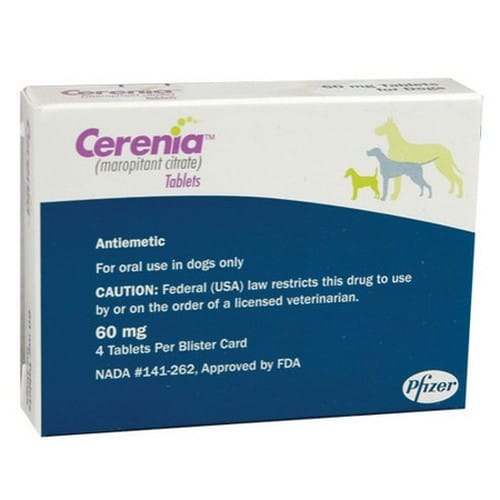
Cerenia
Cerenia for Dogs: How to Buy It Safely
Price:
Price range: $36.99 through $253.99
Secure Encrypted Payments
Cerenia is a prescription veterinary medicine used to help prevent vomiting and reduce motion-related nausea in dogs. It contains maropitant citrate, an antiemetic (vomit-control medicine) used for short, label-directed courses. This page reviews key uses, safety points, and practical handling, and it also explains access basics with Ships from Canada to US support for caregivers paying without insurance.
What Cerenia Is and How It Works
Maropitant citrate works by blocking neurokinin-1 (NK1) receptors (a pathway that carries a vomiting signal). By reducing the effect of a natural substance involved in nausea and vomiting signaling, the medicine can help limit vomiting from certain causes and can also reduce motion-associated nausea in some dogs. It is not a sedative, and it is not an antibiotic or pain reliever.
Vomiting can be triggered by many problems, including gastrointestinal upset, toxins, infections, pancreatitis, and inner-ear or balance disorders. Because causes differ, a veterinary exam may be needed before treatment starts, especially when vomiting is frequent, includes blood, or is paired with lethargy or abdominal pain. Prescriptions are confirmed with the prescriber before dispensing.
Who It’s For
This medicine is commonly prescribed for dogs when a veterinarian is managing acute vomiting or preventing vomiting associated with motion sickness. The specific approved use and age limits depend on the formulation and indication, so the prescriber’s directions and the product labeling matter. For condition-based browsing and related options, see the Vomiting and Motion Sickness hubs.
There are also situations where vomiting should not be masked without assessment. Examples include suspected intestinal obstruction, toxin exposure, repeated retching without bringing anything up, or signs of dehydration. Cerenia may also be inappropriate for pets with known hypersensitivity to ingredients, and extra caution may be needed with very young puppies, breeding animals, or pets with significant liver disease. A veterinarian can decide if anti-vomiting therapy is appropriate while investigating the cause.
Dosage and Usage
Dosing for this drug is weight-based and differs by indication, which is why prescriptions must match the pet’s current weight and the intended use. Cerenia tablets are typically given once daily for a limited number of days, and the prescriber may time doses around travel when motion sickness is the concern. Directions can also include what to do if vomiting happens after a dose or if a dose is missed, since “make-up” dosing is not always appropriate.
For deeper background on how maropitant is used in practice, see the Maropitant Dosing And Safety guide. Accurate administration also depends on practical handling: giving the full dose, avoiding split or crumbled tablets unless directed, and keeping a simple log of dates and reasons for each dose. If vomiting persists or worsens, the next step is often reassessment rather than extending therapy without guidance.
Quick tip: Keep the prescription label and written directions with the pet’s travel kit.
Strengths and Forms
Maropitant is available as oral tablets and as an injectable formulation used in clinical settings. A veterinarian chooses the form based on the pet’s condition, whether oral medication can be kept down, and the intended use (such as prevention around travel). Availability can vary by region and pharmacy sourcing, and the prescription must specify the correct formulation and quantity.
For caregivers comparing options within a broader catalog, the Pet Medications category can be used to browse related prescription and non-prescription items. Fulfillment is through licensed Canadian partner pharmacies. When a switch between forms is considered, it should be treated as a new clinical decision because dosing directions and timing can differ.
Storage and Travel Basics
Storage is usually straightforward, but it matters for reliability. Keep tablets in the original packaging when possible, store at room temperature, and protect from moisture and heat. Avoid leaving medication in a vehicle where temperatures can swing widely. If a tablet is damaged or discolored, it should be set aside and a pharmacist or veterinarian should be asked whether it remains usable.
For travel days, pack medication with the prescription label and keep it separate from treats or human medicines to prevent mix-ups. If a cooler is used, avoid direct contact with ice packs to reduce moisture exposure. As with many prescription therapies, safe storage also means preventing accidental ingestion by children or other animals. If an accidental overdose is suspected, contacting a veterinary clinic or poison-control resource is the safest next step.
Side Effects and Safety
Most dogs tolerate this therapy, but side effects can still occur. With Cerenia, common reports in practice can include drooling, tiredness, reduced appetite, diarrhea, or mild stomach upset. Injectable maropitant (when used by a veterinary professional) may also cause temporary discomfort at the injection site. Any new or concerning change after a dose should be documented, including timing, appetite changes, and stool quality.
Seek urgent veterinary help if a pet develops signs of a severe reaction or becomes significantly worse. Concerning signs can include facial swelling, hives, trouble breathing, collapse, extreme weakness, persistent vomiting despite treatment, or signs of dehydration.
- Watch hydration status: note water intake and gum moisture
- Track energy changes: unusual lethargy or restlessness
- Check GI pattern: repeated vomiting or black stools
- Look for allergy signs: swelling, itching, wheezing
Why it matters: Dehydration can progress quickly when vomiting continues.
Drug Interactions and Cautions
Drug-interaction risk depends on the pet’s full regimen and health history. Maropitant is highly protein-bound, so veterinarians may pay closer attention when a dog is taking other highly protein-bound drugs or has conditions that affect drug metabolism. It’s also important to disclose supplements, flea and tick products, heartworm preventives, and any recent anesthesia or sedation.
Nausea can sometimes be driven by balance-system problems rather than the stomach. If dizziness, head tilt, or abnormal eye movements are present, discussing vestibular causes may be helpful; the What Is Vertigo overview provides background on that symptom pattern. In pets with chronic liver disease or complex medical histories, monitoring plans may include follow-up exams or lab work, based on the veterinarian’s judgment.
Compare With Alternatives
Veterinarians select anti-nausea options based on the suspected cause, severity, and whether the pet can take oral medication. An injectable option, Cerenia Injection, may be used in clinical settings when vomiting is active or oral dosing is not practical. In other cases, a vet may consider different classes of antiemetics, such as serotonin (5-HT3) antagonists (for example, ondansetron) or dopamine antagonists (for example, metoclopramide), depending on the situation and diagnosis.
For motion sickness, some clinicians also use antihistamines, which can cause sedation and are not appropriate for every pet. A related example is Diphenhydramine Product Page, which is sometimes discussed for travel-related nausea in veterinary contexts. The site’s Antihistamine Nausea Overview offers broader background on this drug class. Non-drug measures (travel breaks, ventilation, and gradual conditioning) can also be part of a plan.
Pricing and Access
Pricing for prescription antiemetics can vary with the prescribed form, quantity, and strength, as well as the dispensing pharmacy’s sourcing. A valid Cerenia prescription is required, and the prescription details must match the intended indication and directions. For caregivers who are managing pet care without insurance, cash-pay access can be a practical route when coverage is not used. Cash-pay access is available when insurance isn’t used.
BorderFreeHealth operates as a referral platform that coordinates dispensing through Canadian partner pharmacies, including US delivery from Canada when permitted and properly documented. For guidance on evaluating online pharmacy options, see the Pet Medications Online Guide. If available, platform-wide assistance may be listed on the Promotions Page, though eligibility and availability can change.
Authoritative Sources
For the most reliable details on approved indications, dosing limits, contraindications, and safety testing, the primary reference is the official product labeling and regulator-maintained listings. These sources can help caregivers understand what has been evaluated for specific species and uses, and they also provide a baseline for discussions with a veterinarian when symptoms don’t fit a typical motion sickness pattern.
The following sources are useful starting points for verification and context:
- Regulatory listings and approvals are summarized at Animal Drugs @ FDA.
- General approval information is available from Approved Animal Drug Products (Green Book).
To proceed on the site, add the prescription item and complete the prescription verification step; options include prompt, express shipping.
This content is for informational purposes only and is not a substitute for professional medical advice.
Express Shipping - from $25.00
Shipping with this method takes 3-5 days
Prices:
- Dry-Packed Products $25.00
- Cold-Packed Products $35.00
Shipping Countries:
- United States (all contiguous states**)
- Worldwide (excludes some countries***)
Standard Shipping - $15.00
Shipping with this method takes 5-10 days
Prices:
- Dry-Packed Products $15.00
- Not available for Cold-Packed products
Shipping Countries:
- United States (all contiguous states**)
- Worldwide (excludes some countries***)
What is Cerenia used for in dogs?
Cerenia is a prescription antiemetic used in veterinary care to help prevent vomiting and reduce nausea associated with motion sickness in dogs. The active ingredient is maropitant citrate, which works on a specific signaling pathway involved in vomiting. Veterinarians may prescribe it for short-term, situation-specific use, such as travel-related nausea or acute vomiting episodes, depending on the dog’s symptoms and evaluation. Because vomiting can signal serious illness, the best use depends on identifying the underlying cause and following the prescribed directions.
How quickly does Cerenia start working?
Onset can vary based on the dog, the reason it’s prescribed, and whether the medicine is given by mouth or as an injection in a clinic. Some dogs show improvement in nausea or vomiting control within hours, while others may need reassessment if vomiting continues. If vomiting is persistent, includes blood, or occurs along with marked lethargy, abdominal pain, or dehydration signs, the next step is usually a veterinary re-check rather than repeated dosing. A veterinarian can advise what to expect for the specific case.
Can Cerenia be used for car sickness or travel nausea?
Cerenia is commonly prescribed to help prevent vomiting associated with motion sickness in dogs, which can include car sickness. How it’s timed around travel and how many consecutive days it is used depends on the prescription directions and labeling. Motion sickness can overlap with anxiety or vestibular (balance) issues, so travel nausea may need a broader plan that includes conditioning, ventilation, and rest breaks. If symptoms include head tilt, severe dizziness, or abnormal eye movements, a veterinarian may consider other causes besides motion sickness.
What side effects should be monitored after a dose?
After a dose, monitoring focuses on changes in appetite, energy level, stool quality, and whether vomiting truly stops. Mild effects can include drooling, tiredness, decreased appetite, or diarrhea. More concerning signs include facial swelling, hives, trouble breathing, collapse, or continued vomiting with dehydration risk. It can help to note the timing of symptoms relative to dosing and to keep a brief log for the veterinarian. Any severe reaction or rapid worsening should be treated as urgent and assessed promptly by a veterinary professional.
Can puppies take Cerenia?
Age restrictions and precautions can differ by formulation and the specific indication, so a veterinarian should confirm whether a puppy is an appropriate candidate. Very young dogs may be more sensitive to medication effects, and vomiting in puppies can also be linked to parasites, infection, diet changes, or obstruction, which may need targeted treatment. Caregivers should avoid using leftover prescriptions from another pet or another episode, because weight-based dosing and safety considerations change quickly during growth. The prescriber can also advise what monitoring is needed in younger animals.
What should be discussed with a veterinarian before starting Cerenia?
Key topics include the dog’s current weight, the reason for vomiting or nausea, and whether there are red-flag signs such as blood in vomit, abdominal pain, repeated retching, dehydration, or suspected toxin exposure. It’s also important to share a full medication and supplement list, including flea/tick products and heartworm preventives, and to mention any liver disease or prior medication reactions. Asking what to do if vomiting continues after a dose, or if a dose is missed, can prevent unsafe “catch-up” dosing. The veterinarian can align the plan with labeling and the pet’s diagnosis.
Rewards Program
Earn points on birthdays, product orders, reviews, friend referrals, and more! Enjoy your medication at unparalleled discounts while reaping rewards for every step you take with us.
You can read more about rewards here.
POINT VALUE
How to earn points
- 1Create an account and start earning.
- 2Earn points every time you shop or perform certain actions.
- 3Redeem points for exclusive discounts.
How to book an appointment
- 1Create Begin by completing a profile or log into your existing account. This step ensures we have the necessary information to provide you with a service that's tailored to your needs. account and start earning.
- 2Scheduling an appointment with our online booking system is easy. Pick a day and time that suits you. You’ll receive an immediate confirmation, without the wait.
- 3Discuss your concerns and symptoms and receive a thorough diagnosis from one of our licensed doctors during a confidential video appointment.
- 4If you've been prescribed medication, your Rx is sent directly to one of our licensed pharmacies and delivered right to your door.
Get Started
To book an online doctor appointment, register for an account or login. After doing so, you can book your visit on this page.
You Might Also Like
Select options
This product has multiple variants. The options may be chosen on the product page
Select options
This product has multiple variants. The options may be chosen on the product page
Select options
This product has multiple variants. The options may be chosen on the product page
Select options
This product has multiple variants. The options may be chosen on the product page