
Please note: a valid prescription is required for all prescription medication.
Clonidine
Buy Clonidine Online
Secure Encrypted Payments
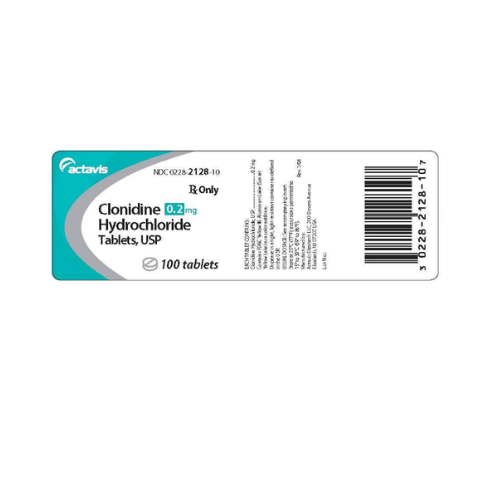
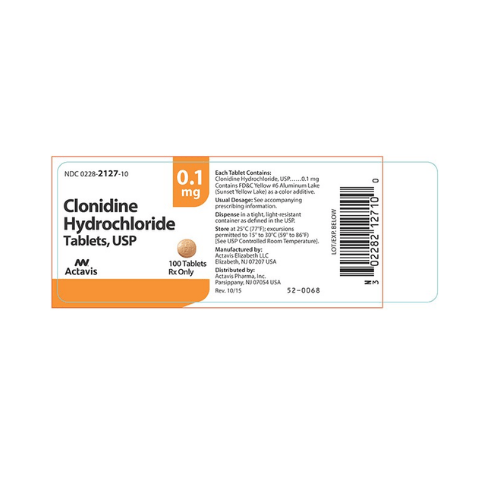
Clonidine is an oral medicine used to help lower high blood pressure. It can be ordered online with the tablet strength shown during ordering matched to the directions from your healthcare professional. Common strengths include Clonidine 0.1 mg, 0.2 mg, and 0.3 mg tablets, with US delivery from Canada available through licensed pharmacy channels.
Clonidine Price, Strengths, and Ordering
Clonidine price can vary by tablet strength, manufacturer, quantity, and cash-pay needs. During ordering, choose the available dose and quantity that align with your treatment plan rather than switching strengths on your own. If you are reviewing Clonidine cost without insurance, multi-month quantities may help reduce repeat order fees when your healthcare professional agrees that a larger supply is appropriate.
Immediate-release clonidine hydrochloride tablets are commonly supplied as 0.1 mg, 0.2 mg, and 0.3 mg strengths. Many people search for Catapres 0.1 mg, Catapres 0.2 mg, or Catapres 0.3 mg because Catapres is a brand name for clonidine hydrochloride tablets. Generic clonidine tablets contain the same active ingredient, but appearance and inactive ingredients can differ by manufacturer.
Quick tip: Match the tablet strength on your order to the exact strength written in your medication directions.
What Clonidine Treats
Clonidine is used alone or with other medicines to treat hypertension, which means high blood pressure. Lowering blood pressure can reduce strain on the heart and blood vessels over time. The medicine is not a cure for hypertension, so regular use, home readings, and lifestyle steps often remain part of long-term care.
Clinicians may sometimes use clonidine for other situations, such as certain withdrawal symptoms, menopausal hot flashes, or sleep-related symptoms, but those uses depend on individual medical judgment. Immediate-release clonidine tablets are different from extended-release clonidine products used in pediatric attention deficit hyperactivity disorder. If ADHD is part of your care discussion, our Attention Deficit Hyperactivity Disorder information can help you understand the broader condition context.
For blood pressure treatment planning, clonidine is usually considered one tool among several medication classes. Many people use it with diuretics, ACE inhibitors, calcium channel blockers, beta blockers, or other antihypertensive medicines. Broader condition information is available in our Hypertension section.
How This Medicine Works
Clonidine hydrochloride is a central alpha-2 adrenergic agonist. In plain language, it acts in the brain to reduce certain nerve signals that can raise blood pressure. This can lower heart rate and reduce resistance in blood vessels, helping blood move with less pressure against artery walls.
The effect depends on steady use and careful monitoring. Some people notice lower readings as the dose becomes stable, while others need combination therapy or a different approach. Because clonidine can affect heart rate and blood pressure, dose changes should be planned with a healthcare professional who knows your readings, other medicines, and medical history.
Clonidine is not a benzodiazepine and is not a form of Xanax. It may cause sedation in some people, but it is not a sleeping pill. If drowsiness occurs, avoid driving or hazardous tasks until you know how the medicine affects you.
Dosage and Daily Use Basics
Follow the directions provided by your healthcare professional. The current content for this medicine notes a common adult starting dose of 0.1 mg twice daily for hypertension, with later adjustments made in small steps when needed. Many adults receive a total daily amount between 0.2 mg and 0.6 mg in divided doses, but the right plan depends on your response and tolerability.
Take tablets with water and try to use the same morning and evening routine each day. Consistent timing can help avoid swings in blood pressure. If a dose feels too sedating, too weak, or difficult to fit into your schedule, ask for guidance rather than changing the pattern by yourself.
Do not stop clonidine suddenly unless emergency care directs you to do so. Abrupt discontinuation can cause rebound hypertension, headache, nervousness, tremor, or a rapid rise in blood pressure. When clonidine is used with a beta blocker, stopping either medicine may need a carefully planned sequence to reduce the risk of blood pressure spikes.
Missed Dose and Timing Questions
If you miss a dose, take it when remembered the same day unless it is close to the next scheduled dose. If the next dose is near, skip the missed tablet and return to your usual routine. Do not take two doses together to make up for a missed dose.
Repeated missed doses deserve attention because clonidine levels can fall and blood pressure may rebound. A phone reminder, medication app, or weekly pill organizer may help. If your daily schedule changes often, ask whether a different timing plan would be safer and easier to follow.
Home blood pressure logs are useful when timing or dose questions come up. Record the reading, time, pulse, symptoms, and whether the dose was taken. This information can help your care team decide whether clonidine is working as intended or whether another medicine should be adjusted.
Side Effects, Warnings, and Monitoring
Common clonidine side effects include dry mouth, drowsiness, dizziness, fatigue, constipation, headache, and lightheadedness. These effects may be stronger when treatment begins, after a dose increase, or when clonidine is combined with alcohol or sedating medicines. Rising slowly from sitting or lying down can help reduce dizziness from low blood pressure.
Serious reactions are less common but need prompt attention. Seek urgent care for fainting, severe dizziness, chest pain, shortness of breath, swelling of the face or throat, or symptoms of an allergic reaction. Very slow heart rate, marked hypotension, confusion, mood changes, or severe weakness should also be discussed quickly with a healthcare professional.
Monitoring usually includes blood pressure and pulse, especially after starting or changing therapy. Older adults, people with kidney impairment, and those with heart conduction problems may need closer follow-up. Clonidine can worsen low blood pressure or slow heart rate in sensitive patients, so symptoms matter as much as numbers.
Tell your healthcare professional about all medicines, supplements, and alcohol use. Sedatives, opioids, benzodiazepines, sleep medicines, and alcohol can add to drowsiness. Other blood pressure medicines can increase lowering effects. Tricyclic antidepressants may reduce clonidine’s blood pressure benefit. Digoxin, beta blockers, and medicines affecting heart rhythm require extra caution.
Who May Need Extra Caution
Clonidine may not be suitable for people with significant bradycardia, advanced heart block without a pacemaker, severe low blood pressure, or a history of fainting related to slow heart rate. Kidney impairment may affect how the body handles the medicine, so closer observation can be needed. People who drive professionally or operate machinery should be especially careful during the first days of therapy or after a dose change.
Pregnancy, breastfeeding, and complex cardiovascular disease require individualized assessment. Clonidine has effects beyond blood pressure, including sedation and changes in pulse, so it should be evaluated within the full medication list. If you are taking several cardiovascular medicines, the Cardiovascular category can help you recognize related medicine classes to discuss during care planning.
Some people wonder why clinicians may be cautious with clonidine. The concern is not that it is ineffective; it is that missed doses, sudden stopping, sedation, slow pulse, and drug interactions can be clinically important. Those risks make adherence and monitoring especially important.
Storage, Travel, and Delivery
Store clonidine tablets at room temperature in a dry place with the bottle closed tightly. Keep the medicine away from excess heat, moisture, children, and pets. Do not store tablets in a bathroom if humidity is high, and avoid transferring them into unlabeled containers.
When traveling, keep tablets in the original labeled packaging and carry a simple list of your medicines. Pack them in carry-on luggage rather than checked bags. If crossing time zones, plan dose timing before travel so doses remain spaced consistently.
Orders may be handled with prompt, express shipping. Once received, follow the storage directions on the label. If your medicine arrives with a different tablet appearance than before, confirm the active ingredient and strength on the label before taking it.
Clonidine Compared With Other Blood Pressure Medicines
Clonidine works differently from many first-line blood pressure medicines. Calcium channel blockers relax blood vessels through calcium signaling. Beta blockers reduce heart rate and cardiac workload through beta receptors. Diuretics help the body remove extra salt and water. Clonidine acts centrally, which can make it useful in selected treatment plans but also increases the importance of avoiding abrupt discontinuation.
Some people use a calcium channel blocker instead of, or alongside, centrally acting therapy. Others may use beta blockers when heart rate control is also needed. These choices depend on pulse, kidney function, other conditions, and side effect history. If you are exploring related heart and blood pressure treatments, our cardiovascular articles provide additional condition-focused reading.
Country-of-origin preferences can also matter for some customers. Products associated with Canadian sourcing can be browsed through the Canada attribute when applicable. Always keep the medication name, strength, and directions as the primary basis for your order.
Questions to Ask Before Using Clonidine
- What blood pressure and pulse goals should I track at home?
- Which tablet strength should I use at each dose time?
- What should I do if drowsiness affects driving or work?
- How should missed doses be handled in my routine?
- Which medicines or supplements could interact with clonidine?
- What symptoms mean my blood pressure or heart rate is too low?
- If clonidine needs to be stopped, what taper plan should be used?
Authoritative Sources
For medical claims about clonidine, rely on regulated labeling and trusted drug-information references. The most important safety themes are consistent use, careful dose changes, monitoring blood pressure and pulse, and avoiding sudden discontinuation unless emergency care directs otherwise.
Ask your healthcare professional or pharmacist to review the current official labeling for your exact clonidine product, especially if your tablet strength, manufacturer, or medication list changes. Product labels and professional references can also clarify storage, inactive ingredients, and manufacturer-specific appearance.
This content is for informational purposes only and is not a substitute for professional medical advice.
Blood Pressure Average Calculator
Average home blood pressure readings and show a simple screening range.
Average BP
-
entered readings only
Range
-
screening category
These calculations are for education only and do not replace clinical advice, diagnosis, or treatment. Always confirm medical decisions with a qualified healthcare professional.
Mean Arterial Pressure Calculator
Calculate estimated mean arterial pressure from systolic and diastolic blood pressure.
MAP
-
DBP + one-third pulse pressure
These calculations are for education only and do not replace clinical advice, diagnosis, or treatment. Always confirm medical decisions with a qualified healthcare professional.
Pulse Pressure Calculator
Calculate pulse pressure from systolic and diastolic blood pressure.
Pulse pressure
-
SBP - DBP
These calculations are for education only and do not replace clinical advice, diagnosis, or treatment. Always confirm medical decisions with a qualified healthcare professional.
Express Shipping - from $29.99
Shipping with this method takes 3-5 days
Prices:
- Dry-Packed Products $29.99
- Cold-Packed Products $39.99
Shipping Countries:
- United States (all contiguous states**)
- Worldwide (excludes some countries***)
Standard Shipping - $19.99
Shipping with this method takes 5-10 days
Prices:
- Dry-Packed Products $19.99
- Not available for Cold-Packed products
Shipping Countries:
- United States (all contiguous states**)
- Worldwide (excludes some countries***)
What is clonidine used for?
Clonidine is used to treat high blood pressure, either alone or with other blood pressure medicines. Clinicians may sometimes use it for other situations, but those uses depend on individual medical judgment and the specific formulation.
Is clonidine the same as Xanax?
No. Clonidine is not Xanax and is not a benzodiazepine. It is a central alpha-2 adrenergic agonist that can lower blood pressure and may cause drowsiness in some people.
Is clonidine a sleeping pill?
Clonidine is not classified as a sleeping pill. Sleepiness can occur as a side effect, so avoid driving or hazardous tasks until you know how it affects you.
What are common clonidine side effects?
Common side effects include dry mouth, drowsiness, dizziness, fatigue, constipation, headache, and lightheadedness. Severe dizziness, fainting, chest pain, breathing trouble, or signs of allergy need urgent medical attention.
Can clonidine be stopped suddenly?
Clonidine should not usually be stopped suddenly because rebound high blood pressure can occur. If a change is needed, a healthcare professional can plan a gradual taper and account for other medicines such as beta blockers.
Rewards Program
Earn points on birthdays, product orders, reviews, friend referrals, and more! Enjoy your medication at unparalleled discounts while reaping rewards for every step you take with us.
You can read more about rewards here.
POINT VALUE
How to earn points
- 1Create an account and start earning.
- 2Earn points every time you shop or perform certain actions.
- 3Redeem points for exclusive discounts.
You Might Also Like
Select options
This product has multiple variants. The options may be chosen on the product page
Select options
This product has multiple variants. The options may be chosen on the product page
Select options
This product has multiple variants. The options may be chosen on the product page
Select options
This product has multiple variants. The options may be chosen on the product page