

Please note: a valid prescription is required for all prescription medication.
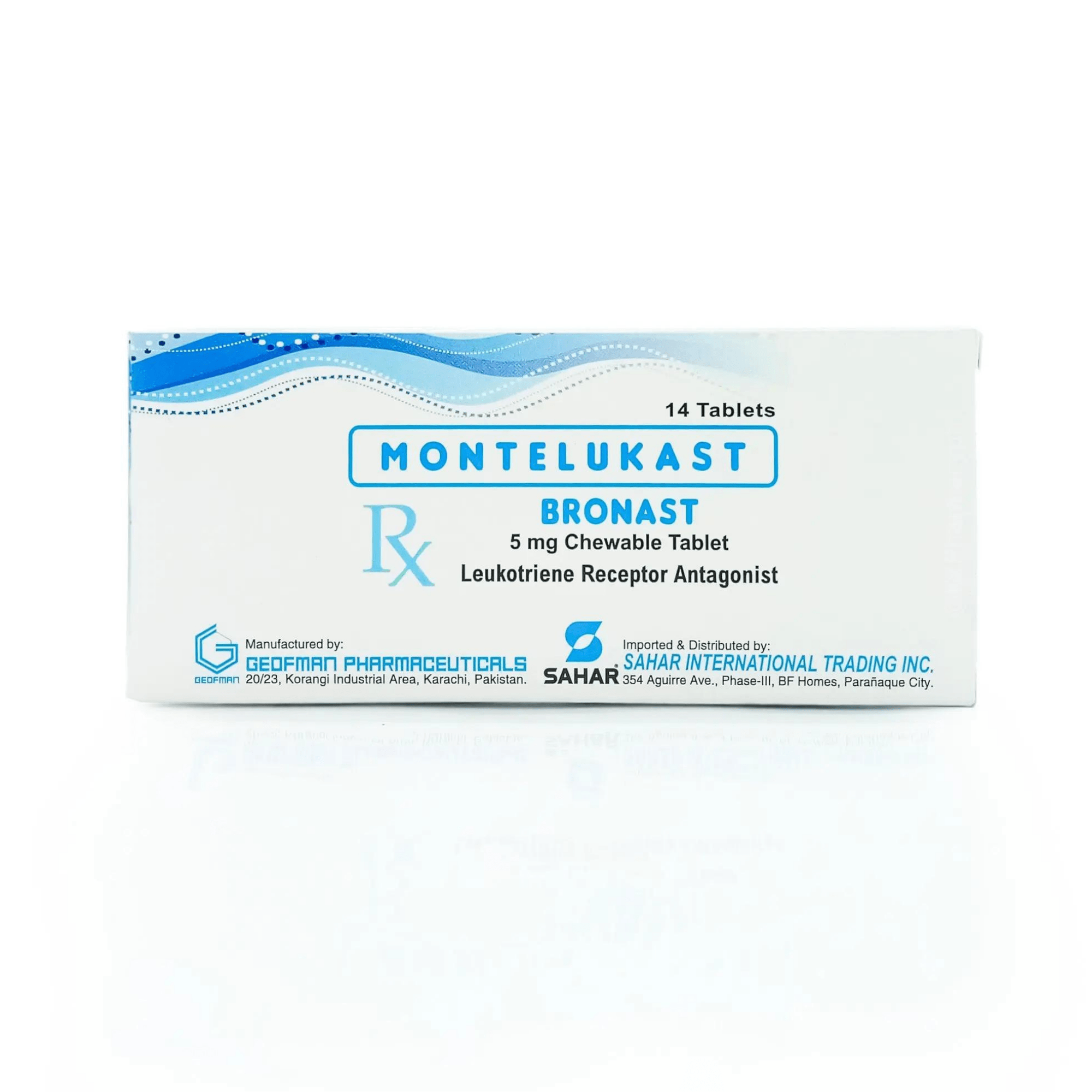
Montelukast
Montelukast Buying Guide and Safety Checks
Price:
Price range: $27.99 through $31.99
Secure Encrypted Payments
This page helps patients evaluate whether Montelukast is appropriate to pursue, what prescription checks may apply, and the main safety points to review first. It is a product page for people exploring how to buy this medicine through a compliant process, not just a general drug summary. The treatment is used for long-term asthma control and for allergic rhinitis in some patients, but it is not for sudden breathing attacks and it carries an important mental health warning.
Some patients explore US delivery from Canada when looking at prescription options, but eligibility and jurisdiction still matter. Knowing the daily-use role, common tablet forms, and major cautions can make the next discussion with a clinician or pharmacist more focused.
How to Buy Montelukast and What to Know First
Montelukast is a prescription leukotriene receptor antagonist (a blocker of inflammation signals) used to help prevent and control certain asthma and allergy symptoms. BorderFreeHealth works with licensed Canadian partner pharmacies for eligible U.S. patients, but the practical first step is still confirming that a clinician has prescribed it for the right reason. This is the generic medicine commonly associated with Singulair, and it is meant for maintenance or prevention, not emergency relief.
Leukotrienes are chemical messengers that can tighten airways, increase swelling, and worsen nasal symptoms. By blocking those signals, this medicine supports long-term control rather than rapid symptom rescue. That mechanism helps explain why it may be considered when asthma and allergic rhinitis overlap, but it also explains why a separate quick-relief plan is still necessary for sudden breathing symptoms.
People often compare this treatment after browsing Respiratory Products or reading Respiratory Articles. If symptoms are mostly seasonal nasal symptoms, the Allergic Rhinitis hub and the guide on Hay Fever Symptoms can help frame whether the goal is asthma maintenance, exercise prevention, or allergy control.
- Daily controller role: used regularly rather than as needed.
- Rescue plan review: keep quick-relief asthma treatment separate.
- Mental health history: boxed warning issues deserve early discussion.
- Prescription status: documentation may need confirmation.
Who It’s For and Access Requirements
This medicine may be prescribed for chronic asthma control in adults and children, for prevention of exercise-induced bronchoconstriction in some patients, or for allergic rhinitis. The best fit depends on age, symptom pattern, and whether asthma and allergies occur together. It is neither a steroid nor an antihistamine, which matters when someone is comparing it with inhaled steroids, nasal sprays, or standard allergy tablets.
Access usually starts with a valid prescription and enough clinical detail to confirm the intended use. A clinician may review current asthma control, prior allergy treatments, mood history, and whether symptoms are mainly nasal or mainly lower-airway. For readers comparing other allergy approaches, Claritin Allergy Medicine explains a non-drowsy antihistamine approach, while Diphenhydramine XST and Histantil 50 Mg show how older antihistamines can differ in sedation and use.
Patients with mild seasonal symptoms alone may be reviewed differently from those with asthma that worsens at night, with exercise, or during pollen season. Age matters as well, because adult film-coated tablets are not the same as pediatric chewables or granules. The goal is to match the condition, age group, and dosage form before a pharmacy ever evaluates the prescription.
- Asthma maintenance: supports long-term control, not sudden attack relief.
- Exercise symptoms: may help prevent exercise-related bronchospasm.
- Allergy symptoms: may be considered for allergic rhinitis.
- Age-specific forms: tablets, chewables, and granules differ by age.
Dosage and Usage
For many adults, Montelukast is taken once daily, and the familiar adult prescription is a 10 mg tablet. People often ask why it is taken at night; evening dosing is common, but the main principle is consistent daily use exactly as prescribed. If it is being used for exercise-related symptoms, directions may differ, so the label and prescriber instructions should guide timing.
Regular daily use is different from taking a medicine only when symptoms appear. If the prescription is written for ongoing control, the benefit is judged over time, not by immediate relief after a single tablet. That is one reason changing the schedule without guidance can create confusion about whether the treatment is helping.
This medicine should not replace a rescue inhaler or other fast-acting treatment for an acute asthma episode. If a dose is missed, the official labeling should guide the next step rather than doubling up. Swallow tablets or use chewables and granules only in the manner described on the label, especially in pediatric use.
- Take it regularly: controller medicines work best with routine use.
- Do not double doses: missed-dose steps follow the label.
- Keep rescue therapy separate: sudden symptoms need the prescribed quick-relief option.
- Review timing questions: evening use is common, not universal.
Strengths and Forms
Common Montelukast presentations include film-coated tablets, chewable tablets, and oral granules, although the exact supply available on a product page can vary. Adults are often prescribed the 10 mg tablet, while pediatric prescribing depends on age and the specific formulation. Some labels list the active ingredient with the sodium salt noted, which is normal for this medicine.
| Form | Common strength | General note |
|---|---|---|
| Film-coated tablet | 10 mg | Often used for adult maintenance treatment. |
| Chewable tablet | 4 mg or 5 mg | Used in some pediatric age groups. |
| Oral granules | 4 mg | Used in certain younger patients when prescribed. |
That distinction matters when a search starts with montelukast 10 mg or singulair 10 mg. The 10 mg film-coated tablet is the usual adult form, but younger patients may need a different presentation entirely. Product images and names can look similar, so the label, strength, and instructions should guide selection.
When comparing a generic to Singulair, the important checks are the dosage form, strength, and directions on the actual label rather than brand familiarity alone. That is especially relevant for families moving between tablets, chewables, and granules.
Storage and Travel Basics
Store this medicine at room temperature in its original packaging unless the label says otherwise. Keep it dry, protected from excess heat, and out of reach of children. Bathrooms, glove boxes, and other humid or high-heat places are poor storage spots because moisture and temperature swings can affect tablets or packets.
For travel, keep the medication in the original container or blister pack so the strength and prescription details stay readable. That helps if a clinician or pharmacist needs to review the exact product. Do not use expired packets or tablets, and do not keep doses in unlabeled containers for long periods.
If a chewable or granule pack is damaged or unreadable, a pharmacist should confirm whether it is still usable. Caregivers should check the label each time because pediatric forms can be easy to confuse with adult tablets.
Quick tip: Keep a current medication list with the drug name, strength, and schedule.
Side Effects and Safety
Common side effects can include headache, stomach upset, diarrhea, cough, or fatigue, although many people tolerate it without major problems. The most important safety issue is the FDA boxed warning about serious neuropsychiatric effects. These can involve agitation, aggression, anxiety, depression, nightmares, sleep changes, hallucinations, or suicidal thinking during treatment and, in some reports, after stopping.
Why it matters: New mood, sleep, or behavior changes should be reviewed promptly.
Because of this warning, clinicians may weigh risks and benefits carefully, especially when the main problem is allergic rhinitis rather than asthma. Severe rash, facial swelling, trouble breathing, or signs of a serious allergic reaction need urgent medical attention. Any worsening asthma symptoms still require the action plan already set by the clinician, since this medicine is not meant to rescue a sudden flare.
Sleep problems can be subtle at first, especially in children and teens, and may appear as irritability, unusual dreams, school or attention changes, or new impulsive behavior. Adults may notice mood shifts, anxiety, or depressive symptoms. Because these reports can happen even without a prior mental health diagnosis, it is safer to pay attention to new patterns rather than dismissing them.
Not every new symptom is caused by the drug, but sudden mental or behavioral changes should not be ignored. A family member or caregiver may notice changes first, which is one reason clear counseling matters before treatment starts.
Drug Interactions and Cautions
Drug interactions are not as extensive as with some respiratory medicines, but they still matter. Medicines such as rifampin or phenobarbital can lower drug exposure, while gemfibrozil can raise it. A complete medication list should include prescriptions, over-the-counter products, vitamins, and herbal supplements.
Caution is also sensible in people with liver problems, a history of mood disorders, or phenylketonuria when chewable forms are being considered and the label contains phenylalanine-related warnings. Pregnancy and breastfeeding questions are best reviewed with a clinician using the current label and individual history.
- Bring a medication list: include vitamins and supplements.
- Mention mental health history: it can change the risk discussion.
- Check the specific form: chewables and granules have different label details.
- Review liver issues: extra caution may be needed.
Compare With Alternatives
Montelukast can be useful when asthma control and allergy symptoms overlap, but it is not the right fit for every symptom pattern. For nasal congestion, sneezing, and post-nasal drip, an intranasal corticosteroid such as Mometasone Nasal Spray may target the nose more directly. For mainly sneezing, itching, or runny nose without asthma, an oral antihistamine such as Claritin may be part of the comparison.
The key decision point is the symptom mix. This medicine is neither a rescue inhaler nor a decongestant, so it will not replace fast-acting asthma relief or every short-term cold-and-sinus product. Patients with persistent nasal symptoms may compare nasal sprays, while those with combined asthma and allergy patterns may discuss whether a leukotriene blocker adds value.
- Nasal steroid sprays: often stronger for congestion and nasal inflammation.
- Oral antihistamines: often better for itching, sneezing, and hives.
- Controller add-on use: may help when asthma and allergies overlap.
Short-term decongestant combinations may feel more immediate for stuffiness, but they serve a different purpose and can bring their own limits, especially in people with blood pressure, sleep, or stimulant sensitivity concerns. Comparing treatment categories, not just brand names, usually leads to a clearer decision.
Prescription, Pricing and Access
If Montelukast is being considered, a prescription is generally part of the process, and the form, strength, and prescriber details all matter. Where required, the pharmacy verifies prescription details with the prescriber before dispensing. For patients without insurance, cash-pay comparison may be relevant, but eligibility and jurisdiction rules still shape what can be pursued.
The amount a patient pays can vary based on whether a generic or brand-associated option is selected, the dosage form, the quantity prescribed, and any documentation needed for a cross-border prescription pathway. It can also depend on whether the request is for asthma maintenance, exercise-related prevention, or allergy symptoms alone. No page can promise eligibility, approval, or identical supply across pharmacies, so it helps to compare using the actual prescription information rather than a name alone.
In practical terms, the clearest way to evaluate access is to confirm the exact formulation, check that the intended use matches the label, and have current prescriber details available if verification is needed. That reduces avoidable delays and keeps the comparison focused on the right product rather than a broad search term such as Singulair.
People comparing generic and brand-associated options may also want to look closely at the prescribed form, since a 10 mg adult tablet, a pediatric chewable, and granules can be handled differently during verification. Cross-border cash-pay options depend on eligibility and jurisdiction, so the same search term does not always lead to the same outcome.
Authoritative Sources
For official label details, review DailyMed listings for montelukast.
For patient-friendly warnings and medication guidance, see MedlinePlus drug information.
For boxed warning background, read the FDA safety communication.
If dispensing is approved, the pharmacy process may include prompt, express shipping, subject to destination rules and documentation checks.
This content is for informational purposes only and is not a substitute for professional medical advice.
Express Shipping - from $25.00
Shipping with this method takes 3-5 days
Prices:
- Dry-Packed Products $25.00
- Cold-Packed Products $35.00
Shipping Countries:
- United States (all contiguous states**)
- Worldwide (excludes some countries***)
Standard Shipping - $15.00
Shipping with this method takes 5-10 days
Prices:
- Dry-Packed Products $15.00
- Not available for Cold-Packed products
Shipping Countries:
- United States (all contiguous states**)
- Worldwide (excludes some countries***)
What is montelukast used for?
Montelukast is used for long-term control of asthma, prevention of exercise-induced bronchoconstriction in some patients, and treatment of allergic rhinitis. It works as a leukotriene blocker rather than a rescue medicine. That means it is meant to help prevent symptoms over time, not stop a sudden asthma attack once it starts. The exact reason for use, and the right form or strength, depends on age, symptoms, and the prescriber’s instructions.
Is montelukast a steroid or an antihistamine?
No. Montelukast is neither a steroid nor an antihistamine. It belongs to a different class called leukotriene receptor antagonists. These medicines block inflammatory chemicals involved in airway tightening and some allergy symptoms. That is why it may be compared with nasal steroids or allergy tablets, but it does not work the same way as either category. The choice depends on whether the main issue is asthma, exercise-related symptoms, allergic rhinitis, or a combination.
Why is montelukast often taken at night?
Many adult prescriptions use evening dosing because montelukast is commonly taken once daily and bedtime can be an easy routine to remember. However, night dosing is not a universal rule for every patient or every reason it is prescribed. The key point is to take it exactly as directed on the label. It is not a medicine that should be adjusted casually based on convenience alone, especially when the treatment goal is steady long-term control.
What serious side effect should patients watch for?
The most important warning is the risk of serious neuropsychiatric effects. These may include agitation, aggression, anxiety, depression, vivid dreams, sleep disturbance, hallucinations, or suicidal thoughts. Changes can occur during treatment and, in some reports, after stopping it. Any new or worsening mood, behavior, or sleep change should be taken seriously and discussed promptly with a clinician. Severe allergic reactions, facial swelling, or trouble breathing also need urgent medical attention.
What should be discussed with a clinician before starting montelukast?
Useful topics include why the medicine is being considered, whether symptoms are mainly asthma or mainly allergy related, what rescue treatments are already used, and whether there is any history of mood or behavior changes. A clinician should also know about liver problems, pregnancy or breastfeeding questions, other prescription medicines, over-the-counter products, vitamins, and herbal supplements. If the prescription is for a child, age-specific form and strength are especially important to confirm before use.
Can montelukast be used during a sudden asthma attack?
No. Montelukast is not a rescue medicine for sudden asthma symptoms. It is used for prevention and long-term control, so it does not replace a fast-acting inhaler or other quick-relief treatment already prescribed in an asthma action plan. Anyone with acute breathing trouble should follow the clinician’s emergency instructions and use the correct rescue medication. This distinction is one of the most important safety points to understand before starting treatment.
Rewards Program
Earn points on birthdays, product orders, reviews, friend referrals, and more! Enjoy your medication at unparalleled discounts while reaping rewards for every step you take with us.
You can read more about rewards here.
POINT VALUE
How to earn points
- 1Create an account and start earning.
- 2Earn points every time you shop or perform certain actions.
- 3Redeem points for exclusive discounts.
How to book an appointment
- 1Create Begin by completing a profile or log into your existing account. This step ensures we have the necessary information to provide you with a service that's tailored to your needs. account and start earning.
- 2Scheduling an appointment with our online booking system is easy. Pick a day and time that suits you. You’ll receive an immediate confirmation, without the wait.
- 3Discuss your concerns and symptoms and receive a thorough diagnosis from one of our licensed doctors during a confidential video appointment.
- 4If you've been prescribed medication, your Rx is sent directly to one of our licensed pharmacies and delivered right to your door.
Get Started
To book an online doctor appointment, register for an account or login. After doing so, you can book your visit on this page.
You Might Also Like
Select options
This product has multiple variants. The options may be chosen on the product page
Select options
This product has multiple variants. The options may be chosen on the product page
Select options
This product has multiple variants. The options may be chosen on the product page
Select options
This product has multiple variants. The options may be chosen on the product page