
Shipping with this method takes 3-5 days
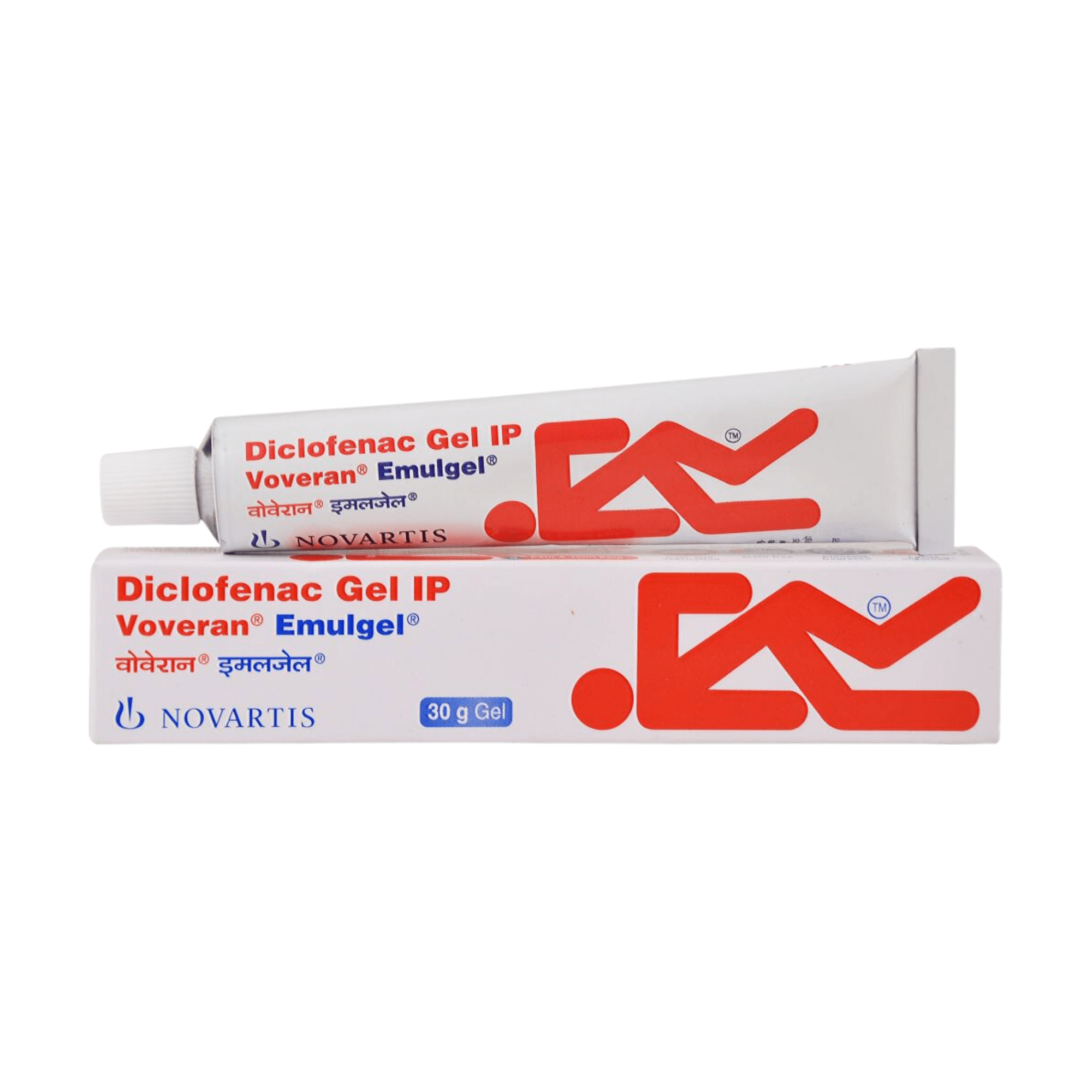
Voveran Emulgel
Buy Voveran Emulgel Online
Secure Encrypted Payments
Voveran Emulgel is a topical diclofenac pain relief gel used on intact skin over sore joints or muscles. It can be bought online through BorderFreeHealth with US shipping from Canada, and you can choose the tube size and strength shown during ordering to match the product directions you plan to follow.
The gel is designed for localized pain and inflammation rather than whole-body pain control. Many people consider Voveran Emulgel for sprains, strains, overuse soreness, osteoarthritis aches, and other musculoskeletal discomfort when a topical NSAID is appropriate.
Voveran Emulgel Price and Tube Selection
Voveran Emulgel price can vary by tube size, supplier, and current stock. During checkout, choose from the strengths and quantities shown for the product, then match your selection to the label directions and any clinician guidance you have already received.
Common search terms include Voveran Emulgel 20g, Voveran Emulgel 30g, Voveran Emulgel 50g, and Voveran Emulgel 1% 100g. Tube-size availability can change, so it is practical to select a quantity that fits how often you expect to use the gel without buying more than you can use within a reasonable period.
If you are paying out of pocket, compare the cash-pay cost across the sizes displayed at the time you order. A larger tube may reduce reorder frequency for someone who uses the gel regularly, while a smaller tube may suit occasional flare-ups or first-time use.
How to Order Voveran Emulgel from Canada
You can order Voveran Emulgel online and review current Canadian pricing before completing your purchase. BorderFreeHealth supplies products through licensed pharmacies and offers a cash-pay path for customers who are managing costs without insurance.
Keep the order information aligned with the product you intend to use, including strength, tube size, and quantity. If you are unsure whether topical diclofenac is suitable for your condition, ask a healthcare professional before applying it, especially if you use other pain medicines or have a history of NSAID reactions.
For broader browsing across related medicines, the Pain and Inflammation category can help you view other topical and pain-management choices carried by the store.
What This Topical NSAID Treats
Voveran Emulgel contains diclofenac, a nonsteroidal anti-inflammatory drug, often shortened to NSAID. NSAIDs help reduce pain and inflammation by blocking enzymes involved in prostaglandin production; prostaglandins are body chemicals that contribute to swelling, tenderness, and pain signaling.
Applied to the skin, diclofenac acts mainly around the area where you use it. That targeted approach may be useful for painful knees, hands, ankles, shoulders, or muscles when the discomfort is close enough to the surface for topical treatment to help.
This kind of topical therapy is commonly considered for musculoskeletal pain, including soft-tissue soreness and joint aches. It does not replace assessment for severe injury, unexplained swelling, fever, numbness, worsening weakness, or pain after significant trauma.
How the Gel Works on Sore Joints and Muscles
Diclofenac diethylamine 1% gel is formulated to spread across the skin and absorb into tissue near the painful area. The emulgel base helps the medicine dry after rubbing, which can make it easier to use during normal daily routines.
Because the medicine is applied directly to a painful site, systemic exposure is generally lower than with many oral NSAID tablets. Lower exposure does not remove all NSAID risks, but it can be one reason people ask about topical diclofenac when pain is localized.
Topical diclofenac may be used as part of a broader plan that includes rest, gradual movement, strengthening exercises, supportive footwear, splints, braces, heat, or cold packs when those measures are appropriate. If pain limits walking, work, sleep, or self-care, a clinician can help identify the cause and decide whether imaging or another treatment is needed.
Who May Consider Voveran Emulgel
Adults with mild to moderate localized pain may consider Voveran Emulgel when the affected skin is healthy and unbroken. It is often used for sprains, strains, sports-related soreness, and joint discomfort related to activity or wear-and-tear conditions.
People with osteoarthritis sometimes use topical NSAIDs on specific joints, especially when pain is limited to one or two areas. The Osteoarthritis section covers related condition information and treatment considerations for joint stiffness and recurring pain.
Do not apply the gel to cuts, infected skin, open wounds, or areas with active dermatitis. Avoid use if you have had hives, wheezing, severe rash, facial swelling, or another serious reaction after diclofenac, aspirin, ibuprofen, naproxen, or another NSAID.
Application Basics and Timing
Follow the directions printed on the tube or carton. In general, topical diclofenac gel is applied in a thin layer to the painful area and gently rubbed in until absorbed. Wash your hands afterward unless the hands are the treated area.
Keep the medicine away from your eyes, mouth, nose, genitals, and broken skin. If it accidentally gets into your eyes, rinse with clean water and seek medical advice if irritation continues.
Let the gel dry before covering the area with clothing. Do not use airtight dressings, heating pads, or tight bandages over the treated skin unless a healthcare professional tells you to do so, because those steps may increase absorption or irritation.
If you miss an application, use the gel when you remember and then return to your usual schedule. Do not apply extra gel to make up for a missed use, and do not exceed the maximum amount or frequency stated on the label.
Sprains, Strains, and Activity-Related Pain
Voveran Emulgel may be considered for pain after minor sprains or strains when the skin is intact and the injury does not need urgent assessment. It may help reduce tenderness around soft tissue while you protect the area and return to activity gradually.
Seek care promptly if you cannot bear weight, notice deformity, have rapidly increasing swelling, feel numbness, or suspect a fracture or tendon rupture. Pain relief should not be used to push through an injury that needs rest or medical evaluation.
For practical condition context, see Sprain and Strain information. It can help you think through when self-care is reasonable and when symptoms need a professional assessment.
Side Effects, Warnings, and Monitoring
The most common side effects occur where the gel is applied. These may include redness, itching, dryness, rash, mild burning, stinging, or irritation. Stop using the gel and ask for medical guidance if the skin reaction is severe, spreading, blistering, or not improving.
Serious reactions are less common but important. Get urgent help for trouble breathing, swelling of the face or throat, widespread hives, chest pain, black stools, vomiting blood, unusual bruising, or severe skin peeling. These symptoms can signal an allergic reaction or an NSAID-related complication.
NSAIDs can raise concerns for some people with stomach ulcers, bleeding problems, kidney disease, heart disease, high blood pressure, asthma triggered by aspirin-like medicines, or a history of serious NSAID side effects. Topical use may reduce overall exposure, but it does not make the medicine risk-free.
Use caution if you already take oral NSAIDs, high-dose aspirin, blood thinners such as warfarin, medicines that affect bleeding risk, or multiple topical skin products on the same area. Combining therapies can increase irritation or systemic NSAID exposure.
- Use only on intact skin.
- Avoid combining with other NSAID gels on the same area.
- Do not cover treated skin with tight wraps unless advised.
- Stop use for severe rash, swelling, or breathing symptoms.
- Ask about use during pregnancy or breastfeeding.
During later pregnancy, NSAIDs may pose risks to the unborn baby, so professional guidance is especially important. People who are pregnant, planning pregnancy, or breastfeeding should ask a clinician before using diclofenac products.
Storage, Travel, and Handling
Store Voveran Emulgel at room temperature, away from excess heat, direct light, and freezing conditions. Keep the cap tightly closed so the gel does not dry out or leak.
Keep all medicines out of reach of children and pets. Even topical medicines can cause harm if swallowed or used incorrectly by someone else.
When traveling, place the tube in a sealable bag and keep it in its original packaging when possible. Original packaging helps identify the active ingredient, strength, and directions if you need to show or discuss the medicine during travel.
Orders may use prompt, express shipping when that service is available for the shipment. Plan ahead if you rely on the gel during rehabilitation, recurring flares, or frequent activity-related pain.
Voveran, Voltaren, and Other Diclofenac Gel Choices
Voveran Emulgel and Voltaren Emulgel are related because both are diclofenac topical products in the NSAID class. They are not always identical in strength, formulation, country of origin, packaging, or labeled directions, so match the exact product you buy to its own label.
If you are considering an alternative, focus on the active ingredient, concentration, application directions, tube size, and skin tolerance. A substitute is not simply a different brand name; it should fit the same treatment goal and be appropriate for your health history.
Some customers also look at country-of-origin information when choosing a product. If that matters to you, the India country-of-origin attribute can help identify products grouped under that origin when available.
Questions to Ask Before Using
A short conversation with a healthcare professional can make topical pain relief safer and more effective. This is especially useful if pain is new, severe, recurring, or linked with swelling, warmth, redness, numbness, or reduced movement.
- Is topical diclofenac appropriate for my joint or muscle pain?
- How long should I try it before reassessing symptoms?
- Should I avoid oral NSAIDs while using the gel?
- Could my blood thinner, antidepressant, or aspirin increase bleeding risk?
- What symptoms mean I should stop using the gel?
- Would physical therapy, bracing, or exercise changes help?
Quick tip: Write down the painful area, trigger activities, and current medicines before asking for guidance.
When to Reassess Pain
Relief can vary. Some people notice easing with regular label-directed use, while others need several days or a different approach. If pain persists beyond the label’s recommended duration, worsens, or keeps returning, further evaluation may be needed.
Do not rely on topical pain relief to mask symptoms during a serious injury. New joint swelling, fever, inability to move the joint, unexplained bruising, or pain that wakes you at night should be discussed with a healthcare professional.
For additional educational articles related to pain medicines and inflammation, the Pain and Inflammation articles section offers broader reading. Use those articles as background, not as a substitute for individualized medical care.
Authoritative Sources
The following sources can help you discuss topical diclofenac and NSAID safety with a healthcare professional. Always follow the directions included with the exact tube you receive.
| Reference | Link |
|---|---|
| FDA drug label database for diclofenac topical products | DailyMed drug labels |
| Manufacturer information for diclofenac brand families | Novartis |
This content is for informational purposes only and is not a substitute for professional medical advice.
Affected Body Surface Area Calculator
Estimate affected body surface area using palm units and optional entered body-region percentages.
Estimated affected BSA-one palm approximates 1%
Check-screening estimate only
These calculations are for education only and do not replace clinical advice, diagnosis, or treatment. Always confirm medical decisions with a qualified healthcare professional.
Express Shipping - from $29.99
Prices:
- Dry-Packed Products $29.99
- Cold-Packed Products $39.99
Shipping Countries:
- United States (all contiguous states**)
- Worldwide (excludes some countries***)
Standard Shipping - $19.99
Shipping with this method takes 5-10 days
Prices:
- Dry-Packed Products $19.99
- Not available for Cold-Packed products
Shipping Countries:
- United States (all contiguous states**)
- Worldwide (excludes some countries***)
What is Voveran Emulgel used for?
Voveran Emulgel is used on intact skin over localized joint or muscle pain. It may be considered for sprains, strains, overuse soreness, and osteoarthritis-related aches when topical diclofenac is appropriate.
Are Voveran Emulgel and Voltaren Emulgel the same?
They are related topical diclofenac NSAID products, but they may differ by brand, formulation, strength, packaging, country of origin, and label directions. Use the directions for the exact tube you receive.
How should I apply diclofenac gel 1%?
Apply a thin layer to the painful area as directed on the product label, rub it in gently, and wash your hands afterward unless treating your hands. Avoid eyes, mouth, broken skin, tight bandages, and heating pads over the treated area.
What are common side effects of Voveran Emulgel?
Common side effects include redness, itching, dryness, rash, mild burning, or stinging where the gel is applied. Stop use and seek guidance for severe rash, swelling, breathing trouble, black stools, unusual bruising, or other serious symptoms.
What is a substitute for Voveran gel?
A possible substitute may be another topical diclofenac NSAID gel, but the best choice depends on the active ingredient, strength, application directions, skin tolerance, and your medical history. Ask a clinician if you are switching products.
Rewards Program
Earn points on birthdays, product orders, reviews, friend referrals, and more! Enjoy your medication at unparalleled discounts while reaping rewards for every step you take with us.
You can read more about rewards here.
POINT VALUE
How to earn points
- 1Create an account and start earning.
- 2Earn points every time you shop or perform certain actions.
- 3Redeem points for exclusive discounts.
You Might Also Like
Select options
This product has multiple variants. The options may be chosen on the product page
Select options
This product has multiple variants. The options may be chosen on the product page
Select options
This product has multiple variants. The options may be chosen on the product page
Select options
This product has multiple variants. The options may be chosen on the product page