Key Takeaways
- How it helps: It can reduce inflammation and protect joints over time.
- Safety first: Screening and vaccines matter before and during treatment.
- Injection skills: Good technique and site rotation can ease discomfort.
- Know what’s normal: Mild reactions can happen, but red flags exist.
- Plan ahead: Storage, travel packing, and missed-dose plans prevent stress.
Getting prescribed an Enbrel injection can bring mixed feelings. Relief and hope often sit beside nerves about needles and side effects. That’s normal, and you deserve clear, calm information.
Below, you’ll learn what the medicine does, who it’s used for, and what to watch for. You’ll also find practical steps for injecting, storing, and planning around daily life.
What Is Enbrel and How It Works
If you’re asking, what is Enbrel, it helps to start with the big picture. Enbrel is a biologic disease-modifying antirheumatic drug (biologic DMARD), meaning it targets specific immune signals. It is also called a TNF inhibitor (tumor necrosis factor blocker), because it interferes with TNF, a protein that drives inflammation.
For some people, lowering TNF activity can reduce swelling, stiffness, and pain. It may also help slow joint damage in inflammatory arthritis. The goal is steadier control of disease activity, not quick symptom masking.
Enbrel is used in several inflammatory conditions. These may include rheumatoid arthritis, psoriatic arthritis, ankylosing spondylitis, and plaque psoriasis, among others. If you are sorting out a new diagnosis, it can help to read Autoimmune Diseases Basics for plain-language context on immune-driven illness patterns.
Because it affects immune signaling, it also changes how your body responds to infections and vaccines. That is why planning, screening, and monitoring are a big part of safe use.
Enbrel injection: Benefits and Who May Use It
People are usually prescribed this medicine when inflammation is persistent, active, or damaging. It may be used alone or with other medications, depending on your condition and history. Your clinician considers symptoms, imaging, lab work, and prior treatment response.
Benefits may show up as less morning stiffness, improved function, and fewer flares. Some people also notice better sleep and energy as inflammation settles. Results can vary, so follow-up visits help decide whether the plan still fits.
It also helps to understand the full treatment landscape. If you’re comparing options, RA Medication Types can help you map where biologics, steroids, and other DMARDs fit. For many people, having that framework makes appointments feel less overwhelming.
Some people start treatment during a tough season of symptoms. Others begin after trying different therapies first. Either way, it is reasonable to ask what success looks like for you, and how it will be measured.
Etanercept (Active Ingredient) and Biosimilars
Etanercept is the active ingredient in Enbrel. It is a protein-based medicine made using living cells, which is why it is called a biologic. Because biologics are complex, small manufacturing differences can matter more than with typical pills.
You may also hear about biosimilars. A biosimilar is highly similar to an already approved biologic, with no clinically meaningful differences expected in safety and effectiveness. Availability and interchange practices can vary by region and insurer, and may change over time based on public listings.
If you’re discussing alternatives with your prescriber, it can help to compare the medication name, device type, and support materials. For one example of a biosimilar option some people review, see Etanercept Biosimilar Option for device-format details and labeling basics.
Switching between products is a clinical decision. It depends on disease control, side effects, access, and how comfortable you are with the device. Bring a written list of your questions to reduce appointment pressure.
Safety Checks Before You Start or Restart
A key safety step is making sure hidden infections are not missed. Before starting, clinicians often screen for tuberculosis (TB) and may check hepatitis B status. These steps matter because TNF blockers can raise the risk that some infections become more serious. The FDA label outlines these risks and typical precautions.
If you’ve wondered, is Enbrel a steroid, the answer is no. Steroids (like prednisone) broadly dampen inflammation, often quickly. This medicine works differently by targeting a specific pathway, and it usually requires a longer runway to judge benefit.
Share your full health picture with your care team. That includes recent fevers, chronic cough, unexplained weight loss, open sores, dental infections, or upcoming surgery. It also includes any history of cancer, heart failure, multiple sclerosis, or recurrent infections, since these can change the risk-benefit discussion.
Note: If you are sick, or think you may be sick, contact your prescriber’s office for next-step guidance. The right plan depends on the type of illness and your overall risk.
Enbrel Side Effects: What’s Common vs When to Call
Most people want to know what they might feel day to day. Enbrel side effects can include mild injection-site redness, itching, bruising, or tenderness. Some people also report headache or mild upper-respiratory symptoms, especially early on. Many reactions are manageable, but they should still be tracked.
It helps to separate “expected and watch” from “call promptly.” Call your clinician if you develop fever, shortness of breath, chest pain, severe weakness, or signs of a significant infection. Also reach out for unusual bruising or bleeding, persistent numbness or vision changes, or symptoms that feel sudden and intense.
Some concerns are less obvious, but still important. Eye symptoms like pain or blurred vision need timely review, even if you are unsure of the cause. Mood changes, new anxiety, or sleep disruption also deserve attention, especially if they persist or affect daily life.
If side effects appear, your clinician may suggest timing adjustments, supportive care, or monitoring. Avoid deciding on your own to stop or restart doses. For medication safety summaries written in patient language, MedlinePlus offers a helpful overview of important warnings and common issues to watch.
Injection Routine: Syringe or Auto-Injector
A calm routine can make injections feel far less intimidating. Many people do best when they use the same general time of day, prepare supplies first, and avoid rushing. If available, ask your clinic or specialty pharmacy team for hands-on training with your exact device.
Device choice also shapes technique. Some people prefer a prefilled syringe because they control the speed. Others prefer a pen because it reduces needle visibility. If you are checking device formats, Enbrel Pre Filled Syringe can be a neutral reference for what comes in the box and what parts look like.
| Feature | Prefilled syringe | Pen-style device |
|---|---|---|
| Control | You control angle and speed | Device controls speed |
| Needle visibility | Needle is usually visible | Needle is often hidden |
| Best for | People who want control or slower delivery | People who want simplicity and fewer steps |
If you use a prefilled syringe
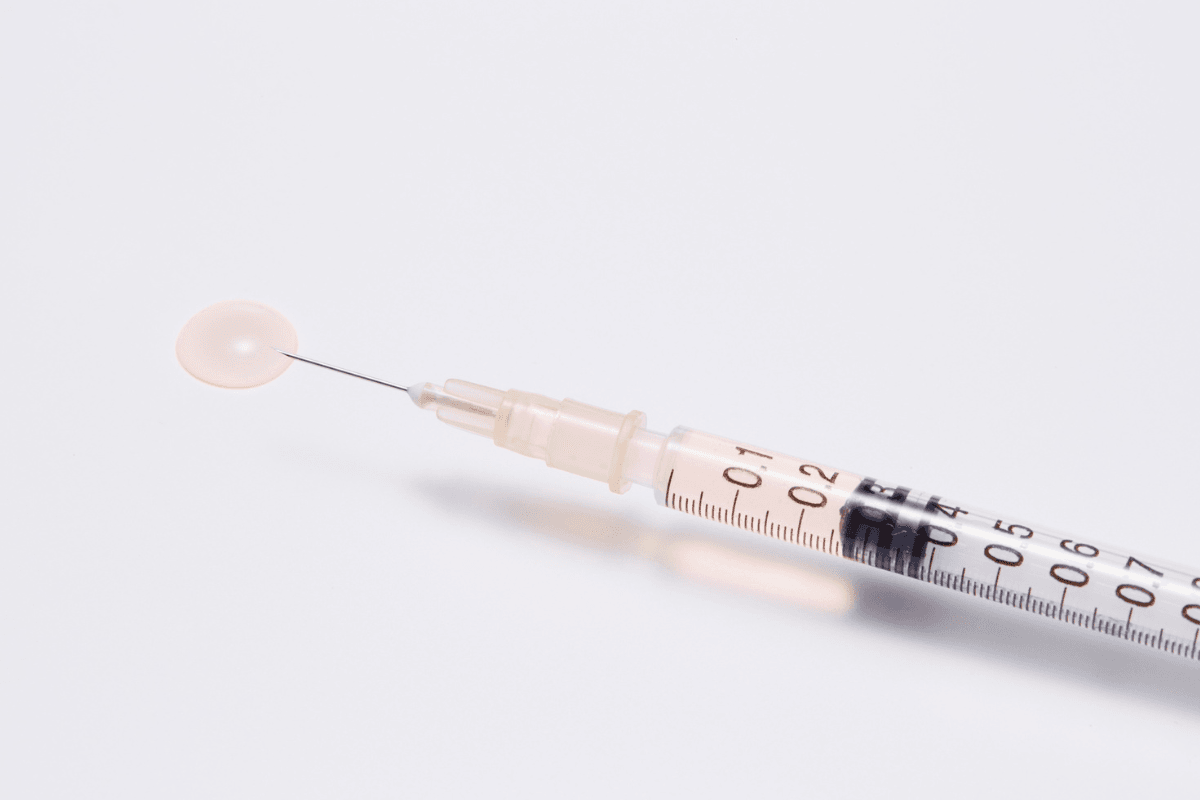
For how to inject Enbrel prefilled syringe, think “clean, pinch, steady.” Wash hands, clean the skin with an alcohol swab, and let it dry fully. Pinch a fold of skin if instructed, then insert the needle at the recommended angle. Push the plunger slowly and steadily, then remove the needle and apply gentle pressure with gauze. Use a sharps container right away, so disposal is never an afterthought.
If you use a pen-style device
Pen devices can reduce the mental load, but they still require preparation. Let the alcohol dry to reduce stinging. Keep the device firmly against the skin for the full time recommended by the device instructions. Afterward, check the viewing window or indicator if your device has one, and then dispose of it safely.
Tip: Bringing the device to room temperature can reduce sting and muscle tension. Do not use heat sources like microwaves or hot water.
Choosing and Rotating Injection Sites
Comfort often improves when you rotate locations and avoid irritated skin. Common Enbrel injection sites include the front of the thighs, the abdomen away from the belly button, and sometimes the outer upper arm when another person gives the shot. Your training materials may recommend specific areas based on the device type.
Try to avoid injecting into skin that is bruised, scarred, hardened, tender, sunburned, or affected by active psoriasis plaques. If you notice a lump or firmness that lasts, pause that area and show your clinician at the next visit. A simple site map on your phone can prevent accidental “same spot” repeats.
Abdominal injections can be more comfortable when you choose a soft, pinchable area. Many people find the lower abdomen easier than the upper stomach area. If you are unsure where to place the shot, ask your care team to mark safe zones during a teaching visit.
Need help connecting joint symptoms to treatment decisions? Reading Early Signs Of Rheumatoid Arthritis can help you describe patterns clearly, which often supports better medication planning.
Storage, Travel, and Missed Dose Basics
Storage is not just a technical detail. It protects the medicine’s stability and helps avoid wasted doses. Follow the package instructions for refrigeration, light protection, and room-temperature limits. If the medicine has been frozen, overheated, or left out longer than allowed, ask a pharmacist what to do next rather than guessing.
Travel adds extra steps, but it can be manageable. Use an insulated bag and keep the medicine from direct contact with ice packs. Bring extras like alcohol swabs, bandages, and a backup plan for disposal. If you travel often for work or caregiving, it can help to write a packing checklist once, then reuse it.
Missed doses happen, especially during illness or busy schedules. The safest next move is usually to follow your prescriber’s instructions or the manufacturer guidance for your specific product. Avoid doubling up unless you have been clearly instructed to do so.
If you use a pen and it malfunctions, keep the device and packaging. Document what happened, including any indicator changes. If you want to understand how the pen is supposed to work before calling for help, see SureClick Auto Injector for device basics and reference images, then contact your care team for personal advice.
Monitoring, Vaccines, and Living Well on Therapy
Long-term care is more than taking a dose on time. Your clinician may monitor symptoms, physical function, and labs, especially if you take other immune-modifying medicines. Keep a running list of infections, antibiotics, and urgent care visits, since patterns can matter.
Vaccines are another common discussion. Some vaccines are safe and recommended for many people on immune therapy, while others may require special timing. Before any vaccine, it is reasonable to ask whether it is live, whether timing matters, and whether household members need any special precautions.
Daily habits can support treatment, too. Sleep, gentle movement, and stress support can reduce flare burden for some people. Food choices are individualized, but it helps to aim for steady nutrition and hydration, especially if you feel run down or nauseated.
If pain medicines are also part of your plan, timing questions are common. For practical considerations about anti-inflammatory pain relievers, Celebrex Timing can help you discuss schedules and stomach-safety tradeoffs with your clinician.
Comparing Options for Inflammatory Arthritis
Sometimes Enbrel is one step in a longer journey. People may switch therapies due to side effects, incomplete response, pregnancy planning, insurance changes, or convenience issues. When comparing options, it helps to think in categories: TNF inhibitors, IL-17 inhibitors, JAK inhibitors, and conventional DMARDs, among others. Each group has different safety considerations and monitoring needs.
It can also help to compare based on real-life constraints. If injection anxiety is the main barrier, a pill option may feel more manageable, but it may come with different warnings. If travel and refrigeration are the barrier, ask what storage flexibility exists with alternatives. Those practical issues are valid, and they often shape adherence.
For people sorting ankylosing spondylitis decisions, Ankylosing Spondylitis Symptoms can help you connect back pain patterns with treatment goals. If skin symptoms drive part of the decision, Cosentyx Uses offers background on an IL-17 pathway approach, which is different from TNF blocking.
If you want broader context across arthritis conditions and medication classes, browsing Rheumatology Topics can help you compare educational articles side by side. That can make follow-up conversations more focused and less rushed.
Recap
Enbrel can be a meaningful option for inflammatory conditions, especially when inflammation is persistent. Strong safety habits make a difference, including screening, vaccine planning, and knowing when to call. Practical steps like slow preparation, site rotation, and careful storage can also improve comfort and confidence.
This content is for informational purposes only and is not a substitute for professional medical advice for your personal situation.