
Please note: a valid prescription is required for all prescription medication.
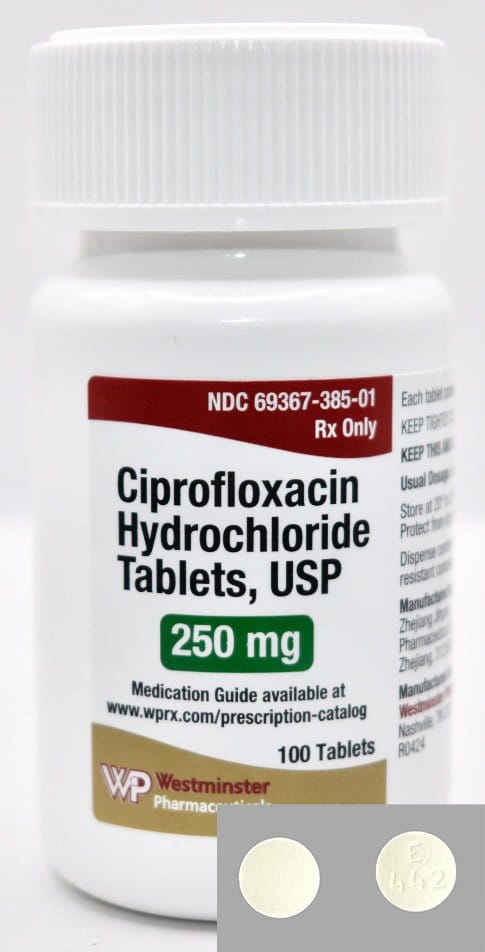
Ciprofloxacin HCL
Buy Ciprofloxacin HCL Online
Secure Encrypted Payments
Ciprofloxacin HCL is a fluoroquinolone antibiotic used for susceptible bacterial infections in different parts of the body. It can be ordered online, with current pricing shown during checkout and selectable strengths that should match the directions from your clinician. Border Free Health supplies regulated medications through licensed pharmacy channels and offers US delivery from Canada for this product.
Ciprofloxacin HCL Price, Strengths, and Ordering
Ciprofloxacin HCL price can vary by strength, quantity, manufacturer, and the supply available at the time you order. During checkout, choose the dose strength shown for the product and match it to the medical directions you were given. Common oral tablet strengths include 250 mg, 500 mg, and 750 mg, although the manufacturer and tablet imprint may differ by lot.
Many people search for buy ciprofloxacin hcl 500 mg tablets because 500 mg tablets are commonly used for moderate infections when this antibiotic is appropriate. Other courses may use ciprofloxacin hcl 250 mg tablets or ciprofloxacin hcl 750 mg tablets, depending on the infection site, kidney function, organism susceptibility, and treatment plan. Do not choose a higher strength because it seems stronger; antibiotic dosing needs to fit the diagnosis and safety profile.
Cash-pay customers can view the current ciprofloxacin hcl cost before completing an order. If you pay out of pocket or do not use insurance, comparing the tablet strength and quantity against your course instructions can help avoid paying for medication you cannot use. The order process may include a review of order details before the pharmacy supplies the medication.
Quick tip: Keep the written directions nearby when selecting strength and quantity so the order matches the intended course.
What Ciprofloxacin HCL Treats
Ciprofloxacin HCL treats bacterial infections caused by organisms that are susceptible to ciprofloxacin. It may be used for certain urinary tract infections, some respiratory infections, skin and soft tissue infections, bone and joint infections, intra-abdominal infections, infectious diarrhea, and specific post-exposure situations such as inhalational anthrax prevention when clinically indicated. It does not treat viral illnesses such as colds, flu, or most sore throats.
For uncomplicated sinus infections, bronchitis flare-ups, and uncomplicated urinary tract infections, fluoroquinolones are often reserved for situations where other suitable choices are not appropriate. This is because the class has important safety risks. If your infection involves urinary symptoms, the urinary tract infection condition information can help you understand why testing and organism susceptibility may affect antibiotic choice.
Respiratory symptoms require careful diagnosis because many coughs and colds are viral. Ciprofloxacin may be relevant for certain bacterial respiratory infections, but it is not a general cold medicine. For related context, see respiratory tract infection information and ask your healthcare professional what signs point toward a bacterial cause.
How This Antibiotic Works
Ciprofloxacin HCL belongs to the fluoroquinolone class. It blocks bacterial enzymes called DNA gyrase and topoisomerase IV, which bacteria need to copy and repair DNA. When those enzymes are inhibited, susceptible bacteria cannot multiply normally, allowing the infection to be controlled when the medicine is used appropriately.
The term ciprofloxacin HCL refers to ciprofloxacin hydrochloride, a salt form of the active antibiotic ciprofloxacin. In practical terms, ciprofloxacin and ciprofloxacin HCL are often discussed together because the active treatment effect comes from ciprofloxacin. The hydrochloride form helps create the tablet formulation used for oral treatment.
Antibiotic resistance matters. Ciprofloxacin should be used only for infections where bacteria are expected or proven to be susceptible. Culture testing, recent antibiotic exposure, local resistance patterns, and allergies can all influence whether this fluoroquinolone is the right choice.
Who May Be a Candidate
This medication may be considered for adults with bacterial infections that fit ciprofloxacin’s approved and guideline-supported use. It may be used when the expected bacteria are susceptible, when the infection site is appropriate, and when the person’s medical history does not raise avoidable safety concerns. Children may receive ciprofloxacin only for limited serious indications when the expected benefit outweighs risk.
People with a history of tendon disorders, tendon rupture, peripheral neuropathy, seizures, serious heart rhythm problems, aortic aneurysm risk, myasthenia gravis, or severe reactions to quinolone antibiotics need individualized risk assessment. Older adults and people taking corticosteroids have a higher risk of tendon problems. Kidney function can also affect the dosing schedule.
Skin and soft tissue infections vary widely, from mild cellulitis to deeper infections that need urgent care. Ciprofloxacin is not the first choice for every skin infection. The skin and soft tissue infection condition information explains why infection type and likely bacteria matter.
How to Take Ciprofloxacin HCL Tablets
Adult dosing is commonly spaced about every 12 hours, but the exact schedule depends on the infection and kidney function. Swallow tablets whole with water. Take the medicine with or without food, but try to be consistent from dose to dose. Staying hydrated is often recommended unless a healthcare professional has told you to restrict fluids.
Do not take ciprofloxacin tablets with dairy products alone or calcium-fortified juice alone. Taking it as part of a regular meal that contains dairy is different from taking the dose only with milk, yogurt, or fortified juice. Minerals can bind ciprofloxacin and reduce absorption, which may make the course less effective.
Separate ciprofloxacin from antacids, sucralfate, and supplements containing magnesium, aluminum, calcium, iron, or zinc. A common spacing approach is taking ciprofloxacin at least two hours before or six hours after these products, unless your healthcare professional gives different instructions. Avoid doubling up after a missed dose.
What to Avoid During Treatment
The most important things to avoid are interactions that reduce absorption or increase side effect risk. Mineral supplements, antacids, sucralfate, and some multivitamins can interfere with how much antibiotic your body absorbs. Tizanidine should not be used with ciprofloxacin because the interaction can cause dangerous changes in blood pressure and sedation.
Limit unnecessary sun exposure and use protective clothing or sunscreen, since photosensitivity can occur. Alcohol is not the main labeled interaction, but drinking can worsen dizziness, stomach upset, dehydration, or poor sleep in some people. Excess caffeine may feel stronger while taking ciprofloxacin, so consider cutting back if you notice jitteriness, palpitations, or insomnia.
Do not save leftover tablets for a future infection. A later illness may involve a different organism, require a different dose, or be viral. Using antibiotics without a confirmed need increases resistance and may delay proper care.
Side Effects, Warnings, and Monitoring
Common side effects include nausea, diarrhea, headache, dizziness, trouble sleeping, and rash. Many reactions are mild, but diarrhea that is severe, watery, bloody, or persistent needs prompt medical attention because antibiotic-associated colitis can occur during or after treatment. Dizziness can affect driving, balance, and work tasks until you know how the medicine affects you.
Serious fluoroquinolone warnings include tendinitis and tendon rupture, peripheral neuropathy, central nervous system effects, and worsening of myasthenia gravis. Tendon pain, swelling, inflammation, numbness, tingling, burning pain, confusion, hallucinations, seizures, or severe mood changes should be treated as urgent warning signs. Stop strenuous exercise and seek care promptly if tendon symptoms appear.
Ciprofloxacin may affect heart rhythm in people at risk for QT prolongation, especially when combined with certain antiarrhythmics, antipsychotics, macrolide antibiotics, or other QT-prolonging medicines. Blood sugar disturbances have been reported, particularly in people using diabetes medicines. Severe allergic reactions can include swelling, hives, breathing trouble, or skin blistering and require emergency care.
Important interactions include warfarin and other blood thinners, theophylline, clozapine, ropinirole, some antiarrhythmics, corticosteroids, and products containing polyvalent minerals. Share all medicines, vitamins, and herbal products with your healthcare professional before starting the antibiotic. If you use blood thinners or diabetes medications, monitoring may need to be closer during the course.
Missed Dose and Course Completion
If you miss a dose, take it when you remember unless it is close to the next scheduled dose. If the next dose is near, skip the missed one and return to the usual timing. Do not take two doses at once, because higher exposure can increase side effect risk without improving treatment.
Finish the full course unless a healthcare professional tells you to stop. Symptoms may improve before the infection is fully controlled. Stopping too early can allow bacteria to persist and may contribute to resistance.
If several doses are missed, symptoms worsen, or side effects make the course difficult, contact a healthcare professional. The best next step may be timing guidance, safety assessment, testing, or a different antibiotic based on the infection.
Storage, Travel, and Delivery Basics
Store ciprofloxacin HCL tablets at room temperature, away from excess heat and moisture. Keep the container tightly closed and out of reach of children and pets. Avoid storing tablets in a humid bathroom, and do not use expired medication unless a healthcare professional or pharmacist confirms what to do.
When traveling, keep tablets in their original labeled container so the medicine can be identified. Pack them in carry-on luggage rather than checked baggage when flying. Bring the full course and keep dosing times as consistent as possible across time zones.
Orders may be sent with prompt, express shipping when appropriate for the order. Keep your contact details accurate so any order or pharmacy questions can be handled without avoidable delay.
How Ciprofloxacin Compares With Other Antibiotics
Ciprofloxacin is broad-spectrum compared with many narrower antibiotics. That can be useful for certain infections, but broader activity does not automatically make it the best first choice. The safest antibiotic is the one that fits the likely bacteria, infection site, culture results, allergies, kidney function, and risk factors.
For some uncomplicated urinary infections, nitrofurantoin or other narrower agents may be preferred when the organism is susceptible and kidney function is suitable. For select skin infections, cephalexin or other beta-lactam antibiotics may be used. Fluoroquinolones are often kept for situations where benefits justify the known risks.
If you are reviewing antibiotic choices, the infectious disease category can help you understand related treatment areas. For broader educational reading, the infectious disease articles section covers infection-focused topics that may help frame questions for your appointment.
Questions to Ask Before Starting
Good questions can make antibiotic use safer and more effective. Ask whether ciprofloxacin is appropriate for your specific infection, whether culture results support it, and whether your kidney function affects the schedule. Confirm which products must be separated from each dose.
- Which strength should I use for this infection?
- How many days should the course last?
- Should I avoid antacids, minerals, or dairy near each dose?
- Do any of my medicines raise interaction risks?
- What symptoms mean I should stop and seek urgent care?
- Is there a narrower antibiotic that would work for my infection?
Why it matters: Matching the antibiotic to the organism and your health history helps reduce avoidable harm.
Authoritative Sources
For detailed clinical information, consult official labeling and medically reviewed drug references. These sources support key safety points, approved-use context, interaction cautions, and antibiotic-resistance guidance.
- Official prescribing information for ciprofloxacin
- MedlinePlus ciprofloxacin drug information
- NCBI Bookshelf clinical review on ciprofloxacin
This content is for informational purposes only and is not a substitute for professional medical advice.
eGFR Calculator
Estimate kidney filtration using the 2021 CKD-EPI creatinine equation.
eGFR
-
mL/min/1.73 m2
G category
-
requires clinical context
These calculations are for education only and do not replace clinical advice, diagnosis, or treatment. Always confirm medical decisions with a qualified healthcare professional.
Creatinine Clearance Calculator
Estimate creatinine clearance using the Cockcroft-Gault equation.
CrCl
-
mL/min estimate
These calculations are for education only and do not replace clinical advice, diagnosis, or treatment. Always confirm medical decisions with a qualified healthcare professional.
Ideal & Adjusted Body Weight Calculator
Estimate ideal body weight with the Devine equation and adjusted body weight when actual weight is above the estimate.
Ideal body weight
-
Devine equation
Adjusted body weight
-
IBW + 0.4 x excess weight
Difference from IBW
-
actual minus ideal
These calculations are for education only and do not replace clinical advice, diagnosis, or treatment. Always confirm medical decisions with a qualified healthcare professional.
Body Surface Area Calculator
Calculate body surface area from height and weight using the Mosteller equation.
BSA
-
m2, Mosteller equation
These calculations are for education only and do not replace clinical advice, diagnosis, or treatment. Always confirm medical decisions with a qualified healthcare professional.
QTc Calculator
Calculate corrected QT interval from measured QT and heart rate.
QTc
-
milliseconds
RR interval
-
seconds
These calculations are for education only and do not replace clinical advice, diagnosis, or treatment. Always confirm medical decisions with a qualified healthcare professional.
Express Shipping - from $29.99
Shipping with this method takes 3-5 days
Prices:
- Dry-Packed Products $29.99
- Cold-Packed Products $39.99
Shipping Countries:
- United States (all contiguous states**)
- Worldwide (excludes some countries***)
Standard Shipping - $19.99
Shipping with this method takes 5-10 days
Prices:
- Dry-Packed Products $19.99
- Not available for Cold-Packed products
Shipping Countries:
- United States (all contiguous states**)
- Worldwide (excludes some countries***)
What is Ciprofloxacin HCL used for?
Ciprofloxacin HCL is an antibiotic used for susceptible bacterial infections, including certain urinary tract, respiratory, skin, gastrointestinal, bone and joint, intra-abdominal, and post-exposure infections. It does not treat viral infections such as colds or flu.
What should I avoid when taking Ciprofloxacin HCL?
Avoid taking it close to antacids, sucralfate, or supplements containing magnesium, aluminum, calcium, iron, or zinc because they can reduce absorption. Do not use it with tizanidine. Limit excessive caffeine and protect your skin from strong sun exposure.
Is ciprofloxacin 500 mg a strong antibiotic?
Ciprofloxacin 500 mg is a commonly used tablet strength for some infections, but “strong” is not the best way to choose an antibiotic. The right strength depends on the infection, kidney function, bacteria susceptibility, and safety risks.
What is the most common side effect of ciprofloxacin?
Common side effects include nausea, diarrhea, headache, dizziness, rash, and trouble sleeping. Severe diarrhea, tendon pain, numbness, tingling, confusion, allergic symptoms, or heart rhythm symptoms need prompt medical attention.
What is the difference between ciprofloxacin and Ciprofloxacin HCL?
Ciprofloxacin is the active antibiotic. Ciprofloxacin HCL means ciprofloxacin hydrochloride, a salt form used in tablet formulations. The treatment effect comes from ciprofloxacin, while the salt form helps make the medicine usable as a product.
Rewards Program
Earn points on birthdays, product orders, reviews, friend referrals, and more! Enjoy your medication at unparalleled discounts while reaping rewards for every step you take with us.
You can read more about rewards here.
POINT VALUE
How to earn points
- 1Create an account and start earning.
- 2Earn points every time you shop or perform certain actions.
- 3Redeem points for exclusive discounts.
You Might Also Like
Select options
This product has multiple variants. The options may be chosen on the product page
Select options
This product has multiple variants. The options may be chosen on the product page
Select options
This product has multiple variants. The options may be chosen on the product page
Select options
This product has multiple variants. The options may be chosen on the product page