
Please note: a valid prescription is required for all prescription medication.
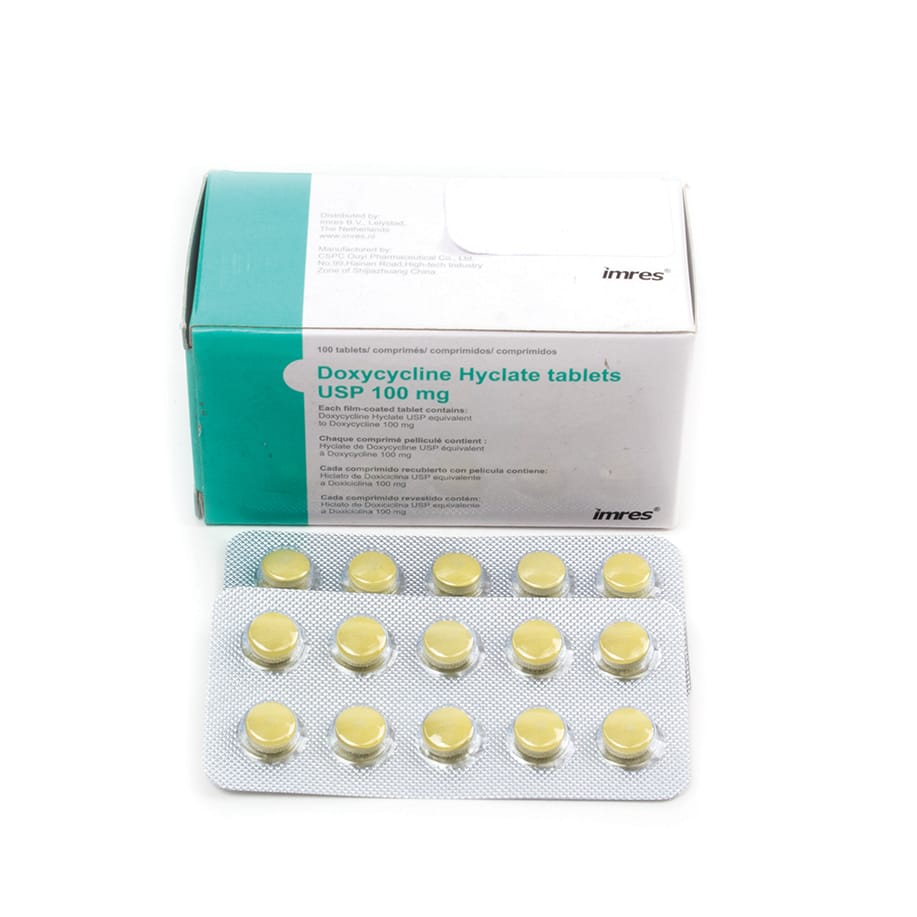
Doxycyclin FC
Buy Doxycyclin FC Online
Secure Encrypted Payments
Doxycyclin FC is a film-coated doxycycline antibiotic used for bacterial infections when doxycycline is an appropriate treatment. You can buy Doxycyclin FC online, view the current Doxycyclin FC price during ordering, and choose the available dose or strength that matches the directions from your healthcare professional.
Doxycycline belongs to the tetracycline antibiotic class. It works by slowing the growth of susceptible bacteria, which helps your immune system clear the infection. It should not be used for colds, flu, or other viral illnesses because antibiotics do not treat viruses.
Price, Strength Selection, and Ordering
Doxycyclin FC pricing is shown before you confirm your order, so you can see the cost for the strength and quantity being selected. If you pay out of pocket, checking the cash-pay amount for the available tablet strength can help you plan your refill before treatment is interrupted.
Common doxycycline tablet strengths include 50 mg and 100 mg, and some markets may also supply 200 mg tablets. Availability can vary by manufacturer, country of origin, and current supply. Choose the strength displayed during ordering only if it matches your clinician’s instructions.
BorderFreeHealth helps U.S. customers access regulated pharmacy supply, including US delivery from Canada when applicable. Keep your label, receipt, and medication packaging together, especially if you are traveling or coordinating care with more than one healthcare professional.
Quick tip: Before checkout, compare the tablet strength, quantity, and total cost against your written directions.
What Doxycyclin FC Treats
Doxycyclin FC contains doxycycline, which is used for a range of bacterial infections and inflammation-related skin conditions when a clinician decides it is suitable. Uses may include certain respiratory infections, some skin infections, acne, and infections spread by ticks or other organisms. It may also be used for specific sexually transmitted infections as directed by a healthcare professional.
Doxycycline is not a “strong” antibiotic in the sense of being appropriate for every infection. It is a broad-spectrum antibiotic, meaning it can act against several types of bacteria, but its value depends on the organism, the infection site, local resistance patterns, and your medical history. Culture results or clinical guidelines may lead your clinician to choose a different antibiotic.
For acne care, doxycycline is usually part of a broader plan that may include topical medicines and skin-care routines. See our condition information on Acne for background on inflammatory breakouts and treatment pathways. If your symptoms involve cough, sinus, or chest infection concerns, the Respiratory Tract Infection section explains why antibiotics are used only in selected cases.
People being treated for sexually transmitted infections should follow testing, partner-notification, and follow-up instructions from a healthcare professional. Our Sexually Transmitted Infection section offers condition-level context, but it should not replace individualized testing or treatment advice.
How the Medicine Works
Doxycycline is a tetracycline-class antibiotic. It interferes with bacterial protein production, which limits bacterial growth and helps stop susceptible organisms from spreading. Because this action depends on bacterial sensitivity, the same medicine may work well for one infection and be inappropriate for another.
The film coating on Doxycyclin FC tablets can make swallowing easier for some people and may reduce aftertaste. Swallow tablets with a full glass of water. Remaining upright for a period after taking doxycycline helps lower the chance of throat or esophageal irritation.
Food may reduce stomach upset for some patients, but mineral-containing foods or supplements can affect absorption. Dairy products, calcium, iron, magnesium, aluminum, and zinc can bind doxycycline in the gut. Your clinician or pharmacist can help you plan spacing if you use supplements, antacids, or multivitamins.
How to Take Doxycycline Safely
Follow the directions provided by your healthcare professional and the label on your medicine. Doxycycline schedules differ by diagnosis, severity, and patient factors. Some infections require a short course, while acne or other longer-term conditions may involve a different plan and follow-up monitoring.
Take each dose consistently at the time directed. Do not stop early just because symptoms improve unless a clinician tells you to do so. Stopping too soon can allow bacteria to persist and may contribute to antibiotic resistance.
Avoid taking doxycycline at the same time as antacids, iron, zinc, calcium, magnesium, or aluminum products. Separate these products by several hours if your clinician or pharmacist recommends spacing. Alcohol may worsen stomach upset or affect overall tolerance for some people.
Doxycycline can make skin more sensitive to sunlight. Use sunscreen, protective clothing, and shade during treatment. If you develop a severe sunburn-like reaction, widespread rash, or blistering, seek medical advice promptly.
Missed Dose, Course Length, and Follow-Up
If you miss a dose, take it when you remember unless it is close to the next scheduled dose. If the next dose is due soon, skip the missed dose and return to your regular timing. Do not double the next dose to make up for the one missed.
Many bacterial infection symptoms begin improving after several days of appropriate antibiotic therapy, but timing varies. Acne improvement often takes longer and may require consistent use with other skin-directed treatments. If symptoms worsen, return after improving, or fail to improve as expected, contact a healthcare professional.
Follow-up is especially important if you are taking doxycycline for a longer period. Your clinician may review benefit, stomach tolerance, sun sensitivity, headaches, and any new medicines that could interact. Keep a simple medication list so interaction checks are easier.
Side Effects, Warnings, and When to Get Help
Common doxycycline side effects include nausea, upset stomach, loose stools, headache, and increased sensitivity to sunlight. Some people notice throat or chest discomfort if tablets are taken without enough water or if they lie down soon after swallowing.
Serious reactions are less common but need urgent attention. Seek emergency help for signs of allergy, such as hives, swelling of the face or throat, wheezing, or trouble breathing. Contact a healthcare professional promptly for severe diarrhea, bloody stools, yellowing skin or eyes, severe headache with vision changes, or a widespread rash.
Doxycycline is generally avoided during pregnancy and in children under 8 years unless a clinician determines the benefits outweigh risks. Tetracycline-class antibiotics can affect developing teeth and bones. People with a history of severe tetracycline allergy should not use doxycycline.
Important interactions can involve blood thinners such as warfarin, retinoid medicines such as isotretinoin, some seizure medicines, and mineral-containing products. Tell your healthcare professional about prescription medicines, over-the-counter products, vitamins, and herbal supplements before starting doxycycline.
Why it matters: Most avoidable doxycycline problems involve timing with minerals, sun exposure, or swallowing the tablet without enough water.
Storage, Handling, and Travel
Store Doxycyclin FC tablets at room temperature in a dry place away from excess heat and moisture. Keep the bottle or package tightly closed, and store it out of reach of children and pets. Do not use tablets that are damaged, discolored, or past the labeled expiration date.
When traveling, keep the medicine in your carry-on bag with the original label intact. Carrying a copy of your medication directions can make security screening and care coordination easier. Avoid leaving tablets in hot vehicles or damp bathrooms, since heat and humidity can affect medicine quality.
Orders may be handled with prompt, express shipping, but storage after arrival remains your responsibility. Once received, place the medicine in a stable indoor location and avoid transferring tablets into unlabeled containers.
Doxycyclin FC Compared With Other Doxycycline Forms
Doxycycline products can differ by salt form, release design, strength, and intended use. Doxycycline hyclate, doxycycline monohydrate, delayed-release tablets, modified-release products, and low-dose periodontal formulations are not always interchangeable without clinician guidance. The active antibiotic is related, but the dose, release profile, and reason for use may differ.
Doxycyclin FC is a film-coated tablet. If you have trouble swallowing tablets, experience stomach upset, or need a different dosing strategy, ask a healthcare professional whether another doxycycline form is more appropriate. Do not substitute capsules, delayed-release tablets, or low-dose products on your own.
For patients prescribed a modified-release doxycycline product, Doxycycline MR may be relevant to discuss with a clinician. For dental or periodontal indications, Periostat is a low-dose doxycycline option used differently from standard antibiotic courses. Acne-focused branded doxycycline therapy may involve Apprilon when clinically appropriate.
Other Antibiotic Choices
Antibiotic choice depends on the likely organism, infection location, allergy history, local resistance, and test results. A medicine that is appropriate for acne may not be the right choice for a urinary, gastrointestinal, respiratory, or sexually transmitted infection. Your clinician may switch therapy if symptoms, testing, or tolerability point to another option.
Other antibiotic classes are available for different indications. Azithromycin 250mg 6 Tablets may be used for selected respiratory or sexually transmitted infections. Ciprofloxacin is reserved for specific infections where its benefits and risks fit the diagnosis. Cephalexin belongs to a different antibiotic class and may be used for certain skin or other bacterial infections.
If you are browsing by therapy area, the Infectious Disease category can help you see related prescription and antimicrobial treatments. Use category browsing to organize questions for your clinician, not to self-select an antibiotic for a new illness.
Questions to Ask Before Starting
- What infection or condition is doxycycline being used to treat?
- Which strength and schedule should I follow?
- Should I take it with food, and what products should I separate from it?
- How long should it take before symptoms begin improving?
- What side effects should make me stop and seek urgent care?
- Do any of my current medicines or supplements interact with doxycycline?
- What sun protection steps should I use during treatment?
Authoritative Sources
For additional medication-safety information, consult official and clinician-reviewed references. These sources provide broader background and do not replace directions from your healthcare professional.
This content is for informational purposes only and is not a substitute for professional medical advice.
Express Shipping - from $29.99
Shipping with this method takes 3-5 days
Prices:
- Dry-Packed Products $29.99
- Cold-Packed Products $39.99
Shipping Countries:
- United States (all contiguous states**)
- Worldwide (excludes some countries***)
Standard Shipping - $19.99
Shipping with this method takes 5-10 days
Prices:
- Dry-Packed Products $19.99
- Not available for Cold-Packed products
Shipping Countries:
- United States (all contiguous states**)
- Worldwide (excludes some countries***)
What is Doxycyclin FC mostly used to treat?
Doxycyclin FC contains doxycycline, an antibiotic used for selected bacterial infections. It may be used for respiratory, skin, acne-related, tick-borne, and certain sexually transmitted infections when a healthcare professional determines doxycycline is appropriate.
Is doxycycline considered a very strong antibiotic?
Doxycycline is a broad-spectrum antibiotic, meaning it can work against several types of bacteria. It is not the best choice for every infection, so treatment depends on the suspected organism, test results, resistance patterns, and your medical history.
What is the major side effect of doxycycline?
Common side effects include nausea, stomach upset, loose stools, headache, and increased sun sensitivity. Throat irritation can occur if tablets are taken without enough water or if you lie down soon after taking a dose.
What should I avoid while taking doxycycline?
Avoid taking doxycycline at the same time as antacids, iron, calcium, magnesium, aluminum, zinc, or multivitamins unless your clinician or pharmacist has planned spacing. Also limit strong sun exposure and use sun protection.
Can Doxycyclin FC be used for viral infections?
No. Doxycycline treats susceptible bacterial infections and does not treat colds, flu, or other viral illnesses. Using antibiotics when they are not needed can increase side effects and contribute to antibiotic resistance.
Rewards Program
Earn points on birthdays, product orders, reviews, friend referrals, and more! Enjoy your medication at unparalleled discounts while reaping rewards for every step you take with us.
You can read more about rewards here.
POINT VALUE
How to earn points
- 1Create an account and start earning.
- 2Earn points every time you shop or perform certain actions.
- 3Redeem points for exclusive discounts.
You Might Also Like
Select options
This product has multiple variants. The options may be chosen on the product page
Select options
This product has multiple variants. The options may be chosen on the product page
Select options
This product has multiple variants. The options may be chosen on the product page
Select options
This product has multiple variants. The options may be chosen on the product page