
Please note: a valid prescription is required for all prescription medication.
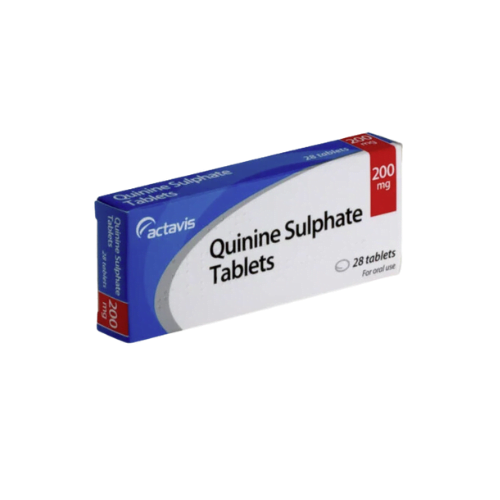
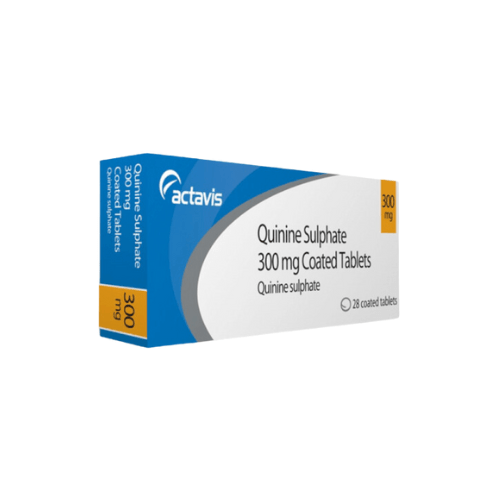
Quinine
Buy Quinine Online
Secure Encrypted Payments
Quinine is an antimalarial medicine used in appropriate cases of uncomplicated malaria, including malaria caused by Plasmodium falciparum. It can be bought online through BorderFreeHealth with US delivery from Canada, and you can choose the available dose or strength that matches your clinician’s directions.
Because malaria treatment depends on the parasite species, travel location, resistance patterns, symptoms, and your health history, Quinine should be used only as directed by a qualified healthcare professional. It is not a prevention medicine, and it is not recommended for leg cramps because serious reactions can occur.
Quinine Price, Strength Selection, and Ordering
Quinine pricing can vary by strength, quantity, manufacturer, and country-of-origin supply. During ordering, review the current Quinine cost shown for the available strength and quantity, then match that choice to the directions from your clinician. If your plan includes a companion antimalarial or antibiotic, confirm the full regimen before starting so each medicine is taken on the intended schedule.
Many customers paying out of pocket compare local pharmacy costs with Canadian-sourced choices. BorderFreeHealth supports cash-pay ordering for U.S. customers and provides prompt, express shipping when the order is ready to ship. Keep the medicine name, strength, quantity, and directions consistent with the treatment plan you received.
Quick tip: Use one written schedule for every medicine in your malaria regimen, especially if doses are taken several times per day.
What Quinine Treats
Quinine sulfate is used for treatment of uncomplicated malaria caused by Plasmodium falciparum. Malaria is an infection spread by mosquitoes, and the parasite enters red blood cells where it can cause fever, chills, headache, weakness, nausea, and other symptoms. For more condition background, see our malaria information.
This medicine works by interfering with the malaria parasite’s ability to process heme inside infected red blood cells. That action helps reduce the parasite burden in the bloodstream. Clinicians often combine quinine with another medicine, such as doxycycline, tetracycline, or clindamycin, to improve treatment effectiveness and reduce the chance that parasites persist.
Quinine is not used for every type of malaria and is not appropriate for severe or complicated disease. Severe malaria can involve confusion, seizures, breathing difficulty, severe anemia, kidney injury, low blood sugar, or high parasite levels, and it requires urgent hospital-based care. If symptoms worsen, vomiting prevents medicines from staying down, or neurologic symptoms occur, seek emergency medical help.
Qualaquin, Generic Quinine Sulfate, and Common Strength Terms
Qualaquin is a brand name associated with quinine sulfate capsules. Generic quinine sulfate contains the same active ingredient, but brand names, strengths, and dosage forms can differ by market. Common search terms include Quinine sulfate 324 mg capsules, Qualaquin 324 mg, quinine tablets 300 mg, and quinine sulfate tablets from Canada; the strength you receive should match the medicine selected during ordering and your clinician’s treatment plan.
In the United States, 324 mg capsules are a commonly referenced labeled strength for quinine sulfate. In other markets, tablets or different strengths may be listed. Do not substitute between strengths or forms on your own, because malaria treatment depends on total daily dosing, timing, combination therapy, and patient-specific safety factors.
Quinine is also familiar to many people because tiny amounts may be used as a bitter flavoring in tonic water. Tonic water is not a malaria treatment, and the quinine amount in beverages is not a substitute for medicine. People who have been told to avoid quinine should also ask a healthcare professional about beverage exposure, especially if they have had previous serious reactions.
How to Take Quinine Safely
Take Quinine exactly as directed by your clinician. Capsules are commonly taken with food to reduce stomach upset. Many treatment courses use several doses per day for a limited number of days, and missing doses can reduce treatment success. Do not stop early just because fever or chills improve.
If a dose is missed, take it when remembered unless it is close to the next scheduled dose. If the next dose is near, skip the missed dose and continue the regular schedule. Do not double doses. If vomiting occurs soon after a dose, contact a healthcare professional for individualized instructions rather than guessing whether to repeat it.
Avoid aluminum- or magnesium-containing antacids close to Quinine dosing unless your clinician has given specific timing instructions, because these products may reduce absorption. Alcohol may worsen dizziness or stomach upset. Keep a complete list of medicines, supplements, and herbal products so interaction risks can be checked before treatment begins.
Who May Need a Different Malaria Treatment
Quinine may suit adults and some adolescents with uncomplicated P. falciparum malaria when a clinician decides it is appropriate. It may not be suitable for people with a history of serious allergy to quinine or quinidine, previous quinine-related low platelet counts, certain heart rhythm problems, myasthenia gravis, optic neuritis, G6PD deficiency, or significant kidney or liver disease.
Pregnancy, breastfeeding, older age, electrolyte problems, and a history of fainting or abnormal ECG findings may also affect treatment choice. Some people need additional monitoring for blood glucose, blood counts, heart rhythm, or organ function. Malaria itself can become dangerous quickly, so do not delay medical evaluation if fever occurs after travel to an endemic area.
Why it matters: The safest malaria regimen depends on both the parasite and the person being treated.
Side Effects, Warnings, and Monitoring
Common side effects include nausea, vomiting, diarrhea, abdominal pain, headache, dizziness, ringing in the ears, sweating, flushing, and blurred vision. Some of these symptoms are part of cinchonism, a known quinine-related effect that can involve tinnitus, headache, nausea, and visual changes. Report persistent, severe, or worsening symptoms promptly.
Serious reactions are less common but can be dangerous. Quinine has been associated with severe allergic reactions, low blood sugar, abnormal heart rhythms including QT prolongation, thrombocytopenia, hemolytic anemia, kidney problems, liver injury, and severe skin reactions. Seek urgent care for fainting, chest pain, severe dizziness, shortness of breath, swelling of the face or throat, widespread rash, peeling skin, unusual bruising, bleeding, dark urine, sudden hearing changes, or sudden vision changes.
Drug interactions matter with this medicine. QT-prolonging medicines, certain antiarrhythmics, macrolide antibiotics, antipsychotics, some antidepressants, mefloquine, warfarin, digoxin, cyclosporine, and medicines that strongly affect liver enzymes may raise safety concerns or require monitoring. Do not add new medicines during malaria treatment without checking with a healthcare professional.
Why Quinine Is Not Recommended for Leg Cramps
Quinine for leg cramps is a common question because it was historically used for nighttime cramps. It is not recommended for that purpose. Serious blood, heart rhythm, kidney, allergic, and skin reactions can occur even when quinine is used outside malaria treatment, and the risk is not justified for routine cramp relief.
If you have muscle cramps, ask a clinician to review hydration, electrolyte issues, exercise patterns, nerve conditions, circulation problems, and medicines that may contribute. Safer approaches may be available depending on the cause. Do not use malaria medicine, tonic water, or leftover capsules to self-treat cramps.
Storage, Travel, and Treatment Adherence
Store Quinine at room temperature in a dry place, away from excess heat and moisture. Keep capsules or tablets in the original labeled container and out of reach of children and pets. Do not use medicine past the expiration date.
When traveling, keep medicine in carry-on luggage with documentation for the active ingredient, strength, and directions. A travel pill organizer can help with dose timing, but keep the labeled container nearby. If your schedule crosses time zones, ask a healthcare professional how to keep the spacing between doses consistent.
Adherence is especially important for malaria because symptoms may improve before parasites are fully cleared. Keep drinking fluids if tolerated, rest, and follow any plans for repeat blood smears or follow-up testing. If fever returns after treatment, contact a clinician promptly.
Related Malaria and Infectious Disease Choices
Antimalarial selection depends on species, geography, resistance, pregnancy status, age, other medicines, and the severity of infection. In some areas, chloroquine-related medicines may be considered for susceptible malaria, while other regimens are preferred when resistance is likely. Browse the Infectious Disease category for treatment areas connected to travel-related infections.
Customers who prefer country-specific sourcing can also browse products with Canada country-of-origin information. For general infectious disease reading, our infectious disease articles provide broader patient education, but treatment decisions should come from a clinician who knows the travel history and lab results.
Questions to Ask Before Starting
- Which malaria species is suspected or confirmed?
- Does local resistance information support Quinine for this infection?
- Will another medicine be taken with it, and for how long?
- Which side effects require stopping treatment or urgent care?
- Do any current medicines raise QT, bleeding, seizure, or blood sugar risks?
- Should blood smears, blood glucose, ECG, blood counts, or organ function be monitored?
- What should happen if vomiting or diarrhea prevents doses from staying down?
Authoritative Sources
Health Canada product record for quinine sulfate
MedlinePlus quinine drug information
FDA safety communication on quinine and leg cramps
This content is for informational purposes only and is not a substitute for professional medical advice.
QTc Calculator
Calculate corrected QT interval from measured QT and heart rate.
QTc
-
milliseconds
RR interval
-
seconds
These calculations are for education only and do not replace clinical advice, diagnosis, or treatment. Always confirm medical decisions with a qualified healthcare professional.
Blood Glucose Unit Converter
Convert glucose readings between mg/dL and mmol/L without changing the clinical value.
mg/dL
-
US reporting unit
mmol/L
-
International reporting unit
These calculations are for education only and do not replace clinical advice, diagnosis, or treatment. Always confirm medical decisions with a qualified healthcare professional.
Express Shipping - from $29.99
Shipping with this method takes 3-5 days
Prices:
- Dry-Packed Products $29.99
- Cold-Packed Products $39.99
Shipping Countries:
- United States (all contiguous states**)
- Worldwide (excludes some countries***)
Standard Shipping - $19.99
Shipping with this method takes 5-10 days
Prices:
- Dry-Packed Products $19.99
- Not available for Cold-Packed products
Shipping Countries:
- United States (all contiguous states**)
- Worldwide (excludes some countries***)
What does Quinine do to your body?
Quinine helps treat certain malaria infections by interfering with the parasite inside red blood cells. It can also affect the ears, vision, stomach, blood sugar, blood cells, and heart rhythm, which is why safety monitoring matters.
Is Quinine used to prevent malaria?
Quinine is not used for routine malaria prevention. It is used for treatment in selected cases, and prevention plans for travel usually involve different medicines plus mosquito-bite precautions.
Why is Quinine not recommended for leg cramps?
Quinine can cause serious reactions, including blood problems, abnormal heart rhythms, allergic reactions, kidney injury, and severe skin reactions. Those risks are not justified for routine nighttime leg cramp treatment.
Can tonic water treat malaria?
No. Tonic water may contain very small amounts of quinine for flavor, but it is not a malaria treatment and should not replace prescribed antimalarial therapy.
What side effects should I watch for with Quinine?
Common effects include nausea, diarrhea, headache, dizziness, ringing in the ears, and blurred vision. Seek urgent care for fainting, chest pain, severe rash, unusual bruising or bleeding, breathing trouble, or sudden hearing or vision changes.
Rewards Program
Earn points on birthdays, product orders, reviews, friend referrals, and more! Enjoy your medication at unparalleled discounts while reaping rewards for every step you take with us.
You can read more about rewards here.
POINT VALUE
How to earn points
- 1Create an account and start earning.
- 2Earn points every time you shop or perform certain actions.
- 3Redeem points for exclusive discounts.
You Might Also Like
Select options
This product has multiple variants. The options may be chosen on the product page
Select options
This product has multiple variants. The options may be chosen on the product page
Select options
This product has multiple variants. The options may be chosen on the product page
Select options
This product has multiple variants. The options may be chosen on the product page