
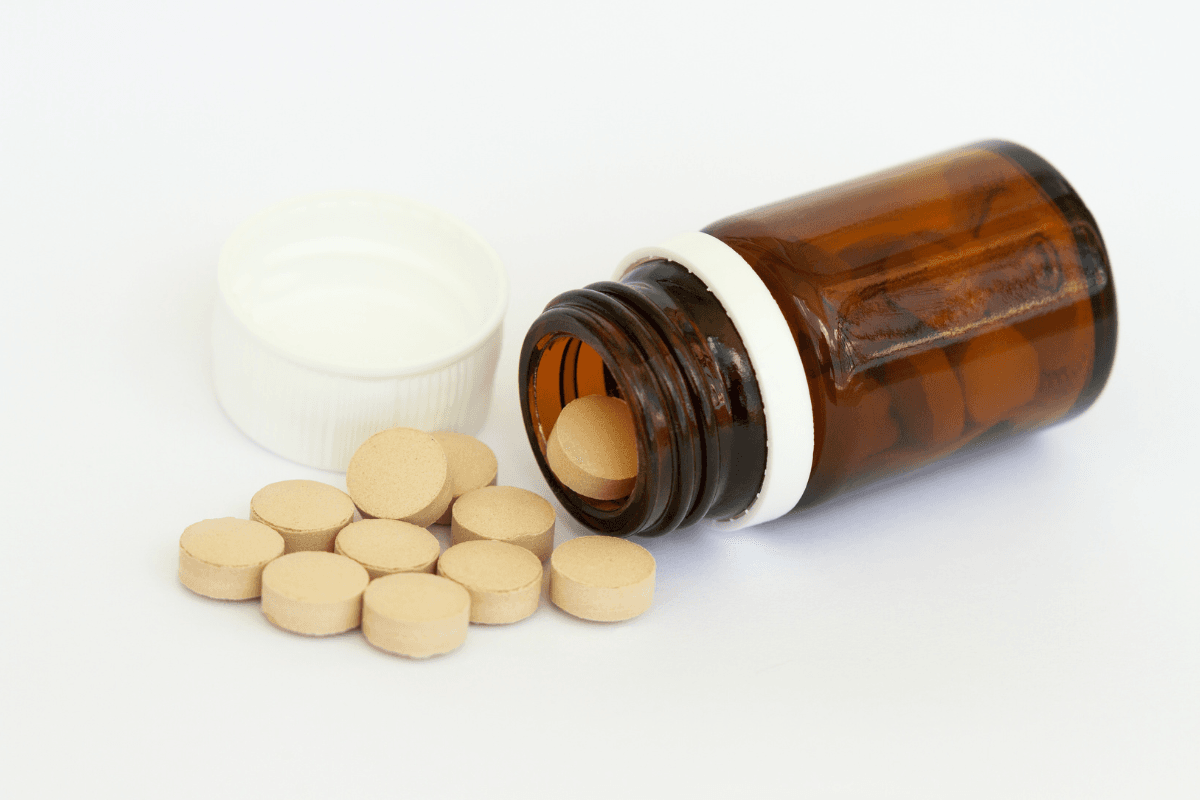
Leukeran is the brand name for chlorambucil, an oral chemotherapy medicine used in selected blood cancers. If you are asking what is Leukeran, the simplest answer is this: it is a prescription alkylating agent that can damage cancer-cell DNA, but it can also affect healthy fast-growing cells, especially blood-forming cells in the bone marrow.
That balance is why Leukeran requires careful monitoring. Treatment happens at home because it is a tablet, but it is still chemotherapy. Your oncology team should guide dosing, lab timing, handling, side-effect management, vaccines, pregnancy planning, and medication interactions.
Key Takeaways
- Oral chemotherapy: Leukeran contains chlorambucil and is taken as a tablet.
- Selected uses: It may be used for chronic lymphocytic leukemia and some lymphomas.
- Blood counts matter: Bone marrow suppression is a major safety concern.
- Safety planning helps: Ask about vaccines, pregnancy, fertility, and interactions early.
- Urgent symptoms count: Fever, bleeding, severe vomiting, or sudden shortness of breath need prompt help.
What Is Leukeran and Where Does It Fit in Care?
Leukeran is a prescription cancer medicine that contains chlorambucil. It belongs to a class called alkylating agents, which are traditional chemotherapy drugs. These medicines can interfere with DNA inside cells, making it harder for cancer cells to grow and divide.
People often ask what is chlorambucil because they see both names on labels or clinic paperwork. Chlorambucil is the generic drug name. Leukeran is the brand name. Your prescription label, oncology notes, or pharmacy information may use either term.
Leukeran has been used for decades in blood cancer care. Today, it is usually considered in specific situations, not as a universal treatment for every person with leukemia or lymphoma. Your clinician may weigh your diagnosis, prior treatments, blood counts, other health conditions, and treatment goals before recommending it.
For people comparing cancer medicines, it can help to keep the category clear. Leukeran is chemotherapy. It is not an immune checkpoint inhibitor like some newer cancer medicines. For a different treatment category, see Keytruda Explained, which covers a separate immunotherapy approach.
Why it matters: Knowing the drug class helps you ask better questions about monitoring and side effects.
How Chlorambucil Works in Plain Language
Chlorambucil works by damaging DNA, the instruction material cells need to copy themselves. Cancer cells often divide more quickly than many normal cells, so they can be vulnerable to this kind of damage. However, some healthy cells also divide quickly, especially cells in bone marrow, the digestive tract, hair follicles, and reproductive tissue.
This is the reason Leukeran side effects often involve blood counts, infection risk, fatigue, nausea, and sometimes fertility concerns. The same mechanism that can slow cancer-cell growth can also suppress normal blood-cell production. Clinicians call this bone marrow suppression.
When people ask how long Leukeran takes to work, the answer depends on the cancer type, treatment plan, and how response is measured. Your team may track symptoms, physical exam findings, blood tests, or imaging. Do not judge whether it is working from day-to-day symptoms alone, because side effects and cancer response are not the same thing.
Leukeran also has a half-life, meaning the body clears the drug over time. That number is useful to clinicians and pharmacists, but it usually does not tell a patient when to change a dose or schedule. Your prescription instructions and lab plan are more important than trying to interpret pharmacology details on your own.
What Is Leukeran Used For?
Leukeran is mainly associated with certain blood cancers, including chronic lymphocytic leukemia (CLL) and some lymphomas. It may be used alone or as part of a broader plan, depending on the diagnosis and treatment goal. It is not appropriate for every cancer, and it is not a general-purpose cancer tablet.
In CLL, treatment choices can vary widely. Some people are monitored without immediate treatment. Others may receive targeted therapies, antibody-based treatments, chemotherapy, or combinations. Leukeran may be considered when an oral, lower-intensity chemotherapy approach fits the clinical situation, but your oncologist must decide whether that makes sense for you.
For lymphoma, the exact subtype matters. Lymphoma is not one disease. Different forms can behave differently and may need different treatment strategies. If Leukeran appears in your plan, ask which diagnosis it is targeting and how your team will measure response.
If you want broader background on cancer-related education, the Cancer Posts collection can help you explore related treatment and survivorship topics. For medication-specific navigation, Leukeran Product Details may be useful as a basic reference while your prescription label remains the source for instructions.
Dosage, Tablet Handling, and Missed Doses
Leukeran dosage is individualized by an oncology clinician. Dosing may depend on diagnosis, body size, lab results, other medicines, organ function, and treatment schedule. Some plans use repeated cycles, while others may use different patterns. Do not copy another person’s dose, even if the diagnosis sounds similar.
Because this medicine is cytotoxic, meaning harmful to cells, tablets need careful handling. Ask your pharmacist whether caregivers should wear gloves, how to clean spills, and what to do with damaged tablets. Do not crush, split, or dissolve tablets unless your oncology team or pharmacist specifically instructs you to do so.
Storage instructions can vary by product labeling and pharmacy guidance. Keep tablets in the original container unless your pharmacist advises another safe method. Keep them away from children, pets, and anyone who is pregnant or trying to become pregnant. If you travel, ask how to keep the medicine stored correctly.
Missed doses should be handled by your oncology clinic or pharmacist. Many chemotherapy medicines should not simply be doubled later. If an accidental extra dose occurs, seek urgent medical advice and bring the medication bottle. Possible overdose concerns can include severe nausea, vomiting, neurological symptoms, unusual bruising, or signs of infection.
Quick tip: Use one medication log for dose days, lab dates, side effects, and clinic calls.
Side Effects, Black Box Warnings, and When to Call
Leukeran side effects can be mild, serious, or delayed. Common issues may include nausea, vomiting, diarrhea, mouth irritation, tiredness, appetite changes, rash, or hair thinning. Your oncology team may suggest supportive treatments, but do not add over-the-counter products or supplements without asking first.
The most important safety issue is bone marrow suppression. This can lower white blood cells, red blood cells, and platelets. Low white blood cells can raise infection risk. Low red blood cells can cause anemia-related fatigue or shortness of breath. Low platelets can increase bruising or bleeding.
Leukeran carries serious label warnings. Official labeling notes that chlorambucil can severely suppress bone marrow function and has carcinogenic, mutagenic, and teratogenic concerns. In plain language, that means it can affect blood-cell production, may raise certain long-term cancer-related risks, can damage genetic material, and can harm fetal development.
Call your care team promptly if you develop fever, chills, sore throat, unusual bleeding, black or bloody stools, severe vomiting, new confusion, seizures, or sudden shortness of breath. Seek urgent care if symptoms feel severe or rapidly worsening. Fever during chemotherapy can be an emergency, even if you do not feel very sick.
| What you notice | Why it may matter | What to do next |
|---|---|---|
| Fever or chills | Possible infection with low white cells | Contact oncology care promptly |
| Easy bruising or nosebleeds | Platelets may be low | Ask about urgent blood testing |
| Extreme fatigue or dizziness | Anemia, dehydration, or infection may be present | Call your clinic, especially if sudden |
| Persistent vomiting | Dehydration and missed absorption may occur | Request anti-nausea guidance |
Blood-count language can feel technical. Absolute neutrophil count, or ANC, estimates a key infection-fighting white blood cell group. This calculator can help you understand the general metric used in lab discussions, but it does not interpret your results or replace clinical guidance.
Absolute Neutrophil Count Calculator
Calculate ANC from white blood cell count, neutrophil percentage, and optional band percentage.
These calculations are for education only and do not replace clinical advice, diagnosis, or treatment. Always confirm medical decisions with a qualified healthcare professional.
Monitoring, Interactions, and Everyday Precautions
Leukeran monitoring usually includes complete blood counts on a schedule set by your oncology team. A complete blood count, or CBC, measures white blood cells, red blood cells, hemoglobin, and platelets. Your clinician may also monitor liver or kidney function, especially if other medicines or health conditions are involved.
Bring a current medication list to every visit. Include prescriptions, vitamins, herbal products, pain relievers, sleep aids, and over-the-counter cold medicines. Leukeran drug interactions may involve overlapping effects on blood counts, bleeding risk, infection risk, liver function, or sedation. Your team may adjust monitoring rather than stop a needed medicine.
Vaccines need planning during chemotherapy. Live vaccines are often avoided during immunosuppression, and other vaccines may need timing adjustments. Ask your oncology team before any vaccine, including travel vaccines. Household members may also need vaccine guidance if you are severely immunosuppressed.
Day-to-day infection prevention is practical, not perfect. Wash hands often, avoid close contact with people who are sick, and follow your clinic’s food-safety advice if white blood cells are low. Ask whether you should monitor temperature at home and what number should trigger a call.
Many people also manage other cancer risks or lung symptoms during treatment. For prevention and care context, World Lung Cancer Day offers related education on lung health, screening conversations, and support.
Pregnancy, Fertility, Breastfeeding, and Pets
Pregnancy planning should happen before treatment starts whenever possible. Chlorambucil can harm a developing fetus. People who can become pregnant, and people who could father a pregnancy, should ask about contraception, fertility preservation, and timing. Do not assume fertility risk is only relevant to one sex.
Breastfeeding also needs careful discussion. Many chemotherapy medicines may pass into breast milk or may be unsafe for a nursing infant. Your oncology team and your child’s clinician can help you review safer feeding options.
Search results sometimes mix human and veterinary uses of chlorambucil. Veterinarians may use chlorambucil for cats or dogs in certain conditions, but pet dosing, compounding, monitoring, and handling are different. This article is about human medical use. Never give a human prescription to a pet, and do not handle pet chemotherapy without veterinary instructions.
How It Compares With Other Cancer Medicines
Comparing cancer medicines is useful only when the comparison matches your diagnosis. Chlorambucil, cyclophosphamide, bendamustine, vincristine, and targeted therapies can all appear in blood cancer discussions, but they differ in administration, intensity, monitoring, and side-effect patterns.
For example, cyclophosphamide is another alkylating chemotherapy medicine, but it is not interchangeable with chlorambucil. Bendamustine is also used in some blood cancers, but it has its own dosing schedules and risks. Vincristine is commonly given by IV in clinic settings and has different side-effect concerns, including nerve-related effects.
If your clinician mentions other options, ask practical comparison questions. How is it given? How often are labs needed? What side effects require urgent help? How might kidney, liver, heart, or infection history affect the choice? These questions keep the conversation focused on safety and fit, not on general rankings.
For broad examples of cancer medication categories, you can review Vincristine Medication Details, Imbruvica Product Details, or the Cancer Options product category. Use these pages for orientation, then rely on your oncology team for treatment decisions.
Access and Cost Context
Cost questions are common with cancer medicines, but the safest first step is to confirm the exact prescription, dose, schedule, and monitoring plan. Pharmacy access can depend on prescription requirements, jurisdiction, and whether the medicine is appropriate for the person receiving it.
BorderFreeHealth connects U.S. patients with licensed Canadian partner pharmacies, and prescription details may be verified with the prescriber when required before dispensing. For patients without insurance, cash-pay cross-border prescription options may be available when eligibility and jurisdictional rules allow. This access context does not replace oncology guidance or safety monitoring.
Authoritative Sources
For label-backed safety details, review the DailyMed Leukeran label, which includes boxed warning language and prescribing information.
For patient-friendly medication information, the MedlinePlus chlorambucil summary explains common precautions and when to seek medical help.
For cancer-drug context from a federal cancer resource, see the National Cancer Institute chlorambucil page.
Recap for Your Next Oncology Visit
Leukeran is an oral chemotherapy medicine used in selected blood cancers, including CLL and some lymphomas. Its benefits and risks depend on the diagnosis, treatment goals, lab results, and the rest of your health picture. The main safety themes are blood-count monitoring, infection prevention, careful tablet handling, and early reporting of concerning symptoms.
Before starting or refilling Leukeran, ask your team about your schedule, lab plan, missed-dose instructions, fertility and pregnancy precautions, vaccine timing, and interaction review. Clear instructions reduce uncertainty and make home treatment safer.
This content is for informational purposes only and is not a substitute for professional medical advice.


