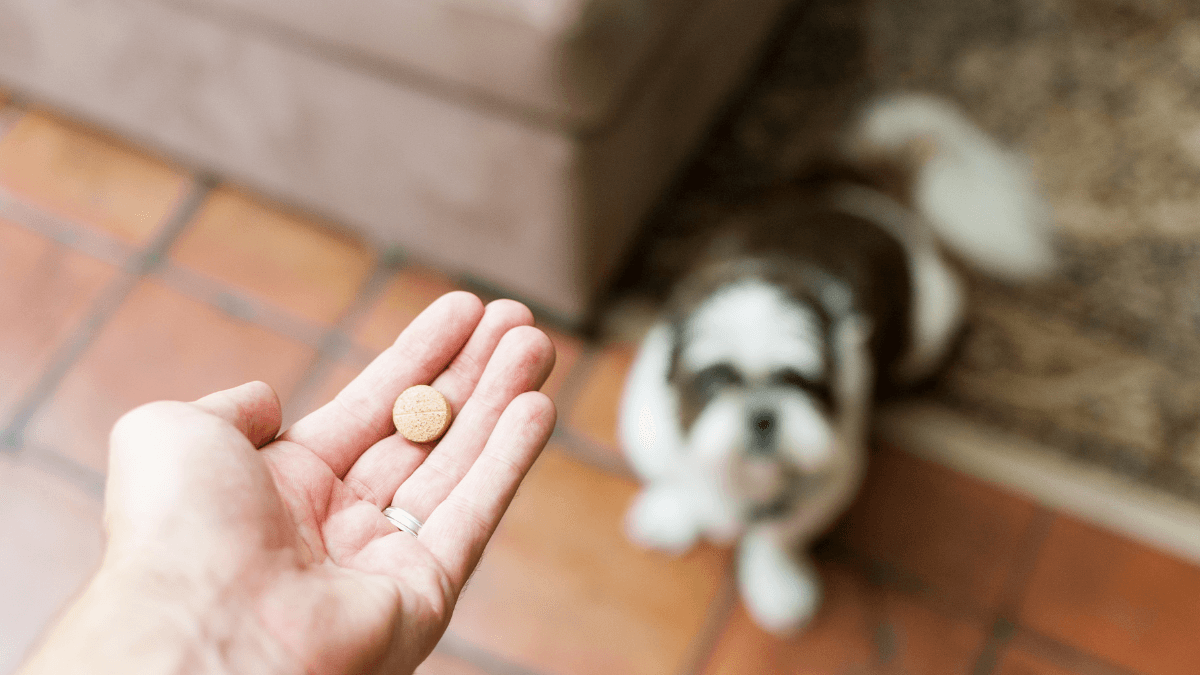
Palladia is a prescription cancer medicine for dogs, also known as toceranib phosphate. If you are asking what is Palladia for dogs, the short answer is that it is an oral targeted therapy used most often for certain mast cell tumors, with careful veterinary monitoring for side effects.
That answer can still feel heavy. Cancer decisions often arrive fast, and families may be weighing hope, comfort, cost, and daily care. This article explains where Palladia may fit, what to ask your veterinarian, and which safety steps matter at home.
Key Takeaways
- Targeted cancer therapy: Palladia blocks signals some tumors use to grow.
- Main approved use: It is best known for canine mast cell tumors.
- Side effects need attention: Vomiting, diarrhea, appetite changes, and tiredness can occur.
- Monitoring is central: Bloodwork and other checks help guide safe adjustments.
- Handling matters: Gloves, storage, and cleanup routines help protect household members.
What Is Palladia for Dogs and Why Might a Vet Suggest It?
Palladia is an anticancer drug in a class called tyrosine kinase inhibitors. Tyrosine kinases are enzymes that help send growth signals inside cells. Some tumors rely on these signals, so blocking them may slow growth or support tumor control in selected cases.
The drug is most closely associated with mast cell tumors, a common skin cancer in dogs. A veterinarian or veterinary oncologist may consider it after surgery, when surgery is not possible, or when a tumor has features that make targeted therapy worth discussing. The decision usually depends on tumor grade, stage, location, lymph node involvement, and your dog’s overall health.
Why it matters: The goal should be clear before treatment starts.
For some dogs, the plan aims for measurable tumor shrinkage. For others, the goal is slowing progression while preserving appetite, comfort, and normal routines. Neither goal is wrong. The best goal is the one your veterinary team can explain in plain language and connect to your dog’s quality of life.
If you want broader background on cancer care topics, the Cancer Articles collection can help you review related concepts before appointments. For wider pet wellness context, you can also browse Pet Health Articles.
How Toceranib Works as Targeted Therapy
Toceranib works by blocking several tyrosine kinase pathways involved in tumor growth and blood vessel development. In plain terms, it interferes with some of the messages that help cancer cells grow, survive, or recruit a blood supply.
This is why people often ask, is Palladia chemotherapy? It is an anti-cancer medication, but it is not the same as traditional chemotherapy drugs that broadly target rapidly dividing cells. Many clinics still use careful chemotherapy-style handling rules because it can affect healthy tissues and requires safety precautions.
Targeted does not mean side-effect-free. The gut, bone marrow, kidneys, blood pressure, and liver values may still need monitoring. Dogs can also respond differently, even when they share the same tumor diagnosis. Tumor biology, stage, other medications, and general health can all influence the plan.
A veterinarian may recommend cytology, biopsy, imaging, or staging tests before starting therapy. These tests help confirm what type of cancer is present and whether a targeted medicine is reasonable. They also help the team choose what to track during follow-up.
When Palladia May Be Used for Mast Cell Tumors
Palladia for mast cell tumors in dogs is the best-known use because the medication is approved for certain canine mast cell tumors. Mast cell tumors vary widely. Some behave locally, while others spread or recur more aggressively.
Your veterinarian may discuss Palladia when a tumor is recurrent, incompletely removed, difficult to remove, or has features that raise concern. They may also talk about surgery, radiation, traditional chemotherapy, corticosteroids, antihistamines, stomach protectants, or supportive care. These options are not interchangeable, and many plans combine more than one approach.
Several questions can make the decision clearer:
- Tumor details: What grade, stage, and location are involved?
- Treatment goal: Is the aim shrinkage, stability, comfort, or time?
- Monitoring plan: Which labs or checks will be repeated?
- Stop points: What side effects would change the plan?
- Home needs: What handling rules apply after each dose?
Some owners search for palladia success rate in dogs or Palladia success stories in dogs. Those searches are understandable, but individual stories often leave out key details. A dog’s tumor type, stage, prior surgery, lab values, and other medications can all change expectations.
A more useful question is, “What would a good response look like for my dog?” The answer may include smaller tumor measurements, stable disease, fewer symptoms, improved comfort, or more good days at home.
Side Effects: Common Problems and Urgent Warning Signs
Palladia for dogs side effects most often involve the digestive tract, but other body systems may be affected. Vomiting, diarrhea, decreased appetite, weight loss, and tiredness are commonly discussed concerns. Some dogs have mild symptoms. Others need a pause, dose adjustment, or supportive care from the veterinary team.
Digestive signs matter because they can worsen quickly. Diarrhea can lead to dehydration, and repeated vomiting can make it hard for a dog to keep food, water, or other medicines down. If nausea or vomiting becomes part of the pattern, your veterinarian may consider supportive options. For general background, Cerenia for Dogs explains how maropitant is often discussed in veterinary nausea care.
Other possible concerns include changes in blood cell counts, protein in the urine, blood pressure changes, lameness, bruising, bleeding, or changes in liver or kidney values. Your dog may not show obvious signs when some of these changes begin, which is why scheduled monitoring matters.
Call your veterinarian promptly if you notice repeated vomiting, watery diarrhea, blood in the stool, black stool, collapse, marked weakness, refusal to eat, pale gums, unusual bleeding, or signs of dehydration. If symptoms seem severe or sudden, seek urgent veterinary care rather than waiting for the next planned visit.
Searches such as “Palladia killed my dog” usually come from fear or grief. Serious outcomes can happen in cancer care, but online posts cannot show the full medical picture. If you are worried a symptom is linked to treatment, contact the prescribing clinic quickly and ask what to do next.
Dosing Schedules, Missed Doses, and Daily Routines
Palladia dosing is individualized, so a public dosing chart should not replace your veterinarian’s instructions. The schedule depends on your dog’s weight, diagnosis, lab results, side effects, other medications, and treatment goals.
Some dogs receive the medication on a set weekly pattern rather than every day. Your clinic may adjust the plan if side effects appear or if lab results change. Do not change the dose, split tablets differently, or restart after a pause unless the prescribing veterinarian tells you to do so.
Many families ask about the best time of day to give Palladia. The most practical answer is usually a consistent time that fits your dog’s eating pattern and your household routine. Some dogs may tolerate medication better with food, while others need special instructions from the clinic. Follow the label and your veterinarian’s written plan.
If a dose is missed, call the prescribing clinic or follow the missed-dose instructions they provided. Avoid doubling a dose unless your veterinarian specifically directs it. If your dog vomits soon after a dose, do not guess whether to repeat it. Ask the clinic how to handle that situation.
Quick tip: Keep a simple log of dose days, appetite, stool, energy, and any new signs.
That log can make follow-up visits more useful. It also helps your veterinarian separate one bad day from a pattern that may need action. If pain, restlessness, or nerve-related discomfort is part of your dog’s broader care plan, Gabapentin for Dogs offers plain-language background to support a veterinary discussion.
Monitoring Tests Your Veterinary Team May Use
Monitoring helps detect problems before they become harder to manage. Your veterinarian may recommend bloodwork before treatment, early after starting, and at regular intervals after that. The exact schedule depends on your dog’s risk factors and response.
A complete blood count checks red blood cells, white blood cells, and platelets. A chemistry panel reviews organ-related values, electrolytes, and proteins. Urine testing may help identify protein loss. Blood pressure checks may also be recommended, especially when there are kidney or vascular concerns.
Liver enzyme changes can occur with many medications, including cancer therapies. Mild changes may only need observation, while more significant changes may lead to a pause or plan change. Your veterinarian interprets these results alongside symptoms, hydration, diet, and other medicines.
Drug interactions also matter. Tell your veterinarian about prescriptions, supplements, flea and tick products, anti-inflammatory drugs, steroids such as prednisone, and over-the-counter products. Do not assume a supplement is harmless during cancer treatment. Natural products can still affect bleeding risk, stomach tolerance, or drug metabolism.
Families sometimes ask how long a dog can take Palladia. There is no single answer. Some dogs stop because of side effects, progression, or a change in goals. Others continue while the treatment remains useful and tolerable. Ongoing monitoring helps the team decide whether the balance still makes sense.
Home Handling and Household Safety
Palladia tablets require careful handling because the medication is an anti-cancer drug. Many clinics recommend wearing disposable gloves when giving tablets and washing hands afterward. Keep tablets in the original container, away from food, children, and other pets.
Do not crush, split, or open tablets unless your veterinarian gives specific instructions. Crushing can increase accidental exposure and may affect dosing accuracy. If a tablet drops, pick it up right away while wearing gloves, then clean the area as directed by your clinic.
Owners often ask, can my dog lick me after taking Palladia? Ask your veterinary team for their exact guidance, because recommendations can vary by clinic and situation. A cautious approach is to avoid direct contact with saliva, vomit, urine, or stool around dosing periods and to wash hands after contact.
Extra care is wise in households with young children, pregnant people, people trying to become pregnant, older adults, or anyone with a weakened immune system. Your clinic may give instructions for cleaning accidents, laundering soiled bedding, and disposing of gloves or waste.
These precautions are not meant to frighten you. They create a safer routine, so treatment does not take over the household. Written instructions can also help family members, pet sitters, or boarding staff follow the same steps.
Reviews, Expectations, and the “Is It Worth It?” Question
Online reviews can be emotionally powerful, but they are incomplete medical evidence. Palladia for dogs reviews may include excellent responses, difficult side effects, and deeply painful losses. All of those stories may be real, yet none can predict your dog’s exact path.
The question “is Palladia worth it?” is personal and clinical at the same time. It depends on the cancer, expected benefits, side-effect risk, monitoring burden, cost, travel, and your dog’s daily comfort. A veterinary oncologist can help translate those factors into realistic choices.
It may help to define success before starting. Success might mean a measurable reduction in tumor size. It might mean stable disease for a period. It might also mean your dog keeps eating, walking, playing, and resting comfortably while treatment continues.
Example: A family may decide that appetite and energy matter more than tumor measurements alone. Another family may prioritize aggressive tumor control if their dog is otherwise strong and tolerating visits well. Both approaches deserve a careful, nonjudgmental conversation with the veterinary team.
If you want to understand medication categories used in cancer care, the Cancer Medication Options collection can help you recognize common names and classes. Use it as a navigation aid, not as a substitute for oncology advice.
Questions to Bring to Your Veterinarian
A written question list can make a stressful appointment more productive. It also helps everyone focus on goals, not just drug names.
- Diagnosis: What type and stage of cancer does my dog have?
- Rationale: Why does this tumor fit targeted therapy?
- Response tracking: What will we measure, and how often?
- Side effects: Which symptoms should trigger a same-day call?
- Monitoring: Which blood, urine, or pressure checks are planned?
- Interactions: Should any current medicines or supplements change?
- Handling: What precautions apply after each dose?
- Plan changes: When would we pause, adjust, or stop?
If your dog has kidney disease, liver disease, high blood pressure, diabetes, bleeding problems, or a history of severe stomach upset, mention this early. These conditions may influence monitoring, supportive care, and whether treatment fits your dog’s situation.
Authoritative Sources
For official drug labeling and medication safety details, review the DailyMed medication guide for Palladia.
For manufacturer-prescribing information and product safety context, see the Zoetis Palladia prescribing information page.
For regulatory background on veterinary drug approvals, the FDA Animal Drugs database provides searchable official records.
Recap
What is Palladia for dogs? It is a prescription targeted cancer medicine used most often for certain canine mast cell tumors. It can be part of a thoughtful care plan, but it requires realistic goals, home precautions, and close veterinary monitoring.
The most important next step is not finding a perfect online answer. It is asking your veterinarian what success, risk, and quality of life should mean for your dog. Clear instructions and early communication can make treatment safer and less overwhelming.
This content is for informational purposes only and is not a substitute for professional medical advice.