
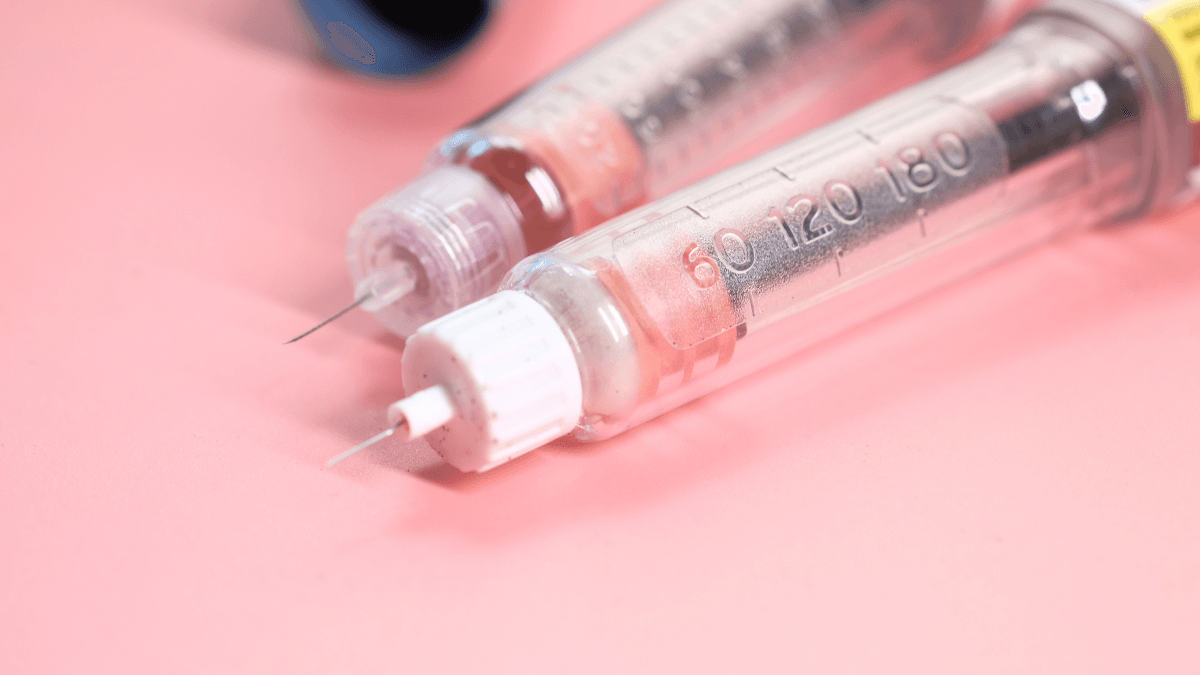
Mounjaro vs Trulicity is mainly a comparison between two once-weekly injectable medicines for type 2 diabetes: tirzepatide and dulaglutide. Both can help improve blood sugar, and both can cause similar stomach-related side effects. The key differences are how they work, how dosing is adjusted, what the labels emphasize, and how well each option fits your health history, coverage, and tolerance.
That distinction matters because the “better” option is not the same for everyone. A useful comparison includes A1c goals, weight changes, side effects, heart and kidney risk, other diabetes medicines, and access barriers.
Key Takeaways
- Both are weekly injections used for type 2 diabetes care.
- Mounjaro works on two hormone pathways; Trulicity works on one.
- Digestive side effects are common with both medicines.
- Switching can be appropriate, but it needs clinician guidance.
- Cost, coverage, and supply can shape the practical choice.
Mounjaro vs Trulicity: The Main Differences
Mounjaro and Trulicity are both incretin-based medicines, which means they act on gut hormone signals involved in blood sugar control and appetite. Mounjaro contains tirzepatide. Trulicity contains dulaglutide. They are not insulin, and they do not replace nutrition, activity, sleep, glucose monitoring, or other prescribed diabetes medicines.
The biggest clinical difference is receptor activity. Dulaglutide is a GLP-1 receptor agonist. Tirzepatide activates both GIP and GLP-1 receptors. GLP-1 and GIP are incretin hormones, meaning they help coordinate insulin release after eating when glucose is elevated. This dual-pathway design is one reason people often ask whether tirzepatide may lead to different glucose or weight outcomes than dulaglutide.
Labeling is another important difference. Trulicity has label language for reducing the risk of major cardiovascular events in certain people with type 2 diabetes. Mounjaro’s label focuses on improving glycemic control in adults with type 2 diabetes. Labels can change as evidence develops, so your prescriber may weigh current product information, cardiovascular history, kidney function, and other risk factors.
Why it matters: A medication that looks stronger on paper may not be the best fit if side effects, access, or other health issues make it hard to continue.
For broader context on tirzepatide’s role in diabetes and weight-related care, you can read Mounjaro Diabetes and Weight Loss Care. If you are comparing within the same medication family, Trulicity Vs Ozempic explains another common weekly GLP-1 comparison.
Blood Sugar, Weight, and “Which Is Better?”
The better choice depends on the outcome you and your clinician are trying to improve. For diabetes care, clinicians usually look first at A1c, fasting glucose, after-meal glucose, hypoglycemia risk, and whether other medicines need adjustment. If you use a continuous glucose monitor, time-in-range can also help show whether glucose patterns are becoming steadier.
Many people also compare Mounjaro vs Trulicity weight loss because appetite and fullness can change on these medicines. Some people notice smaller portions feel satisfying. Others mainly notice nausea, constipation, or changes in meal timing. Weight change should be interpreted alongside glucose control, nutrition quality, muscle preservation, and your broader health plan.
Studies and clinical experience may suggest different average effects between these drugs, but averages do not predict your exact response. Age, kidney function, gastrointestinal history, other medicines, and past tolerance of GLP-1 drugs all matter. So does the pace of dose increases. A person who cannot tolerate a higher dose may do better on a different plan than someone who tolerates it easily.
If your main tracking number is A1c, a simple conversion tool can help you understand how A1c relates to estimated average glucose. It does not replace lab review or medical guidance.
HbA1c & eAG Calculator
Convert between HbA1c percentage and estimated average glucose using the ADAG relationship.
These calculations are for education only and do not replace clinical advice, diagnosis, or treatment. Always confirm medical decisions with a qualified healthcare professional.
For related diabetes education, the Type 2 Diabetes collection can help you explore connected topics. The Type 2 Diabetes Options page is a browseable condition-based list, not a substitute for clinical advice.
Side Effects and Safety Signals to Watch
Trulicity vs Mounjaro side effects often overlap because both medicines affect incretin pathways. Nausea, vomiting, diarrhea, constipation, reduced appetite, indigestion, and stomach discomfort are among the more common issues. Symptoms often appear when starting therapy or after a dose increase, although the pattern varies by person.
Small meals, slower eating, and avoiding very heavy or greasy meals may reduce discomfort for some people. Hydration also matters, especially if vomiting or diarrhea occurs. Persistent fluid loss can contribute to dehydration and may strain the kidneys, particularly in people who already have kidney disease or take diuretics.
Both products carry a boxed warning about thyroid C-cell tumors based on animal data. They are generally avoided in people with a personal or family history of medullary thyroid carcinoma or multiple endocrine neoplasia syndrome type 2. Your clinician may also ask about pancreatitis, gallbladder disease, severe gastrointestinal symptoms, pregnancy plans, and diabetic eye disease.
Low blood sugar is not usually the main side effect when these medicines are used alone, but risk can rise when they are combined with insulin or sulfonylureas. If you use either type of medicine, your care team may want closer monitoring when treatment changes. Do not change doses on your own.
Quick tip: Keep a short symptom log around dose changes, including meals, timing, and severity.
Seek urgent care for severe or persistent abdominal pain, symptoms of dehydration, fainting, swelling of the face or throat, trouble breathing, or other signs of a serious allergic reaction. For practical tolerability ideas to discuss with your clinician, see Manage Trulicity Side Effects.
Dosing, Pens, and Weekly Routines
Mounjaro vs Trulicity dosing is not a simple dose-for-dose comparison. They are different molecules with different labeled dose ranges and titration schedules. Clinicians typically start with a lower dose and adjust gradually, based on glucose response, side effects, and the person’s overall medication plan.
Both are given once weekly, but pen design, instructions, and available strengths can differ by product and market. Your pharmacist can demonstrate device use and confirm storage instructions. Peptide medicines can be sensitive to heat, so storage limits matter even when the pen still looks normal.
Missed-dose instructions also differ by product labeling. If you miss a weekly injection, check the current patient instructions or ask your pharmacist before deciding what to do. Taking doses too close together can increase side effects and may complicate glucose patterns.
If you like to prepare before appointments, Mounjaro Dosage explains common titration concepts in plain language. For product navigation, Trulicity and Mounjaro KwikPen provide medication-page context without replacing your prescriber’s instructions.
Switching or Using Them Together
Most clinicians avoid using Trulicity and Mounjaro together. Their benefits overlap, and combining incretin-based injectables can increase the chance of nausea, vomiting, diarrhea, constipation, or appetite-related problems. It can also make it harder to interpret glucose changes, especially if insulin or other diabetes medicines are involved.
Switching from Trulicity to Mounjaro can be a reasonable clinical decision for some people. Common reasons include side effects, supply problems, coverage changes, A1c goals, or weight-related goals. The safest plan depends on recent glucose data, other medications, kidney function, past gastrointestinal tolerance, and how long it has been since the last injection.
Many people search for a Trulicity to Mounjaro conversion chart, but there is no universal conversion that works for everyone. A Trulicity 4.5 mg dose does not translate neatly into a specific Mounjaro dose. The same caution applies to searches for a GLP-1 conversion chart or an Ozempic to Mounjaro conversion chart. These drugs are not interchangeable milligram-for-milligram.
Before a switch, it helps to bring a focused list to the appointment:
- Recent glucose data: fasting, after-meal, or CGM patterns.
- Side effect history: nausea, constipation, reflux, or vomiting.
- Current medicines: insulin, sulfonylureas, diuretics, and supplements.
- Health changes: kidney labs, gallbladder symptoms, or pancreatitis history.
- Access concerns: coverage, pharmacy supply, or cash-pay constraints.
BorderFreeHealth connects U.S. patients with licensed Canadian partner pharmacies, and prescription details are verified with the prescriber when required before pharmacy dispensing. For people without insurance, cash-pay cross-border prescription options may be available when eligibility and jurisdictional requirements are met.
Cost, Access, and How It Compares With Other Options
Mounjaro vs Trulicity cost can vary because insurance coverage, prior authorization, supply, and formulary rules differ widely. A medicine may be clinically reasonable but difficult to access. Another may be covered but less tolerable. These practical issues are valid parts of the decision, not afterthoughts.
If cost or coverage is driving the comparison, ask your prescriber’s office what documentation is usually needed. Some plans require step therapy, meaning they may prefer one diabetes medicine before another. Others may require updated A1c values or proof of diagnosis. Pharmacy teams can also clarify whether a specific device or formulation is available through their channel.
People often compare Mounjaro vs Trulicity with Ozempic, Rybelsus, or Victoza. These medicines are related through incretin-based diabetes care, but they differ in active ingredient, route, label details, dosing schedule, and patient fit. Ozempic and Victoza contain semaglutide and liraglutide products respectively, while Rybelsus is an oral semaglutide option. The right comparison depends on the reason for treatment and the person’s medical history.
If you are comparing other weekly injections, Mounjaro Vs Ozempic may help frame the discussion. You can also review Ozempic or Rybelsus as product-information pages when device type or route is part of the conversation.
Who May Need Extra Caution
Some people need a more careful risk review before using either medicine. This includes people with a relevant thyroid cancer history, MEN2, pancreatitis history, significant gastrointestinal disease, gallbladder problems, pregnancy or plans for pregnancy, and people using insulin or sulfonylureas. Children and adolescents also require label-specific review, because age indications differ by product.
Kidney function deserves attention if severe vomiting or diarrhea occurs. The medicine may not be the direct cause of kidney disease, but dehydration can worsen kidney stress. If you already have chronic kidney disease, your clinician may monitor labs more closely when symptoms occur or when therapy changes.
Eye health can also matter. Rapid improvement in glucose can sometimes coincide with changes in diabetic retinopathy monitoring needs. If you have known eye disease from diabetes, tell your prescriber and eye-care professional when diabetes treatment changes.
No injectable diabetes medicine is the “safest” for every person. Safety depends on your conditions, your other medicines, your side effect history, and how quickly problems are recognized. A careful plan often matters as much as the medication name.
Authoritative Sources
For official product details, review the FDA Drugs@FDA database, which provides U.S. approval and labeling resources for prescription medicines.
The NIDDK type 2 diabetes overview explains diabetes basics, risk factors, and common management concepts.
The American Diabetes Association medication resource offers general education on diabetes medicine classes and treatment planning.
Recap
Mounjaro vs Trulicity is not only a question of which drug is stronger. It is a question of fit. Both are once-weekly injectable options for type 2 diabetes, but they differ in mechanism, labeling, titration, side effect experience, and access considerations.
If you are considering a switch, bring glucose readings, side effect notes, medication lists, and coverage concerns to your appointment. That information helps your clinician weigh benefits, risks, and practical next steps without relying on a one-size-fits-all conversion chart.
This content is for informational purposes only and is not a substitute for professional medical advice.


