

Shipping with this method takes 3-5 days
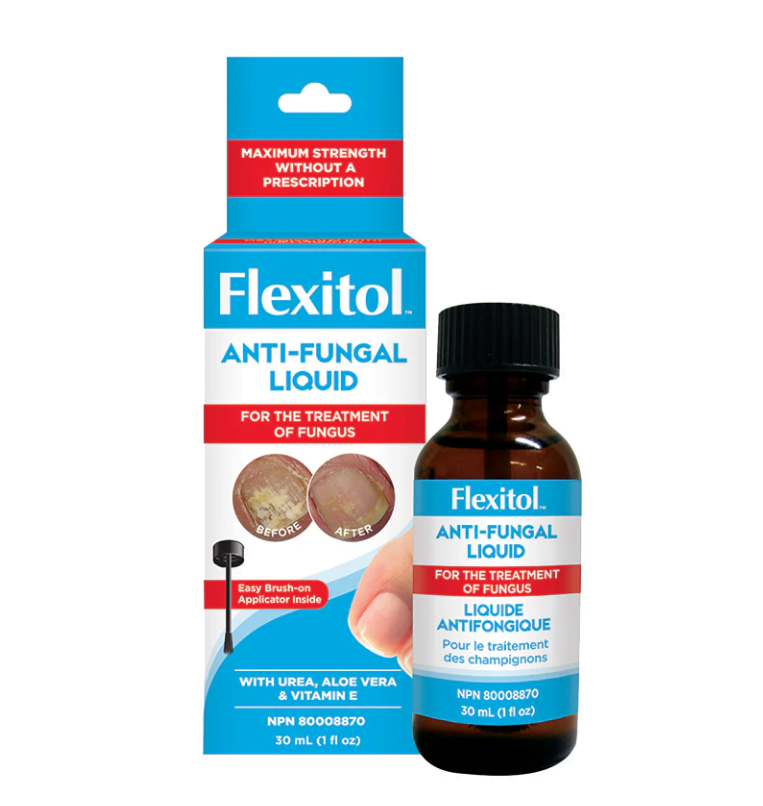
Flexitol Anti Fungal
Buy Flexitol Anti Fungal Online
Secure Encrypted Payments
Flexitol Anti Fungal is a topical antifungal product used on the skin for common fungal infections such as athlete’s foot and ringworm. You can buy Flexitol Anti-Fungal online, view the current price, and choose the form and quantity shown during ordering. Match the active ingredient, skin area, and label directions to the symptoms you are treating.
The Flexitol Anti-Fungal range may include a medicated foot cream, a liquid form, or both when stocked. Cream and liquid products can feel different on the skin, so the best choice depends on where the rash is, how much coverage is needed, and what the package label says. U.S. customers may see Flexitol Anti-Fungal with US delivery from Canada as part of the ordering process.
Flexitol Anti Fungal Price and Form Choices
Flexitol Anti-Fungal price comparisons work best when you compare the exact form, bottle or tube size, and total quantity. A cream tube and a liquid bottle do not provide the same type of coverage, even if both are used for fungal skin symptoms. The current checkout total may also reflect the quantity chosen and any handling steps that apply to the order.
Flexitol Anti-Fungal Liquid may be shown separately from Flexitol Medicated Anti-Fungal Cream. A 30 mL liquid bottle describes the total bottle volume, not the amount used each time. If more than one quantity appears, compare the total contents and label directions rather than looking only at the package count.
Some labels for Flexitol Medicated Anti-Fungal Cream list tolnaftate 1% as the antifungal ingredient. Flexitol Anti-Fungal Liquid may list undecylenic acid, and some liquid labels mention skin-supporting ingredients such as urea, aloe, or vitamin E. Because formulas can vary by market and form, the label for the cream or liquid you choose is the most important source for active ingredient and use directions.
If you are comparing cash-pay choices for fungal skin symptoms, the Dermatology Products category can help you browse other skin-care and antifungal products in the same area. Keep the Flexitol form clear when comparing products so an antifungal is not confused with a moisturizer, heel balm, or general foot cream.
Why it matters: Active ingredient, texture, and package size can change the practical value of two similar antifungal products.
How to Order Flexitol Anti-Fungal Online
Choose the cream or liquid form that matches the label you intend to use, then choose the quantity before checkout. If you are ordering for someone else, keep the product name and form clear so the order matches the intended skin concern. This is especially useful when household members also use non-medicated foot creams or cracked-heel products.
Before submitting the order, read the visible product information for active ingredient, warnings, storage, and skin-use directions. The cream and liquid forms may not share identical instructions. If a product arrives damaged, leaking, or visibly altered, do not use it.
For cross-border service, Flexitol Anti-Fungal may ship from Canada to US addresses when the order is completed through the store. Where shown at checkout, prompt, express shipping may be available, but timing depends on the order and carrier. Keep the product in its original packaging during travel so the label remains readable.
What Flexitol Anti-Fungal Treats
Flexitol Anti-Fungal is used for superficial fungal skin infections. Athlete’s foot, also called tinea pedis, often affects the skin between the toes or on the soles. Ringworm on the body, called tinea corporis, can appear as a scaly, circular rash on intact skin.
Common symptoms of these fungal infections include itching, scaling, cracking, burning, redness, soreness, and peeling. Flexitol Anti-Fungal for athlete’s foot may be considered when the symptoms match the label and the skin is not severely broken. Flexitol Anti-Fungal for ringworm may be considered for a limited, superficial rash on the body when the product label supports that use.
The Athletes Foot section and Fungal Skin Infection section can help you browse related choices by condition. These internal categories are useful for shopping, but they do not replace a clinician’s diagnosis when a rash is unusual, painful, spreading, or recurrent.
People searching for Flexitol nail fungus treatment or Flexitol toenail fungus treatment should be careful with expectations. Toenail infections can be harder to treat than skin infections because the nail plate limits penetration. Thick, discolored, painful, lifting, or crumbling nails may need clinical assessment, testing, or a different treatment approach.
Cream, Liquid, and Ingredient Differences
Flexitol antifungal foot cream and Flexitol antifungal liquid serve different practical needs. Cream is often easier to spread over a dry or irritated skin surface. Liquid can be useful for narrow spaces, such as between toes, depending on the applicator and label instructions.
| Form | What to Check | Practical Fit |
|---|---|---|
| Cream | Active ingredient, tube size, warnings, and skin directions | Spreadable coverage for intact skin areas |
| Liquid | Active ingredient, bottle volume, applicator, and directions | Targeted use between toes or on small skin areas |
| 30 mL liquid | Total bottle volume and label course | Useful when comparing Flexitol Anti-Fungal Liquid price and supply |
Undecylenic acid and tolnaftate are topical antifungal ingredients used in products for fungal skin infections. They are applied to the skin surface and are intended to reduce fungal growth in the treated area. Do not assume that a liquid can be substituted for a cream, or that a cream can be used on nails, unless the label or a clinician supports that use.
If the rash sits in a moist area, footwear and hygiene can affect how well treatment fits into daily use. A liquid may dry differently than cream, while a cream may feel more comfortable over dry or irritated skin. Skin sensitivity, application area, and label directions should guide the choice.
Use, Timing, and Foot Hygiene
Use Flexitol Anti-Fungal exactly as directed on the package label. Wash and dry the affected area first, especially between the toes. A thin layer is usually enough for many topical antifungal products unless the label gives different instructions.
Do not apply extra product to make up for a missed use. Resume the labeled schedule when you remember, unless the label says otherwise. Using more than directed can irritate the skin and does not guarantee faster clearing.
- Dry carefully between toes before application.
- Change damp socks promptly.
- Use breathable footwear when possible.
- Avoid sharing towels during an active infection.
- Wash hands after applying the product.
- Keep the cap closed tightly after each use.
Quick tip: Let treated skin dry before putting socks or shoes back on.
Symptoms may start to feel better before the fungus is fully controlled. Stopping too early can allow symptoms to return, so follow the full label course unless irritation or a clinician’s advice changes the plan. If the rash worsens or fails to improve after the labeled course, another diagnosis may be responsible.
Side Effects, Warnings, and When to Get Checked
Flexitol Anti-Fungal Liquid side effects and cream side effects are usually local skin reactions. Mild burning, stinging, redness, dryness, peeling, or soreness can occur where the product is applied. Stop use and seek professional advice if irritation is severe, spreading, blistering, or not settling.
Do not use topical antifungal products in the eyes, mouth, vagina, or on open wounds unless a clinician specifically directs that use. Avoid tight bandages or occlusive coverings over the treated area unless the label allows it. Children under 2 years should use antifungal products only with professional guidance.
Foot symptoms need extra caution if you have diabetes, poor circulation, immune system problems, or reduced feeling in your feet. Seek medical help for spreading redness, drainage, fever, deep cracks, ulcers, swelling, or pain that feels unusual for a simple fungal rash. These signs can point to infection or another condition that needs prompt care.
Topical antifungals generally have fewer interaction concerns than oral medicines, but irritation can increase when several medicated products are layered on the same skin. Be cautious with antiseptics, acids, strong exfoliants, steroid creams, and other medicated foot products. Steroid creams can reduce redness and itching while allowing a fungal infection to continue, so ask a clinician before combining them.
Storage, Travel, and Handling
Store Flexitol Anti-Fungal at room temperature unless the package gives different instructions. Keep the container closed, protected from direct heat, sunlight, and freezing. Store it away from children and pets.
For travel, keep the tube or bottle in its original packaging. Liquids should be packed to reduce leak risk and should follow airline carry-on volume rules when carried on a flight. Creams should also remain labeled so the product can be identified if questions arise.
Do not use a product that looks contaminated, has changed color or texture unexpectedly, or has a broken seal when a seal should be present. If the package is damaged during transit, replace it rather than applying a compromised product to irritated skin.
Related Antifungal Choices
No single antifungal foot cream is best for every person. The right choice depends on the suspected infection, skin location, texture preference, ingredient tolerance, and whether the label matches the symptoms. If the rash is extensive, recurrent, or unusual, professional evaluation is safer than trying several products in sequence.
Some people compare Flexitol Anti-Fungal with terbinafine or ketoconazole products when they need a different ingredient class. Lamisil is a terbinafine-based option often considered for fungal skin infections. Ketoderm is another topical antifungal option that may be considered when a clinician recommends a different approach.
For broader reading across skin products and condition categories, the Dermatology articles category can support general product education. Use those materials to prepare questions, not to self-diagnose a rash that is worsening, painful, or not responding.
Authoritative Sources
- Official liquid label: DailyMed Flexitol Anti-Fungal Liquid label lists undecylenic acid, labeled uses, and warnings.
- Official cream label: DailyMed Flexitol Medicated Anti-Fungal Cream label lists tolnaftate details and warnings.
This content is for informational purposes only and is not a substitute for professional medical advice.
Affected Body Surface Area Calculator
Estimate affected body surface area using palm units and optional entered body-region percentages.
Estimated affected BSA-one palm approximates 1%
Check-screening estimate only
These calculations are for education only and do not replace clinical advice, diagnosis, or treatment. Always confirm medical decisions with a qualified healthcare professional.
Express Shipping - from $29.99
Prices:
- Dry-Packed Products $29.99
- Cold-Packed Products $39.99
Shipping Countries:
- United States (all contiguous states**)
- Worldwide (excludes some countries***)
Standard Shipping - $19.99
Shipping with this method takes 5-10 days
Prices:
- Dry-Packed Products $19.99
- Not available for Cold-Packed products
Shipping Countries:
- United States (all contiguous states**)
- Worldwide (excludes some countries***)
Is Flexitol Anti Fungal an antifungal?
Yes. Flexitol Anti Fungal is a topical antifungal product used on the skin for common fungal infections such as athlete’s foot and ringworm when the label matches the symptoms.
Is Flexitol good for athlete’s foot?
Flexitol Anti-Fungal may be used for most athlete’s foot when the symptoms match the package directions. Athlete’s foot often causes itching, scaling, burning, redness, cracking, or soreness, especially between the toes.
Can Flexitol Anti-Fungal treat toenail fungus?
Toenail fungus can be harder to treat than skin fungus because the nail plate blocks penetration. If a nail is thick, painful, discolored, lifting, or crumbling, ask a clinician whether testing or another treatment is needed.
What side effects can Flexitol Anti-Fungal Liquid cause?
Possible local side effects include burning, stinging, redness, dryness, peeling, soreness, or irritation where it is applied. Stop use and seek advice if the reaction is severe, blistering, spreading, or persistent.
What is the best antifungal foot cream?
There is no single best antifungal foot cream for everyone. The right choice depends on the suspected infection, active ingredient, skin location, sensitivity, and whether the label directions match your symptoms.
Rewards Program
Earn points on birthdays, product orders, reviews, friend referrals, and more! Enjoy your medication at unparalleled discounts while reaping rewards for every step you take with us.
You can read more about rewards here.
POINT VALUE
How to earn points
- 1Create an account and start earning.
- 2Earn points every time you shop or perform certain actions.
- 3Redeem points for exclusive discounts.
You Might Also Like
Select options
This product has multiple variants. The options may be chosen on the product page
Select options
This product has multiple variants. The options may be chosen on the product page
Select options
This product has multiple variants. The options may be chosen on the product page
Select options
This product has multiple variants. The options may be chosen on the product page