
Shipping with this method takes 3-5 days
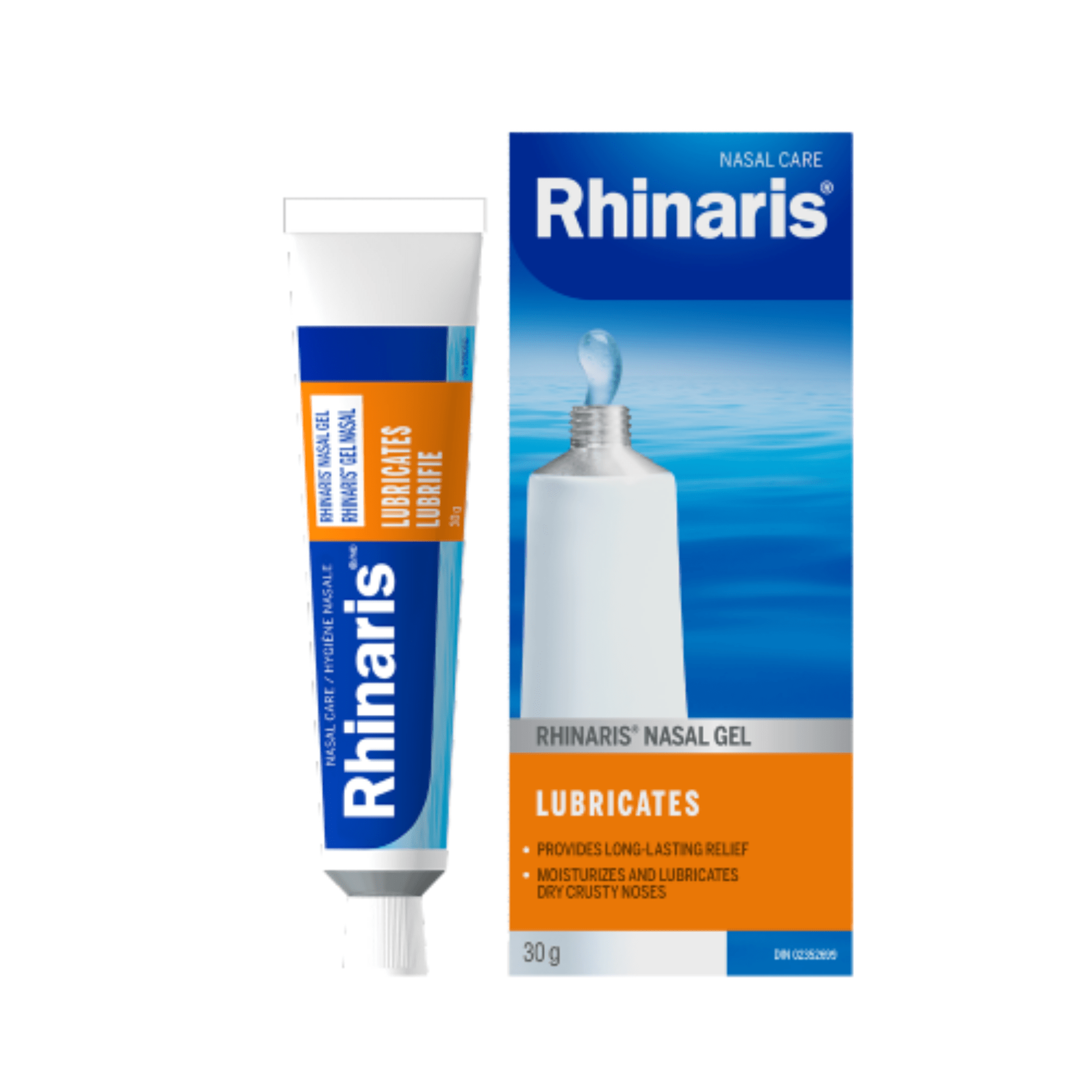
Rhinaris Nasal Gel
Buy Rhinaris Nasal Gel Online
Secure Encrypted Payments
Rhinaris Nasal Gel is a lubricating nasal moisturizer used for dry, irritated nasal passages. It can be bought online with US delivery from Canada, and you can choose the quantity shown during ordering to match your routine and product directions. The gel works locally inside the nose to coat dry tissue, soften crusting, and support more comfortable breathing.
This product is often considered by people dealing with low humidity, winter air, heated rooms, air conditioning, frequent nose blowing, CPAP use, or oxygen therapy. It is not a treatment for every cause of nasal discomfort, so persistent bleeding, pain, swelling, or signs of infection should be assessed by a healthcare professional.
Price, Quantity, and Ordering
You can buy Rhinaris nasal gel online and view the current Rhinaris nasal gel price during checkout. Product cost may vary by quantity, supplier packaging, and ordering preferences, so the cart is the best place to see the exact out-of-pocket total before completing an order. If you pay cash or are managing household health costs without insurance coverage, choosing the right quantity can help you plan ahead for dry seasons.
Rhinaris Nasal Gel is commonly supplied as a nasal gel tube, including 30 g packaging in many retail settings. Packaging can vary by source, so match the tube size shown at ordering with your expected use. A small amount is generally used at a time, which makes it practical for home, work, travel, or bedside use.
Orders are processed through licensed pharmacy channels. For logistics, prompt, express shipping may be available, depending on the order and destination. Keep the product in its original packaging until use so the label directions, lot information, and ingredient details remain easy to find.
What Rhinaris Does for Dry Nasal Passages
Rhinaris lubricating nasal gel helps moisturize and lubricate the lining inside the front of the nose. The gel forms a light protective layer over dry nasal mucosa, which is the delicate tissue lining the nasal passages. That coating can reduce the scratchy feeling that comes with crusting, dryness, and repeated irritation.
Dry nasal passages can happen for many reasons. Common triggers include dry indoor air, cold weather, airplane cabins, allergy irritation, colds, decongestant use, oxygen therapy, and CPAP airflow. A nasal lubricant gel Rhinaris product does not correct every underlying trigger, but it can make the irritated surface feel less dry and easier to clear gently.
People who experience minor nosebleeds from dryness sometimes use a nasal moisturizer as part of their routine. If bleeding is heavy, keeps returning, follows an injury, or happens with blood-thinning medicines, seek medical guidance. You can also read more about dryness-related symptoms in our nasal dryness and nosebleeds condition information.
How to Use the Nasal Gel
Use Rhinaris gel nasal product according to the package directions or the instructions given by your clinician. Standard use is to place a small amount inside each nostril as needed, often focusing on the front part of the nasal cavity rather than pushing product deeply into the nose. A pea-sized amount is usually enough to start, and applying a thin layer helps reduce messiness.
Wash your hands before application. You may use a clean fingertip or cotton swab to spread the gel gently along the inside edge of each nostril. If crusting is present, blow your nose gently first, but avoid forceful blowing that can restart irritation or bleeding.
- Apply a thin layer rather than filling the nostril.
- Keep the tube tip clean and avoid touching it to irritated tissue.
- Do not share the tube with another person.
- Replace the cap promptly after each use.
- Stop and ask for help if stinging, swelling, or bleeding worsens.
If you also use a medicated nasal spray, apply the medicine first unless your clinician instructs otherwise. Waiting a few minutes before using a moisturizer may help avoid diluting or wiping away the medication. This spacing can be especially useful with steroid sprays, decongestants, or other intranasal treatments.
Can You Use It Every Day?
Many people use nasal moisturizers daily during dry weather, with CPAP, or while exposed to indoor heat. Daily use should still be light and guided by the label, because applying too much product or inserting it too deeply can cause irritation. If dryness returns quickly after each application, consider whether your environment, nasal sprays, allergies, or airflow equipment may be contributing.
A humidifier, adequate fluid intake, and gentle saline rinses may support comfort for some people. If symptoms continue despite regular moisturizing, a clinician may need to check for allergies, infection, medication effects, structural nasal problems, or recurrent dryness from oxygen or CPAP settings. Browse related items and supportive care categories in Ear Nose Throat if you are building a broader nose-care routine.
Quick tip: Keep a tube near the place dryness happens most, such as your CPAP setup or travel bag.
Who May Benefit
Rhinaris nasal lubricant gel may suit adults and older children who have dry, crusty, or sore nasal passages. It can be useful for people in dry climates, those who spend long hours in heated or air-conditioned rooms, and anyone whose nose becomes tender after frequent blowing during colds or allergy seasons. It is also commonly considered by people who use CPAP or oxygen and need added surface moisture.
Ask a healthcare professional before using nasal gel in young children, during pregnancy or breastfeeding, after recent nasal surgery, after cauterization, or when the inner nose has open wounds. A moisturizer can feel soothing, but it should not delay care for persistent pain, fever, pus-like drainage, facial swelling, or repeated nosebleeds.
Do not use the product if you know you are allergic or sensitive to any ingredient. Check the carton and tube before first use, especially if you have reacted to nasal products, fragrances, preservatives, or topical lubricants in the past.
Side Effects, Warnings, and Interactions
Most people tolerate a nasal lubricating gel well when it is used lightly and only inside the front nasal passages. Possible side effects include brief burning, stinging, sneezing, runny nose, a temporary change in smell or taste, or local irritation. These effects are usually mild, but they should not be ignored if they persist or worsen.
Stop using the gel and seek urgent medical care if you develop signs of an allergic reaction, such as rash, swelling of the face or throat, wheezing, or trouble breathing. Contact a clinician if you have heavy bleeding, repeated bleeding, worsening pain, crusting with foul odor, fever, or symptoms after a nasal injury. These can signal a problem that needs more than moisturizing care.
Topical nasal moisturizers have few known drug interaction concerns because they work locally. Still, spacing them from medicated sprays is sensible. If you use nasal steroids, antihistamine sprays, decongestants, or prescription nasal medicines, ask how to sequence them so each product can work as intended.
- Avoid applying to broken tissue unless a clinician approves.
- Do not insert applicators deep into the nose.
- Use extra caution after nasal procedures.
- Keep the tube clean to reduce contamination risk.
- Discuss recurring nosebleeds if you take anticoagulants or antiplatelet medicines.
Storage and Travel
Store the tube at room temperature, away from direct heat and sunlight. Keep the cap tightly closed so the gel does not dry out or become contaminated. Do not freeze the product, and keep it out of reach of children and pets.
Rhinaris nasal gel is portable and can be useful during airplane travel, hotel stays, winter trips, or dry workplace conditions. Keep it with other personal-care items, and avoid leaving it in a hot car. If you travel with several nasal products, keep each one labeled so you do not confuse a moisturizer with a medicated spray.
When carrying products across borders or through airport screening, original packaging can help identify the item quickly. This is especially practical if you also carry CPAP supplies, oxygen-related equipment, allergy medicines, or other ear, nose, and throat products sourced from Canada.
How It Compares With Other Nasal Options
A nasal gel is different from a saline spray. Saline sprays and rinses add moisture and help loosen mucus, but they may not leave the same protective coating as a gel. Rhinaris Nasal Gel is often chosen when a person wants longer surface contact in the front of the nostrils, especially when crusting or soreness is the main problem.
Oil-based nasal products may feel different from water-based or gel moisturizers. Some people prefer oil-based options because they coat the tissue differently, while others prefer a gel because it is easy to place exactly where dryness occurs. If you use oxygen therapy, CPAP, or have a history of nasal procedures, ask a clinician which type of moisturizer is safest for your situation.
Allergy medicines address inflammation, sneezing, congestion, or itching when allergies are the driver. A moisturizer does not replace an allergy treatment when inflammation is active, but it may support comfort when dryness accompanies allergy symptoms. The right choice depends on whether your main issue is dryness, congestion, dripping, itching, bleeding, or a combination of symptoms.
Practical Cost-Saving Considerations
The Rhinaris nasal gel cost is easiest to judge after selecting the quantity you want and viewing the cart total. Because nasal dryness often follows seasonal patterns, some people plan ahead before winter, allergy season, or extended travel. Keeping a spare tube may prevent uncomfortable gaps, but only buy quantities you expect to use before the product expires.
Cash-pay and self-pay customers often look at per-tube cost, delivery fees, and household needs together. If more than one person in your home needs a nasal moisturizer, each person should have a separate tube to reduce contamination risk. Do not share applicators or apply gel from the same tube directly to irritated tissue.
A lower price should not be the only decision point. Consider packaging, ingredient suitability, your history of reactions, and whether your symptoms need medical evaluation. If dryness is linked to recurrent nosebleeds, ongoing pain, or airflow equipment, professional advice can help you avoid repeated trial and error.
When to Ask a Clinician
Ask for medical guidance if nasal dryness is severe, lasts despite regular moisturizing, or comes with symptoms beyond simple irritation. Nosebleeds that are frequent, hard to stop, or associated with dizziness need prompt evaluation. New crusting after surgery or cauterization should also be discussed before applying products inside the nose.
It is also reasonable to ask whether your current medicines may be worsening dryness. Some nasal sprays, oral decongestants, antihistamines, and environmental exposures can make the nasal lining feel dry. Your clinician may recommend spacing products differently, changing your routine, or assessing for conditions such as allergic rhinitis or chronic irritation.
Bring the tube or carton to your appointment if you are unsure about ingredients. Clear product identification helps your clinician or pharmacist evaluate ingredient sensitivity, use frequency, and compatibility with other nasal treatments.
Authoritative Sources
| Source | What it supports |
|---|---|
| Health Canada product record | Canadian product identification and marketed status for Rhinaris Nasal Gel |
| Rhinaris product information | Manufacturer product description for moisturizing and lubricating nasal passages |
| Pendopharm | Company information for the Rhinaris brand |
This content is for informational purposes only and is not a substitute for professional medical advice.
Express Shipping - from $29.99
Prices:
- Dry-Packed Products $29.99
- Cold-Packed Products $39.99
Shipping Countries:
- United States (all contiguous states**)
- Worldwide (excludes some countries***)
Standard Shipping - $19.99
Shipping with this method takes 5-10 days
Prices:
- Dry-Packed Products $19.99
- Not available for Cold-Packed products
Shipping Countries:
- United States (all contiguous states**)
- Worldwide (excludes some countries***)
What does Rhinaris Nasal Gel do?
Rhinaris Nasal Gel moisturizes and lubricates dry nasal passages. It coats the front lining of the nose, which may help reduce crusting, soreness, and discomfort from dry air, frequent blowing, CPAP, or oxygen use.
How do you use Rhinaris Nasal Gel?
Apply a small amount inside each nostril as directed on the package. Use clean hands or a cotton swab, spread it gently near the front of the nasal passages, and avoid pushing product deep into the nose.
Can Rhinaris Nasal Gel be used every day?
Many people use nasal moisturizers daily during dry seasons or with airflow equipment. Use a light amount and follow the label. If dryness, pain, or bleeding continues, ask a healthcare professional to check for other causes.
Are there side effects of nasal gel?
Possible effects include brief stinging, burning, sneezing, runny nose, or local irritation. Stop using it and seek care if you have swelling, rash, trouble breathing, heavy bleeding, worsening pain, or signs of infection.
Can I use Rhinaris Nasal Gel with nasal sprays?
It is often best to use medicated nasal sprays first, then wait a few minutes before applying a moisturizer. Ask your clinician or pharmacist how to space steroid, antihistamine, decongestant, or other nasal medicines.
Rewards Program
Earn points on birthdays, product orders, reviews, friend referrals, and more! Enjoy your medication at unparalleled discounts while reaping rewards for every step you take with us.
You can read more about rewards here.
POINT VALUE
How to earn points
- 1Create an account and start earning.
- 2Earn points every time you shop or perform certain actions.
- 3Redeem points for exclusive discounts.
You Might Also Like
Select options
This product has multiple variants. The options may be chosen on the product page
Select options
This product has multiple variants. The options may be chosen on the product page
Select options
This product has multiple variants. The options may be chosen on the product page
Select options
This product has multiple variants. The options may be chosen on the product page