
Shipping with this method takes 3-5 days
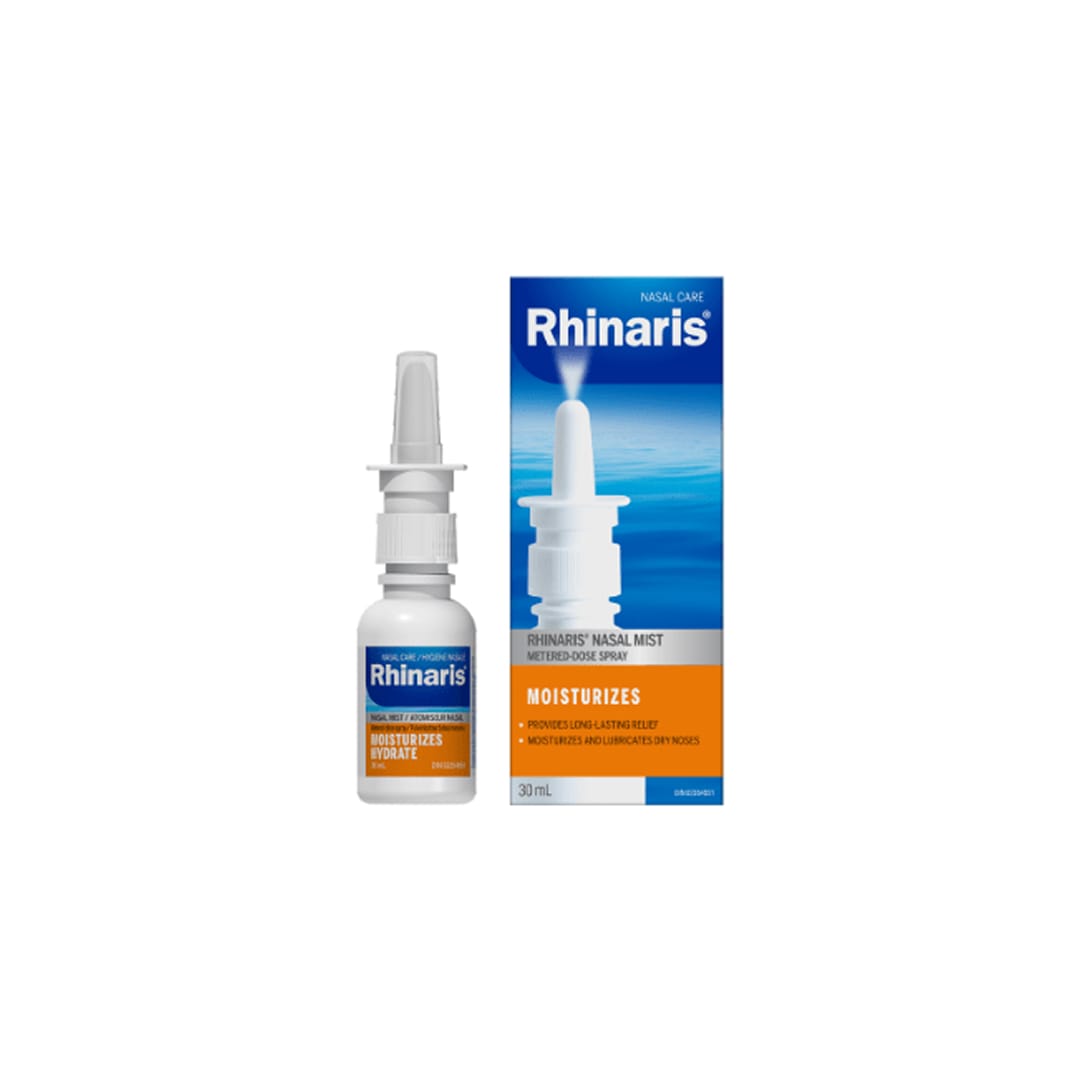
Rhinaris Nasal Mist
Buy Rhinaris Nasal Mist Online
Secure Encrypted Payments
Buy Rhinaris Nasal Mist for Dry Nasal Passages
Rhinaris Nasal Mist is a moisturizing nasal lubricant used inside the nostrils to help relieve dry, crusty, or irritated nasal passages. It can be bought online for nasal dryness, and you can choose the size and quantity shown during ordering to match the directions on the package or guidance from a healthcare professional.
This mist is non-medicated and works locally by coating the nasal lining with moisture-holding lubricants. It is not a decongestant spray that shrinks swollen blood vessels, and it is not a steroid spray used for allergic inflammation. That distinction matters because dryness, crusting, and tenderness can feel like congestion even when the main problem is a lack of moisture.
BorderFreeHealth offers US delivery from Canada for eligible orders through licensed pharmacies. Current pricing should be considered together with bottle size, quantity, and the instructions you plan to follow. If your symptoms are mainly blockage, facial pressure, fever, or worsening pain, a nasal moisturizer may not be the right first step.
Price, Quantity, and Ordering Details
The Rhinaris Nasal Mist price can vary with supply, package size, and the quantity selected. Use the current amount shown during checkout as the practical cash-pay reference, rather than assuming a fixed cost from search results or past purchases. If you are buying without insurance, compare the total order amount with how often you expect to use the mist during dry seasons, travel, or CPAP-related dryness.
When ordering, select the available quantity that fits your expected use and storage needs. A portable mist can be convenient for home, office, or travel, but each bottle should remain for one person only. Sharing a nasal spray bottle can spread germs, even when the formula is non-medicated.
The order process may include basic patient and shipping information so the supplying pharmacy can process the request safely. If logistics details are provided after purchase, they may include prompt, express shipping information when applicable. Availability of a specific package presentation can change with pharmacy supply, so the current order screen is the best place to confirm what is being purchased.
Quick tip: Choose a quantity you can use before the labelled expiry date.
What Rhinaris Nasal Mist Is Used For
Rhinaris Nasal Mist uses include moisturizing dry nasal passages, softening crusts, and easing irritation caused by dry indoor air, air conditioning, heated rooms, airplane cabins, high altitude, or seasonal humidity changes. It may also help when the nose feels stuffy because the lining is dry rather than swollen. The mist is intended for local comfort, not for treating bacterial infection, severe allergies, or sinus disease.
Some people use a moisturizing nasal spray when dryness occurs with CPAP or oxygen therapy, though device-related symptoms should be discussed with the clinician managing that equipment. The mist may make thick secretions feel less irritating in some cases of post-nasal drip, which means drainage running down the throat. It does not replace treatment for infection, uncontrolled allergies, or persistent sinus inflammation.
If sneezing, itching, watery discharge, and seasonal triggers are the main pattern, allergy-related care may be more relevant. The Allergic Rhinitis section can help you understand how allergy symptoms differ from simple nasal dryness. If blocked breathing is the main concern, the Nasal Congestion section can help frame related product choices.
Ingredients and How the Mist Works
Rhinaris Nasal Mist ingredients include polyethylene glycol and propylene glycol, which are used as moisture-holding lubricants. These ingredients help coat and soften dry areas inside the nose. The mist is designed for the nasal lining, so systemic exposure is expected to be low when it is used as directed.
Always read the carton and bottle before use because inactive ingredients, package wording, and instructions can change. Avoid the product if you have had a reaction to any listed ingredient unless a healthcare professional has told you it is appropriate. A brief tingle can happen when the lining is cracked or very dry, but ongoing burning or worsening irritation deserves medical attention.
Rhinaris Mist nasal spray is different from saline spray, although both may be used for nasal comfort. Saline is primarily salt water for moistening or loosening mucus. Rhinaris uses lubricating ingredients that may feel more coating than a simple saline mist. Neither type should be treated as a substitute for a medicated spray when a clinician has recommended one for allergy, infection, or inflammation.
How to Use Rhinaris Nasal Mist
Rhinaris Nasal Mist dosage should follow the package directions or instructions from a healthcare professional. Many moisturizing nasal mists are used as needed for dryness, often with gentle sprays in each nostril, but more frequent use is not automatically better. If the lining feels raw, forceful spraying or overuse can add irritation.
- Gently blow your nose before using the mist.
- Remove the cap and hold the bottle upright.
- Place the nozzle just inside one nostril.
- Aim slightly outward, away from the middle wall of the nose.
- Press the pump while breathing in gently.
- Repeat on the other side if needed.
- Wipe the nozzle and replace the cap after use.
Do not push the nozzle deep into the nostril. Avoid touching the tip with your fingers, and do not let it rest against irritated tissue longer than needed. If the nozzle touches the inside of the nose, wipe it clean with a tissue after use. Do not rinse the tip under tap water unless the label specifically says that this is acceptable.
A caregiver should help young children use nasal products safely. The child should be calm and upright, and the spray should be gentle. If a child has frequent nosebleeds, thick colored discharge, fever, ear pain, or breathing trouble, seek medical advice rather than relying on a moisturizing mist alone.
Daily Use, Timing, and What to Expect
Many people ask whether Rhinaris can be used every day. Follow the label; daily use may be reasonable for some people during dry weather or indoor heating, but ongoing symptoms should not be ignored. A nasal moisturizer should make dryness feel more comfortable, not create a need for heavier or more frequent use to control worsening irritation.
Relief may feel quick because the mist directly wets and lubricates the nasal lining. Longer-term comfort depends on the reason for dryness. Low humidity, dehydration, dust exposure, allergies, CPAP airflow, and certain medications can all affect the nose. If symptoms improve when humidity improves, you may need the mist only during specific seasons or settings.
Rhinaris Nasal Mist reviews can be useful for understanding texture, scent, or convenience, but they cannot predict your response. Personal reviews may also mix up different Rhinaris products, including medicated allergy or congestion products. Base your decision on the current label, your symptom pattern, and any medical advice you have received.
Why it matters: Persistent one-sided crusting, pain, or bleeding should not be dismissed as ordinary dryness.
Side Effects, Warnings, and When to Get Help
Rhinaris Nasal Mist side effects are usually local and short-lived. Mild stinging, sneezing, a runny nose, a temporary taste in the throat, or brief irritation can occur after spraying. These effects may be more noticeable when the nasal lining is already cracked, inflamed, or very dry.
- Mild stinging or tingling after application
- Sneezing shortly after spraying
- Temporary runny nose
- Drip into the throat or a mild taste
- Local irritation with overuse or sensitivity
Stop using the mist and ask for medical advice if burning continues, irritation worsens, or new symptoms appear. Seek care for frequent nosebleeds, severe facial pain, fever, thick discharge with an unusual color, swelling, signs of infection, or suspected contamination of the bottle. Recent nasal surgery, nasal injury, or chronic sinus disease also deserves individualized guidance before routine use.
Questions about Rhinaris Nasal Mist pregnancy use should be directed to a healthcare professional, especially if you are using other nasal products or have pregnancy-related congestion. Because this product is applied locally and is non-medicated, major whole-body effects are not expected when it is used as directed, but ingredient sensitivity and symptom cause still matter.
Interactions and Product Mix-Ups to Avoid
Interaction risk is generally low because Rhinaris nasal spray acts locally as a lubricant. If you also use a medicated nasal spray, spacing products by several minutes may help avoid washing away the medicine. Follow the sequence given by your clinician or the instructions on each package.
Do not confuse Rhinaris Nasal Mist with products that have similar names but different active ingredients. Ryaltris, for example, is a prescription nasal spray that contains steroid and antihistamine ingredients. Rhinaris Nasal Mist is used for lubrication and dryness, not as a substitute for allergy-control medicines, steroid sprays, antibiotics, or decongestants.
Medicated decongestant sprays can cause rebound stuffiness if used too long, depending on the active ingredient. A moisturizing nasal lubricant is not considered addictive in that way. Still, needing any nasal product constantly can be a sign that the underlying cause needs reassessment.
Forms, Storage, and Travel Handling
Rhinaris Nasal Mist is commonly sold as a portable nasal mist bottle, and current package information should be read before use. The label is the best source for bottle size, lot number, expiry date, ingredient list, and handling instructions. Do not use the product if the liquid looks abnormal, the bottle is damaged, or the expiry date has passed.
Store the bottle at room temperature with the cap secured. Keep it away from direct sunlight, excessive heat, and freezing temperatures. The bottle should stay out of reach of children and pets. Good storage protects the quality of the mist and reduces the chance of nozzle contamination.
When traveling, keep the bottle upright in a small sealed bag to reduce leaks. Check airline liquid rules if carrying personal care items in hand luggage. For customers who prefer country-specific browsing, the Canada attribute section may help identify items associated with Canadian supply.
How It Compares With Other Nasal Moisture Products
Rhinaris moisturizing nasal mist is one option among several products for nasal dryness. A fine mist can be convenient during the day because it is light, quick, and portable. Gels may leave a thicker coating, which some people prefer overnight, while others dislike the heavier feel.
| Product type | Typical role | Practical consideration |
|---|---|---|
| Moisturizing mist | Light lubrication for dry nasal passages | Often convenient for daytime use |
| Saline spray | Moistening and loosening mucus | May feel lighter and less coating |
| Nasal gel | Longer coating for stubborn dryness | May feel thicker in the nostril |
| Medicated spray | Allergy, inflammation, or congestion treatment | Use depends on active ingredient and diagnosis |
Saline rinses can help some people with mucus buildup, but larger-volume rinses require careful water safety and device cleaning. Oil-based lubricants may feel soothing for stubborn crusting, yet they are not suitable for every person. If symptoms include pressure, fever, worsening pain, or persistent one-sided discharge, product switching is not enough.
For broader browsing, the Ear Nose Throat category includes related nasal care products. Use symptom pattern as the starting point: dryness and crusting suggest lubrication; itching and watery discharge suggest allergy evaluation; strong blockage or facial pain may need medical review.
Authoritative Sources
Official brand information is available from Official product information.
Health Canada product status can be checked through the Drug and Health Product Register record.
This content is for informational purposes only and is not a substitute for professional medical advice.
Express Shipping - from $29.99
Prices:
- Dry-Packed Products $29.99
- Cold-Packed Products $39.99
Shipping Countries:
- United States (all contiguous states**)
- Worldwide (excludes some countries***)
Standard Shipping - $19.99
Shipping with this method takes 5-10 days
Prices:
- Dry-Packed Products $19.99
- Not available for Cold-Packed products
Shipping Countries:
- United States (all contiguous states**)
- Worldwide (excludes some countries***)
What is Rhinaris Nasal Mist used for?
Rhinaris Nasal Mist is used to moisturize and lubricate dry nasal passages. It may help soften crusts and ease irritation from dry air, heated rooms, air conditioning, travel, high altitude, or other dryness triggers. It is not a treatment for infection, severe allergy symptoms, or sinus disease.
Can Rhinaris Nasal Mist be used every day?
Follow the directions on the package or guidance from a healthcare professional. Some people use a moisturizing nasal mist daily during dry seasons, but worsening irritation, frequent nosebleeds, pain, or persistent one-sided symptoms should be medically assessed.
What are the ingredients in Rhinaris Nasal Mist?
The current product information describes polyethylene glycol and propylene glycol as moisture-holding lubricants. Read the package before use because inactive ingredients and labeling can change. Avoid use if you have a known sensitivity to a listed ingredient unless a clinician says it is appropriate.
Is Rhinaris Nasal Mist the same as Ryaltris?
No. Rhinaris Nasal Mist is a nasal lubricant for dryness. Ryaltris is a different nasal spray with steroid and antihistamine ingredients used for allergy symptoms. Do not substitute one nasal product for another without checking the active ingredients and intended use.
What side effects can Rhinaris Nasal Mist cause?
Possible side effects include brief stinging, sneezing, temporary runny nose, throat drip, taste, or local irritation. Stop using it and seek medical advice if burning persists, symptoms worsen, bleeding becomes frequent, or signs of infection appear.
Can Rhinaris Nasal Mist help a stuffy nose or post-nasal drip?
It may help if the stuffy feeling or throat irritation is related to dryness or thick secretions. It does not shrink swollen nasal tissue or treat infection, severe allergies, or sinus inflammation. Persistent congestion, fever, facial pain, or colored discharge should be assessed by a healthcare professional.
Rewards Program
Earn points on birthdays, product orders, reviews, friend referrals, and more! Enjoy your medication at unparalleled discounts while reaping rewards for every step you take with us.
You can read more about rewards here.
POINT VALUE
How to earn points
- 1Create an account and start earning.
- 2Earn points every time you shop or perform certain actions.
- 3Redeem points for exclusive discounts.
You Might Also Like
Select options
This product has multiple variants. The options may be chosen on the product page
Select options
This product has multiple variants. The options may be chosen on the product page
Select options
This product has multiple variants. The options may be chosen on the product page
Select options
This product has multiple variants. The options may be chosen on the product page