Key Takeaways
- Oral doxycycline is usually used for inflammatory acne, not blackheads alone.
- It’s often paired with topical care to prevent relapse.
- Sun sensitivity, stomach upset, and irritation can occur.
- Duration and follow-up plans matter as much as the first refill.
Overview
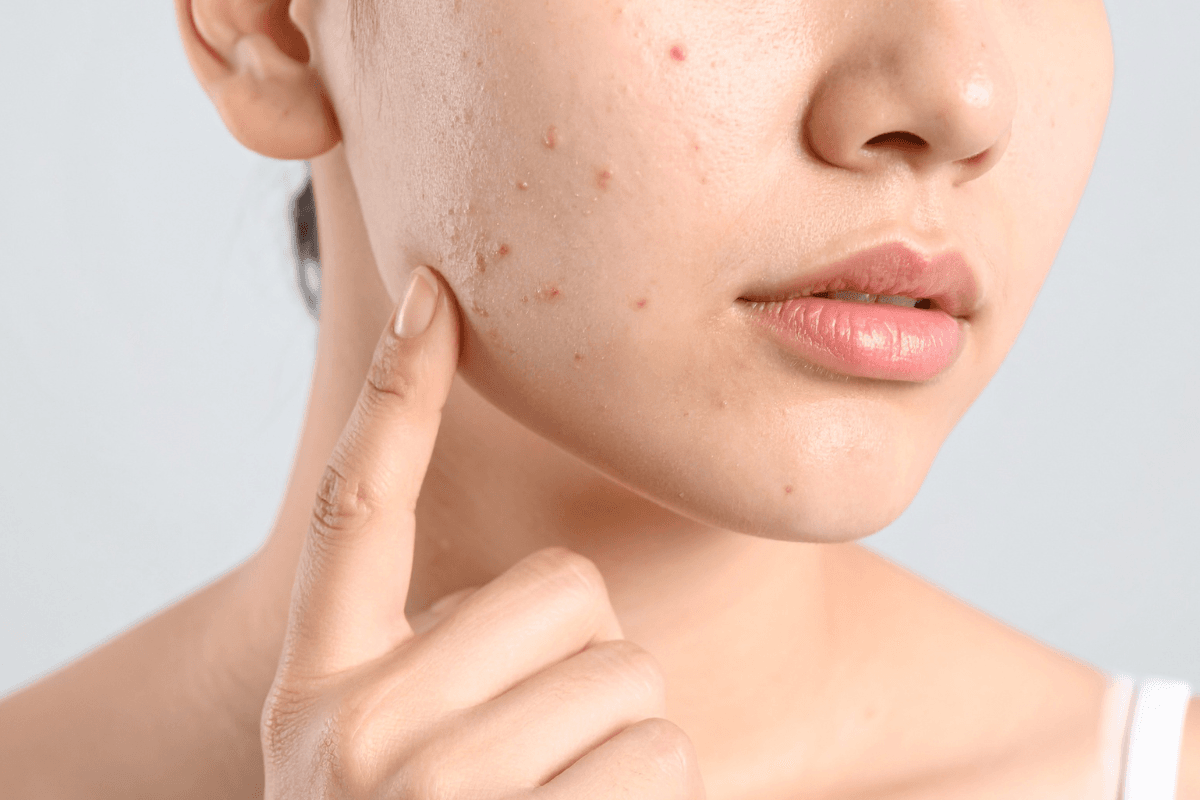
Acne can be painful, visible, and relentless. When breakouts are inflamed, widespread, or scarring, your clinician may discuss doxycycline hyclate acne as one option among several. It’s an oral antibiotic in the tetracycline class that can reduce acne-driving bacteria and calm inflammation. This article explains what it is, why it’s prescribed, what people commonly notice early on, and how to talk through risks in plain language.
You’ll also learn how to read online “before and after” stories with a critical eye, what side effects deserve extra caution, and what to prepare for appointments. BorderFreeHealth works with licensed Canadian partner pharmacies for dispensing.
Doxycycline Hyclate Acne: When It’s Considered
Oral antibiotics are typically reserved for moderate to severe inflammatory acne. That includes red bumps (papules) and pus-filled lesions (pustules), and sometimes deeper nodules. If most of your acne is clogged pores (comedones), topical options are often discussed first. Your clinician is weighing impact, scarring risk, and how much your skin is affecting daily life.
It also helps to name the goals out loud. For many people, the goal is fewer painful flares while topical routines “catch up.” For others, it is to create a calmer baseline before switching to a maintenance plan. If you’re still learning the basics, start with What Is Acne and the broader treatment overview in How To Treat Acne.
Core Concepts
There’s a lot of noise online about oral antibiotics for acne. It can sound like they either “fix everything” or “ruin your gut.” The truth is more nuanced. Understanding how doxycycline is used, and where it fits, can make your next decision feel steadier.
What Doxycycline Targets (And What It Doesn’t)
Acne is not just “dirty skin.” It’s a condition driven by oil (sebum) changes, clogged pores, inflammation, and bacteria living in follicles. Doxycycline is used primarily for its antibacterial and anti-inflammatory effects. That means it can be most helpful when redness, tenderness, and swelling are part of the picture.
It does not dissolve clogged pores by itself. That’s why clinicians often pair oral antibiotics with topical therapies that address pore blockage. For prevention-minded routines that support long-term control, read How To Prevent Acne.
How Long For It To Work, And The “Purge” Question
People often search for a clear timeline, then get frustrated when results aren’t immediate. Early changes can be subtle. Some notice fewer new inflamed spots before they notice fading of older marks. Others see ups and downs that feel like “two steps forward, one back.” Photos taken weekly in consistent lighting can be more reliable than memory.
You may also see discussions about an “acne purging stage.” Purging is more classically linked to topical retinoids, which speed up cell turnover, bringing clogs to the surface sooner. With doxycycline, early worsening is less straightforward and may reflect normal fluctuation, irritation from a new routine, or stopping other treatments. If breakouts sharply worsen or you feel unwell, that deserves a timely check-in.
Why it matters: Expectation-setting can prevent unnecessary medication changes and stress.
How Long Can You Take It, And Why Duration Matters
Many readers want a simple answer to “how long can you take doxycycline for acne.” In practice, duration is individualized. Clinicians generally aim to use oral antibiotics for the shortest reasonable time, then transition to a maintenance plan. This approach is meant to reduce side effects and limit antibiotic resistance (when bacteria adapt and become harder to treat).
Ask your prescriber what the “step-down” plan is before you start. That might include continuing a topical retinoid, adding benzoyl peroxide, or addressing triggers like friction, sweat, and comedogenic products. If your acne affects the body as much as the face, the pattern can matter. See Back And Butt Acne and Chest Acne Care for practical context.
How To Take It Safely: Habits That Reduce Common Problems
Most problems people report are not “mystery reactions.” They’re often predictable effects of antibiotics on the stomach and esophagus. Your prescription label and pharmacist instructions should be your primary guide. Still, it helps to know what questions to ask so you can follow directions correctly.
Common safety themes include taking the dose with enough water, staying upright for a period afterward to reduce esophageal irritation, and separating it from certain minerals. Calcium, iron, magnesium, and aluminum (often found in supplements and antacids) can bind doxycycline and reduce absorption. Dairy can matter for some tetracyclines as well, depending on the product. If you use daily supplements, bring the list to your visit so timing is clear.
Doxycycline Side Effects, Sun Sensitivity, And Red Flags
Doxycycline side effects can range from annoying to serious. Many people report nausea, heartburn, stomach upset, diarrhea, or vaginal yeast infections. Some notice headaches or dizziness. Another common issue is photosensitivity (sun sensitivity), where you burn more easily or develop a rash after sun exposure. That risk can feel unfair if acne already affects confidence.
More urgent concerns are rare, but they matter. Severe allergy signs (hives, facial swelling, trouble breathing), persistent severe headache with vision changes, or intense abdominal pain need prompt medical evaluation. Also mention any history of esophagitis (esophagus irritation), swallowing problems, liver disease, or inflammatory bowel disease to your clinician. If you are pregnant, trying to conceive, or breastfeeding, ask specifically about safety, because tetracyclines have important restrictions in some populations.
Some people search “doxycycline weight loss reviews” after noticing appetite or stomach changes. Weight loss is not a typical intended effect. If nausea reduces your intake or GI symptoms persist, that’s a reason to revisit the plan rather than “push through.”
Hyclate Vs Monohydrate: What The Name Change Can Mean
“Hyclate” and “monohydrate” refer to different salt forms of doxycycline. They contain the same active drug, but they can differ in tablet/capsule formulation and how the medicine feels in the stomach for some people. Online forums sometimes frame this as one being “better,” but tolerability is personal.
If you had heartburn, nausea, or trouble swallowing with one form, tell your prescriber and pharmacist. Also mention whether you are taking it with other acne medications that can irritate skin or the GI tract. The goal is a regimen you can follow consistently, not a perfect plan you avoid because it feels miserable.
Practical Guidance
If you’re considering doxycycline, prepare for a short, focused conversation. Bring photos of your worst flares, a list of current products, and any supplements. If you are getting care through a cross-border service model such as Ships from Canada to US, keep your prescriber’s contact details handy in case verification is required. Prescriptions are confirmed with your prescriber before medication is dispensed.
For doxycycline hyclate acne discussions, these prompts can keep the visit concrete and less overwhelming: What type of acne do you think this is (inflammatory, comedonal, hormonal pattern)? What is the plan to prevent rebound after stopping? What side effects are most likely for my history? What should I do if I miss doses, have heartburn, or develop a sun rash? If you also use topical prescriptions, ask how to layer them to reduce irritation. Some people also browse options their clinician may mention, such as Retin-A Cream 0.05 or Winlevi, to recognize names during counseling.
- Track triggers: sleep, stress, cycle, products.
- Protect skin: shade, hats, sunscreen planning.
- Time minerals: antacids and supplements can interfere.
- Support routine: gentle cleanser and moisturizer help.
- Document changes: weekly photos, same lighting.
Quick tip: Keep a one-page list of meds and supplements.
Compare & Related Topics
Oral antibiotics are only one lane in acne care. Topical routines can be enough for many people, especially when breakouts are mostly clogged pores. For others, hormones play a major role. If you notice jawline flares tied to cycles, irregular periods, or excess hair growth, it may be worth reading PCOS Symptoms Guide and What Is Hirsutism before your next visit. It can help you describe the full pattern, not just today’s breakout.
If doxycycline hyclate acne treatment doesn’t seem to help, that doesn’t automatically mean you “failed.” It may mean the diagnosis needs refinement, the regimen needs better maintenance, or another pathway is driving inflammation. Options your dermatologist might discuss include topical anti-androgens, retinoids, or isotretinoin for severe cases. Separate from clearing active lesions, many people also need support for marks and texture. The overview in Acne Scars Help explains common categories of scarring and why early control matters. Cash-pay access can help people without insurance manage prescription costs.
If you want to understand what’s available in one place, you can browse a general Product Catalog and note questions for your prescriber. For some patients, clinicians also consider different doxycycline formulations; an example listing is Doxycyclin.
Authoritative Sources
When advice conflicts, prioritize sources that are accountable and regularly updated. Medication labeling and major medical organizations can clarify safety topics like sun sensitivity, pregnancy restrictions, and interactions with supplements.
For doxycycline hyclate acne questions that involve side effects or contraindications, compare what you read on social media with these references, then bring your questions to a licensed clinician or pharmacist.
- MedlinePlus: Doxycycline
- American Academy of Dermatology: Antibiotics For Acne
- DailyMed: U.S. Medication Labels
In the end, the best plan is one you can follow and revisit. If your skin is affecting your mood or routine, you deserve support and clear options—not judgment. This content is for informational purposes only and is not a substitute for professional medical advice.
________________________________________________________________________________________
Medically Reviewed by: Ma Lalaine Cheng.,MD.,MPH