

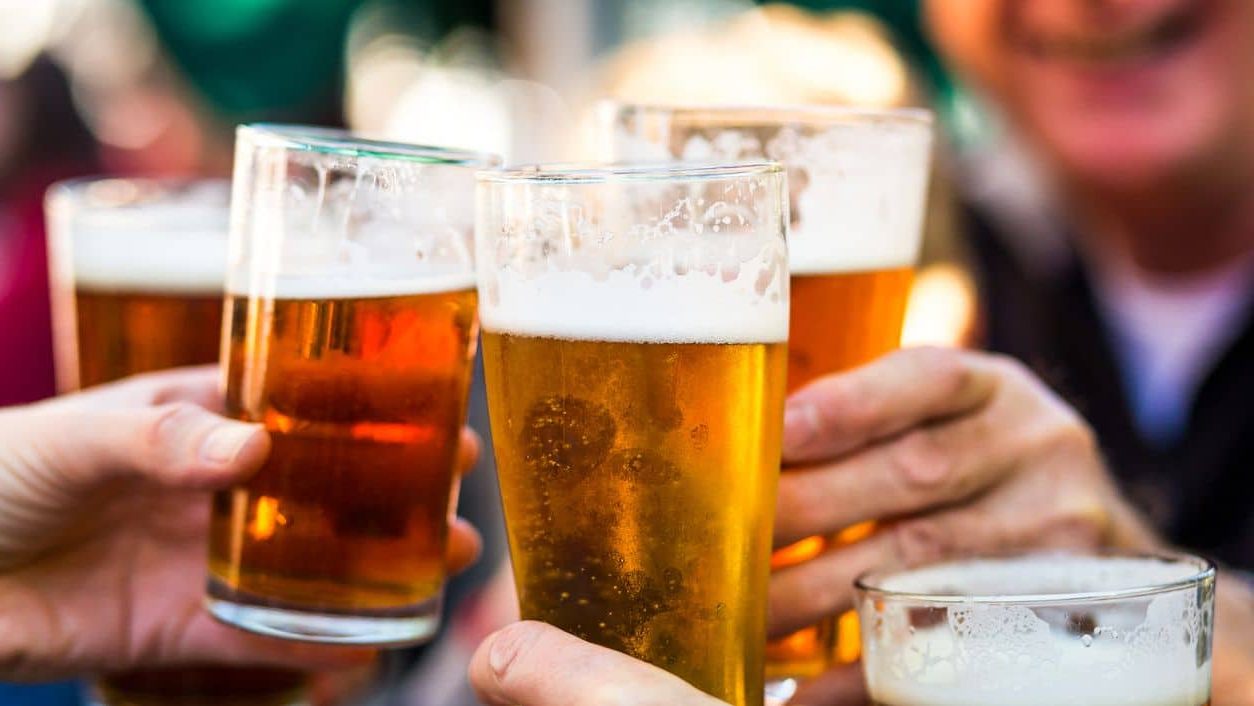
Drinking alcohol and diabetes can coexist for some adults, but alcohol needs more planning than a casual drink might suggest. Alcohol can raise or lower glucose, and it may increase hypoglycemia risk, especially with insulin or sulfonylureas. This matters because intoxication can look like a glucose emergency, and delayed lows may happen overnight or the next day.
No article can decide whether alcohol is safe for you. Your personal risk depends on your diabetes type, medicines, food intake, liver health, pregnancy status, alcohol history, and glucose patterns.
Key Takeaways
- Alcohol can make glucose less predictable, sometimes hours later.
- Insulin and sulfonylureas can raise the risk of hypoglycemia after drinking.
- Food, hydration, pacing, and monitoring matter more than drink labels alone.
- There is no universally best alcoholic drink for diabetes.
- Confusion, seizure, fainting, or repeated vomiting needs urgent care.
Drinking Alcohol and Diabetes: The Core Safety Issue
The main issue is that alcohol changes how the liver manages glucose. Your liver helps release stored glucose between meals and overnight. When alcohol is present, the liver prioritizes breaking it down. That can reduce glucose release and make hypoglycemia more likely in people who use insulin or medicines that increase insulin release.
At the same time, some drinks contain carbohydrate. Beer, sweet wine, cider, dessert drinks, and cocktails made with juice or regular soda may raise glucose at first. Later, alcohol may pull glucose downward. This up-and-down pattern is why diabetes and alcohol can feel confusing, even for people who usually understand their numbers.
This is why drinking alcohol and diabetes needs a delayed-risk mindset. A normal reading soon after a drink does not always mean the risk has passed. Some people notice changes overnight or the next morning, especially after several drinks, missed meals, extra activity, or poor sleep.
You may hear about a 3-hour rule for diabetes and alcohol. It is not a universal medical rule. For many people, it works better as a reminder that glucose can shift after the drink is finished, so monitoring should not stop as soon as the evening ends. Ask your clinician what checking pattern fits your medicines and history.
Why it matters: Alcohol symptoms can overlap with hypoglycemia symptoms, including slurred speech, sleepiness, sweating, and confusion.
Why Medication and Diabetes Type Change the Risk
Your medication plan often matters more than the type of alcohol. People using insulin have a higher hypoglycemia risk when alcohol is combined with missed food, exercise, or overnight sleep. A sulfonylurea, meaning a medicine that prompts the pancreas to release insulin, can also increase the chance of a low reading after alcohol.
Type 1 diabetes and alcohol usually need extra caution because insulin is always part of treatment. Vomiting, missed carbohydrate, dehydration, or skipped insulin can become dangerous. Some people may also need a ketone plan for sick days or vomiting, especially if glucose is high. That plan should come from a clinician, not guesswork.
Type 2 diabetes and alcohol can vary widely. Someone managing with food and activity may face different risks than someone taking insulin, sulfonylureas, or several medicines. Medicines for blood pressure, sleep, pain, anxiety, or heart conditions can also change how alcohol affects balance, alertness, dehydration, or blood pressure.
Metformin, GLP-1 medicines, SGLT2 inhibitors, and other diabetes drugs may carry their own alcohol cautions depending on the person. Heavy drinking is especially important to discuss because it can affect the liver, hydration, appetite, and medication safety. If you are sorting through several prescriptions, a general resource on Side Effects can help you organize questions for a pharmacist or prescriber.
Drink Choices: Focus on Carbs, Pace, and Context
There is no single best alcohol for diabetes. The safer choice is usually the one you understand, drink slowly, and can fit into your food and glucose plan. Labels, serving size, mixers, and the setting all matter.
Beer can contain carbohydrate, and serving size varies widely. Light beer may contain less carbohydrate than some regular beers, but the alcohol still matters. Wine may have less carbohydrate than many sweet mixed drinks, yet sweet wines can contain more sugar. Spirits may have little carbohydrate on their own, but mixers such as regular soda, juice, tonic, syrups, or sweet cocktail bases can add a large glucose effect.
A practical approach is to think in layers. First, identify the alcohol content. Second, look for carbohydrate from the drink and mixer. Third, consider what you have eaten and whether you will be active. Fourth, think about your medicines and your ability to check glucose later. These steps are more useful than treating any one drink as automatically safe.
Quick tip: If you cannot identify the mixer, assume it may contain sugar.
A Safer-Choice Checklist Before, During, and After
A practical plan treats drinking alcohol and diabetes as a preparation issue, not a willpower test. The goal is to reduce surprises and make it easier for others to help if your glucose drops or you feel unwell.
- Check your plan: Ask whether alcohol fits your medicines and history.
- Avoid an empty stomach: Food can reduce sudden glucose swings.
- Know your drink: Include mixers and serving size in your estimate.
- Monitor later: Consider overnight or next-morning risk when advised.
- Carry fast carbs: Use your clinician’s hypoglycemia plan if needed.
- Tell someone nearby: They should know alcohol can mask a low.
- Keep medical ID visible: This can help in an emergency.
- Plan transport early: Do not rely on judgment after drinking.
If you use a continuous glucose monitor, alarms can help but they do not replace a safety plan. Sensors can lag behind blood glucose, and alcohol may make symptoms harder to interpret. If readings, symptoms, and alarms do not match, follow the plan your care team gave you.
Delayed lows deserve special attention. A person may go to sleep with a reasonable number and wake up low, especially after drinking without enough food. This is one reason many diabetes educators encourage extra caution around bedtime, overnight checks when appropriate, and clear instructions for anyone sharing the room.
When Alcohol May Be the Wrong Choice
For some health situations, the safer choice may be not drinking. Alcohol is not recommended during pregnancy. It may also be unsafe for people with a history of alcohol use disorder, pancreatitis, significant liver disease, severe neuropathy, very high triglycerides, frequent hypoglycemia, or difficulty recognizing lows.
Alcohol can also make self-care harder. It may disrupt sleep, reduce judgment, increase missed meals, or lead to skipped medicines. These practical effects can matter as much as the drink itself. If you often drink more than intended, hide drinking, or feel unable to cut down, that deserves care rather than shame. The Addictions hub can help you browse related education and support topics.
Seek urgent medical help if alcohol is followed by seizure, fainting, severe confusion, trouble staying awake, repeated vomiting, chest pain, shortness of breath, or symptoms that do not improve with your usual hypoglycemia plan. If someone is unconscious or cannot swallow safely, do not give food or drink by mouth.
Can Alcohol Cause Diabetes or Make It Go Away?
Alcohol does not affect diabetes risk in only one simple way. Heavy drinking can contribute to weight changes, pancreatitis, liver problems, sleep disruption, poor nutrition, and medication nonadherence. These factors may worsen glucose control or increase metabolic risk. Still, alcohol is only one part of a larger picture that includes genetics, age, body composition, activity, other conditions, and medicines.
Stopping alcohol does not automatically make diabetes go away. Some people with type 2 diabetes can improve glucose levels with weight changes, nutrition support, activity, medication adjustments, or bariatric procedures when appropriate. Others still need ongoing treatment. If alcohol has been affecting your eating, sleep, or medication routine, cutting back may make patterns easier to understand, but follow-up testing remains important.
For broader condition education, the Diabetes hub is a helpful place to continue reading about glucose management topics.
Heart, Blood Pressure, and Other Conditions
Many adults with diabetes also manage blood pressure, cholesterol, kidney health, or heart disease risk. Alcohol can complicate those conversations because it may affect blood pressure, hydration, sleep, falls, and medication side effects. This does not mean every person has the same risk, but it does mean the full medication list matters.
If you take a beta blocker or another heart medicine, ask whether alcohol changes your dizziness, heart rate, or hypoglycemia awareness risk. For a medication-specific example, the Bystolic and Alcohol resource covers another alcohol-and-medicine question. If blood pressure is part of your care plan, Understanding High Blood Pressure can help connect the dots between numbers, symptoms, and long-term risk.
This is also a good time to review warning symptoms. Chest pain, severe shortness of breath, one-sided weakness, severe dehydration, or signs of stroke need urgent care. Do not assume symptoms are just from alcohol, especially if diabetes, heart disease, or blood pressure problems are also present.
How to Talk With Your Care Team Without Shame
The most useful alcohol conversation is honest and specific. Clinicians and pharmacists can give safer guidance when they know what you drink, how often, whether you eat with it, and what medicines you use. You do not need to minimize or exaggerate. Accurate details protect you.
Consider asking about your personal hypoglycemia risk, whether any medicines should never be combined with alcohol, what glucose range should prompt action, and what to do if vomiting occurs. If you have type 1 diabetes, ask about ketone testing and sick-day instructions. If you have kidney, liver, heart, pregnancy, or eating-disorder concerns, bring those up before drinking.
It can help to prepare a short note before the visit. Include your usual drink type, typical number of servings, timing with meals, recent glucose patterns, and any past lows after drinking. This keeps the conversation practical and reduces the chance of missed details.
Authoritative Sources
- American Diabetes Association alcohol guidance
- MedlinePlus diabetes and alcohol information
- CDC alcohol use and health overview
For many readers, drinking alcohol and diabetes sits between personal choice and medical safety. The safest next step is to understand your own risk factors, avoid drinking on autopilot, and bring specific questions to your diabetes care team.
This content is for informational purposes only and is not a substitute for professional medical advice.


