

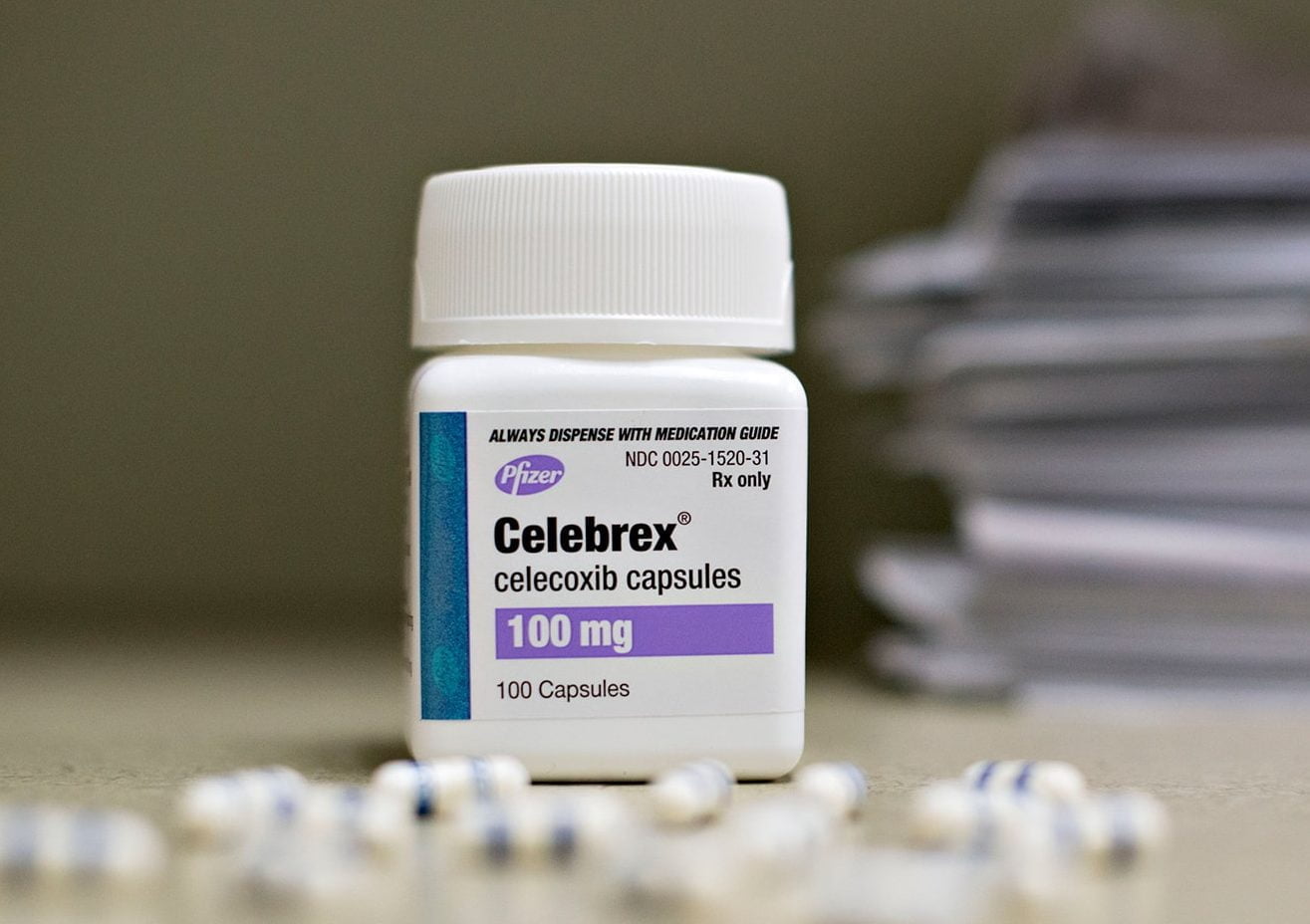
Many people feel some pain relief from Celebrex within a few hours, but steadier anti-inflammatory benefit may take several days of regular use. If you are asking how long does it take celebrex to work, the honest answer depends on the condition, dose, timing, and your personal risk factors. The goal is not just faster relief. It is safe, predictable use that fits your care plan.
Celebrex is the brand name for celecoxib, a COX-2 selective nonsteroidal anti-inflammatory drug (NSAID). It can reduce pain and inflammation, but it also carries important heart, kidney, stomach, and interaction risks.
Key Takeaways
- Early relief: Some people notice improvement within hours.
- Fuller effect: Arthritis symptoms may improve over several days.
- Duration varies: Effects often cover the intended dosing interval.
- Dosing is individual: Do not match doses to ibuprofen by milligrams.
- Safety matters: Heart, kidney, bleeding, and blood pressure risks need review.
How Celecoxib Starts Working
Celecoxib works by blocking cyclooxygenase-2, often shortened to COX-2. This enzyme helps produce prostaglandins, which are chemical signals involved in pain and inflammation. By reducing those signals, celecoxib may ease swelling, stiffness, and pain.
The pain-relieving effect can begin the same day, especially for short-term pain flares. For inflammatory problems, the change may feel slower. That is because tissue inflammation takes time to settle, even after blood levels of the medicine rise.
In practical terms, how long does it take celebrex to work has two answers. You may feel early pain relief within hours. You may need several days, and sometimes longer, to judge whether it is helping an ongoing arthritis pattern.
Why it matters: A delayed fuller effect can lead people to take extra NSAIDs, which can raise safety risks.
What to Expect: Onset, Peak, and Duration
Celecoxib reaches peak blood levels in a few hours for many adults, but peak blood level is not always the same as peak symptom relief. Pain signals may ease earlier than stiffness, swelling, or function.
Think about the timeline in three parts:
- First dose: Relief may start within several hours.
- First few days: Anti-inflammatory benefit may become more consistent.
- Ongoing use: Response should be reassessed with your clinician.
Some people describe smooth control through the dosing interval. Others notice that symptoms return before the next planned dose. That difference can reflect disease activity, timing, other medicines, sleep, weight-bearing activity, or how your body processes the drug.
Does celecoxib need to build up in your system? Not exactly like some antidepressants or disease-modifying arthritis medicines. It reaches measurable levels quickly. Still, the anti-inflammatory result can feel cumulative because irritated tissues may need repeated coverage before symptoms calm down.
If your pain is worsening, new, severe, or linked with fever, trauma, chest pain, weakness, numbness, or loss of bladder or bowel control, do not wait for an NSAID to “kick in.” Seek urgent medical evaluation.
Arthritis, Back Pain, and Sciatica Timelines
For arthritis, celecoxib may help pain before it fully improves stiffness or daily function. People with osteoarthritis often judge benefit by walking, stairs, grip, sleep, and morning movement. People with inflammatory arthritis may need a broader plan because NSAIDs do not treat the underlying immune process.
If you searched how long does it take celebrex to work for arthritis, give your prescriber clear feedback. Describe when symptoms improve, when they return, and what activities still trigger pain. This helps separate a timing issue from an inadequate response or a different diagnosis.
Back pain and sciatica can be more complicated. Sciatica usually refers to pain that travels along the sciatic nerve pathway, often from nerve irritation. NSAIDs may help when inflammation contributes to the flare, but nerve compression, muscle spasm, and mechanical triggers often need other approaches such as physical therapy, activity modification, or further assessment.
For readers comparing joint-pain options, Celebrex and Arthritis offers a deeper look at how celecoxib fits into arthritis care. For broader site navigation, the Pain and Inflammation category groups related educational resources.
When to Take It: Morning, Night, or With Food
The best time to take celecoxib depends on your symptom pattern and how well you tolerate it. Morning dosing may suit people who wake with stiffness and need daytime mobility. Evening dosing may help people whose pain disrupts sleep or returns overnight.
Consistency is often more important than the clock. Taking it at the same time each day can make symptom tracking easier. It also reduces the chance of accidental extra doses.
Food is not always required, but taking NSAIDs with food may reduce stomach upset for some people. If nausea, heartburn, or abdominal pain appears after starting celecoxib, document when it happens and discuss it with a clinician or pharmacist.
If your main question is when to take it, see When to Take Celebrex for timing considerations you can discuss at your next visit.
Dose Questions and Daily Limits
Celecoxib dosing depends on the condition being treated, your medical history, other medicines, and your prescriber’s instructions. The labeled daily amount is not the same for every use, and higher doses can increase adverse-effect risk.
People often ask whether they can take Celebrex 200 mg twice a day. That may be part of some prescribed regimens for some conditions, but it is not a universal answer. Do not increase frequency because relief is wearing off. Contact your prescriber if the plan is not controlling symptoms.
Questions about celecoxib dosage per day also need context. Age, liver function, kidney risk, heart history, blood pressure, and bleeding risk can change the benefit-risk balance. Combining celecoxib with other NSAIDs, such as ibuprofen, naproxen, or high-dose aspirin, can also raise the chance of side effects.
For more detail on label-based dose ranges and practical questions, read Celebrex Dosage. If side effects are part of your decision, Celebrex Side Effects explains common and serious warning signs in more depth.
How Long It Stays in Your System
Celecoxib leaves the body gradually over multiple half-lives. A half-life is the time it takes for the amount of a drug in the body to drop by about half. This helps explain why effects can last beyond the first few hours after a dose.
For many adults, celecoxib has a half-life of about 11 hours, though real-world clearance varies. Liver function matters because celecoxib is metabolized mainly in the liver. Certain medicines can also affect its levels.
If you are wondering how long does celebrex stay in your system, think in ranges rather than a single exact time. Drug levels decline over several days, but symptom relief may fade sooner as active levels drop. People with liver disease, older adults, and people taking interacting medicines may need more individualized guidance.
Do not stop or restart celecoxib around procedures, bleeding concerns, or new heart symptoms without medical guidance. Your clinician may give specific instructions based on why you take it and what risk is being managed.
Celebrex Compared With Ibuprofen and Other NSAIDs
Celecoxib and ibuprofen are both NSAIDs, but they are not interchangeable milligram for milligram. Celecoxib is more selective for COX-2, while ibuprofen blocks both COX-1 and COX-2. That difference can affect stomach tolerability, platelet effects, and individual risk discussions.
There is no reliable conversion for “how many ibuprofen equal one Celebrex.” A 200 mg celecoxib capsule and an 800 mg ibuprofen tablet are different drugs with different dosing schedules, durations, and precautions. Matching numbers can lead to under-treatment or unsafe duplication.
Which is stronger also depends on the person and the pain source. One person may respond well to celecoxib for knee osteoarthritis. Another may do better with a different NSAID, topical therapy, injections, physical therapy, or non-NSAID pain strategies.
If you are comparing options, avoid taking two NSAIDs together unless a clinician specifically instructs you. For related medication context, you can review Celecoxib, Naproxen, or Meloxicam as separate NSAID options to discuss with a healthcare professional.
Safety Issues That Should Shape the Plan
All NSAIDs can cause serious side effects, even when taken as directed. Celecoxib may cause or worsen high blood pressure, fluid retention, kidney problems, stomach bleeding, and cardiovascular events in some people. Risk tends to rise with higher doses, longer use, older age, and certain medical histories.
Tell your clinician if you have a history of heart attack, stroke, heart failure, kidney disease, stomach ulcers, gastrointestinal bleeding, liver disease, uncontrolled blood pressure, or aspirin-sensitive asthma. Also mention pregnancy, plans for pregnancy, and breastfeeding.
Medication interactions are a major safety issue. Blood thinners, corticosteroids, selective serotonin reuptake inhibitors (SSRIs), aspirin, ACE inhibitors, ARBs, diuretics, lithium, and methotrexate may require special review. Alcohol can also increase stomach bleeding risk when combined with NSAIDs. See Celebrex and Alcohol for more on that specific concern.
Some readers ask why celecoxib is banned. In the United States and Canada, celecoxib is not broadly banned; it remains an approved prescription medicine when used appropriately. Confusion often comes from older safety concerns around the COX-2 drug class and the withdrawal of rofecoxib, a different medicine. Celecoxib still carries boxed warnings, so risk screening remains important.
Quick tip: Keep one medication list with prescriptions, supplements, and over-the-counter pain relievers.
How Long to Take It for Inflammation
The safest general principle is to use the lowest effective dose for the shortest appropriate time, as directed by a clinician. That does not mean everyone uses celecoxib briefly. Some people with chronic arthritis use NSAIDs longer, but they usually need periodic reassessment.
Ask your healthcare professional what success should look like. Clear goals may include less morning stiffness, improved sleep, better walking tolerance, or fewer pain flares. Also ask when to report side effects and whether blood pressure, kidney function, or other labs should be monitored.
Example: A person with knee osteoarthritis may notice pain relief the first day, but swelling and function may take longer to judge. A person with suspected inflammatory arthritis may need rheumatology review because NSAIDs can ease symptoms while other medicines address the disease process.
BorderFreeHealth connects U.S. patients with licensed Canadian partner pharmacies for eligible prescriptions, and pharmacy dispensing may require prescriber verification when applicable. That access context does not replace medical review; it makes accurate prescription details and safety screening especially important.
Authoritative Sources
For label-backed details on indications, pharmacokinetics, dosing, boxed warnings, and contraindications, review the FDA celecoxib prescribing information.
For patient-friendly medication safety information, MedlinePlus provides a plain-language overview in its celecoxib drug information page.
For osteoarthritis treatment context, the American College of Rheumatology and Arthritis Foundation summarize NSAIDs within broader care in the osteoarthritis management guideline.
Recap
So, how long does it take celebrex to work? Early pain relief may begin within hours, while more stable anti-inflammatory benefit may take several days of regular prescribed use. Arthritis, sciatica, and back pain can each respond differently.
Do not compare celecoxib and ibuprofen by milligrams, and do not add extra NSAIDs without guidance. The better question is whether the medicine is helping enough, lasting long enough, and staying safe for your heart, kidneys, stomach, and blood pressure.
If symptoms change or relief is not matching the plan, bring specific notes to your clinician. Timing, dose schedule, triggers, side effects, and other medicines all help guide the next step.
This content is for informational purposes only and is not a substitute for professional medical advice.


