

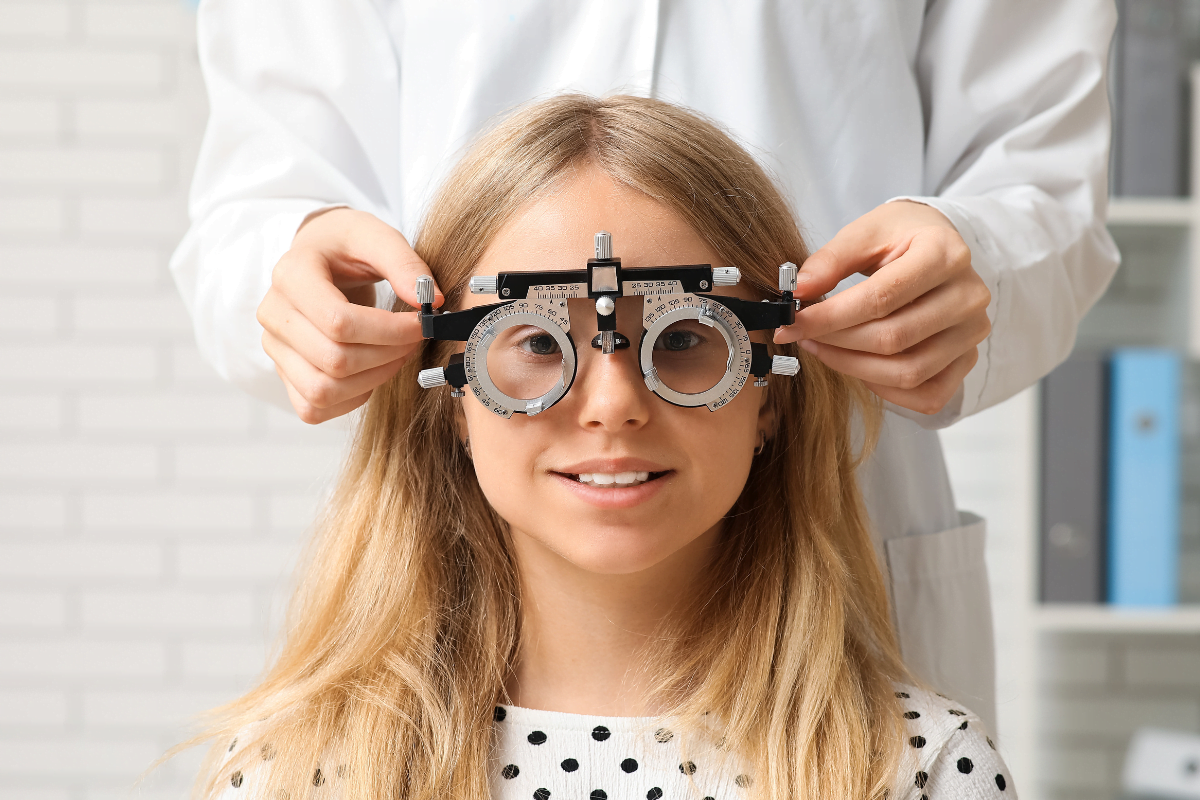
Parents and teachers play a vital role in protecting children’s vision. During children’s eye health and safety month, we spotlight simple actions that reduce eye strain, prevent injuries, and catch problems early. Small steps at home, school, and during play can safeguard comfort today and support lifelong visual development. This guide blends practical tips with clinical context so you can act confidently and compassionately.
Key Takeaways
- Early screening works: detect issues before school challenges begin.
- Everyday habits matter: lighting, breaks, and protective eyewear help.
- Outdoor safety counts: 100% UV sunglasses and hats protect eyes.
- Sports need goggles: shatter‑resistant lenses reduce eye injuries.
- Model healthy behavior: children copy adult eye‑safe routines.
Why Children’s Eye Health and Safety Month Matters
Healthy vision supports learning, social connection, and confidence. During this awareness effort, families gain tools to protect sight and reduce preventable harm. Eye safety awareness should not be a single-week task. It becomes a family habit that builds across the year—especially as kids shift between classrooms, playgrounds, and screens.
Preventable eye injuries and vision problems can affect reading, sports, and behavior. Early guidance helps children communicate symptoms and take steps that lower risk. By organizing classroom reminders and home routines, adults can normalize protective gear and regular eye checks. That steady approach keeps kids engaged and comfortable while they grow.
Recognize Signs and When to Seek Care
Knowing the warning cues helps you act early. Common signs of vision problems in children include frequent squinting, headaches after reading, tilting the head, covering one eye, or sitting very close to screens and books. Teachers may notice reduced attention, letter reversals, or falling grades that follow prolonged near work. Children often cannot describe blurred vision clearly, so observation matters.
Sudden light sensitivity, pain, or redness may signal irritation or infection. If irritation persists or vision changes quickly, seek professional care. For persistent redness or swelling, see Eye Inflammation for common redness and swelling explanations. Prompt evaluation can rule out serious conditions and guide next steps without delaying school or activities.
Vision Screening and Exam Schedule
Most children benefit from routine screenings in primary care or school, plus comprehensive exams when concerns arise. Pediatricians often screen vision in early childhood, then repeat checks during school-age years. These visits can uncover refractive errors (nearsightedness or farsightedness) and eye alignment issues that affect reading and coordination. Family history of eye disease, premature birth, or developmental concerns may warrant earlier or more frequent evaluation.
Follow children’s vision screening guidelines from trusted medical organizations, and ask how often your child should be checked. For a national perspective, the vision screening recommendation offers clear guidance for preschool-age children. If glaucoma runs in the family, see What Is Glaucoma for risk context and reasons to monitor. Children with diabetes may need specialty care; review Diabetic Retinopathy for a systemic disease overview and eye check prompts.
Protecting Eyes During Play and Sports
Play is how kids explore the world, yet it can expose eyes to fast-moving balls, sticks, and elbows. Sports eye safety for kids starts with shatter-resistant polycarbonate lenses and activity-appropriate goggles. Encourage children to put on their eyewear before stepping onto the court or field, just as they would a helmet. When kids see teammates wearing goggles, compliance rises and injuries decline.
Keep a clean storage case, wipe lenses before practice, and fit straps snugly without pressure. If an eye gets hit, avoid rubbing, and seek care for pain, double vision, or persistent tearing. For contagious risks around shared towels or water bottles, see Bacterial Eye Infection for pink eye precautions and classroom hygiene guidance. For broader safety context, the American Academy of Ophthalmology shares sports eye injuries guidance that reinforces protective eyewear use in youth sports.
Outdoor Light and UV Safety
Sunlight supports circadian rhythm and outdoor play, but unprotected eyes can face cumulative ultraviolet exposure. UV protection for children’s eyes means sunglasses labeled “100% UVA/UVB” plus a wide-brim hat. Look for wraparound frames that block side glare and fit secure on smaller faces. Encourage kids to choose a comfortable style so they will actually wear them.
Offer shaded breaks during midday sun and teach children to look away from reflective surfaces like water or snow. Replace scratched or ill-fitting sunglasses, since damage can reduce protection. For product-label basics, see the U.S. Food and Drug Administration’s sunglasses UV guidance before your next purchase. Outdoor play remains vital; smart shielding keeps it safe and enjoyable.
Smart Screens and Digital Eye Comfort
Tablets and laptops now power homework and connection with friends. Screen time tips for kids eyes include the 20‑20‑20 rule: every 20 minutes, look 20 feet away for 20 seconds. Keep screens at arm’s length, place them just below eye level, and use larger font sizes when reading. Position lighting behind the child, not shining directly into the eyes.
Artificial tears (lubricating drops) can help temporary dryness, but discuss options with an eye professional before use. Encourage balanced routines with outdoor play and paper-based reading to vary visual demand. For ongoing irritation from prolonged near work, see Dry Eye for symptoms and relief steps to discuss with a clinician. Healthy habits keep digital life productive without unnecessary eye strain.
Allergies, Hygiene, and Infection Prevention
Allergy season can bring itchy, watery eyes that tempt kids to rub. Teach gentle dabbing with clean tissues and frequent handwashing. Cool compresses may soothe discomfort, and allergen avoidance helps when feasible. For seasonal itch and redness guidance, see Eye Allergy for common symptoms and management basics. Linked nasal symptoms often drive eye complaints; review Allergic Rhinitis for triggers and supportive care ideas.
Never share eye makeup, towels, or contact lenses. Replace sports goggles if cracked, and clean frames after dusty or sweaty play. Some families discuss over‑the‑counter options with clinicians; for product information only, see Claritin Syrup Children’s for label ingredients and age-related cautions. If discharge, light sensitivity, or pain worsens, pause activities and seek professional evaluation to avoid complications.
Awareness Months and Community Action
Awareness calendars keep vision care top of mind year-round. Schools and clinics often leverage healthy vision month to share reminders about screenings, protective eyewear, and outdoor sun safety. Parent groups can rotate quick safety messages in newsletters and class chats. Short graphics about handwashing, goggles, and reading breaks help convert guidance into daily habits that stick.
Share local resources, translation-friendly flyers, and appointment information with families who have limited access. For planning inspiration, see Healthy Vision Month 2025 Eye Health Awareness for outreach themes and timely messaging. You might also reference workplace eye wellness awareness month when engaging community employers that support school events. Collaboration builds consistency, and consistency builds safer routines for kids.
For Schools, Teachers, and Coaches
Classrooms and gyms are ideal places to reinforce safety. Align reminders with eye safety month to run short lessons on goggles, hand hygiene, and screen ergonomics. Coaches can check protective eyewear during warm‑ups, while teachers model breaks during reading time. A two‑minute routine before activities helps kids build a habit they can repeat at home.
Consider a brief eye safety toolbox talk for older students who assist with younger groups. Include risks from projectiles, chemicals during art or lab time, and cleaning protocols for shared gear. If a student develops redness and tearing at school, see Eye Inflammation for steps to differentiate irritation and infection. Keep parent communications simple, multilingual, and action‑oriented to sustain adoption.
Compare and Related Topics
Eye issues sometimes overlap with other health concerns. Children with heavy pollen exposure may benefit from coordinated allergy care; for broader seasonal context, see Eye Allergy for triggers and classroom adjustments. Families exploring nonprescription eye products can also review Claritin Allergy Eye Drops for ingredient details and safety warnings to discuss with a clinician.
Planning a back to school eye exam for kids can pair with sports gear checks and routine dental or hearing visits. If an eye injury leads to discharge or crusting, consult your clinician promptly; quick care can prevent complications and school absences. For public health context on sunglasses and UV labeling, revisit the FDA’s sunglasses UV guidance before purchasing new pairs.
Recap
Protecting young eyes is a daily practice, not a one‑time event. With practical routines, early screening, and protective gear, children can read, play, and learn with fewer obstacles. Share simple steps across home, school, and teams to build momentum. Every cue helps—one poster, one reminder, one pair of goggles at a time.
Note: Store eyewear where kids can reach it quickly, such as by the door or in gym bags, to make safe choices easier.
This content is for informational purposes only and is not a substitute for professional medical advice.


