

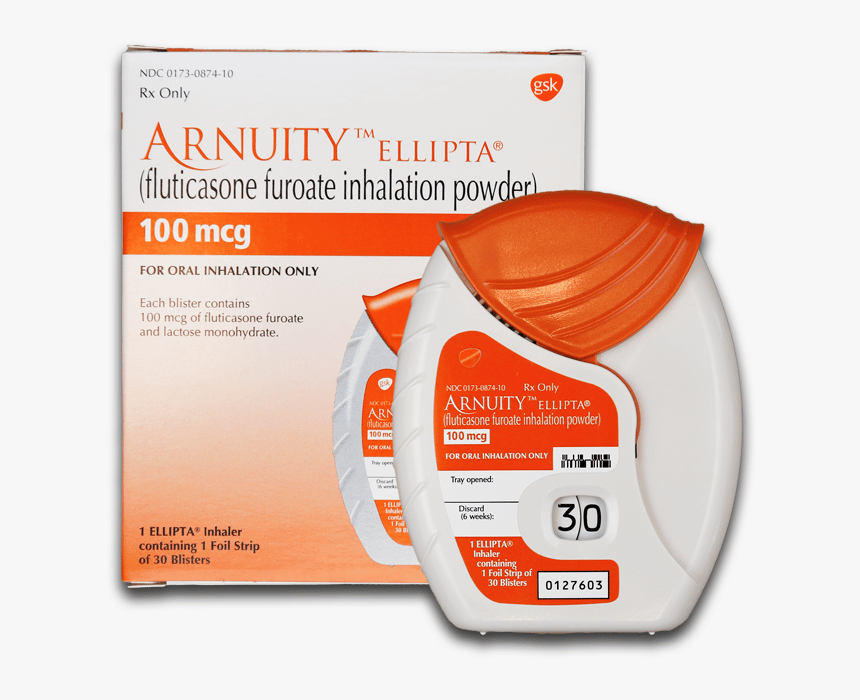
Many people ask what is arnuity ellipta when they receive a new asthma prescription. You deserve clear, plain-language information that respects your choices. This guide explains how the medicine works, how to use the device correctly, and what to watch for as you settle into therapy.
Key Takeaways
- Daily controller: Reduces airway inflammation and helps prevent asthma symptoms.
- Not a rescue inhaler: Keep a quick-relief inhaler available for sudden symptoms.
- Right technique matters: Proper inhalation and mouth rinsing reduce side effects.
- Consistent timing helps: Take it the same time each day for steady control.
- Discuss fit and options: Consider alternatives if side effects or costs are concerns.
What Is Arnuity Ellipta? Uses and Mechanism
Arnuity Ellipta contains fluticasone furoate, an inhaled corticosteroid (steroid anti-inflammatory) used for long-term asthma control. It works inside the airways to calm inflammation, reduce swelling, and decrease mucus production. As inflammation eases, your lungs may feel less tight and breathing may become smoother over time. Because it is a preventive medication, it does not treat sudden wheeze or chest tightness.
Clinicians prescribe this medicine to help reduce day-to-day symptoms and lower the risk of flare-ups (exacerbations). Many patients ask if it is a steroid; yes, it is a corticosteroid, but delivered directly to the lungs in low doses. That targeted delivery can limit whole-body exposure, though some systemic effects remain possible. For official safety and indications, see the FDA label for fluticasone furoate, which summarizes approved uses and key risks FDA prescribing information.
Dosing and Strengths: Getting the Right Fit
Prescribers individualize therapy based on age, asthma severity, and prior treatments. Available strengths include 50 mcg, 100 mcg, and 200 mcg, each delivered as a dry powder via the Ellipta device. Most patients take one inhalation once daily. Your exact schedule and strength should align with your clinician’s plan and your symptom pattern, including night awakenings and rescue-inhaler use.
Your care team will consider step-up or step-down strategies to keep control with the lowest effective dose. They’ll also account for other medicines you take and recent exacerbations. If your plan mentions arnuity ellipta dosage, ask how it fits the broader asthma strategy. For deeper background on controller choices across severity levels, the NHLBI provides practical guidance in its clinical updates NHLBI asthma updates.
How to Use the Device Thoroughly and Safely
Correct technique helps the medicine reach the small airways. Hold the device level and slide open the cover until you hear a click; that readies a single dose. Exhale away from the mouthpiece. Seal your lips around the mouthpiece and inhale long, steady, and deep. Remove the device and hold your breath for several seconds before exhaling slowly.
After each inhalation, rinse your mouth with water and spit it out. This simple step helps reduce throat irritation and yeast infections. Avoid shaking the device or blowing into it, which can dislodge the powder. If your written plan mentions arnuity ellipta how to use, review it with your pharmacist or clinician the first week. You can also compare device specifics in our Arnuity Ellipta Inhaler page for device features and counter details.
Side Effects and Warnings: What to Watch For
Common effects may include hoarseness, sore throat, cough, and headache. Some people develop oral thrush (oropharyngeal candidiasis), a yeast infection marked by white patches or a cottony feeling. Rinsing and spitting after dosing can help lower this risk. Report persistent voice changes, mouth discomfort, or worsening cough to your clinician.
Less common but serious issues can include adrenal suppression, slowed growth in children, high eye pressure (glaucoma), or paradoxical bronchospasm. Seek urgent care for sudden breathing difficulty after inhalation. If you’re reading about arnuity ellipta side effects, note that steroid effects may be higher with certain drug interactions (see below). For authoritative details, review the medicine’s official labeling, which explains precautions and monitoring in accessible tables FDA label.
Timing, Missed Doses, and Onset
Pick a time you can stick to every day. Morning works for some; evening suits others, especially if night symptoms are frequent. If you have been wondering about the best time of day to take arnuity ellipta, consistency usually matters more than the specific hour. Align the dose with a daily habit, like brushing your teeth.
If you miss a dose, take it when you remember unless it is close to the next scheduled time. Do not take two doses at once. The medicine starts reducing airway inflammation soon after consistent use, but benefits build gradually with daily dosing. Keep your rescue inhaler at hand for sudden symptoms throughout this period.
Interactions, Alcohol, and Special Populations
Some medicines raise steroid exposure by slowing breakdown in the liver. Examples include strong CYP3A4 inhibitors such as ketoconazole, ritonavir, and clarithromycin. If you start or stop any of these, ask whether your inhaled steroid plan needs review. People with untreated infections or eye conditions may require additional monitoring while on daily inhaled steroids.
Pregnancy and lactation decisions should be individualized with your obstetric and pulmonary teams. If you are evaluating arnuity ellipta pregnancy and breastfeeding, clinicians often weigh symptom control against potential risks, since uncontrolled asthma can also affect parent and fetus. Limited data exist in breastfeeding; a specialized resource offers summaries on excretion into milk and infant effects NIH LactMed database. Alcohol does not directly interact with inhaled steroids, but heavy use can complicate overall respiratory health and adherence.
Pediatric Use and Tapering Considerations
In children, clinicians select the lowest effective dose and track growth patterns over time. Parents can support consistent technique and regular oral rinsing to limit throat irritation. If your child’s plan addresses arnuity ellipta pediatric dosing, ask how it aligns with symptom diaries and peak flow readings. Teachers or caregivers may need to know your child’s action plan for school or sports.
When asthma is well controlled for a sustained period, teams sometimes consider stepping down therapy. Any taper should be clinician-directed, balancing seasonal triggers and recent exacerbations. Do not change inhaler frequency on your own. If you’re exploring other devices that may suit younger users, our Inhalers section highlights device differences and handling tips to discuss during appointments.
Cost, Access, and Alternatives
Brand medications can feel out of reach, particularly without robust coverage. Costs may reflect device engineering, market exclusivity, and distribution dynamics. If you face barriers, ask about savings programs, therapeutic alternatives, or plan exceptions. Many patients also consider non-device differences such as taste, breath-actuation, and dose counters when comparing options.
If you’re evaluating arnuity ellipta alternatives, discuss comparable inhaled corticosteroids such as beclomethasone, budesonide, mometasone, or fluticasone propionate. Some people prefer metered-dose inhalers over dry-powder devices; others want once-daily simplicity. For a quick overview of comparable medicines, visit Arnuity Ellipta Alternatives for context on classes and device styles. You can also review formulation features on our Flovent HFA page to compare actuation and spacer compatibility.
Comparisons and Combination Therapy
Fluticasone furoate differs from fluticasone propionate in potency and dosing intervals. Some patients respond similarly to either, while others find one option fits better with routines or devices. Rescue inhalers containing short-acting beta-agonists remain essential for breakthrough symptoms. Many clinicians pair a rescue inhaler with a daily steroid inhaler to reinforce control.
If you already use a combination inhaler with a long-acting bronchodilator (an ICS/LABA), your team will decide whether to keep, change, or simplify therapy. Ask whether your plan allows a separate rescue inhaler alongside daily maintenance treatment. For more real-world context on device technique across products, see our Inhaler Therapy Guide, which explains cleaning, storage, and dose tracking in practical terms.
Storage and Handling Essentials
Store the inhaler at room temperature, in a dry place, and keep the foil tray sealed until first use. Once opened, track the counter and follow the discard timing on the label. Avoid heat, humidity, and bathroom storage. Do not wash the device; wipe the mouthpiece with a dry tissue if needed.
Keep it away from young children and pets. Carry the inhaler in a crush-resistant case when traveling, along with your action plan. For a broader look at maintenance habits that support lung health, our Reduce Asthma Attacks guide offers strategies for triggers, monitoring, and adherence. If you want clinical context by condition, browse our Asthma and Respiratory categories for related education and updates.
When to Seek Guidance and Where to Learn More
Reach out promptly if symptoms worsen, rescue use increases, or cough disturbs sleep. Document triggers, device steps, and side effects to help your clinician problem-solve. Many patients benefit from a technique check at each visit, especially after device changes or travel.
For device-specific details or to compare once-daily options, explore our Arnuity Ellipta Inhaler page for configuration notes. If you prefer topic overviews, our Inhalers hub groups devices by type and mechanism to streamline research. You can also revisit the Asthma category to see how maintenance therapy fits into comprehensive care plans.
Recap
This inhaled corticosteroid helps prevent symptoms by calming airway inflammation. Correct technique, consistent timing, and routine follow-up can improve day-to-day control. Watch for throat effects, rinse after use, and review interactions when medicines change.
When cost, convenience, or side effects become obstacles, raise them early. Clinicians can adjust dosing, consider device changes, or suggest alternatives. Small tweaks often make treatment more sustainable in real life.
Note: If you rely on a rescue inhaler more often, ask about your action plan and possible prevention adjustments.
This content is for informational purposes only and is not a substitute for professional medical advice.


