

Please note: a valid prescription is required for all prescription medication.
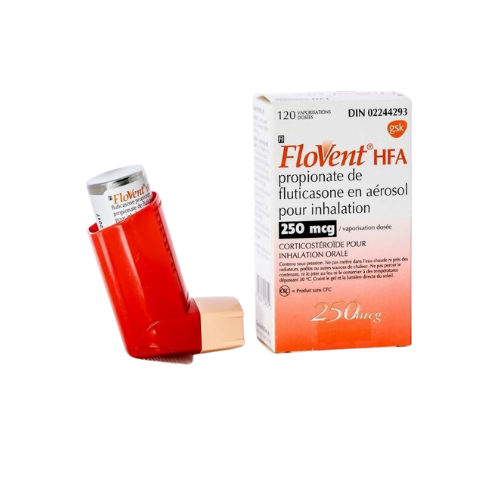
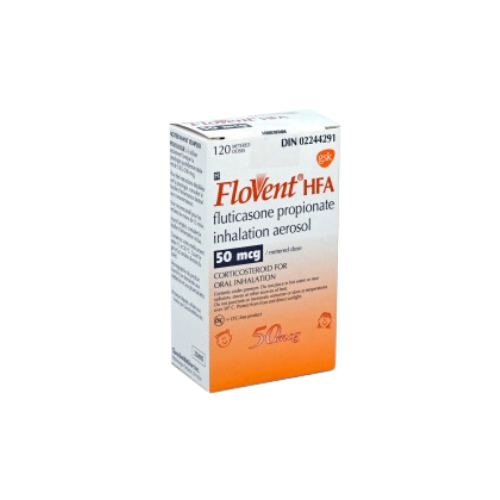
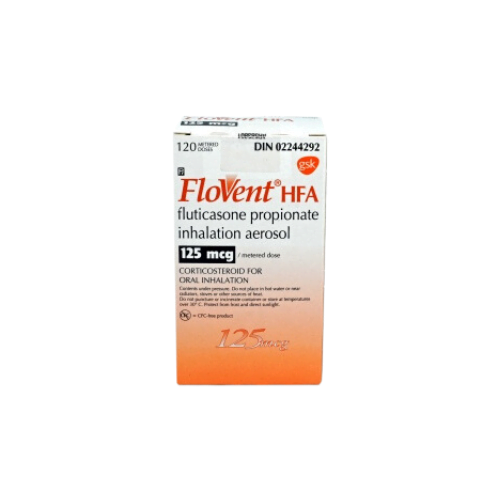
Flovent HFA
Flovent HFA: How to Buy It and What to Know
Secure Encrypted Payments
This inhaled corticosteroid is used to help prevent asthma symptoms over time and is not meant to relieve a sudden attack. This page helps people compare how to buy Flovent HFA, what prescription checks may apply, and the main safety points to review before moving ahead. Some patients explore US delivery from Canada while comparing compliant ways to keep a controller inhaler available for ongoing asthma care.
Availability can change across markets, and some prescriptions may be filled as a fluticasone propionate HFA inhaler instead of older brand packaging. A controller inhaler like this is different from albuterol rescue inhalers, which are used for fast symptom relief during an attack.
How to Buy Flovent HFA and What to Know First
This inhaler is prescription only. People usually need a current prescription that matches the intended strength and directions, and some orders may also require confirmation of prescriber details before the pharmacy dispenses. Dispensing is handled by licensed partner pharmacies. If it helps to review which products need a prescription, the Online Prescription Vs Otc guide explains the difference.
This medicine is used for maintenance treatment, which means it works by lowering airway inflammation over time. It does not replace a rescue inhaler for sudden wheeze, chest tightness, or severe shortness of breath. A current asthma diagnosis and a plan for acute symptoms matter before continuing any controller inhaler, and the Asthma Hub can help with general background.
Why it matters: Using a controller inhaler as if it were a rescue inhaler can delay urgent care.
Who It’s For and Access Requirements
This kind of inhaler is generally considered for people who need ongoing prevention of asthma symptoms rather than occasional quick-relief treatment alone. Depending on the label and the prescription, it may be used in adults and in children who meet the age criteria written for the product being dispensed.
Access requirements usually center on a valid prescription, the exact strength written, and whether the order fits the person’s treatment plan. If the brand presentation is not the one being supplied, a prescriber may instead discuss a generic fluticasone propionate HFA option. For wider browsing across the same category, the Respiratory Products page can help compare similar controller therapies.
This treatment is usually not the right option for someone who needs immediate relief during sudden breathing symptoms. If asthma control seems to be worsening, if nighttime symptoms are increasing, or if a rescue inhaler is being used more often, the next step is a clinical review rather than simply assuming the same controller strength will still fit.
- Prescription on file
- Age-appropriate labeling
- Maintenance use only
- Follow-up if symptoms change
Dosage and Usage
Use follows the prescription label. Inhaled fluticasone is commonly taken on a regular schedule, often twice daily, but the number of puffs and the strength depend on the prescriber’s directions and the product actually dispensed.
Technique matters. Shake the inhaler if the label instructs it, breathe out fully, inhale as directed, and rinse the mouth after each dose to lower the chance of oral thrush. Some people use a spacer if it has been recommended. If the inhaler is new or has not been used for a while, priming may be required according to the product instructions, and the actuator should be cleaned as directed.
Consistency matters more than using it only when symptoms flare. Missing scheduled doses can reduce control over time because the medicine works by maintaining lower airway inflammation. If a dose is missed, it is best to follow the label or pharmacist instructions instead of doubling the next scheduled dose without guidance.
- Follow the labeled schedule
- Do not treat attacks
- Rinse the mouth after use
- Track the remaining doses
Quick tip: Bring the inhaler to visits so technique can be checked against the label.
Strengths and Forms
Flovent HFA has been marketed as an inhalation aerosol in several strengths, and many people search by microgram strength when comparing prescriptions. Availability may vary by jurisdiction and by whether a branded or generic presentation is being filled.
| Strength | How it may appear | Form |
|---|---|---|
| 44 mcg per actuation | Fluticasone propionate HFA 44 mcg | Metered-dose inhalation aerosol |
| 110 mcg per actuation | Fluticasone 110 mcg inhaler | Metered-dose inhalation aerosol |
| 220 mcg per actuation | Fluticasone inhaler 220 mcg | Metered-dose inhalation aerosol |
Many people now encounter generic fluticasone propionate HFA packaging rather than older branded cartons. That shift can make it seem as if the medicine was discontinued, even when the same active ingredient and inhaler type remain available under a different label. The exact carton, manufacturer, or package wording may therefore differ from older refill history.
Label wording also varies. One box may say fluticasone propionate HFA 110 mcg while another highlights a brand name, but the key details to match are the active ingredient, strength per actuation, and device instructions. Checking those details carefully can help prevent mix-ups at refill time.
Storage and Travel Basics
Keep the inhaler at room temperature unless the label says otherwise, and protect it from direct heat, open flame, and extreme temperature swings. Because HFA inhalers use a pressurized canister, they should not be punctured, burned, or stored in a hot car.
If the device has a dose counter, reviewing it before travel or long weekends can help prevent interruptions in routine dosing. Keeping the mouthpiece clean and dry, and replacing the cap after use, can also help reduce clogging or debris buildup over time.
For travel, keep the prescription details if possible and store the inhaler where routine doses can still be taken on time. It also helps to keep a separate rescue inhaler available for sudden symptoms. For broader reading on related inhaler topics, browse the Respiratory Articles collection.
- Keep the cap on
- Avoid excess heat
- Do not puncture canister
- Carry current medication details
Side Effects and Safety
Like other inhaled corticosteroids, Flovent HFA can cause throat irritation, hoarseness, cough, dry mouth, or oral thrush. Rinsing the mouth after use can lower some local side effects, but it does not remove every risk. This inhaler may help an asthma-related cough over time, but it is not a general cough medicine and does not work as quick relief.
Less common but more serious concerns can include worsening breathing right after a dose, allergic reactions, vision changes, reduced bone density with longer steroid exposure, or growth monitoring issues in some children. Repeated infections, ongoing mouth soreness, or symptoms that are not controlled with the usual rescue plan deserve follow-up with a clinician.
Because inhaled steroids act mainly in the lungs but can still have wider body effects at higher exposure, any unexplained fatigue, repeated mouth infections, or new eye symptoms should be reviewed. Children using long-term inhaled steroids may need periodic growth monitoring based on the clinician’s plan.
- Common issues: hoarseness or thrush
- Urgent concern: sudden worse wheeze
- Follow-up issue: repeated infections
- Monitoring issue: vision or growth changes
Drug Interactions and Cautions
Certain medicines can raise steroid exposure, especially strong CYP3A4 inhibitors such as ritonavir or ketoconazole. A full medication list matters, including oral steroids, antifungals, HIV medicines, and supplements, because the interaction risk is not limited to other inhalers.
Tell the prescriber or pharmacist about active infections, tuberculosis history, recent exposure to chickenpox or measles, eye conditions such as glaucoma or cataracts, bone health concerns, pregnancy, or breastfeeding. These issues do not always prevent use, but they can change monitoring needs, inhaler choice, or the need for closer follow-up.
- Review all current medicines
- Mention infection history
- Discuss eye and bone health
- Ask about pregnancy monitoring
Compare With Alternatives
Alternatives are compared by role, device style, and active ingredient. Rescue inhalers such as albuterol are not direct substitutes because they open the airways quickly but do not provide the same long-term anti-inflammatory control as a steroid controller inhaler.
| Option | Type | What usually differs |
|---|---|---|
| Generic fluticasone propionate HFA | Inhaled corticosteroid aerosol | Packaging and manufacturer may differ when brand supply changes |
| Budesonide inhaler | Inhaled corticosteroid | Device format and inhalation technique can differ |
| Beclomethasone or mometasone inhaler | Inhaled corticosteroid | Labeling, strengths, and device feel may differ |
The most useful comparison point is often device familiarity, available strengths, age-appropriate labeling, or the ability to keep the same maintenance routine. Reviewing inhaler technique, the written strength, and whether a brand or generic presentation is acceptable can make comparisons more practical.
Prescription, Pricing and Access
People searching for Flovent HFA often want to know whether a current prescription is enough, what documents may be reviewed, and how brand-versus-generic availability can affect the inhaler ultimately dispensed. Those details can influence whether the order matches the prescriber’s intent and whether a refill can proceed without extra clarification.
Packaging changes can also create confusion during refills. A pharmacy may need to clarify whether the prescription allows substitution, whether the written strength matches current stock, and whether the intended product is a brand presentation or generic fluticasone propionate HFA. Where required, prescription details may be checked with the prescriber before dispensing.
Cash-pay options may be available for patients without insurance, but eligibility and jurisdiction rules still apply. The Prescription Drugs Cost Without Insurance guide gives general expense background, and Prescription Medications Online explains broader purchasing considerations.
For broader catalog browsing, some people also look at Country Of Origin Canada. The Promotions Page can show stable informational updates when programs are posted, but availability and eligibility can change and the final product supplied may not match every older photo or brand label.
- Prescription status matters
- Written strength must match
- Brand and generic supply varies
- Eligibility rules still apply
Authoritative Sources
These references can help verify product, safety, and market context.
- For the federal update on generic availability, see the FDA announcement on the first approved generic for this inhaled treatment.
- For official brand information and device background, review the official FLOVENT product site.
- For patient-focused background on generic substitution, read the AAFA overview of generic fluticasone propionate HFA.
If a prescription is confirmed and the medicine is dispensed by a partner pharmacy, logistics may include prompt, express shipping where permitted.
This content is for informational purposes only and is not a substitute for professional medical advice.
Express Shipping - from $25.00
Shipping with this method takes 3-5 days
Prices:
- Dry-Packed Products $25.00
- Cold-Packed Products $35.00
Shipping Countries:
- United States (all contiguous states**)
- Worldwide (excludes some countries***)
Standard Shipping - $15.00
Shipping with this method takes 5-10 days
Prices:
- Dry-Packed Products $15.00
- Not available for Cold-Packed products
Shipping Countries:
- United States (all contiguous states**)
- Worldwide (excludes some countries***)
What is Flovent HFA used for?
Flovent HFA is used as a maintenance inhaler for asthma. It contains fluticasone propionate, an inhaled corticosteroid that helps reduce airway inflammation over time. The goal is to prevent symptoms such as wheezing, chest tightness, and asthma-related cough rather than to stop a sudden attack. Because it works gradually, it is usually taken on a regular schedule. A separate rescue inhaler is still needed for fast symptom relief unless a clinician has advised otherwise.
Is Flovent HFA the same as albuterol?
No. Flovent HFA is an inhaled corticosteroid used for long-term control, while albuterol is a short-acting bronchodilator used for quick relief during sudden symptoms. They can both appear in an asthma plan, but they do different jobs. Using a controller inhaler instead of a rescue inhaler during an acute attack can delay appropriate care. The prescription label and asthma action plan should make clear which inhaler is for regular prevention and which is for urgent relief.
Why do some people see generic fluticasone instead of the older brand?
Market availability has changed, so some patients now receive generic fluticasone propionate HFA instead of older branded Flovent packaging. That does not automatically mean the treatment role has changed, but the box, manufacturer name, and labeling may look different. The important details are the active ingredient, the strength per actuation, and the directions written on the prescription. When a refill looks different, it is reasonable to confirm whether the prescription allows substitution and whether the strength matches the prior inhaler.
What side effects should be watched with this inhaler?
Common effects can include hoarseness, throat irritation, cough, dry mouth, and oral thrush. Rinsing the mouth after each dose can reduce some local problems. More serious concerns that deserve prompt review include sudden worsening breathing after a dose, signs of allergic reaction, repeated infections, vision changes, or ongoing mouth sores. With longer-term steroid exposure, some people may also need monitoring related to eye health, bone health, or growth in children. Any change in asthma control should be discussed rather than assuming the inhaler is still a good fit.
What should be discussed with a clinician before starting or refilling this inhaler?
It helps to review current asthma symptoms, rescue inhaler use, prior hospital or urgent care visits, and whether the written strength still matches the treatment plan. A full medication list is also important because some drugs can raise steroid exposure. Infection history, glaucoma or cataracts, bone health concerns, pregnancy, and breastfeeding may also matter. If the inhaler packaging has changed, asking whether the prescription allows a generic fluticasone propionate HFA product can prevent confusion. Bringing the inhaler or a photo of the label to the discussion can make technique and product verification easier.
Rewards Program
Earn points on birthdays, product orders, reviews, friend referrals, and more! Enjoy your medication at unparalleled discounts while reaping rewards for every step you take with us.
You can read more about rewards here.
POINT VALUE
How to earn points
- 1Create an account and start earning.
- 2Earn points every time you shop or perform certain actions.
- 3Redeem points for exclusive discounts.
How to book an appointment
- 1Create Begin by completing a profile or log into your existing account. This step ensures we have the necessary information to provide you with a service that's tailored to your needs. account and start earning.
- 2Scheduling an appointment with our online booking system is easy. Pick a day and time that suits you. You’ll receive an immediate confirmation, without the wait.
- 3Discuss your concerns and symptoms and receive a thorough diagnosis from one of our licensed doctors during a confidential video appointment.
- 4If you've been prescribed medication, your Rx is sent directly to one of our licensed pharmacies and delivered right to your door.
Get Started
To book an online doctor appointment, register for an account or login. After doing so, you can book your visit on this page.
You Might Also Like
Select options
This product has multiple variants. The options may be chosen on the product page
Select options
This product has multiple variants. The options may be chosen on the product page
Select options
This product has multiple variants. The options may be chosen on the product page
Select options
This product has multiple variants. The options may be chosen on the product page