

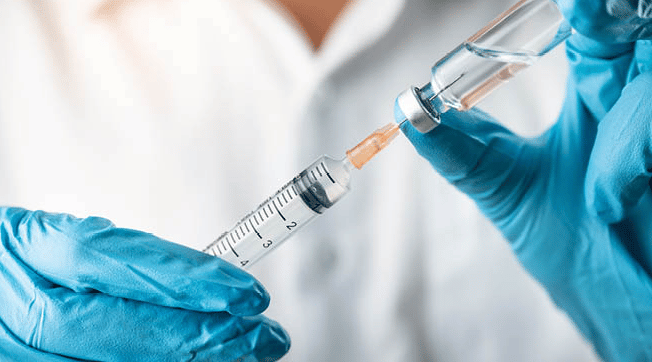
If you are asking is there a vaccine to prevent HIV, the short answer is no. As of 2025, no vaccine is approved to prevent HIV infection, and there is no approved therapeutic vaccine to treat HIV either. Research is active, though, and the field has made real scientific progress. This matters because some newer long-acting prevention shots can sound like vaccines even when they are not.
Why it matters: A prevention injection and a vaccine may both be shots, but they work in very different ways.
Key Takeaways
- No HIV vaccine is currently approved for prevention.
- Researchers are testing several vaccine strategies, but none is ready for routine use.
- Long-acting PrEP medicines can help prevent HIV, but they are not vaccines.
- Prevention today still relies on tools such as PrEP, condoms, testing, and prompt follow-up after possible exposure.
- It makes sense to follow HIV vaccine research, but current protection comes from methods already available.
Is There a Vaccine to Prevent HIV in 2025?
No. The current status is straightforward: there is no approved HIV vaccine for prevention. That includes the kind of vaccine most people mean, a shot that trains the immune system before exposure so the body can block infection later.
Researchers are still working toward that goal. Trials continue to test different vaccine designs, delivery platforms, and immune targets. Some projects aim to trigger broadly neutralizing antibodies, which are antibodies that may recognize many HIV strains. Others study mRNA platforms or stepwise vaccine sequences that try to build a stronger immune response over time.
Preventive and therapeutic vaccines are not the same
A preventive HIV vaccine would be used before infection. A therapeutic HIV vaccine would be used in people who already have HIV, usually to help the immune system control the virus alongside standard treatment. Neither type is currently approved for routine use.
That distinction matters because headlines can blur early research with real-world availability. When a report mentions an HIV vaccine trial, it may be describing laboratory work, a small safety study, or an approach for people already living with HIV. Those are important steps, but they do not mean a pharmacy-ready vaccine exists.
Approval is also a high bar. A candidate has to show more than promising lab data or short-term antibody production. It needs acceptable safety, meaningful prevention in humans, and evidence that any benefit lasts long enough to matter in everyday use.
Why HIV Has Been So Hard to Vaccinate Against
HIV is one of the hardest viruses to target with a vaccine. The main problem is change. HIV mutates quickly, which means the immune target can shift fast enough to outrun a narrow antibody response.
The virus is also extremely diverse. Multiple strains and subtypes circulate around the world. A vaccine would need to protect across that diversity, not just against one version studied in a lab.
Another challenge is where HIV attacks. It targets key immune cells, which makes it harder for the body to build lasting control before the virus gains a foothold. HIV’s outer surface is also heavily shielded by sugars, sometimes called a glycan shield, which can hide vulnerable spots from the immune system.
Timing matters too. HIV can establish infection quickly, and it can form a latent reservoir, meaning long-lived infected cells where the virus can hide. For a preventive vaccine, the immune response may need to act very early and very precisely.
Researchers also do not get a simple natural blueprint from HIV. With some infections, people recover and develop protective immunity that vaccine designers can study and imitate. HIV does not offer that same clear model, which makes vaccine development more like solving a moving target.
These challenges help explain why the answer to is there a vaccine to prevent HIV is still no, even after decades of work. The science is not stalled. It is just unusually complex.
What Is Moving Forward in HIV Vaccine Research
Progress is happening, but it looks more like building blocks than a finish line. In recent years, researchers have focused on how to guide the immune system toward the rare antibody responses most likely to handle HIV’s diversity. Instead of expecting one simple shot to do everything, some strategies try to start the right immune pathway and then strengthen it in stages.
There is also interest in mRNA-based HIV vaccines. The appeal is flexibility. mRNA platforms can be updated quickly and can help researchers test complex immune strategies more efficiently. Still, an mRNA platform is only a tool. It does not remove the core biological challenges that make HIV difficult.
Some vaccine studies are designed less to prove immediate protection and more to see whether the immune system can be nudged in the right direction. That may sound modest, but it matters. If researchers can reliably trigger the right kind of early immune response, later vaccine designs may build on that foundation.
It also helps to read headlines carefully. Terms like candidate, early-phase trial, proof of concept, and immune response do not mean the same thing as approved vaccine. A trial can be scientifically encouraging while still being far from a product used in routine care.
So how close are we to an HIV vaccine? Closer in scientific understanding than we were years ago, but not close enough to promise a launch date. Vaccine development depends on repeated testing, larger trials, and proof that protection is both meaningful and durable.
What Prevention Looks Like Without a Vaccine
Current HIV prevention is real, layered, and available even without a vaccine. That is the most important practical point for readers who came here looking for an approved HIV vaccine.
One reason people keep asking is there a vaccine to prevent HIV is that prevention tools have changed quickly. In 2025, long-acting injectable prevention drew major attention, including lenacapavir as a PrEP option. That is important progress, but it is still medication-based prevention, not vaccination.
PrEP, or pre-exposure prophylaxis, uses medicine before exposure to lower the chance of infection. A vaccine works differently. It trains the immune system so the body can respond later, rather than relying on an active prevention drug in the body in the same way.
A long-acting injection can understandably feel vaccine-like because it may not be taken every day. But the biology is different. If it works as an antiretroviral prevention medicine, it is still PrEP even when the schedule is less frequent than a daily pill.
| Tool | What it does | Key point |
|---|---|---|
| Preventive vaccine | Trains the immune system before exposure | No approved HIV vaccine exists right now. |
| PrEP | Uses medicine before exposure to lower risk | Available now in oral and some long-acting forms. |
| PEP | Uses medicine after a possible exposure | Time-sensitive and meant for urgent follow-up. |
| Routine testing | Helps identify infection earlier | Supports faster action and better planning. |
Prevention today usually involves combining tools rather than waiting for one perfect answer. Options may include PrEP, PEP after a possible exposure, condoms or barriers, routine testing, and treatment that helps people living with HIV lower transmission risk through viral suppression.
The best prevention plan is often the one a person can actually start, maintain, and revisit as life changes. Practical issues matter. Privacy, follow-up appointments, lab monitoring, side effects, and daily routine can all affect whether a prevention method works well in real life.
Some BorderFreeHealth prescription access options are cash-pay for eligible patients without insurance.
If you want broader reading on related topics, the Sexual Health hub collects more general educational content.
Quick tip: If a headline mentions an HIV prevention shot, check whether it is a vaccine study or a PrEP medicine.
What to Ask About Prevention if You Need a Plan Now
If you need protection now, the main task is choosing a realistic prevention plan, not waiting for vaccine news. That usually starts with a conversation with a clinician, sexual health clinic, or public health service about current risk and which tools fit best.
- Your exposure pattern: whether prevention is needed occasionally or on an ongoing basis.
- Preferred format: whether a pill or longer-acting option would be easier to manage.
- Testing needs: what screening and follow-up are expected before and during prevention.
- Recent exposure: whether you need urgent evaluation instead of routine planning.
- Other health factors: medicines, kidney concerns, pregnancy plans, or adherence issues.
If you came here asking is there a vaccine to prevent HIV, this is the practical pivot point. The absence of a vaccine does not mean the absence of protection. It means the protection available now comes from other tools, and those tools need to match real life.
There is also an urgency issue people should not ignore. If you think you had a recent HIV exposure, or you develop symptoms such as fever, rash, or sore throat after a known risk event, prompt medical evaluation matters more than waiting for routine advice. Those symptoms can have many causes, but recent exposure deserves timely attention.
Where required, prescription details are verified with the prescriber before dispensing.
What the Future of HIV Vaccines May Look Like
The future of HIV vaccines will probably look more complex than one simple breakthrough shot. Researchers may need multi-step regimens, combination immune strategies, or designs tailored to broader antibody responses. Some of the most promising work tries to teach the immune system in stages instead of expecting one dose series to solve every problem at once.
Even if a preventive HIV vaccine is eventually approved, it may not replace the rest of HIV prevention. Public health programs usually work best when they offer several tools. Testing, treatment, medication-based prevention, and education would still matter.
An eventual vaccine would also need to answer practical questions beyond basic efficacy. Who does it protect best? How long does that protection last? Would boosters be needed? How well would it work across different populations and viral strains? Those questions are part of why vaccine timelines stay uncertain.
That is why the honest answer to is there a vaccine to prevent HIV remains no, but not never. The field has advanced. What it has not done is reach a point where anyone can responsibly promise when an approved vaccine will arrive.
For now, the clearest takeaway is simple: follow the research with interest, but make prevention decisions based on what is already available and supported.
Authoritative Sources
- Current federal overview from HIV.gov on HIV vaccines.
- Global public health update from WHO on injectable lenacapavir for HIV prevention.
- U.S. clinical recommendation from CDC on injectable lenacapavir as PrEP.
No approved HIV vaccine exists in 2025, but HIV prevention is still far from empty-handed. Research is moving forward, and current tools can already lower risk in ways that were not possible before. Further reading can help, but the most useful next step is understanding which prevention method matches your situation now.
This content is for informational purposes only and is not a substitute for professional medical advice.


