
Please note: a valid prescription is required for all prescription medication.
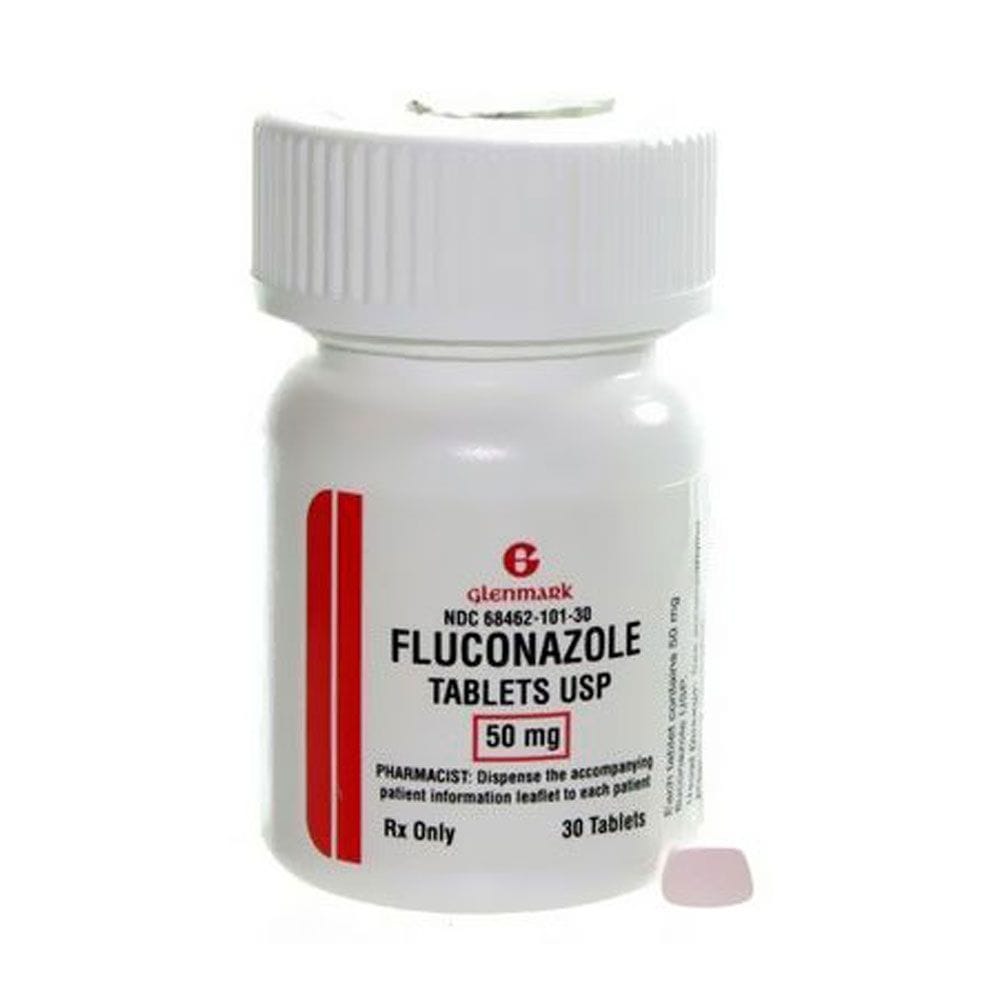
Fluconazole
Buy Fluconazole Online
Secure Encrypted Payments
Fluconazole is an oral antifungal medicine used for certain yeast and fungal infections. It can be ordered online, with current pricing shown during checkout and dose or strength choices matched to the directions from your clinician. BorderFreeHealth offers U.S. delivery from Canada for this medication through licensed pharmacy channels.
Price, Strengths, and Ordering Choices
Fluconazole cost depends on the form, strength, and quantity chosen for the order. Many customers compare the cash price for common tablet strengths, including 50 mg, 100 mg, 150 mg, and 200 mg tablets, because treatment plans can vary from a single dose to a longer daily course. Oral suspension may be used when measured liquid dosing is needed, especially when swallowing tablets is difficult.
Choose the strength shown during ordering that matches the clinician’s directions. A 150 mg tablet is often associated with uncomplicated vaginal yeast infection regimens, while 100 mg or 200 mg tablets may be used in other labeled treatment plans. The oral suspension concentration should also match the directions on the medicine label, because small measurement differences can matter.
Quick tip: Keep the written directions available when choosing strength and quantity.
People paying out of pocket often focus on the total quantity, tablet strength, and whether a liquid is needed. The price shown may differ between tablets and suspension, and a longer course usually requires more units than a single-dose regimen. For related treatment categories, the Infectious Disease section can help you browse other prescription antimicrobial areas without changing the clinical decision about Fluconazole.
How to Order Fluconazole Safely
Ordering antifungal medicine works best when the dose, duration, and reason for treatment are clear. Fluconazole is used across different infection types, so the same strength may not mean the same regimen for every person. Kidney function, pregnancy status, immune health, liver history, and interacting medicines can all affect whether this antifungal is appropriate.
We may review order details and may need clarification if directions are incomplete, unclear, or inconsistent with the requested quantity. This step helps prevent avoidable delays and supports safer use, particularly for longer treatment courses or people taking several other medicines. For service logistics, prompt, express shipping may be available during checkout.
Do not use leftover antifungals for new symptoms without medical evaluation. Vaginal itching, oral soreness, swallowing pain, discharge, rash, or urinary symptoms can have causes other than a fungal infection. Repeating treatment without confirming the cause may delay care for bacterial infections, sexually transmitted infections, medication reactions, or inflammatory conditions.
What Fluconazole Treats
Fluconazole treats infections caused by susceptible fungi, including many Candida yeast infections. Clinicians may use it for vulvovaginal candidiasis, oral thrush, esophageal candidiasis, and certain systemic fungal infections when an oral azole antifungal is appropriate. It does not treat bacterial infections or viral infections.
Candidiasis can affect different body sites, and the treatment plan depends on the location and severity of infection. Uncomplicated vaginal yeast infection may involve a single 150 mg dose in some labeled regimens, while oral, esophageal, recurrent, or invasive infections may require multiple doses over days or weeks. The condition overview for Candidiasis explains common yeast infection patterns and why symptoms can return in some people.
Fluconazole is also used in selected serious fungal disease plans, including treatment or prevention contexts for cryptococcal infection under specialist care. Longer courses require closer attention to interactions, kidney dosing, and liver monitoring. For a condition-specific discussion, see Cryptococcal Meningitis.
- Common use: Candida yeast infections
- Other use: selected systemic fungal infections
- Not for: bacteria, colds, flu, or herpes
- Important check: pregnancy status before treatment
- Important check: liver, kidney, and heart rhythm history
Symptoms alone do not always identify the organism. If symptoms are severe, recurrent, unusual, or not improving, a clinician may recommend an exam, culture, or other testing before repeating therapy. That is especially important for people with diabetes, immune suppression, advanced HIV, recent antibiotics, or ongoing symptoms after a previous azole antifungal.
Forms and Common Strengths
Fluconazole is commonly supplied as tablets and oral suspension. Tablets are convenient for many adult regimens because they are easy to store and usually taken by mouth with or without food. Liquid can be useful for children, adults who cannot swallow tablets, or situations requiring measured dosing.
The table below summarizes common forms and strengths discussed in Fluconazole labeling and pharmacy practice. Availability can vary by country of supply and by the specific medicine requested, so choose the form and strength presented during ordering that matches the directions you were given.
| Form | Strength | Practical note |
|---|---|---|
| Tablet | 50 mg | May be used in lower daily-dose or adjusted regimens |
| Tablet | 100 mg | Common strength for some mucosal infection courses |
| Tablet | 150 mg | Often associated with single-dose vaginal yeast infection treatment |
| Tablet | 200 mg | Used in selected higher-dose or systemic infection regimens |
| Oral suspension | 50 mg/5 mL | Measure carefully with an appropriate dosing device |
| Oral suspension | 200 mg/5 mL | Concentrated liquid option for measured dosing |
Some people ask about Diflucan and generic Fluconazole. Diflucan is a brand name for fluconazole, while generic Fluconazole contains the same active ingredient. Brand naming, product availability, and pharmacy substitution rules can differ by country, but the active ingredient should still match the medicine ordered and the clinician’s directions.
How It Is Commonly Taken
Fluconazole dosing depends on the infection site, likely organism, kidney function, age, and whether treatment is short-term or preventive. Many regimens use once-daily dosing, although uncomplicated vaginal yeast infection may use a single 150 mg tablet when clinically appropriate. Serious fungal infections can require longer schedules and sometimes a loading dose before daily treatment.
Take tablets with water and follow the timing instructions on the label. Fluconazole may be taken with or without food, but taking it with food may help if nausea occurs. If oral suspension is used, shake it well if instructed and measure the dose with a calibrated oral syringe or dosing cup rather than a kitchen spoon.
Why it matters: Too little treatment can allow relapse, while too much can increase side effects.
If a dose is missed during a multi-day course, follow the product label or clinician instructions. Many labels advise taking the missed dose when remembered unless it is nearly time for the next dose. Do not double doses unless specifically directed, and ask for guidance if more than one dose has been missed during treatment for a serious infection.
Storage, Handling, and Travel
Store Fluconazole tablets at room temperature in a dry place, away from excess heat, moisture, children, and pets. Keep the medicine in the original labeled container so the active ingredient, strength, and directions remain easy to identify. Avoid storing tablets in bathrooms, vehicles, or other locations with temperature swings.
Oral suspension storage instructions can differ after the liquid is prepared. Follow the label for whether refrigeration is needed, whether room-temperature storage is acceptable, and when the remaining liquid should be discarded. Do not use a liquid that changes color, texture, or odor unless a pharmacist confirms it is still usable.
When traveling, keep Fluconazole in carry-on luggage and retain the original container. A dosing syringe or cup is important for suspension, especially across time zones or busy travel days. If managing several medicines at once, simple dose logs can reduce missed or duplicate doses; broader adherence habits are also discussed in the Infectious Disease articles.
Side Effects, Warnings, and Monitoring
Common Fluconazole side effects include headache, nausea, stomach discomfort, diarrhea, dizziness, and rash. Some people notice altered taste or fatigue. Mild symptoms may improve, but persistent, worsening, or concerning effects should be discussed with a healthcare professional.
Serious reactions are uncommon but need prompt attention. Fluconazole can affect the liver, so yellow skin or eyes, dark urine, severe fatigue, pale stools, or right-upper-abdominal pain should be evaluated quickly. Rare severe skin reactions can cause blistering, peeling, mouth sores, fever, or widespread rash. Fainting, fast heartbeat, or palpitations may suggest a heart rhythm problem and should not be ignored.
Pregnancy is an important safety discussion. A single low dose and prolonged higher-dose therapy do not carry the same risk profile, and labeling includes warnings about fetal harm with chronic high-dose exposure. People who are pregnant, planning pregnancy, or breastfeeding should discuss benefits and risks before using Fluconazole.
Longer courses may require lab monitoring, especially for people with liver disease, kidney impairment, HIV, transplant history, cancer treatment, or multiple interacting medicines. Kidney function can affect dose selection because Fluconazole is cleared substantially through the kidneys. Older adults may need closer monitoring when kidney function is reduced.
- Common: headache, nausea, stomach upset
- Call promptly: new rash, hives, or swelling
- Urgent: blistering rash or mouth sores
- Urgent: jaundice symptoms or dark urine
- Urgent: fainting, palpitations, or severe dizziness
Drug Interactions and When to Ask Before Use
Fluconazole interacts with many medicines because it can affect liver enzymes that process drugs. The risk depends on dose, duration, and the other medication. A short course may still matter for people taking high-risk medicines, while prolonged therapy can make interactions more likely.
Important interaction categories include anticoagulants such as warfarin, some heart rhythm medicines, certain seizure medicines, transplant medicines such as tacrolimus or cyclosporine, some diabetes medicines, benzodiazepines, opioids, and selected cholesterol-lowering drugs. Some combinations can increase bleeding risk, raise drug levels, worsen sedation, affect blood sugar, or increase the chance of abnormal heart rhythm.
Bring a full medication list to every clinician or pharmacist involved in the decision. Include over-the-counter sleep aids, antihistamines, cold products, supplements, and herbal products. Avoid starting new non-prescription products during Fluconazole therapy without asking, especially if the treatment course is longer than one dose.
People with a history of allergy to azole antifungals may need a different medicine. Heart rhythm conditions, low potassium or magnesium, liver disease, kidney disease, pregnancy, and immunosuppression also deserve careful discussion. Alcohol is not always listed as a direct contraindication, but it can worsen nausea and may add risk for people with liver concerns.
How Fluconazole Compares With Other Antifungals
Fluconazole is an azole antifungal with convenient oral dosing for many susceptible Candida infections. Topical azoles may be preferred for some localized skin or vaginal infections because they limit whole-body exposure. Other oral azoles may be chosen for fungi that Fluconazole does not cover well or when resistance is suspected.
Ketoconazole is another azole, but it is not a simple substitute for Fluconazole. Oral ketoconazole has significant safety restrictions in many settings, while topical formulations have different uses. If a clinician has discussed another azole, the product information for Ketoconazole can help with general comparison questions about related antifungal options.
Nystatin may be used for certain mucosal Candida infections, while echinocandins are intravenous hospital medicines for selected invasive infections. If symptoms could be viral rather than fungal, a different evaluation is needed. Fluconazole is not a herpes treatment and should not be used to treat genital ulcers or viral outbreaks.
- Oral Fluconazole: systemic exposure and convenient dosing
- Topical azoles: localized therapy for selected infections
- Other oral azoles: different coverage and interaction profiles
- Nystatin: some mouth or gastrointestinal Candida uses
- Hospital IV antifungals: serious invasive infections
Authoritative Sources
Reliable drug references can help confirm labeled uses, side effects, pregnancy warnings, storage instructions, and interaction concerns. The active ingredient, strength, dose schedule, and risk factors should still be matched to your personal medical situation.
This content is for informational purposes only and is not a substitute for professional medical advice.
Creatinine Clearance Calculator
Estimate creatinine clearance using the Cockcroft-Gault equation.
CrCl
-
mL/min estimate
These calculations are for education only and do not replace clinical advice, diagnosis, or treatment. Always confirm medical decisions with a qualified healthcare professional.
eGFR Calculator
Estimate kidney filtration using the 2021 CKD-EPI creatinine equation.
eGFR
-
mL/min/1.73 m2
G category
-
requires clinical context
These calculations are for education only and do not replace clinical advice, diagnosis, or treatment. Always confirm medical decisions with a qualified healthcare professional.
Ideal & Adjusted Body Weight Calculator
Estimate ideal body weight with the Devine equation and adjusted body weight when actual weight is above the estimate.
Ideal body weight
-
Devine equation
Adjusted body weight
-
IBW + 0.4 x excess weight
Difference from IBW
-
actual minus ideal
These calculations are for education only and do not replace clinical advice, diagnosis, or treatment. Always confirm medical decisions with a qualified healthcare professional.
Body Surface Area Calculator
Calculate body surface area from height and weight using the Mosteller equation.
BSA
-
m2, Mosteller equation
These calculations are for education only and do not replace clinical advice, diagnosis, or treatment. Always confirm medical decisions with a qualified healthcare professional.
Express Shipping - from $29.99
Shipping with this method takes 3-5 days
Prices:
- Dry-Packed Products $29.99
- Cold-Packed Products $39.99
Shipping Countries:
- United States (all contiguous states**)
- Worldwide (excludes some countries***)
Standard Shipping - $19.99
Shipping with this method takes 5-10 days
Prices:
- Dry-Packed Products $19.99
- Not available for Cold-Packed products
Shipping Countries:
- United States (all contiguous states**)
- Worldwide (excludes some countries***)
What is Fluconazole used for?
Fluconazole is an antifungal medicine used for infections caused by susceptible fungi, including many Candida yeast infections. It may also be used in selected systemic fungal infections under clinician direction. It does not treat bacterial or viral infections.
Is Fluconazole the same as Diflucan?
Diflucan is a brand name for fluconazole. Generic Fluconazole contains the same active ingredient, although brand names, supplied products, and substitution rules can differ by country and pharmacy setting.
Can Fluconazole 150 mg be taken as a single dose?
A single 150 mg dose is a labeled regimen for some uncomplicated vaginal yeast infections. Other infections may need different strengths or longer courses, so the strength and quantity should match the directions from your clinician.
What side effects should I watch for with Fluconazole?
Common side effects include headache, nausea, stomach discomfort, diarrhea, dizziness, and rash. Seek prompt medical attention for blistering rash, swelling, severe dizziness, palpitations, yellow skin or eyes, dark urine, or severe fatigue.
Does Fluconazole interact with other medicines?
Yes. Fluconazole can interact with anticoagulants, heart rhythm medicines, seizure medicines, transplant medicines, some diabetes drugs, sedatives, opioids, and selected cholesterol medicines. Share a complete medication and supplement list before use.
Rewards Program
Earn points on birthdays, product orders, reviews, friend referrals, and more! Enjoy your medication at unparalleled discounts while reaping rewards for every step you take with us.
You can read more about rewards here.
POINT VALUE
How to earn points
- 1Create an account and start earning.
- 2Earn points every time you shop or perform certain actions.
- 3Redeem points for exclusive discounts.
You Might Also Like
Select options
This product has multiple variants. The options may be chosen on the product page
Select options
This product has multiple variants. The options may be chosen on the product page
Select options
This product has multiple variants. The options may be chosen on the product page
Select options
This product has multiple variants. The options may be chosen on the product page